




© ROOT-NATION.com - Use of content is permitted with a backlink.
Today, we will explore what the Raelian movement is, why it attracts significant attention, and whether it can genuinely be considered a “religion of the future.”
TABLE OF CONTENTS:
How It All Began
Recently, our editorial team received a rather unusual press release. At first, we even thought it might be a joke.
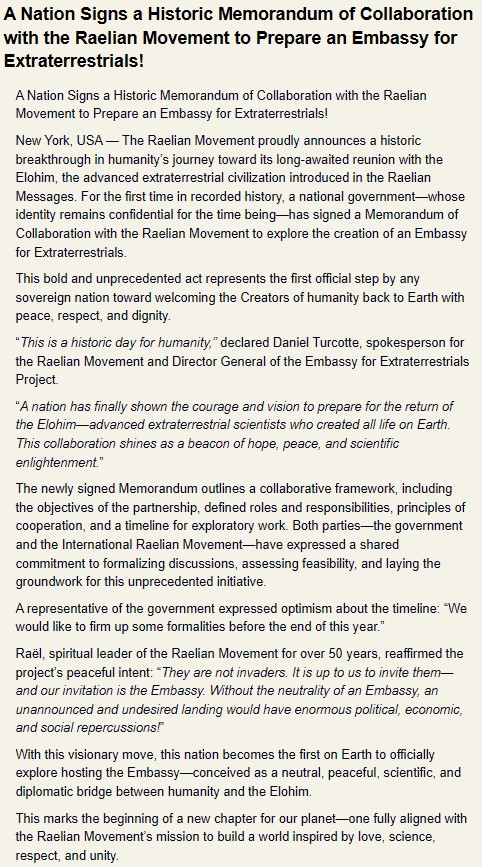
The document claimed that “the Raelian movement proudly announces a historic breakthrough in humanity’s journey toward the long‑awaited reunion with the Elohim – an advanced extraterrestrial civilization described in the Raelian messages.” Moreover, we were “informed” that plans are being considered for establishing an Embassy for these extraterrestrials.
At first, we genuinely laughed at the press release. But soon, curiosity took over: who is behind these claims, and how seriously should they be taken? That prompted us to take a closer look.
Read also: XChat – Elon Musk’s Alternative to WhatsApp?
The doctrine of the origin of mankind
In the world of new religious movements and futuristic ideologies, the Raelian movement occupies a distinctive position. Founded in the 1970s by French science‑fiction writer Claude Vorilhon, known as Rael, it has become one of the most controversial movements of modern times. Its followers believe that life on Earth was not created by gods but by highly advanced extraterrestrials, whom they call the Elohim.
The core idea of the Raelian movement differs fundamentally from traditional religious concepts, as it rejects the supernatural origin of life and gods in the classical sense. According to Rael’s teachings, life on Earth did not arise by chance, nor was it created by supernatural forces. Instead, it was engineered by extraterrestrial civilizations – the Elohim.
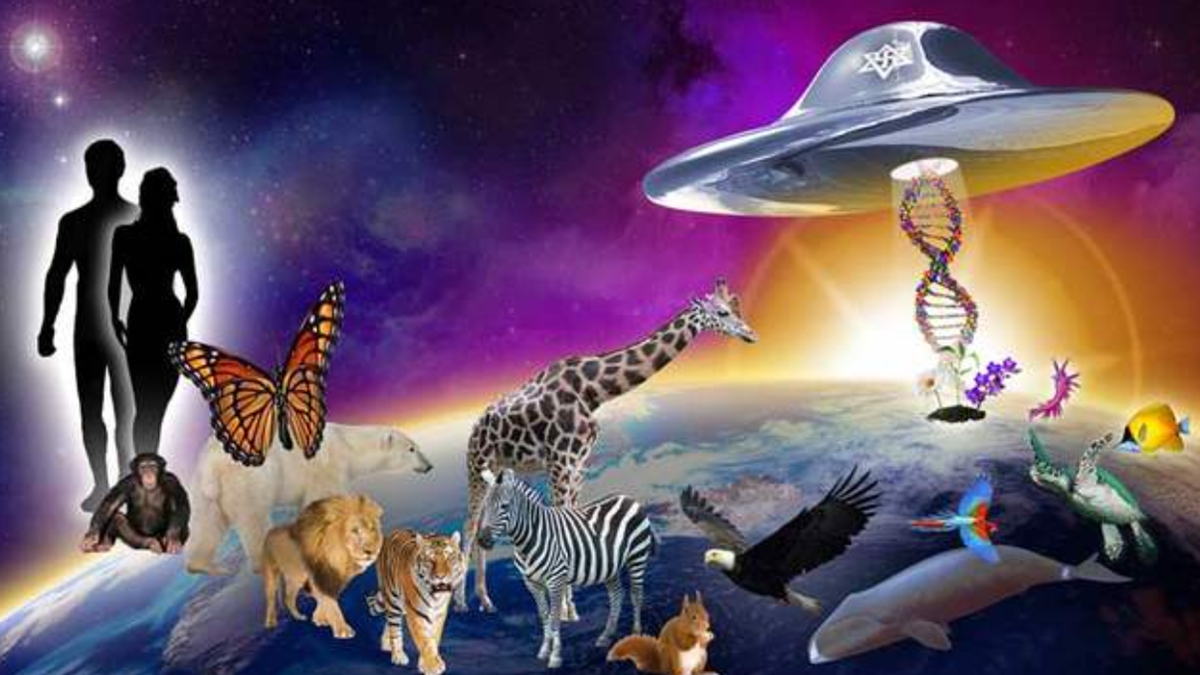
These beings resemble humans in appearance but possess highly advanced technologies that allow them to carry out complex genetic experiments. According to Raelians, it was through such technologies that the Elohim “designed” humanity, creating the first humans by means of genetic engineering.
Raelians also claim that traditional religious texts – including the sacred books of various cultures – actually describe encounters between humans and the Elohim, but these stories were misinterpreted over time. People of ancient eras mistook these technologically advanced beings for gods, unable to grasp that they were scientists and creators rather than supernatural forces. In other words, myths about gods, miracles, and divine interventions are, in Raelian teachings, distorted reflections of the real scientific achievements of the Elohim.
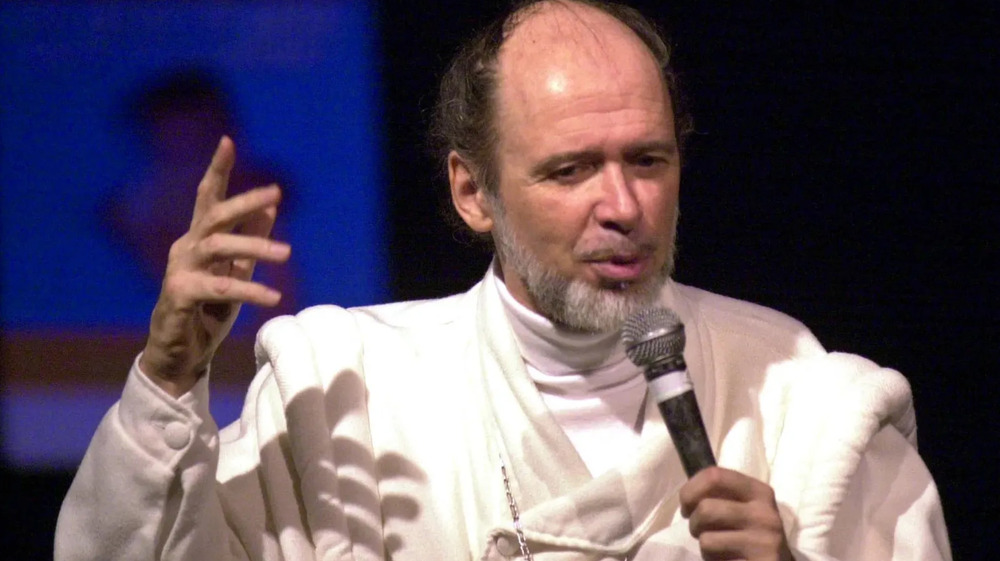
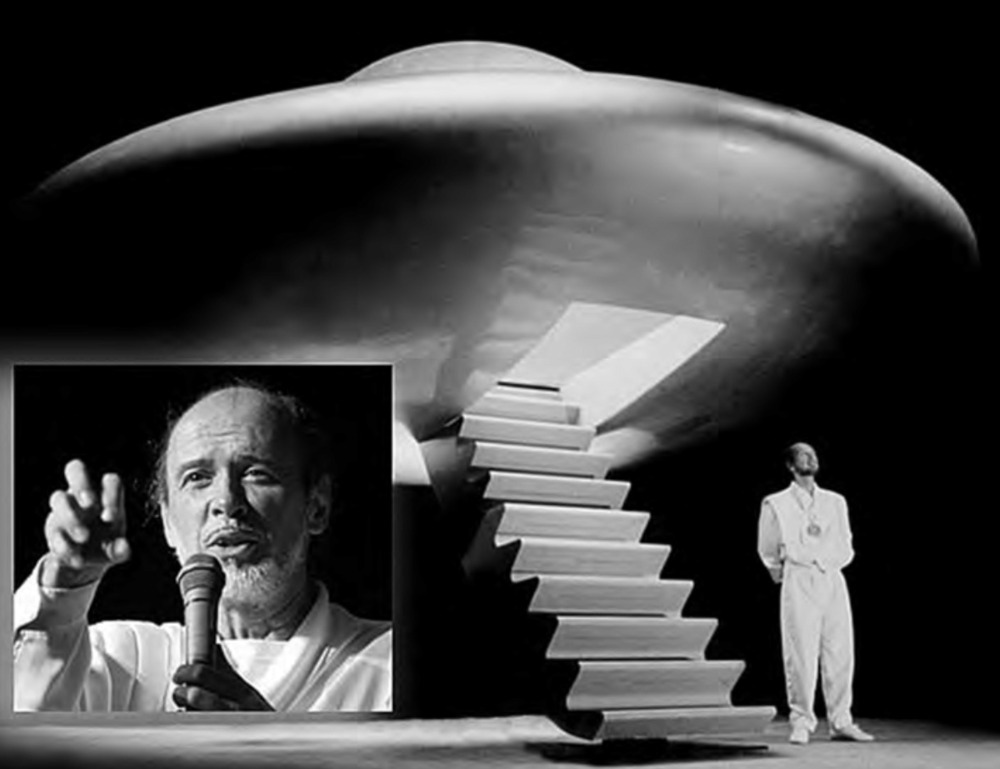
Claude Vorilhon, the founder of the movement, considers himself the final prophet of the Elohim. He claims to have received a direct message and mission from them – to prepare humanity for a future encounter with this extraterrestrial civilization. His role, according to Raelian teachings, is not to create a new religion in the traditional sense, but to convey to humanity the knowledge of its true origins, to guide scientific and spiritual development necessary for meeting the Elohim, and to help people understand that their place in the universe is determined not by faith, but by knowledge and science.
Read also: All articles about artificial intelligence
Science and Futurism
The Raelian movement is known for its highly progressive and even radically futuristic stance on science and technology. Unlike traditional religions, which often place limits on scientific progress, Raelians regard science as the primary tool for humanity’s development and as a means to achieve a “true understanding of the universe.” Followers actively support and promote research in areas such as cellular engineering, biotechnology, cloning, artificial life creation, and genetic modification, believing that these technologies can not only explain the past but also radically shape the future.
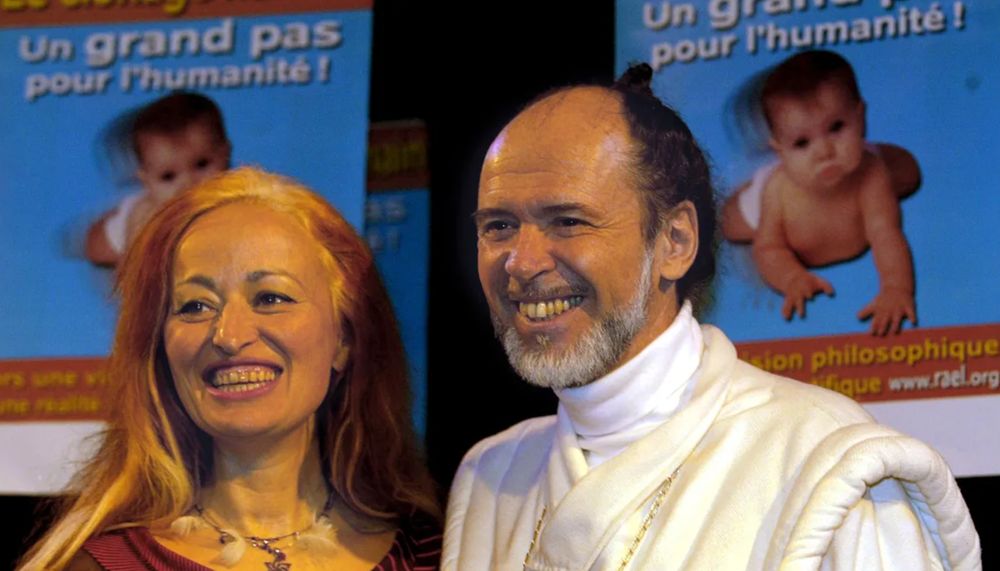
One of the most high‑profile Raelian projects is Clonaid, a company founded in the early 2000s. It claimed to have created the first cloned human baby, which generated widespread attention across the scientific community, media, and the public. Although these claims were never scientifically verified, the case sparked global debates about the ethics of cloning, the limits of scientific experimentation, and the role of religion in supporting biotechnological progress. The project became a symbol of the Raelians’ radical approach: they not only promote science as a core value but also seek to actively implement it in practice.
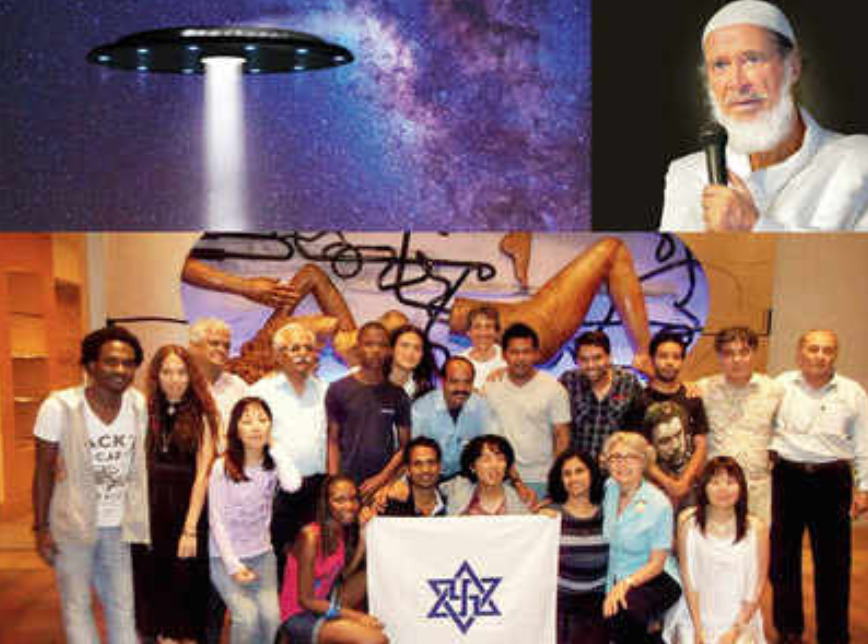
The Raelian movement’s futuristic vision extends far beyond cloning. Raelians believe in the possibility of achieving immortality and enhancing the human condition through technology. They view science as the key to addressing humanity’s fundamental challenges – from aging and disease to social and global conflicts. In their view, scientific and technological progress can create a new era in which knowledge, rather than faith, determines societal development and humanity’s place in the universe.
In this way, the Raelian movement combines religious rhetoric with practical technological activism, promoting a vision of a world where science and spirituality coexist, and humanity becomes a co‑creator of its own destiny in the cosmos.
Read also: Diia AI LLM: National Breakthrough or Overinflated Expectations?
Social Principles
The Raelian movement is known not only for its scientific and futuristic ideas but also for its progressive social platform, which aims to build a more open, peaceful, and tolerant society. One of the movement’s core values is peace: Raelians oppose all forms of violence, war, and discrimination, believing that human development is possible only in a world grounded in understanding and cooperation.
They place particular emphasis on gender equality. Raelians hold that men and women should have equal rights in all areas of life – from education and careers to social participation and decision-making. This principle aligns with their scientific worldview: like technology, social norms should evolve according to rational principles rather than traditional limitations or dogma.
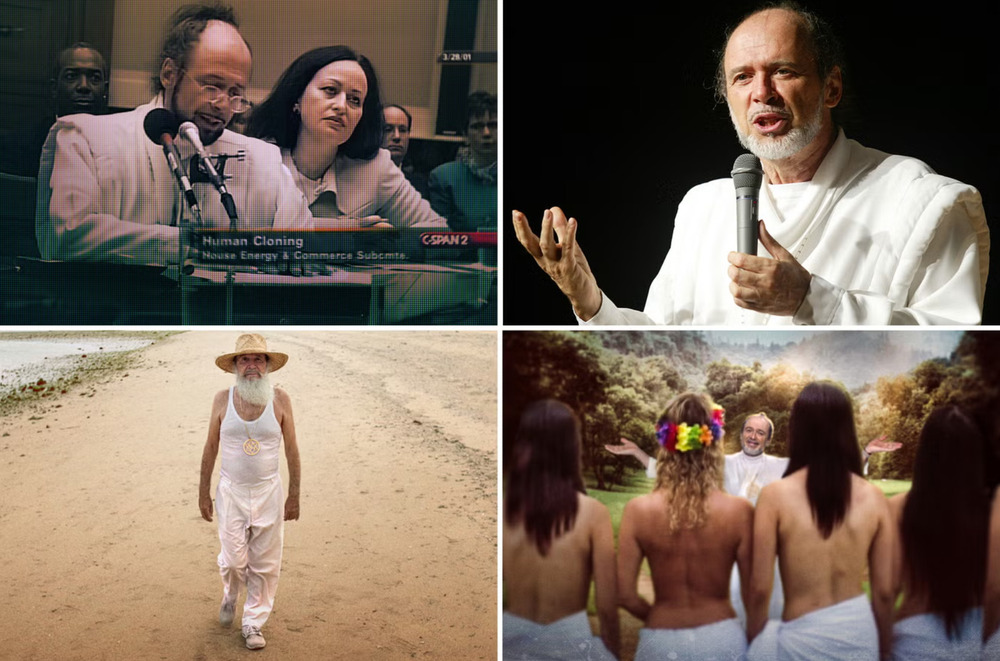
Another key element of the Raelian movement’s social teachings is sexual freedom and openness. Raelians advocate for a free and responsible approach to sexuality, supporting sexual education that goes beyond religious or cultural taboos. They encourage open discussion of topics that remain prohibited or sensitive in many religions and societies, including sexual orientation, relationships, contraception, and safe sex. In their view, knowledge and conscious engagement with one’s sexuality are essential components of harmonious human development.
Rational thinking also holds an important place in the movement’s social platform. Raelians urge that social norms, laws, and cultural practices be evaluated through the lens of logic, evidence, and critical reasoning rather than blind faith or authoritarian tradition. This stance merges scientific and ethical approaches: knowledge should guide moral and social progress.
Overall, the Raelian movement’s social doctrine envisions a community where tolerance, equality, openness, and a scientific approach to life are intertwined, and society is seen as a space for the full development of individuals – intellectually, morally, and emotionally.
Read also: Atomic Horizon: How Humanity Pushes Chips to Edge of Possibility
Symbolism and Culture
Symbolism plays a central role in the Raelian movement’s identity, reflecting its core ideas. The primary symbol is a star-shaped circle with a central element combining an atom and an early version of the swastika. It represents the synthesis of two key aspects of the Raelian worldview: the cosmic origin of life and the advancement of science and technology. The atom at the center emphasizes the importance of science, rational thought, and technological development, while the star circle and swastika elements refer to the Elohim – the extraterrestrials who, according to Raelian teachings, created humanity.
Early versions of the symbol featured only the swastika, but due to its negative historical associations with Nazism and war, the design was modified. The Raelians combined it with the atom to avoid misunderstandings and to highlight the movement’s peaceful and scientific character. The symbol has since become a recognizable emblem of the Raelian movement, uniting followers around the world.

Raelians actively use media, public events, and conferences to promote their ideas and attract new followers. They organize themed seminars, science and technology lectures, display their symbols at international events, and hold campaigns focused on peace, sexual education, and scientific achievements.
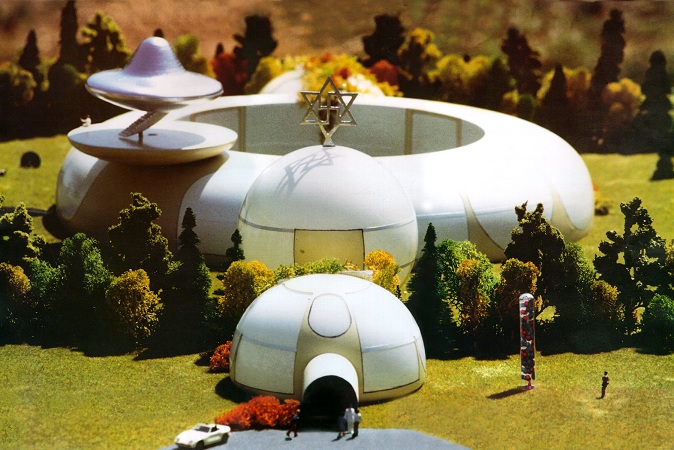
One of the movement’s most ambitious goals is the creation of a “Cosmic Center of the Elohim” on Earth – a specialized complex intended as a meeting place with extraterrestrials as well as an educational and scientific center for humans. According to Raelian plans, this would not be merely a cult site but a hub of learning where science, technology, peacebuilding, and spiritual development intersect. Through initiatives like this, the movement seeks to convey its core message: that humanity should evolve in harmony with science, knowledge, and the cosmos, rather than adhering to outdated religious doctrines.
Read also: Breakthrough Development: Scientists Create Artificial Muscles Activated by Ultrasound
Practices
Initiation Ritual
To become a Raelian, a newcomer must undergo a baptismal ceremony called “transmission” or the “cellular plan.” This ritual is performed exclusively by high-ranking members – priests or bishop-guides – and is scheduled according to the Raelian calendar, taking place four times a year.
The first date is the first Sunday of April, commemorating the initial ritual in 1976 when Rael baptized 40 new members, and symbolically marking the day the Elohim created Adam and Eve. The second date is August 6, the anniversary of the atomic bombing of Hiroshima, serving as a reminder of humanity’s destructiveness and the approaching “Age of the Apocalypse.” The third date is October 7, when, according to Rael, he met the prophets Jesus, Muhammad, and Buddha aboard a spaceship during a second encounter. The fourth date is December 13, marking Rael’s first meeting with the Elohim and his anointment as the chosen prophet, an event celebrated annually by church members.
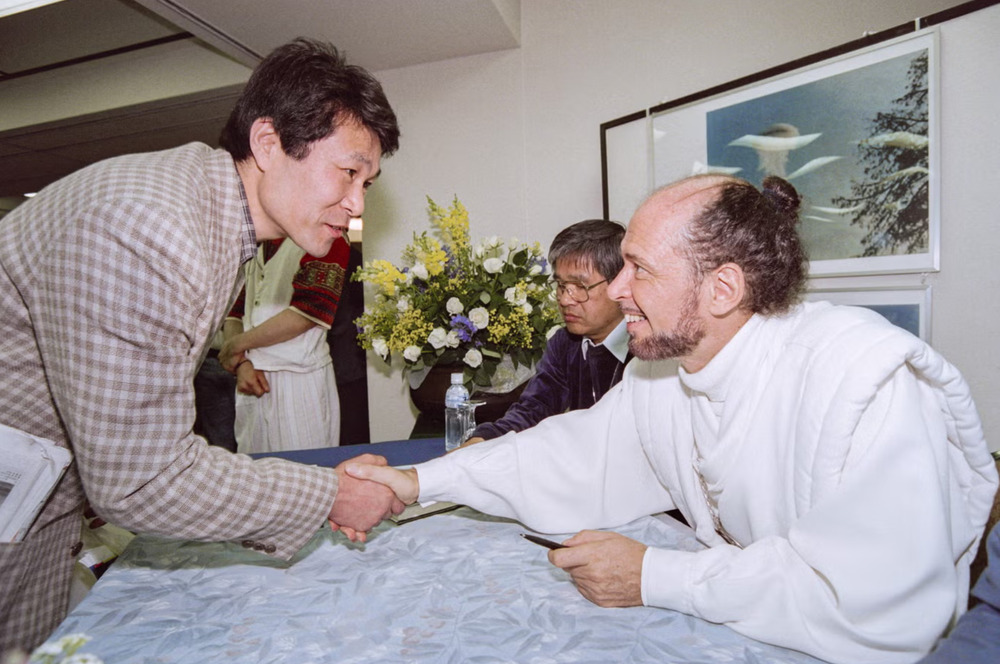
The ritual itself resembles Christian baptism, with the guide sprinkling water on the newcomer’s forehead. However, a central element is establishing a telepathic connection with the Elohim. To strengthen this connection, participants form a human chain, holding hands. Raelians believe that through this process, the genetic code of each new member is transmitted to the Elohim, who record the information for a future judgment.
If a member is deemed worthy, the Elohim may grant immortality, potentially through cloning. New initiates also sign a contract allowing a piece of bone to be removed from the forehead (“the third eye”) after death for transmission to the Elohim. It remains unclear whether this procedure has ever actually been carried out.
Sensual Meditation
Sensual meditation is a practice that, according to Rael, he learned during his second encounter with the Elohim. In 1980, he published a book serving as a guide for achieving what he calls a “cosmic orgasm.”
Beginners are introduced to the technique during seminars. Participants lie in dim lighting at monthly meetings, while a guide quietly leads them through relaxation exercises designed to “harmonize with the infinite.” Starting with deep breathing and scanning different parts of the body, participants gradually reach a state of calm and warmth, repeating phrases such as “I am very calm” or “My hands and feet are very warm.” This practice is intended to influence the autonomic nervous system and cultivate a sense of harmony.
The meditation then moves to guided visualization aimed at establishing telepathic contact with the Elohim, which is described as “returning” the participant to their planet. For experienced Raelians, daily meditation lasts about half an hour and often incorporates audio recordings, combining sensual awareness techniques with imagined journeys through infinite space and time, creating a symbolic macrocosm within the microcosm.
Attitudes Toward Sexuality
Sexuality occupies a central role in Raelianism. Rael promotes free love, viewing sex as a natural, important, and healthy aspect of life. The movement does not endorse homophobia or discrimination based on sexual orientation. Raelians also advocate for equality and actively oppose racism. Public demonstrations, such as “topless women’s marches” and protests against sexism, form part of their activism. Rael additionally founded Firephim (the International Federation of Minority Religions and Philosophies), an organization dedicated to minority rights and gender equality.
In his 1987 book “Let’s Welcome Our Parents from Space”, Rael describes sexuality as a gift of pleasure from the Elohim. He supports polygamy, considering long-term monogamous relationships potentially problematic. If relationships fail, he advises ending them amicably rather than allowing them to become “hellish.”
Regarding procreation, Raelians do not enforce strict rules, but their philosophy includes population control. Overpopulation is viewed as a global crisis, so contraception and abortion are encouraged. Many members do not pursue parenthood. To support sexual development, summer courses and camps are organized, emphasizing sensual meditation and conscious body awareness.
Read also: Can a Modern Human Live to 150 Years?
Controversies and Criticism
Despite its emphasis on science, technology, and futurist ideas, the Raelian movement has repeatedly faced criticism and controversy. Critics often categorize it as a cult, highlighting concerns over potential dependence on its charismatic leader and the belief in contact with extraterrestrials. The movement has also attracted scrutiny for unverified scientific claims, such as Clonaid’s announcement of the first cloned human infant, which lacked independent verification.
Additionally, Raelians have been criticized for potentially manipulating followers by promoting ideas of immortality, encounters with the Elohim, and rapid scientific progress. Such messaging can create unrealistic expectations and place an unusual personal responsibility on members to “prepare humanity” for contact with extraterrestrial beings.
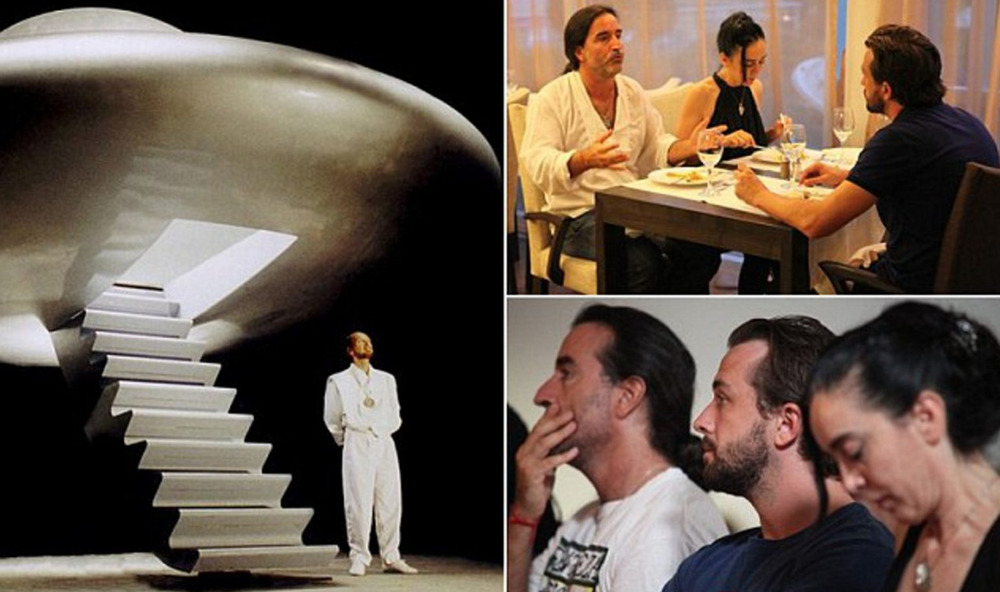
At the same time, the Raelian movement remains relatively small in terms of membership, but its impact on popular culture, media, and debates about science, religion, and technology is notable. Raelian ideas engage with complex topics, including humanity’s place in the universe, the interaction between science and religion, the ethics of cloning, and the future of humankind.
The movement illustrates how contemporary religious groups can blend faith, science, and futurism, creating new frameworks for understanding human life and our role in the cosmos. For some, Raelianism appears as a progressive philosophical school or a science-religion experiment; for others, it is a curious and controversial current in modern religious thought. Regardless of perspective, the movement continues to attract global attention, provoke discussion, and spark debate, with its messages about science, peace, and personal development resonating with many.
Read also:
- OpenAI’s New Superpower: What Is a ChatGPT Agent?
- AI in Medicine: Is the Future Already Here?
- “Superintelligence” – Breakthrough or Marketing Hype? An Analysis
- Sex Robot Industry: New Rules in the Age of Technology

