




© ROOT-NATION.com - Use of content is permitted with a backlink.
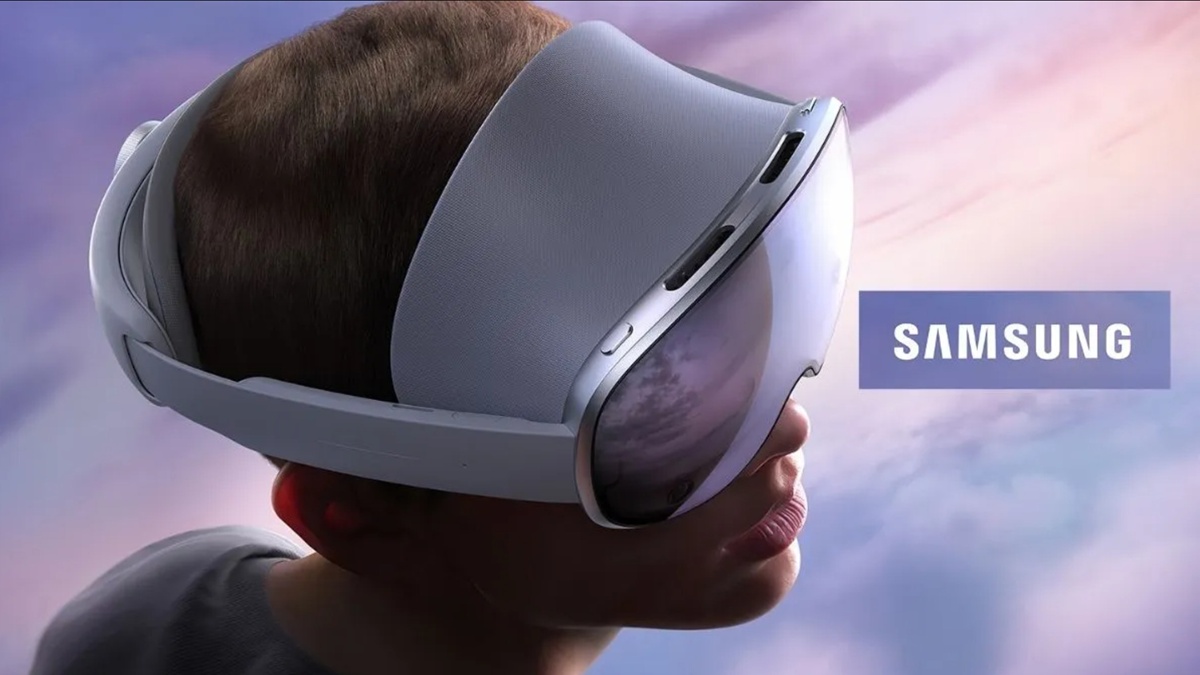
The Samsung Galaxy XR is more than just a new device – it’s a strategic statement from the company, signaling its intention to reclaim influence over the future of spatial computing.
This is the first headset powered by Android XR, a new operating system developed by Google with a strong emphasis on deep AI integration. At the heart of this system lies the Gemini model, designed to make user interaction more natural, contextual, and adaptive.
Read also: When Math Meets Art: How JPEG Magic Works
TABLE OF CONTENTS:
Samsung Galaxy XR – Are XR technologies making a comeback?
Unlike Apple’s approach, which relies on a fully controlled ecosystem, Google and Samsung are focusing on building an open platform accessible to millions of developers and users through Google Play. This strategy is designed to enable faster scaling – something the XR segment has long been lacking.
For years, the augmented and virtual reality device market has served as an experimental ground for major tech companies. Despite numerous attempts, most headsets have remained confined to niche use among gamers and technology enthusiasts. The reasons are clear: high cost, limited app ecosystems, suboptimal UX design, and a lack of compelling use cases.
The situation began to shift with the release of Apple’s Vision Pro. While it didn’t make XR technology mainstream, it redefined the premium category and set new standards for hardware and software integration. However, its closed ecosystem and high price created a gap in the mid-range market – a space that Samsung and Google now appear well positioned to fill.
In this context, the Galaxy XR could represent a turning point – the first mainstream device to combine XR technologies with an open Android ecosystem, a robust AI core, and Samsung’s long-standing expertise in display and sensor manufacturing. If the strategy proves effective, this collaboration could help transition XR from futuristic concepts to everyday use.
Read also: All About Windows ML: A Shift in Local AI Processing
Galaxy XR glasses – an alliance of giants
In 2025, the spatial computing industry received a long-awaited response from the alliance of Google, Qualcomm, and Samsung. After nearly two years of anticipation and multiple leaks under the codename Project Moohan, the final product – the Samsung Galaxy XR – was officially unveiled in late October. This release marked more than just another XR launch; it signaled the beginning of a coordinated effort by the Android ecosystem to challenge Apple’s Vision Pro approach.
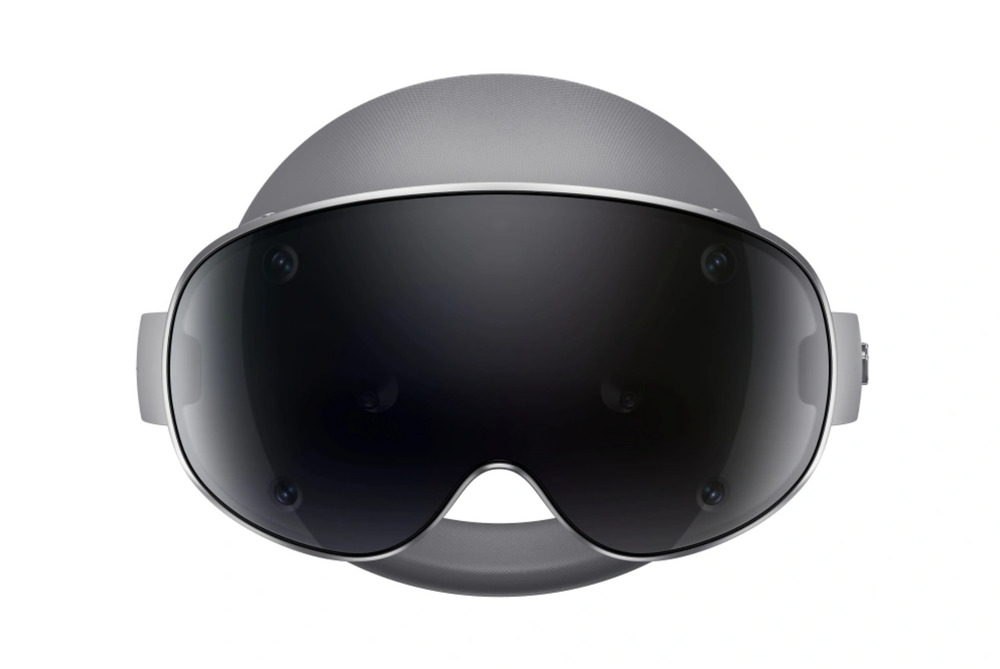
The core component of the new device is Android XR – Google’s first comprehensive attempt to build a unified, open platform for augmented and virtual reality. Rather than a proprietary interface tailored to a single device, it serves as a foundational technology intended to bring together hardware from multiple manufacturers under a common standard. This approach stands in clear contrast to Apple’s closed ecosystem, which relies on full control over both hardware and software environments.
The collaboration between Samsung, Google, and Qualcomm illustrates a strategic, synergistic approach:
Samsung is responsible for hardware implementation, leveraging its expertise in display and sensor technologies.
- Qualcomm provides the computing foundation, supplying the latest Snapdragon XR chips optimized for spatial computing.
Google contributes the software infrastructure – Android XR with integrated Gemini AI and full access to Google Play.
This collaboration creates an open, scalable ecosystem in which users gain not only an XR experience but also immediate access to millions of existing 2D applications that can run in a virtual environment from day one. It represents a critical step toward lowering entry barriers for consumers and addressing one of the XR segment’s main challenges – the persistent lack of relevant content.
In essence, the Galaxy XR is more than a product; it represents a demonstration of a technological alliance aiming to redefine the balance of power in the spatial computing market. While Apple has created an “elite” XR space with a high entry threshold, the Android alliance offers a mass-market, open alternative focused on innovation, scalability, and user choice.
Read also: Explaining the Fourth Dimension in Simple Terms: Insights from a Renowned Physicist
Android XR and Gemini – an open platform with AI
At the core of the new Android XR ecosystem is deep integration with Gemini AI, which shapes not only the platform’s capabilities but also its underlying philosophy. Unlike previous generations of operating systems, where AI functioned as an auxiliary tool or assistant, Gemini operates as a foundational layer of interaction – effectively, an “operating system within the operating system.”
Google emphasizes that Android XR was built from the ground up for the AI era, rather than adapted from traditional mobile platforms. This means that the interface, controls, and contextual logic are designed around an understanding of the user and their environment. AI is not an add-on; it functions as the central nervous system of the entire experience.
Gemini enables multimodal interaction by seamlessly combining voice, gestures, and eye-tracking. This allows users to communicate with the device in a more natural, “human-like” way – not through menus or buttons, but via intuitive signals that the AI interprets in real time.
A key strength of the system is Gemini’s contextual awareness. By integrating with the headset’s cameras and sensors, it can “see” and analyze the surrounding environment. This capability enables dynamic interaction scenarios: the AI can answer questions about objects within view, display statistics for a game being observed, or provide information about a building in focus using data from Google Maps and the Knowledge Graph.
In this way, Gemini within Android XR functions not merely as a query-processing tool but as a cognitive layer that integrates virtual and physical environments into a single informational space. If implemented as intended, Android XR could become the first mainstream example of truly “intelligent” spatial computing, where AI does not simply assist the user – it collaborates with them.
Read also: Dolby Vision 2: Marketing Hype or Technological Breakthrough?
Google XR ecosystem: familiar services in a new dimension
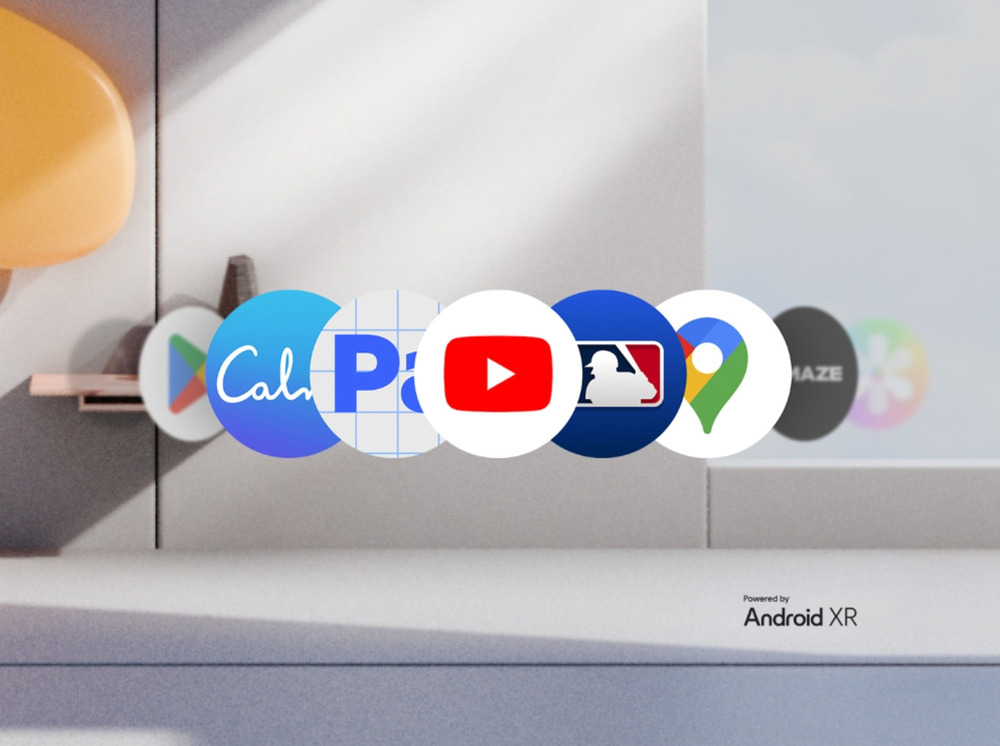
Google has not limited its efforts to the technical foundation of Android XR – the company clearly recognizes that the success of any platform depends on the ecosystem of content and services available to users out of the box. In addition to maintaining backward compatibility with millions of existing 2D applications, updated spatial versions of key Google apps have been developed to align with the new interaction paradigm.
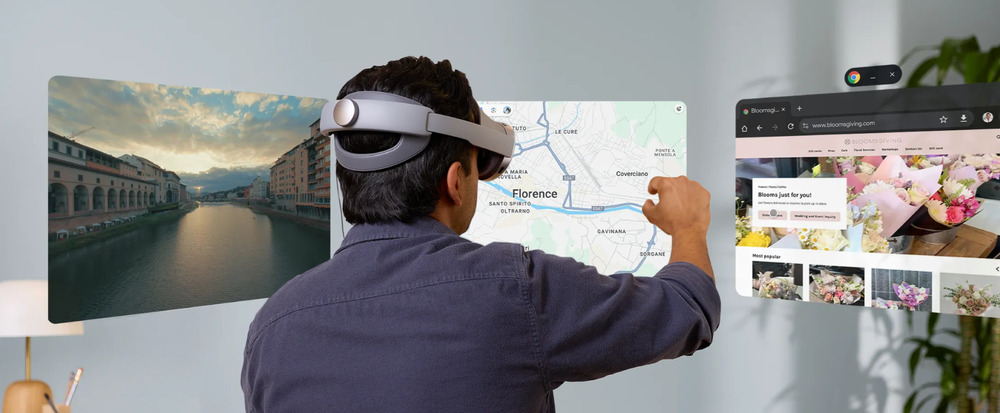
Google Maps now features a 3D Immersive View mode, allowing users to explore cityscapes, examine architecture, or follow routes from a first-person perspective. This goes beyond a traditional map, functioning as a digital twin of the real world that comes alive around the user.
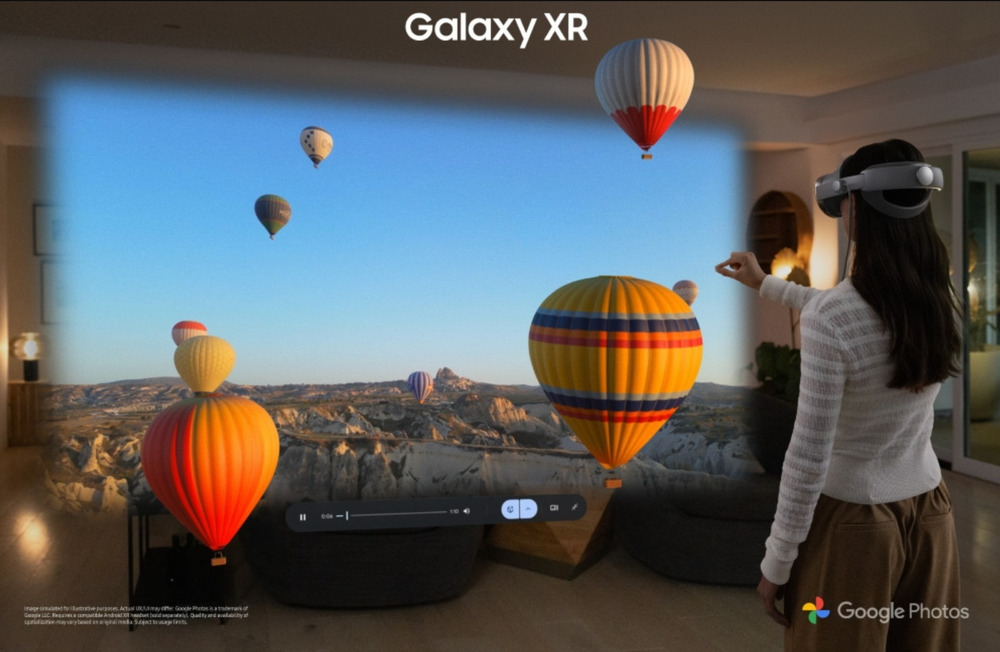
Google Photos demonstrates how AI can redefine memory: the system automatically transforms standard 2D photos and videos into three-dimensional spatial memories that can be experienced as if inside a personal time capsule. This represents one of the most emotionally engaging use cases, where AI moves beyond being a mere tool and acts as a co-creator of our memories.
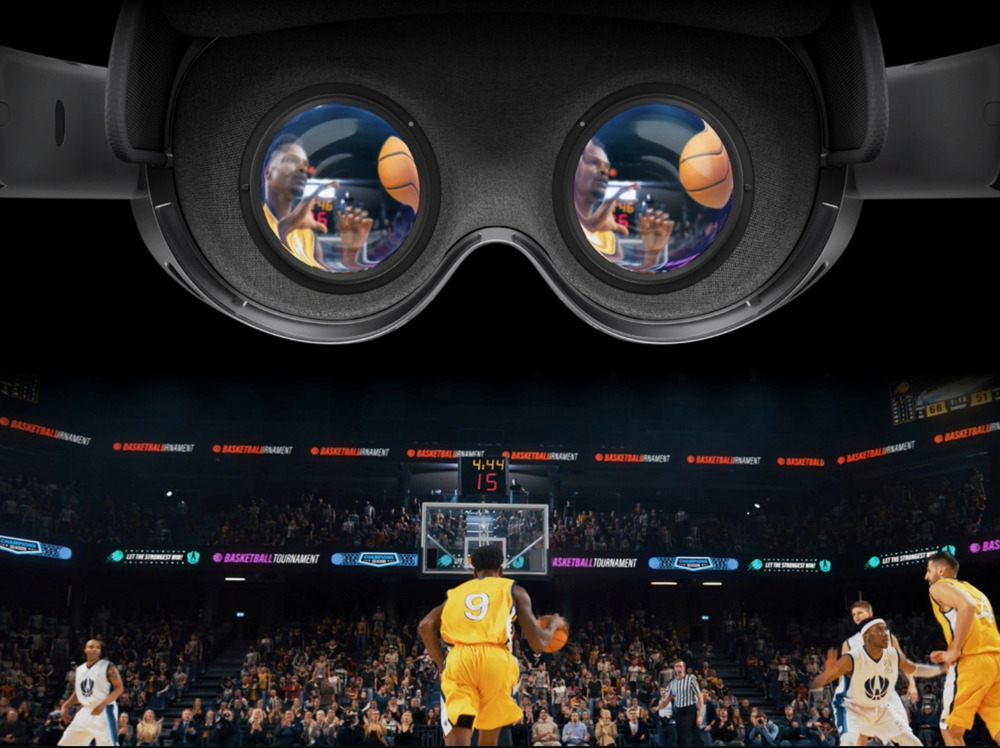
YouTube now includes a dedicated Spatial tab, featuring not only 180° and 360° video formats but also a new class of spatial content created specifically for XR experiences. This provides creators and brands with a new avenue for creative expression, while allowing viewers to experience videos not as a flat stream on a screen, but as immersive scenes in which they are present.
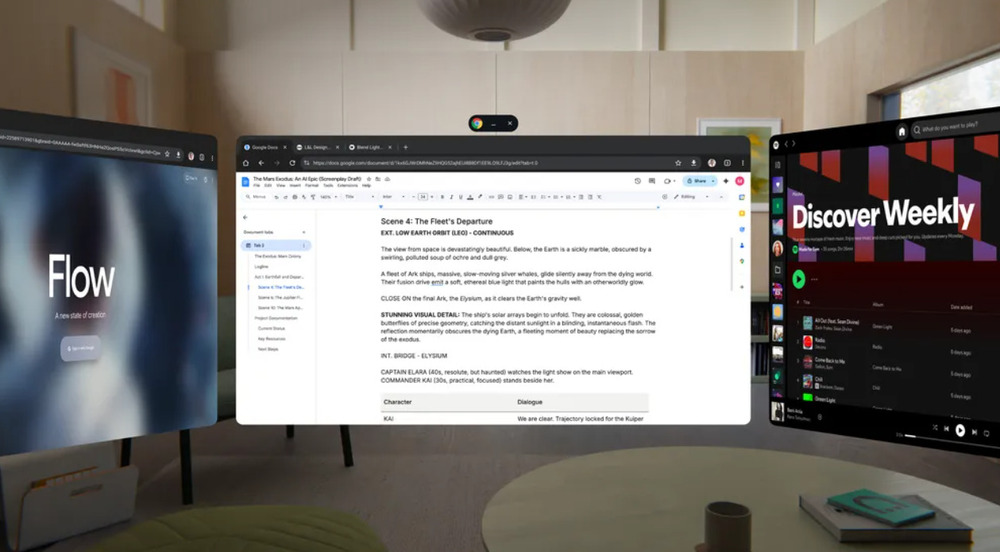
Updated versions of Chrome, Google Meet, and Google TV introduce a new level of multitasking. The browser can be expanded into a full virtual workspace, Meet can be transformed into a virtual conference room, and Google TV can become a personal-format theater, turning standard shows into immersive experiences.
Overall, Google demonstrates a strategically considered approach: not only building the platform itself but also showcasing its potential through its own services, establishing a ready-to-use content landscape from day one. This approach could be a decisive factor in ensuring that Android XR avoids the pitfalls of previous XR attempts and develops into a fully realized next-generation digital ecosystem.
Read also: Can a Modern Human Live to 150 Years?
Samsung Galaxy XR: a hardware platform without compromise
Turning to the hardware, Samsung makes it clear that the Galaxy XR was developed not as an experimental device but as a full-fledged flagship in the spatial computing space. The company emphasizes high performance and visual fidelity – elements intended to establish user trust in this new device category.
At the core of the system is the Qualcomm Snapdragon XR2+ Gen 2 chip – a processor specifically optimized for spatial computing, combining high energy efficiency with powerful AI acceleration. It is supported by 16 GB of LPDDR5X RAM, ensuring stable performance even in demanding multimodal scenarios where AI, graphics, and sensor data are processed simultaneously.
The most striking aspect, however, is the display. The headset features two 4K Micro-OLED panels (3552 × 3840 pixels per eye). This pixel density eliminates the long-standing “screen-door effect” that has plagued XR devices for years. High contrast, deep blacks, and accurate color reproduction elevate the visual experience to a level previously unattainable in portable headsets.
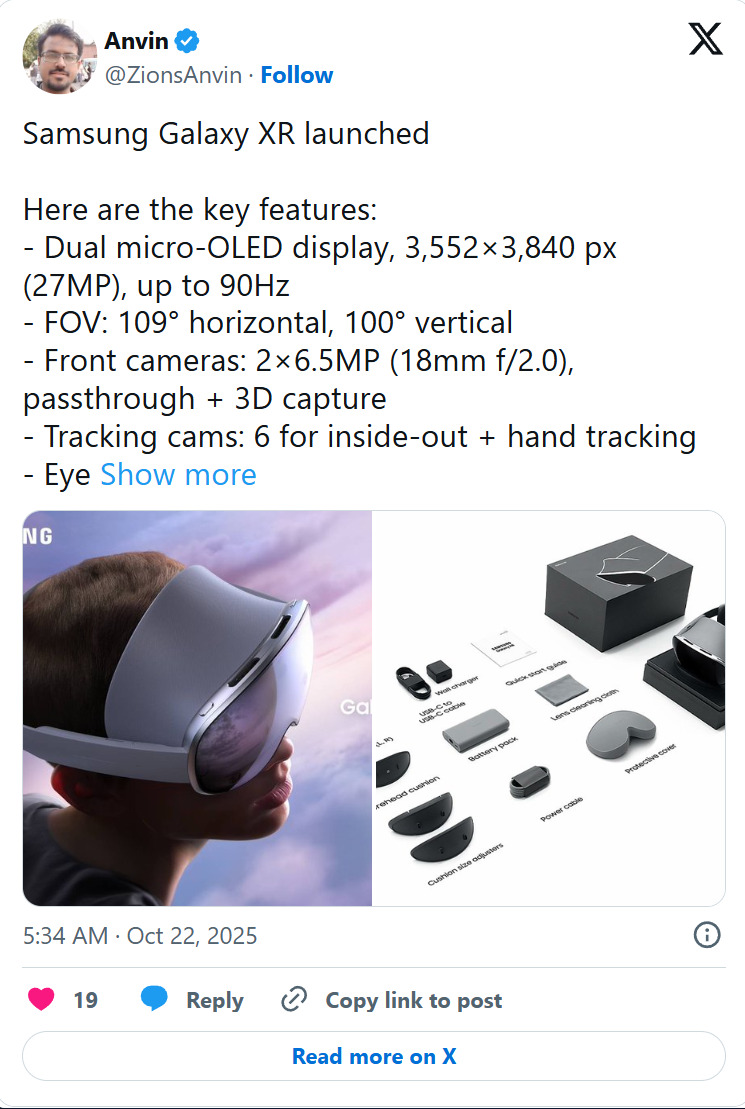
The headset supports high-resolution pass-through mode, allowing users to seamlessly switch between the real world and virtual space. Its tracking system includes a full suite of sensors:
- Hand tracking – enabling precise gesture commands without controllers
- Eye tracking – used not only for navigation but also for iris-based device authentication
- Face recognition – powering personalized 3D avatars in Google Meet and other spatial services
This is more than a collection of technologies; it forms an integrated interaction system in which the hardware is designed to support natural human-machine communication. The Galaxy XR positions itself as a reference point for Android XR hardware design, setting a potential standard for future devices from other manufacturers.
Read also: Could Thorium Be a Breakthrough in Energy Technology?
Galaxy XR ergonomics: a balance between comfort and autonomy
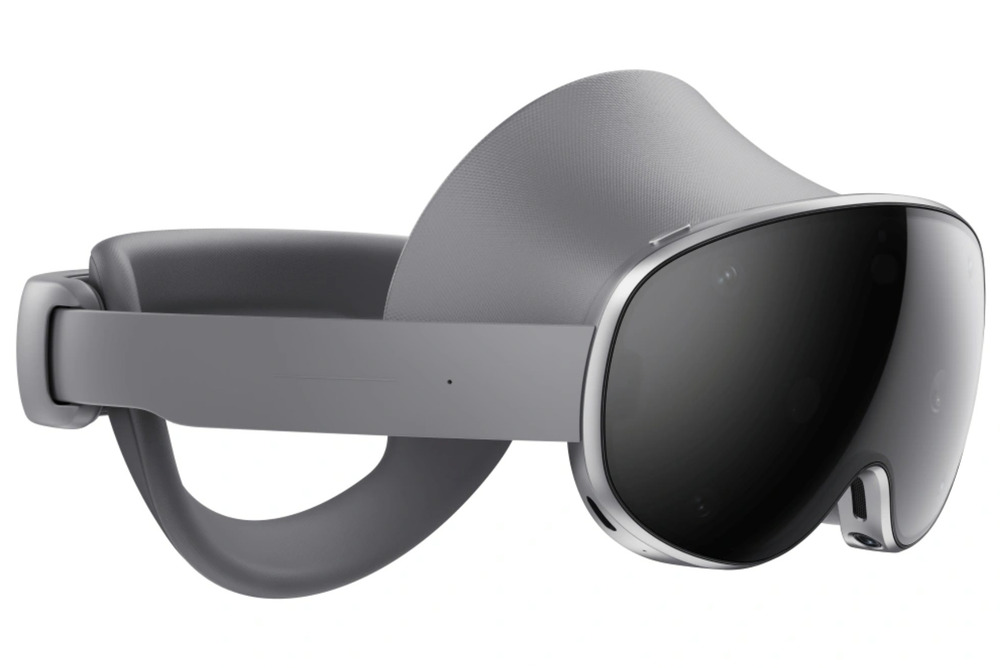
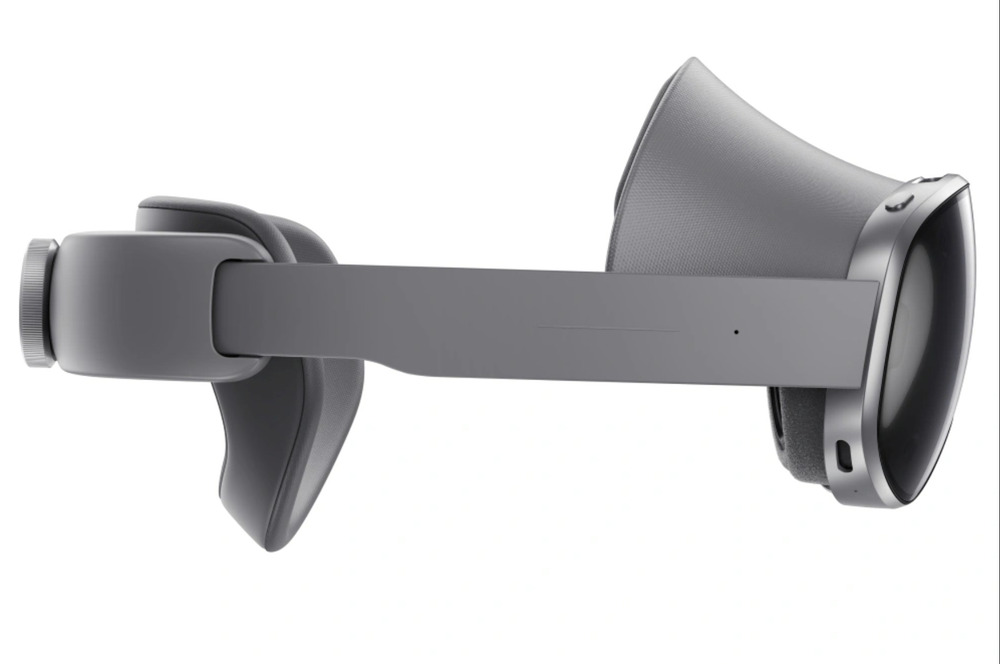
Samsung approached ergonomics not as a compromise but as a core element of the user experience. Unlike most XR competitors, which require users to press the device firmly against their face, the Galaxy XR employs a rigid halo band that sits around the head, distributing weight primarily across the forehead rather than the nose or cheeks. This design not only improves comfort during extended use but also reduces fatigue, a common issue with previous headset generations.
The base design of the Galaxy XR is open, allowing users to partially see their surroundings through peripheral vision. This creates a sense of lightness and natural interaction, rather than isolating the user from the environment. For those seeking full immersion, the headset includes magnetic light-blocking panels that can be easily attached or removed without tools. This small but thoughtful feature reflects Samsung’s focus on combining convenience, modularity, and a premium experience.
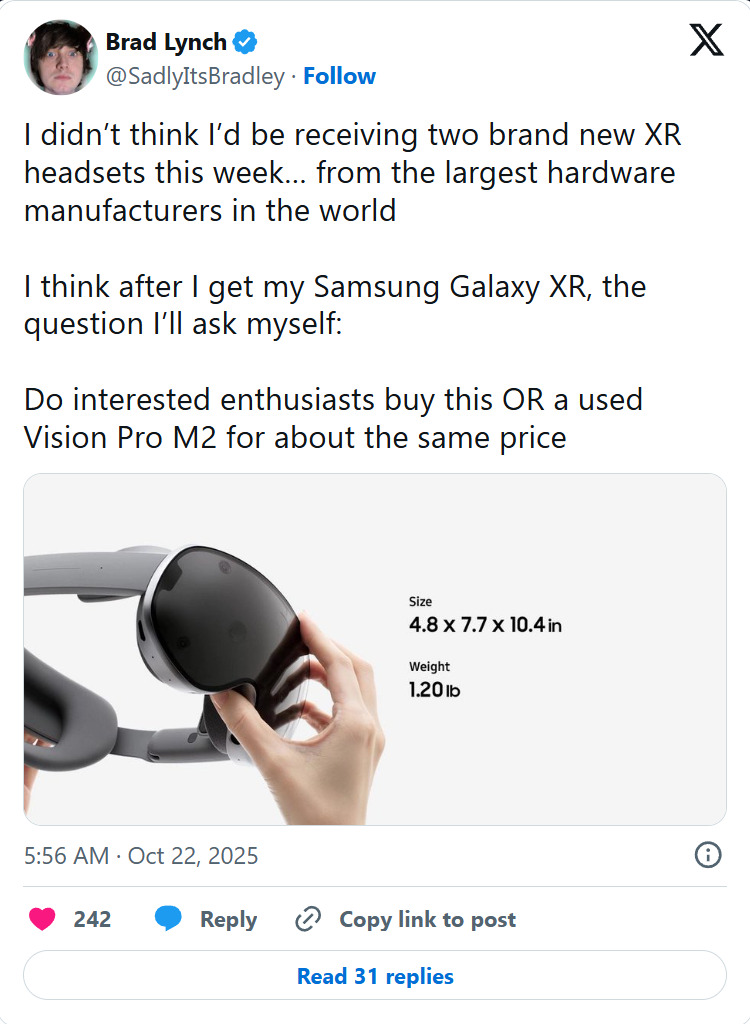
The entire headset weighs 545 g, noticeably lighter than the Apple Vision Pro, which immediately enhances comfort during extended sessions. This was achieved by relocating the battery externally. The 302 g external battery connects via a cable and provides roughly 2–2.5 hours of runtime. While this solution may seem unconventional, it serves a clear purpose: moving the battery off the head reduces strain and improves weight distribution, which is particularly important during active spatial interactions.
As a result, the Galaxy XR sets a new benchmark for ergonomic design in XR devices – lighter, better balanced, and functionally flexible. It is not just a “comfortable headset” but an example of a thoughtful engineering compromise, prioritizing user comfort over aesthetic symmetry or showmanship.
Read also: ChatGPT-5 from OpenAI: What the New AI Model Can Do
Price and positioning strategy: Samsung plays its own game
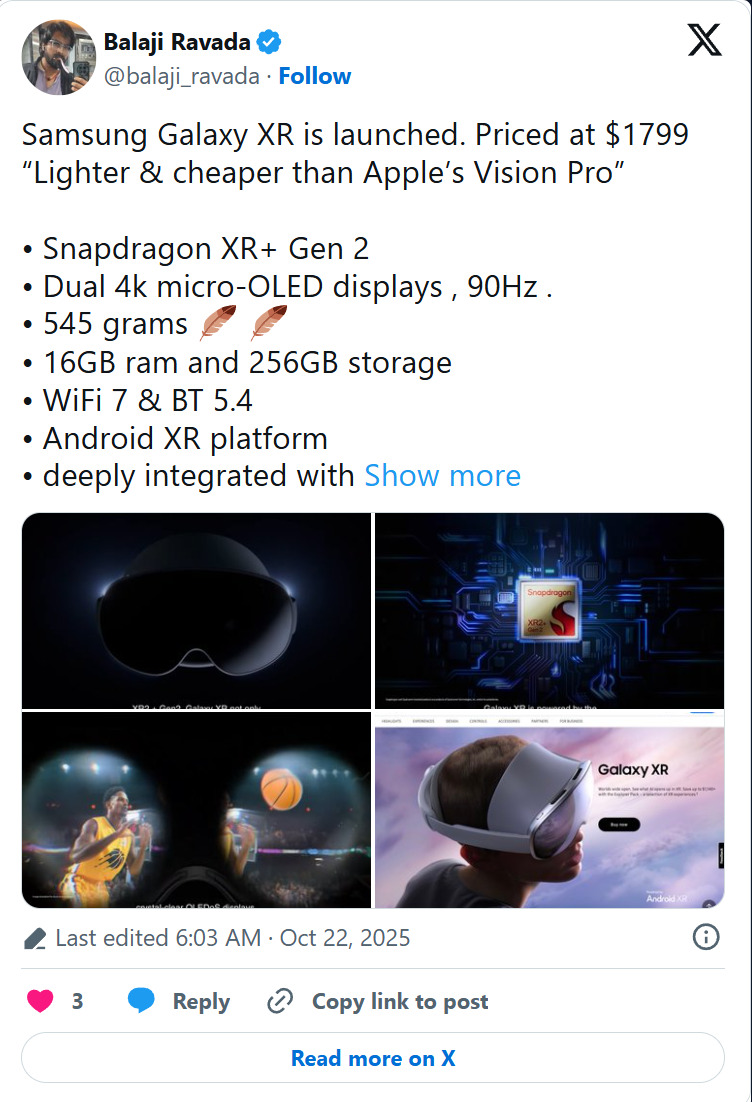
One of the most sensitive aspects of the Galaxy XR launch is undoubtedly its price and packaging. Samsung set the headset’s price at $1,799.99, clearly positioning it between two market extremes: the premium Apple Vision Pro and mass-market Meta Quest devices. This positioning speaks for itself – the Galaxy XR is not intended as an “affordable alternative” but rather as a rational premium option, offering a flagship experience without an elite price tag.
However, the base package does not include everything. Controllers are sold separately at $249.99, and this is intentional. The decision reflects a shift in interaction paradigms: like Apple, Samsung emphasizes hand and eye tracking over traditional controllers. For the company, this is not merely a design choice but an ideological one, signaling that the Galaxy XR is aimed not at gamers, but at a broader audience seeking XR for work, communication, and content consumption rather than pure entertainment.
In this context, the absence of controllers in the base kit is not a drawback but a statement of a new approach: the spatial interface should be intuitive enough that the user’s hands and eyes function as a single “controller.” At the same time, the option to purchase additional controllers provides flexibility for gamers and enthusiasts who prefer traditional VR interaction.
Ultimately, Samsung is not competing with Apple on price alone – it is redefining value. For $1,799, users receive not “just another headset” but access to the Android XR ecosystem, built on openness, AI integration, and the goal of making XR technology truly mainstream.
Read also: Rare Earth Metal Situation: Whoever Controls the Resources, Rules the World
The potential of VR for PCs and the future of the platform
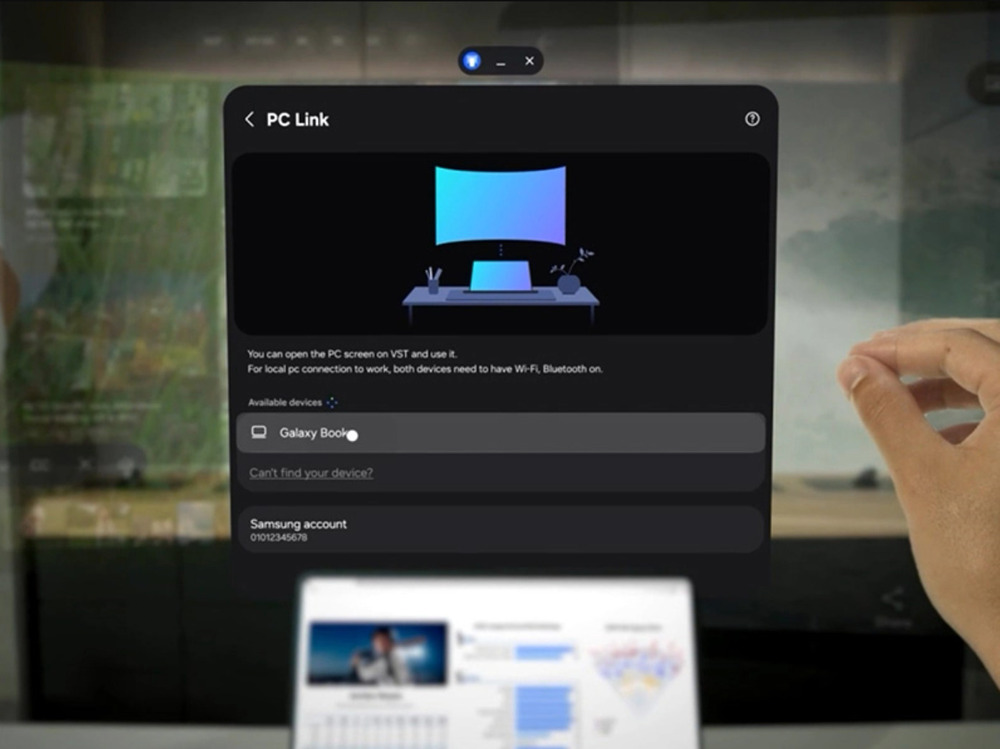
PC virtual reality enthusiasts will note that the platform supports paid virtual desktop software. With Wi-Fi 7 support, eye-tracking (enabling foveated rendering), and the ability to transmit eye and facial movement data to a PC, the Galaxy XR has the potential, on paper, to be one of the best devices for wireless PC gaming.
Read also: How Chinese Companies Circumvent the US Ban on AI Chips
Unfortunately, the initial availability of the Galaxy XR is very limited. The device can currently be purchased only in the United States and South Korea. Samsung and Google have not yet provided any information regarding plans to expand to other markets.
Read also: How to Spot Fake Photos: New Challenges of the Digital Age
Samsung Galaxy XR: the promise of a cohesive ecosystem and a chance to restart the XR market
It must be acknowledged that the Galaxy XR project appears remarkably coherent and well-considered. This is neither another Meta Quest clone nor an attempt to imitate the Apple Vision Pro. Samsung, Google, and Qualcomm have clearly done their homework, creating a platform that combines the openness of Android (with immediate access to millions of 2D apps), the intelligent flexibility of Gemini AI, and high-end hardware featuring Micro-OLED displays, eye tracking, and precise motion recognition. Altogether, it reads not as a collection of separate technologies but as a coordinated ecosystem in which every component serves a purpose.
Particular attention should be given to the ergonomic design, which relies not on a conventional face-pressing mask but on weight distribution through the forehead. This bold engineering approach could set a new comfort standard in the XR segment, provided that real-world use proves as convenient as it appears on paper.
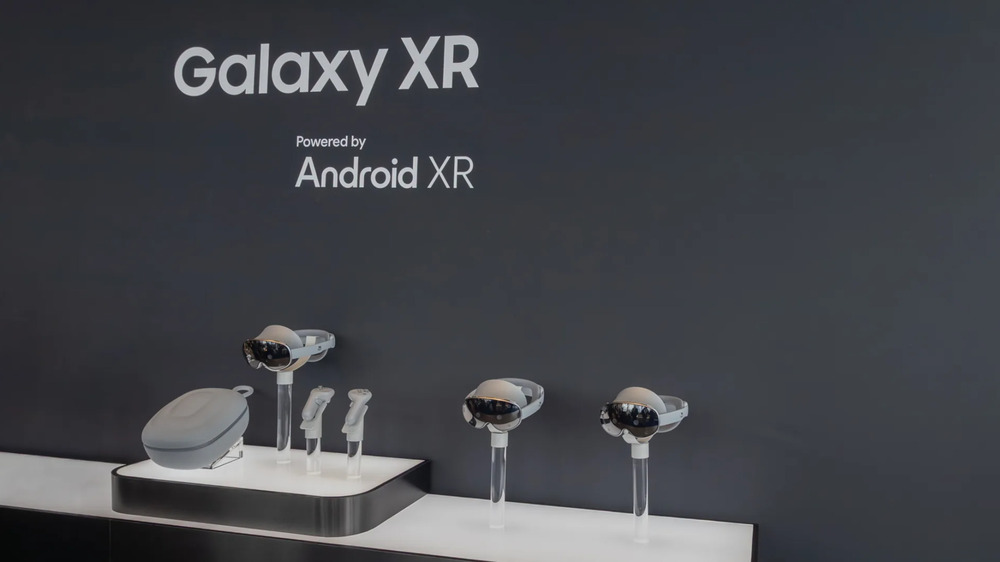
However, as is often the case in XR, technical specifications tell only half the story. The true value will be determined not by megapixels or gigabytes, but by how naturally the user experiences interaction. Can the Galaxy XR overcome the “demo effect,” where initial excitement quickly gives way to disappointment in everyday use? This is a question that only real-world practice can answer.
Another point of interest is the global rollout. Following the Apple Vision Pro experience, which remained an exclusive to the U.S. market for an extended period, users in Europe, including Ukraine, hope that Samsung will avoid the same limitation. Broad availability from the first weeks could be key to building a critical user base and give Android XR a genuine chance to compete in a space that has long been experimental.
The Galaxy XR is not just another headset; it may represent the first systemic step toward a real spatial computing future, where openness, artificial intelligence, and thoughtful ergonomics combine to create a new level of user experience.
Read also:
- Cryptography: What It Is and How It Works
- AI in Medicine: Is the Future Already Here?
- “Superintelligence” – Breakthrough or Marketing Hype? An Analysis

