
© ROOT-NATION.com - Use of content is permitted with a backlink.
From time to time, I take a look at what’s new in the budget smartphone segment. Today’s focus is on one such device – the Cubot Note 60.
Finding the right balance between price and performance remains one of the toughest challenges in this market. In this category, every component – from the processor to the camera quality – reflects a compromise between production cost and user expectations. Major brands, benefiting from economies of scale, can maintain a certain standard without significantly raising prices. Smaller manufacturers, however, have to take a more targeted approach, optimizing expenses within limited resources.
Against this backdrop, Cubot takes an interesting path. Instead of simply imitating competitors, the company focuses on practicality and balanced specifications. Its new Cubot Note 60 aims to show that even in the lower price range, it’s possible to create a smartphone without making critical sacrifices in quality.
The model stands out for its balanced combination of hardware capabilities, design, and software optimization. In this practical review, we’ll take a closer look at the Cubot Note 60. We’ll examine its technical specifications, performance in real-world scenarios, camera, and overall user experience to determine whether this smartphone can genuinely be considered a sensible choice in the budget segment.
Read also: Review of Rugged Tablet Cubot TAB KingKong Mini: Yes, You Can Dunk It and Throw It in the Mud
TABLE OF CONTENTS:
What’s interesting about the Cubot Note 60
When it comes to budget smartphones, potential users are often less concerned with compromises and more interested in features that make up for them. In this regard, the Cubot Note 60 offers several points worth noting.
The most noticeable is its 7.2-inch display, significantly larger than the average screen size in the budget segment. As a result, the device feels substantial and noticeably heavy in hand. This form factor can be seen as a continuation of the so-called “phablet” concept, which once blended characteristics of both smartphones and tablets. The Cubot Note 60 is aimed at users who prioritize maximum screen space for media consumption, reading, or document work.
Another notable feature is the large 7,000 mAh battery, which is uncommon even among mid-range devices. In practical use, it can last up to two days of active operation without recharging, making the device suitable for users who are frequently on the move or prefer not to charge their phone daily.
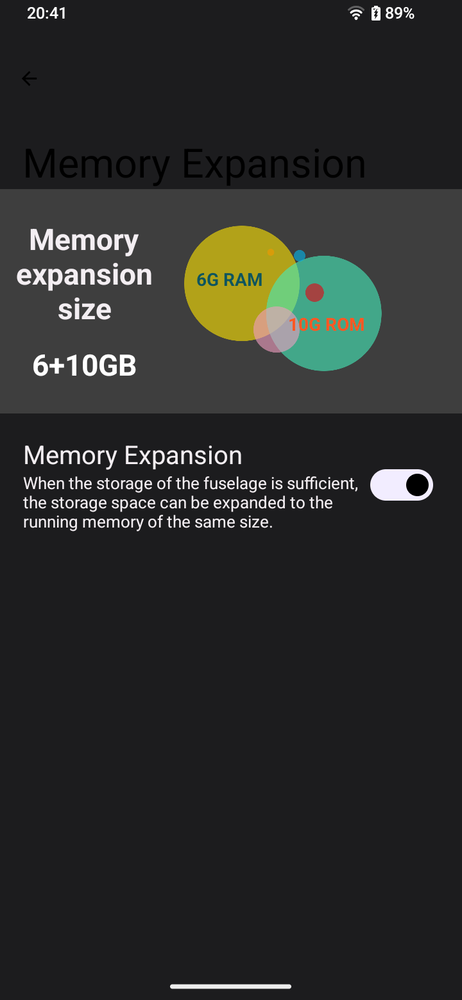
Inside, the device is powered by the Unisoc Tiger T615, an eight-core 12nm processor positioned as an energy-efficient entry-level solution. While it isn’t designed for demanding games or intensive multimedia tasks, it delivers stable performance in everyday scenarios such as social media, browsing, and messaging. The RAM reaches up to 16 GB (6 GB physical + 10 GB virtual), and storage is 128 GB, which is more than sufficient for a budget device. There is also support for microSD cards up to 1 TB.
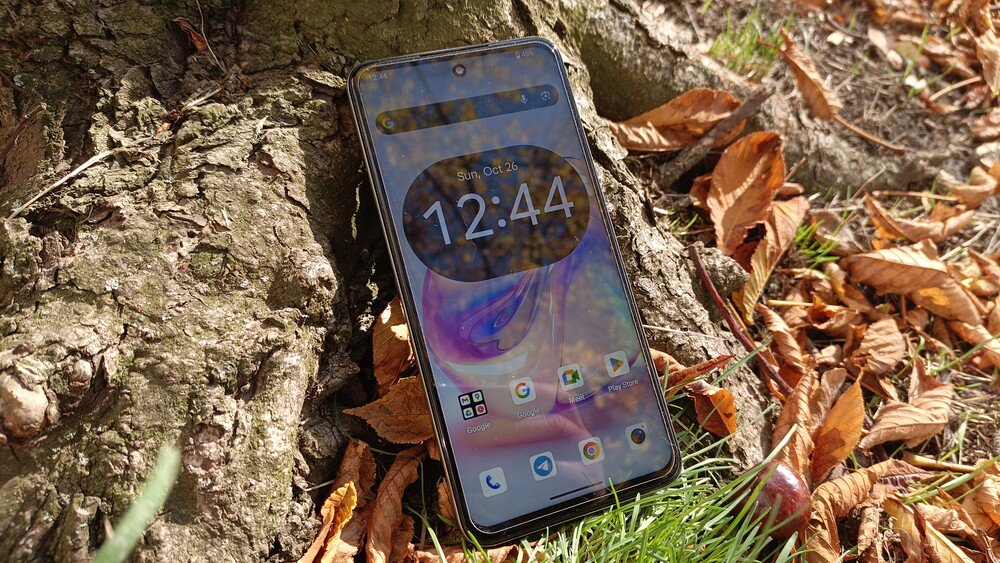
The 7.2-inch HD+ display with a 120 Hz refresh rate is another unexpected feature at this level. Scrolling feels smooth, and touch responsiveness is satisfactory, although the resolution could be higher. Still, for typical users, the display is adequate for daily tasks.
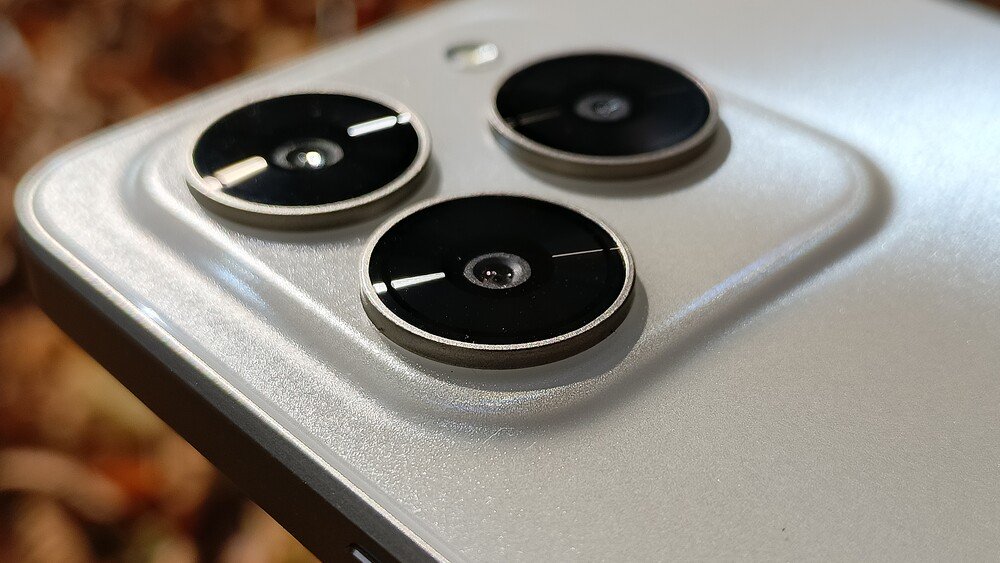
The Cubot Note 60 is equipped with a 48-megapixel main camera, complemented by a 5-megapixel wide-angle lens and a 2-megapixel macro sensor. For the under-$150 segment, this is a typical but well-balanced setup. The 16-megapixel front camera delivers acceptable quality for selfies and video calls.
Notably, the device includes an NFC module, which remains uncommon in budget models. There is no fingerprint scanner, but the phone supports Face ID, which is a reasonable alternative for a device in this price range.
The smartphone comes with Android 15 out of the box, without heavy custom skins, which contributes to smoother performance. It supports dual SIM cards, all global 4G bands, and navigation systems including GPS, GLONASS, Galileo, and BEIDOU, along with dual-band Wi-Fi, making the device versatile in terms of connectivity.
The official price of the Cubot Note 60 has not yet been announced. However, based on the brand’s previous pricing strategy, it is expected to be positioned aggressively, around $120. If the stated specifications hold up in practice, this smartphone could become one of the more noteworthy options in the budget segment for 2025.
Read also: Cubot KingKong ES 3 Review: Rugged, Protected, Budget-Friendly
Cubot Note 60 Specifications
- Processor: Unisoc Tiger T615, 8 cores (2×Cortex-A75 1.8 GHz + 6×Cortex-A55 1.6 GHz), maximum clock speed 1.6 GHz, 12-nanometer process technology
- Graphics chip: Mali-G57 MP1
- RAM: 6 GB, LPDDR4X type, expandable up to 10 GB
- Storage: 128 GB, UFS 2.1 type
- Display: IPS, 7.2 inches, 720×1560 pixels, pixel density 239 ppi, refresh rate 120 Hz, aspect ratio 20:9, screen-to-body ratio 82%
- Main camera: 48-megapixel main module, PDAF, 5-megapixel wide-angle sensor, 2-megapixel macro lens, LED flash, photo resolution 8064×6144 pixels (48 megapixels) and 4032×3072 pixels (default 12 megapixels), video resolution 1920×1080 pixels at 30 frames per second
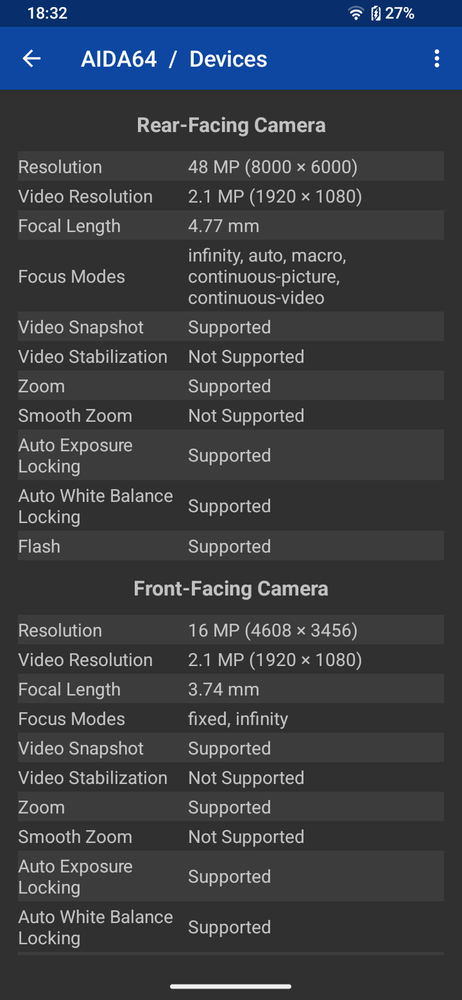
- Front camera: 16 MP, photo resolution 2448×3264 pixels, video recording resolution 1280×720 pixels at 30 frames per second
- Battery: non-removable lithium-ion (Li-ion) battery with a capacity of 7000 mAh
- Operating system: Android 15
- Communication standards: 2G, 3G, 4G (VoLTE)
- Wireless technologies: Wi-Fi 5 (802.11 a/b/g/n/ac, dual-band), Bluetooth 5.0 (A2DP, LE), NFC
- Geolocation: A-GPS, GPS, GLONASS, Galileo, BEIDOU
- SIM card slot: 2×Nano-SIM
- Memory card support: microSD up to 1 TB
- Sensors and meters: Face ID, accelerometer/gyroscope, magnetometer (digital compass), light sensor, proximity sensor
- Protection: IP65
- Dimensions: 177.4×84.3×9.8 mm
- Weight: 233 g
- Package contents: smartphone, charger, USB A-USB Type-C cable, case, protective glass, ejector (paper clip) for removing SIM cards
Package contents
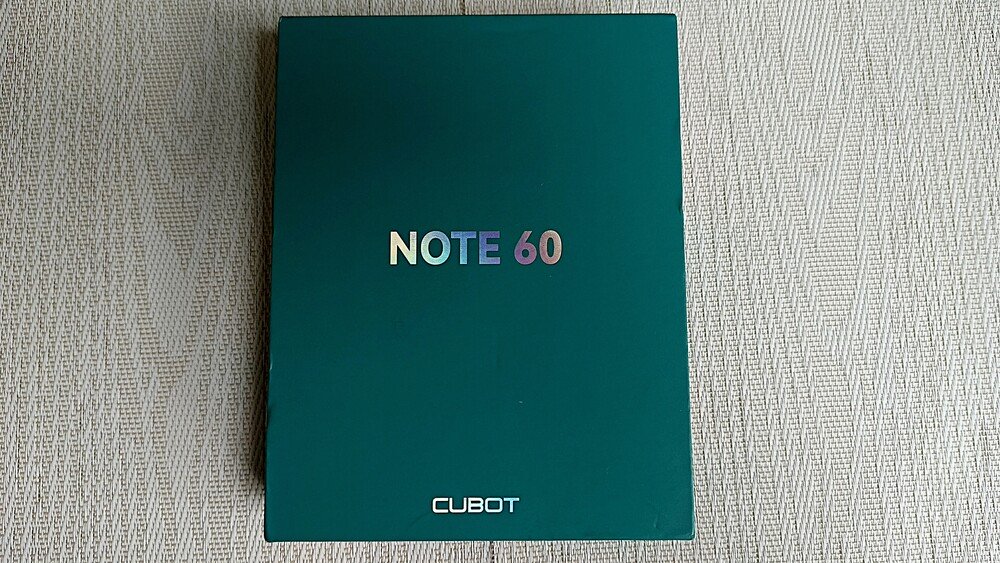
The Cubot Note 60 comes in a branded turquoise box – both recognizable and understated. The packaging is relatively large, giving the impression that the contents are more substantial than just another budget device. Overall, the presentation is reasonably appealing.
Inside, the smartphone is neatly packaged, reflecting the manufacturer’s attention to detail. The box includes a charger with a separate USB-C cable, a protective glass screen cover that is recommended for immediate use, and a transparent silicone case. The standard set of paper documentation and a SIM tray ejector tool are also included.
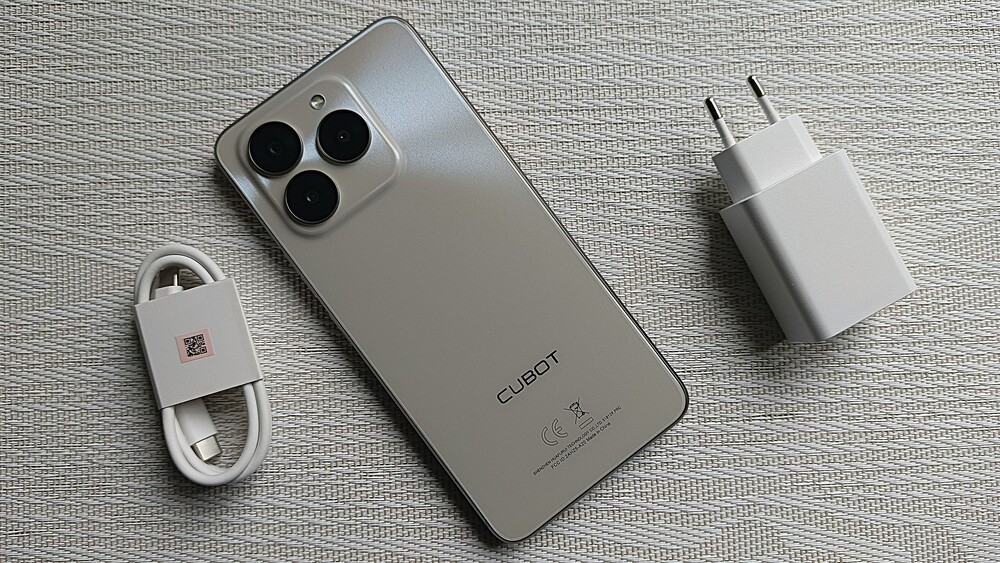
Frankly, the included accessories are pleasantly surprising. For a budget smartphone, the package feels quite generous – especially considering that some well-known brands have long removed even the charger, citing “environmental concerns.” Cubot, in this case, appears to prioritize the user’s convenience.
Read alsо: Cubot KingKong 11 Review: Rugged Smartphone with Dual Displays
Design, ergonomics
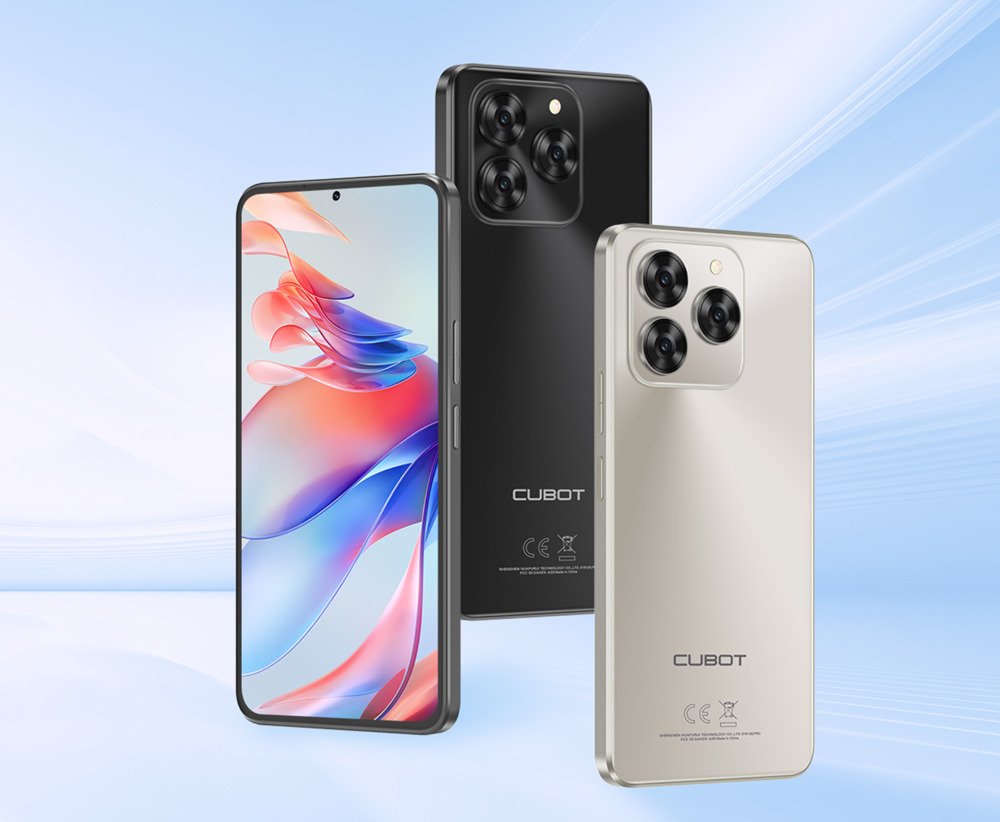
The first thing that stands out about the Cubot Note 60 is its appearance. Cubot placed emphasis on design, and it pays off. Visually, the smartphone gives the impression of a device that is considerably more expensive than it actually is.
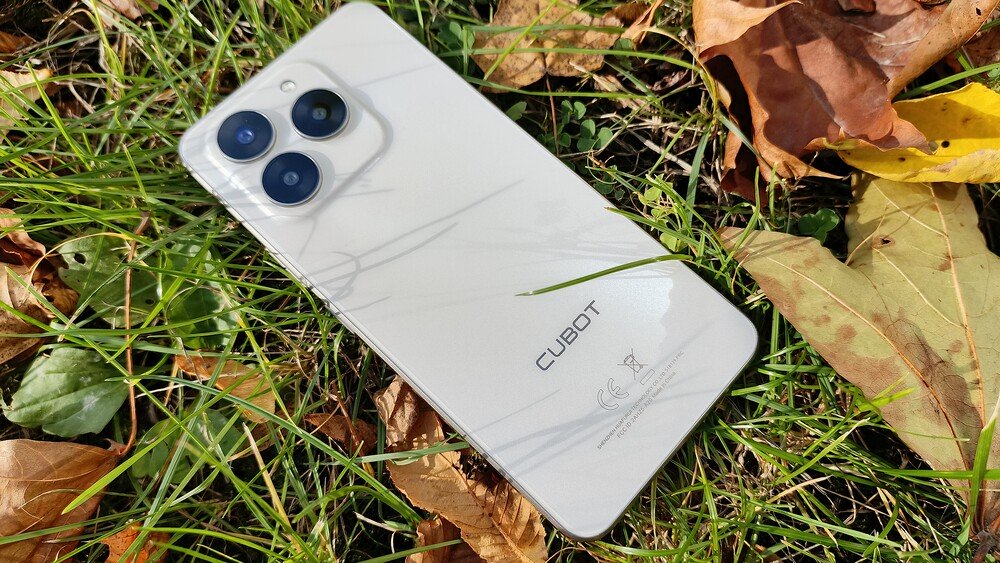
Compared to models priced three to four times higher, it doesn’t look out of place. This is already an achievement for a brand operating in the “under $150” segment. It’s not surprising that many observers note a resemblance to the iPhone 15 Pro – Chinese manufacturers have long refined the replication of Apple’s design elements to a high level of precision.
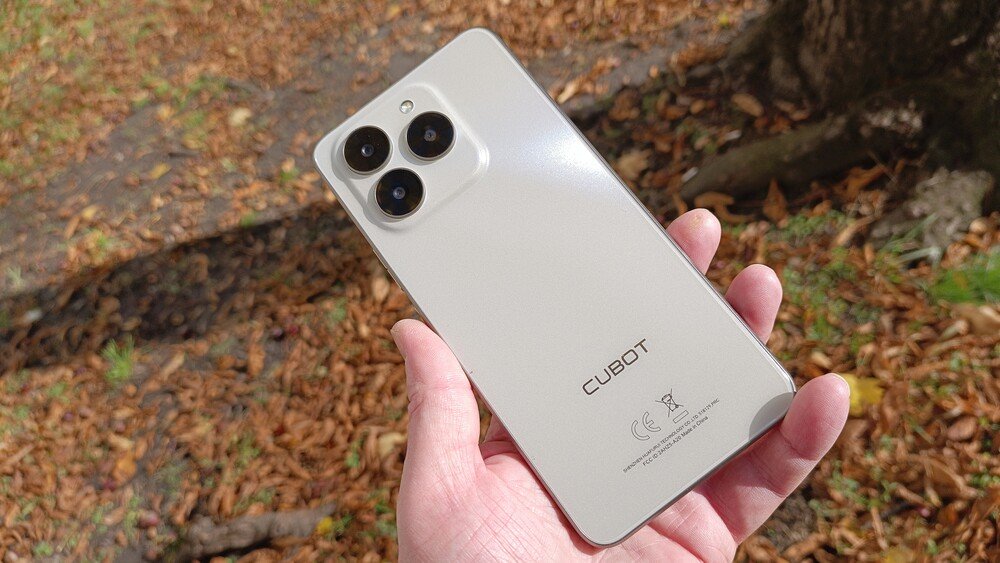
However, the Cubot Note 60 does not come across as a soulless copy. On the contrary, its overall aesthetic feels fresh and balanced. The smartphone features a contemporary flat-edge design, a style that now dominates even among flagship devices. The front panel is glass, while the frame and back are plastic, yet the material quality does not feel cheap. Everything is well-fitted, with no creaks or looseness, giving a genuine sense of solidity.
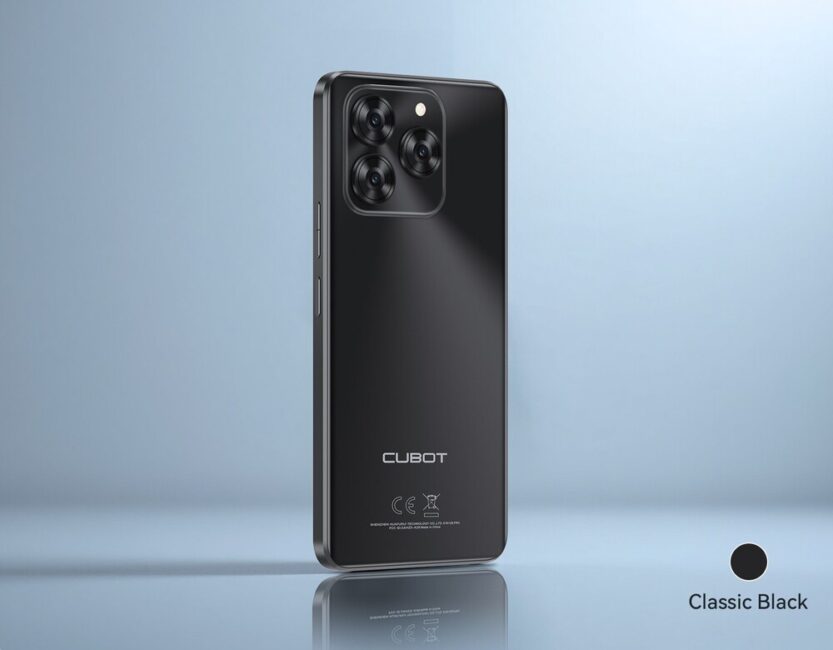
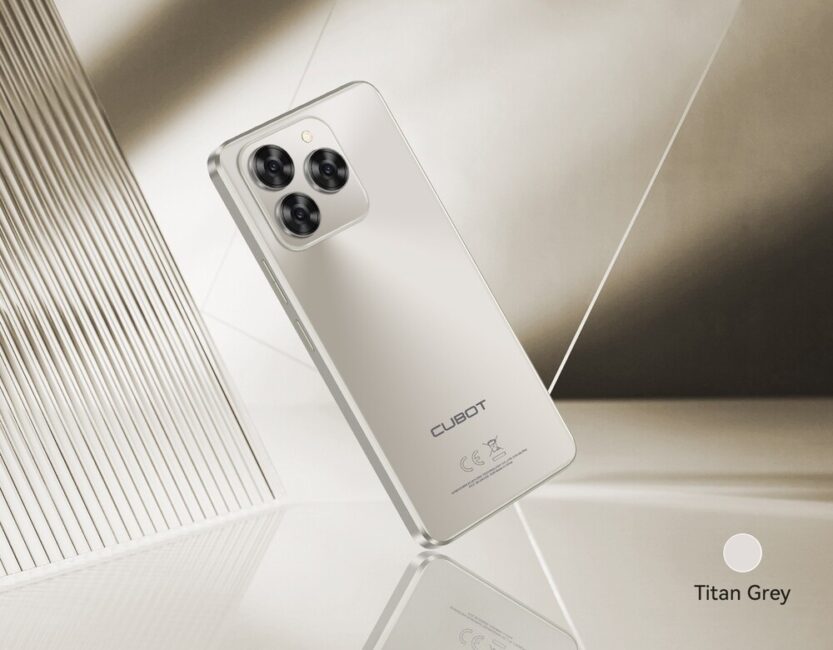
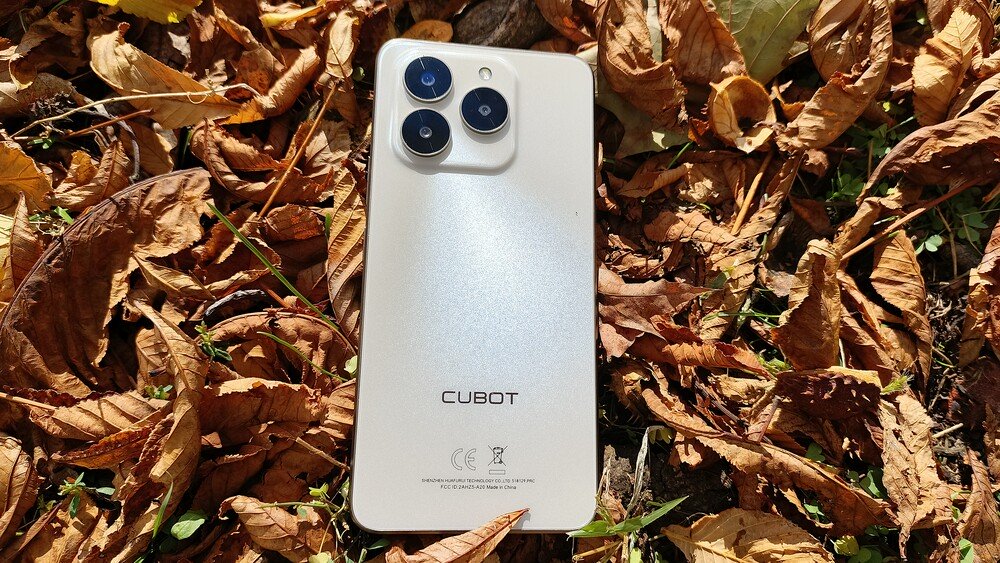
The device is available in two colors – classic black and titanium gray. The latter, in particular, stands out: the plastic finish visually mimics glass, creating a premium-looking effect.
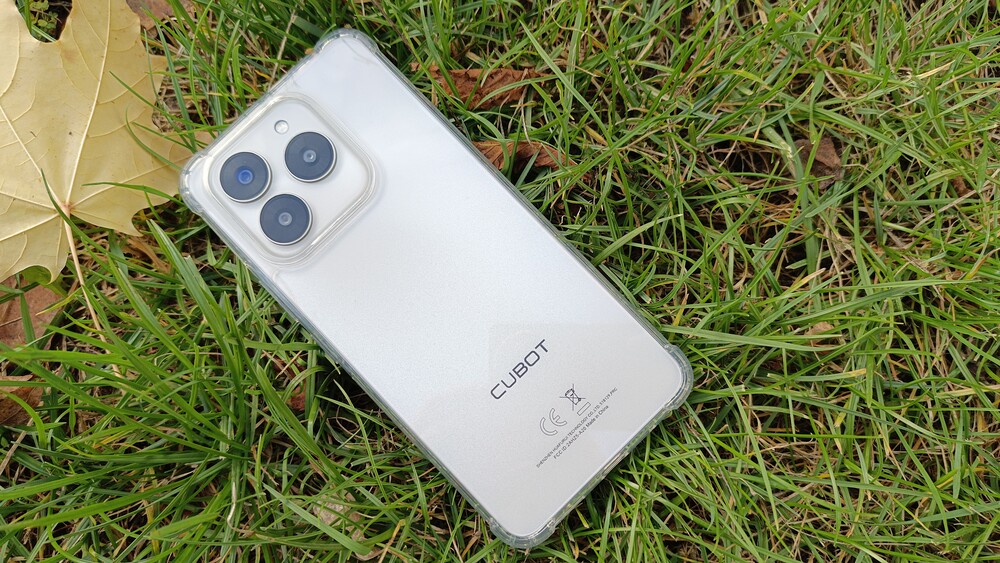
However, it’s important to note that the glossy surface quickly attracts fingerprints and minor scratches, making the included silicone case not just an accessory but a practical necessity.
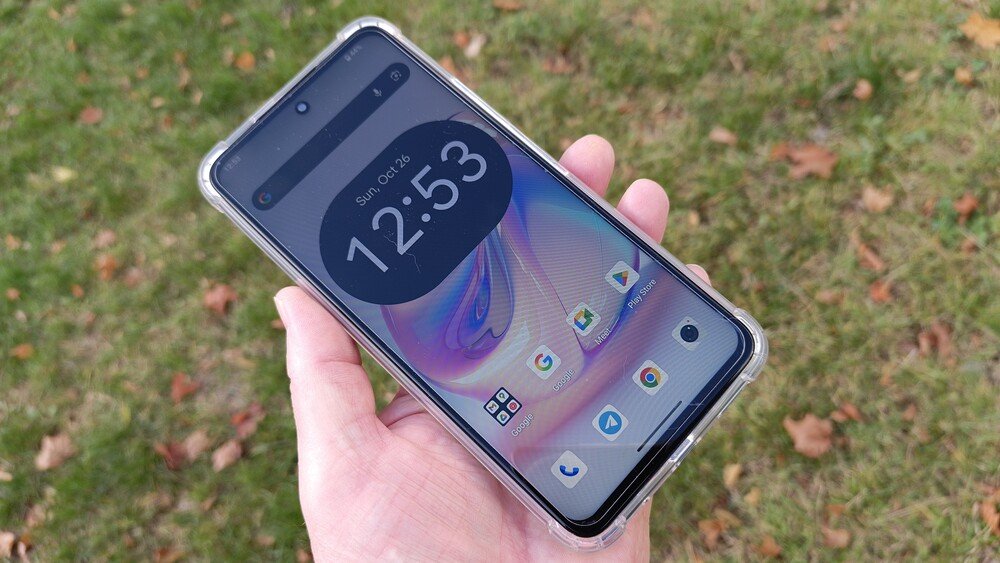
The smartphone’s dimensions (177.4 × 84.3 × 9.8 mm, 268 g) make it clear that the Cubot Note 60 is not a device that easily disappears in a pocket. The manufacturer sacrificed compactness in favor of a large 7,000 mAh battery. While this adds weight, the distribution is well-balanced, so the phone does not feel overly heavy in hand. That said, users with smaller hands may find one-handed operation challenging, particularly when typing or taking photos.
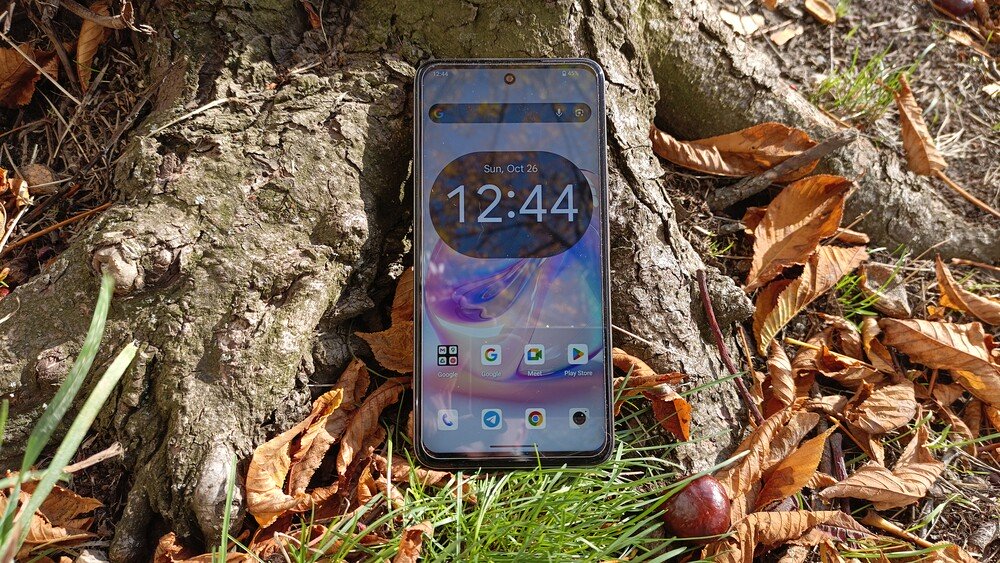
The front panel appears substantial even for a 7.2-inch display. The bezels remain noticeable, immediately signaling the device’s budget positioning. It’s notable that the front camera is no longer housed in a teardrop-shaped cutout, as seen in previous models – Cubot seems to have made some thoughtful adjustments.
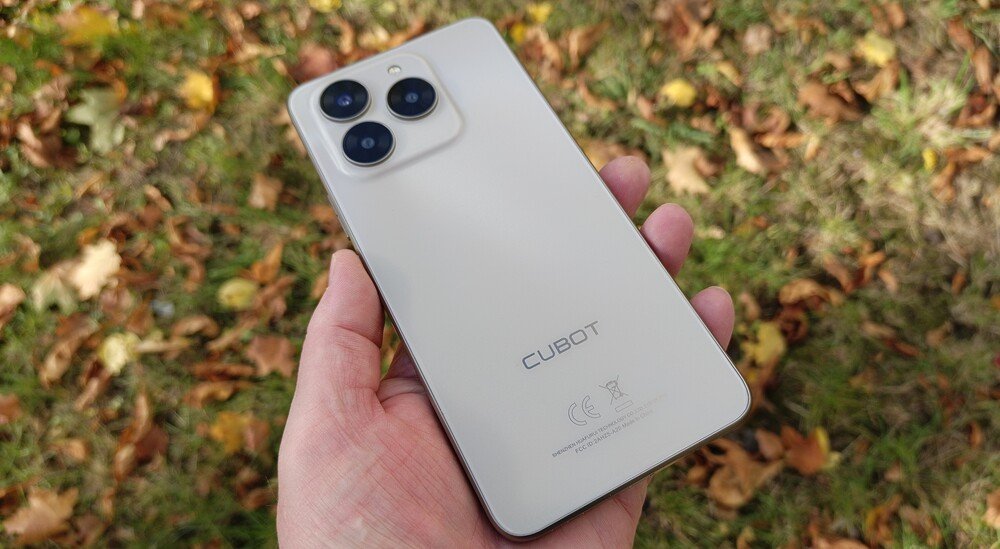
Ergonomics on the Cubot Note 60 are well-considered. The flat edges are slightly rounded where they meet the back panel, preventing the phone from digging into the hand. The matte frame feels pleasant to the touch and contributes to a sense of sturdiness.
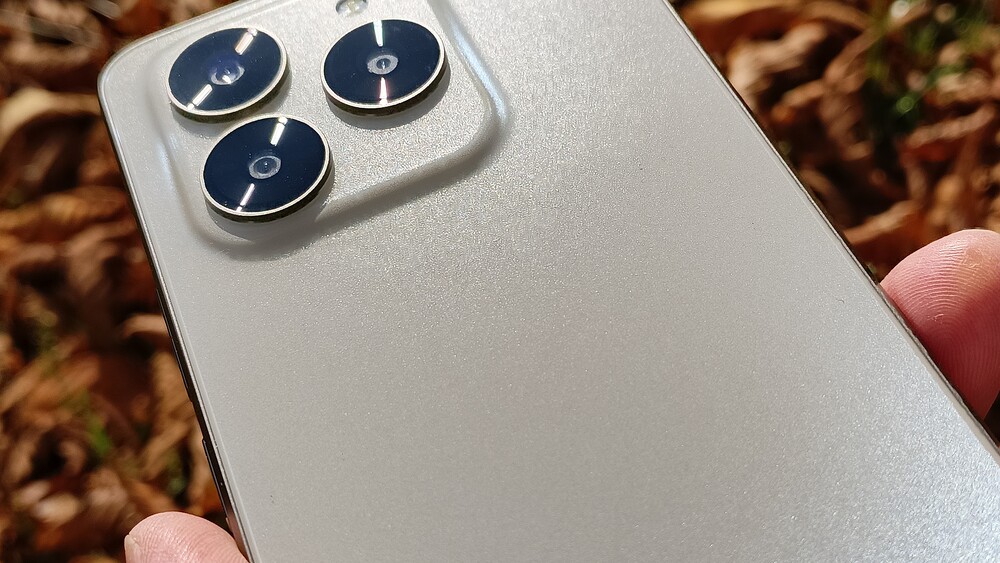
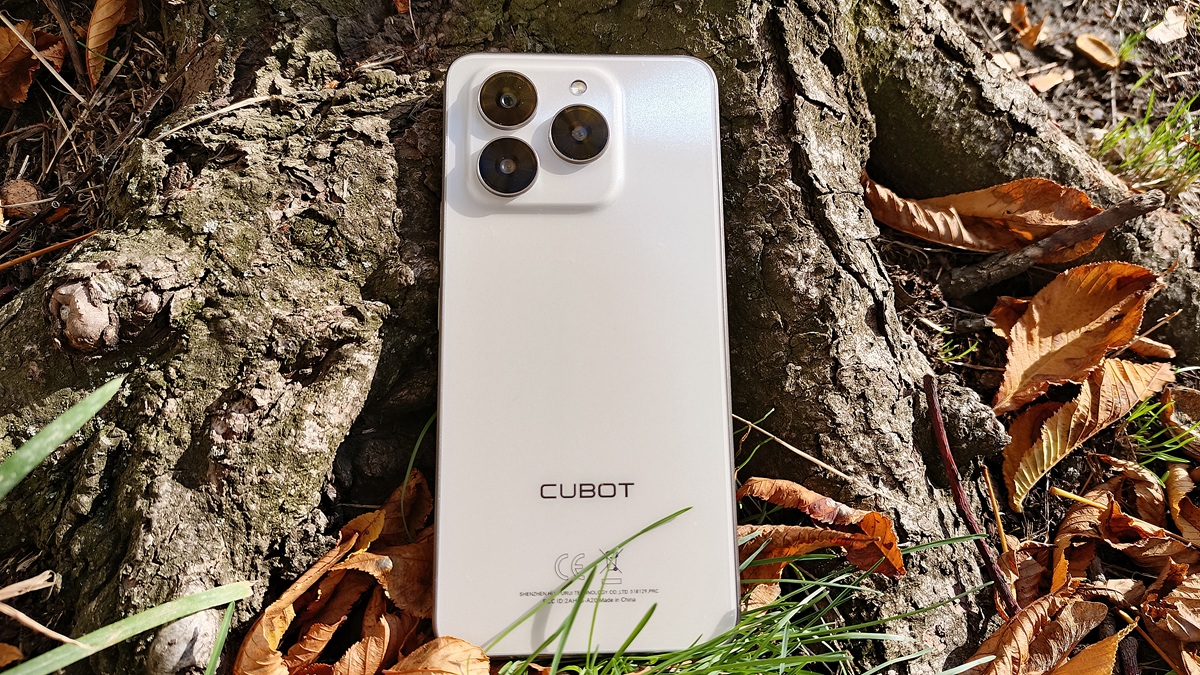
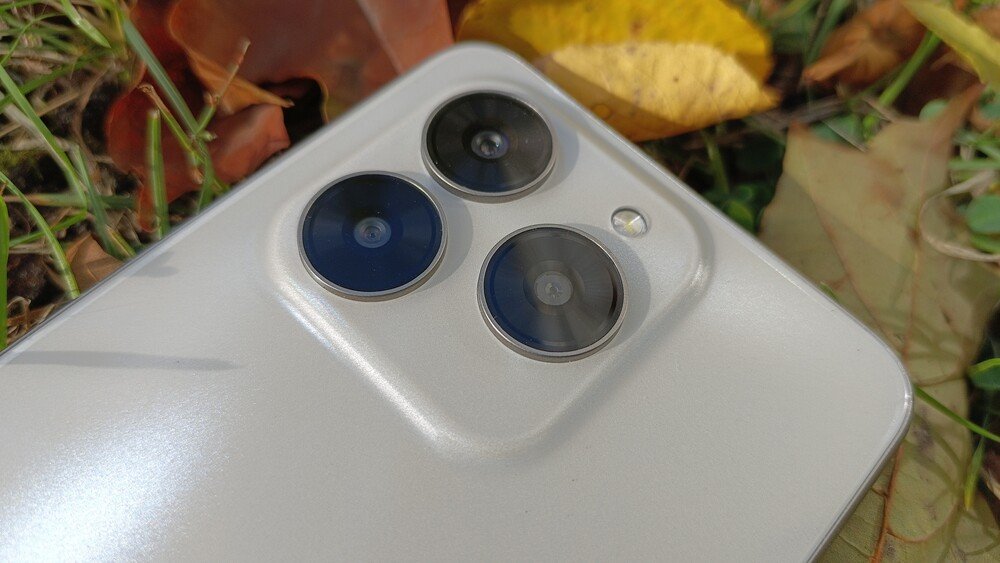
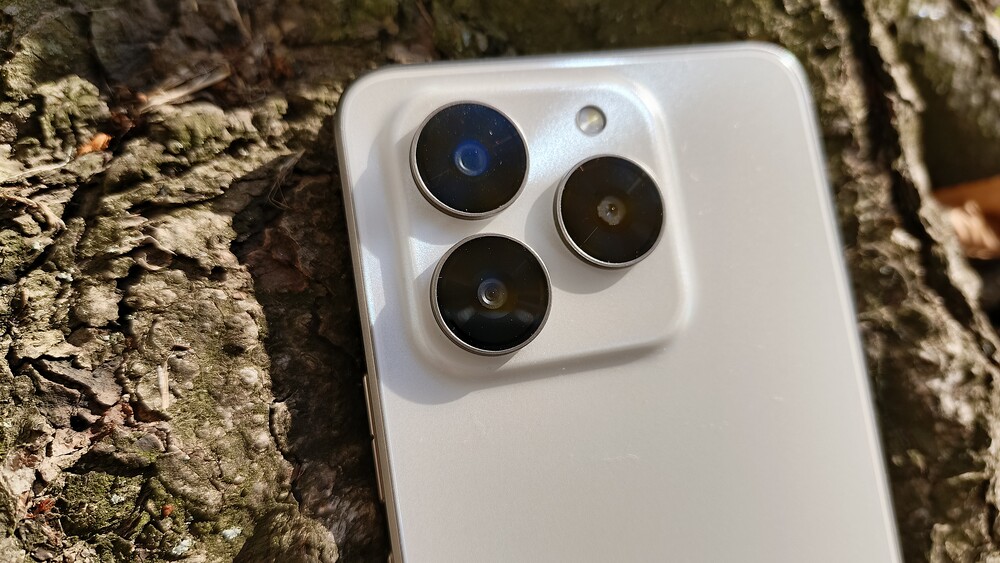
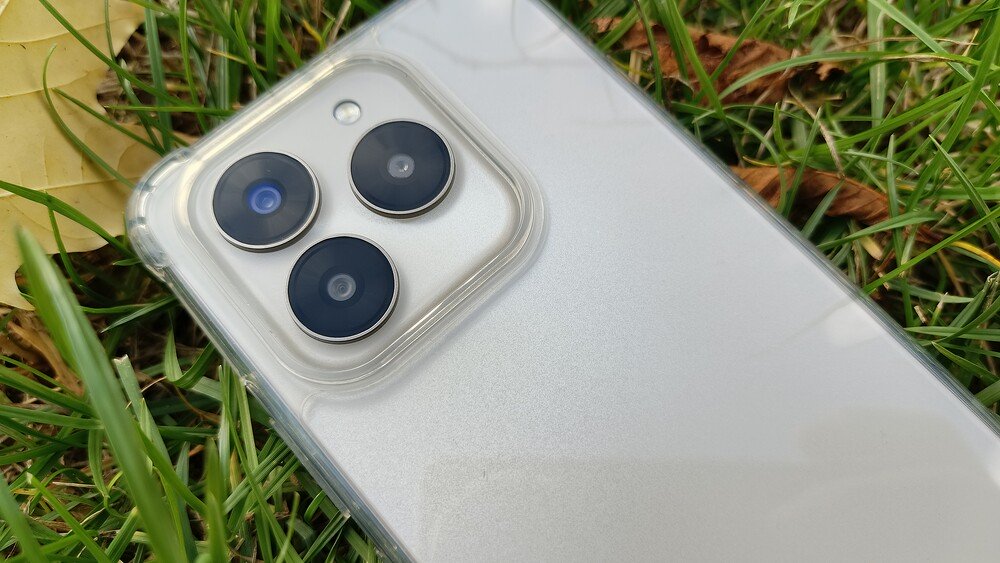
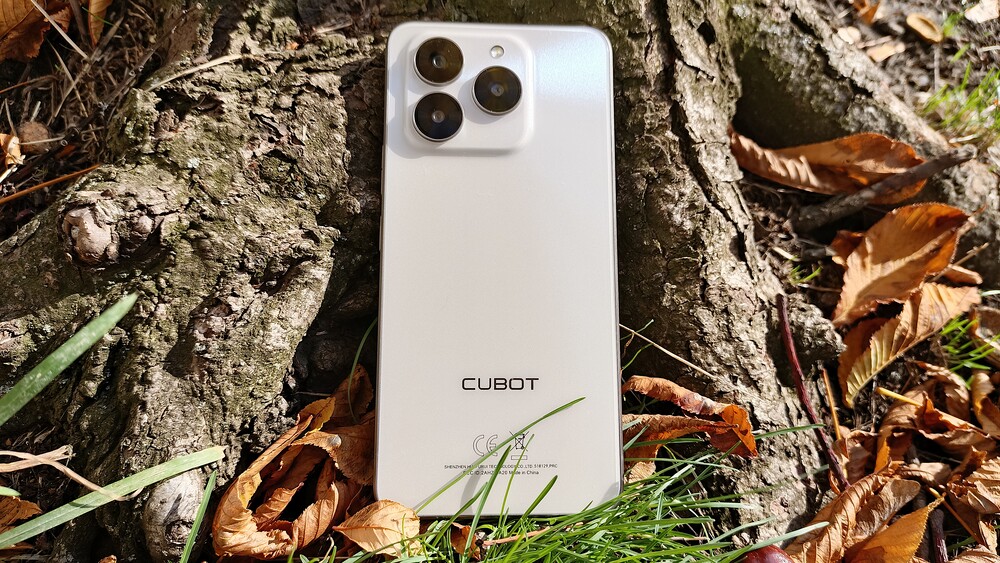
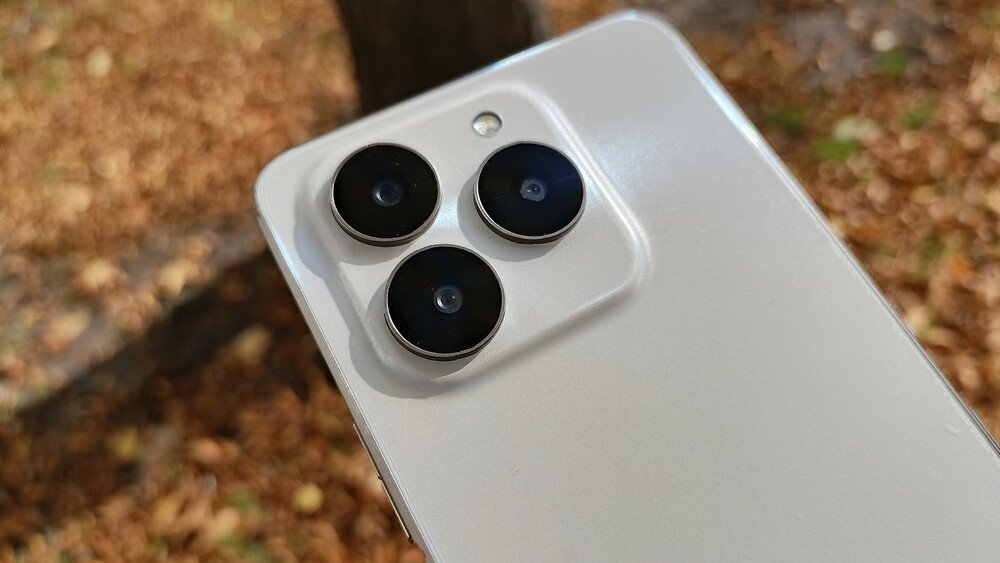
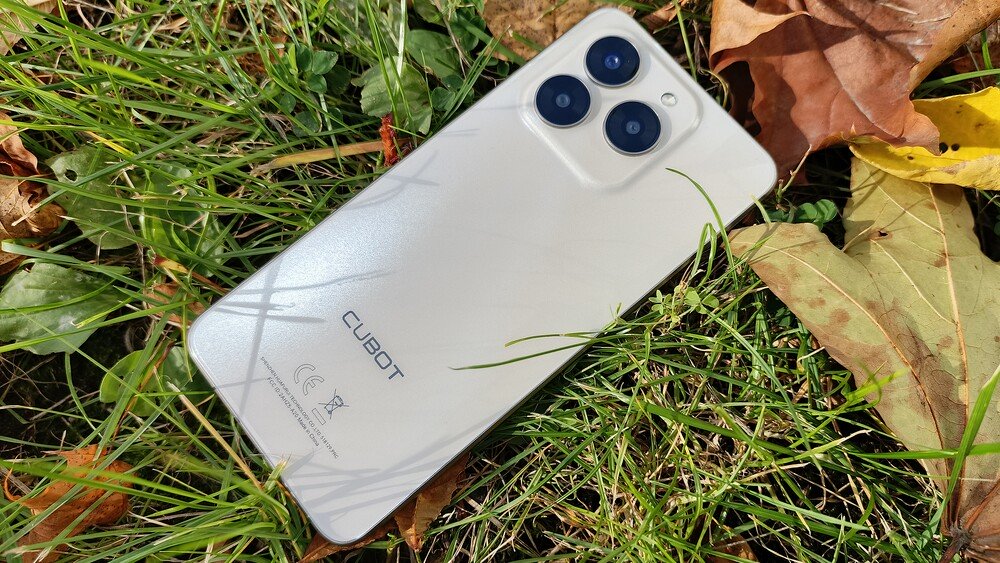
The back panel of the Cubot Note 60 is arguably one of the most appealing aspects of its design. While the material is standard plastic, it does not look cheap. Cubot has managed to create a glass-like illusion – the surface has a shine and depth typically found on higher-end models.
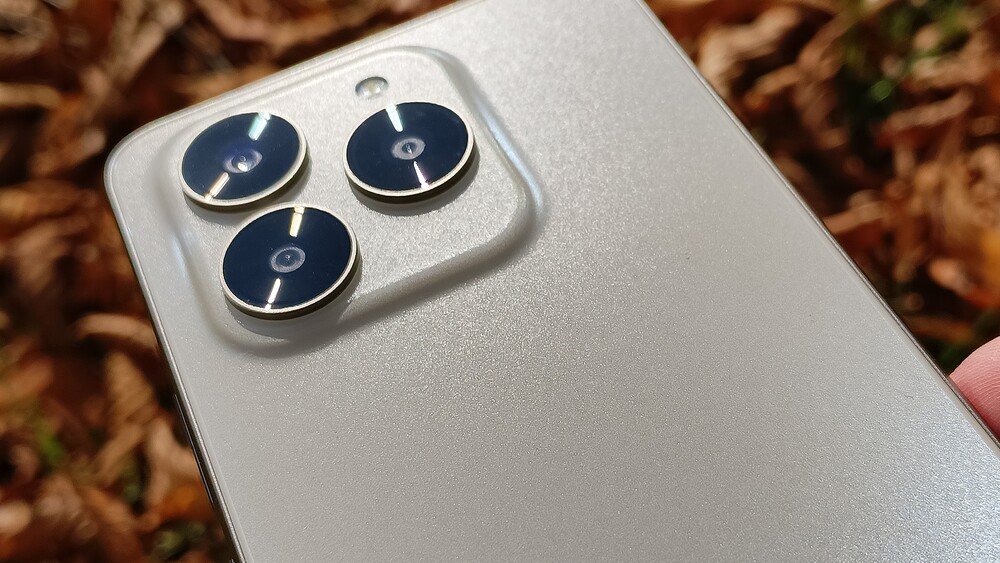
The layout of the elements is thoughtful and tidy. The camera island, housing three lenses and the flash, protrudes slightly from the body – though, honestly, even flagship devices like the iPhone do the same, so it’s not a major issue. The large lenses give the phone a sense of solidity, although some users might find them overly prominent – it’s a matter of personal preference.
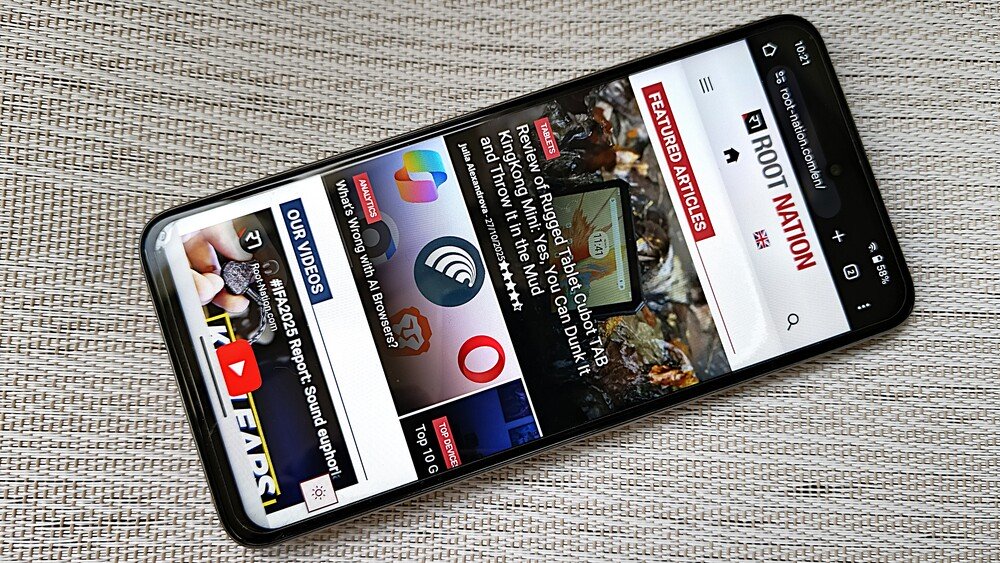
The visual balance is well maintained: the elements are evenly arranged, and everything appears symmetrical and harmonious.
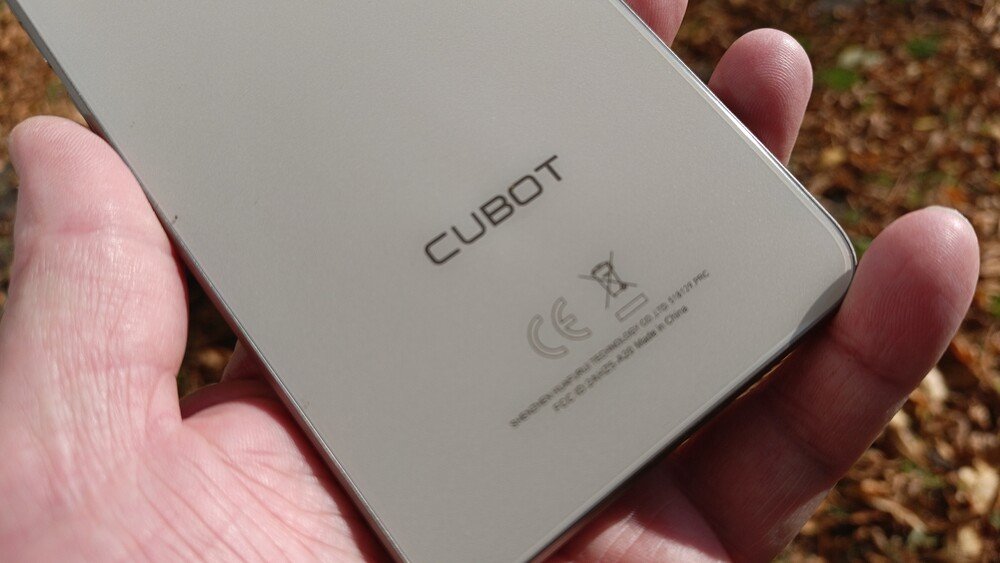
Cubot has also included its logo, placed discreetly without any excessive flair, so it doesn’t detract from the overall impression. Overall, the back panel looks significantly more premium than one would expect from a device at this price point, which is certainly a credit to Cubot’s design team.
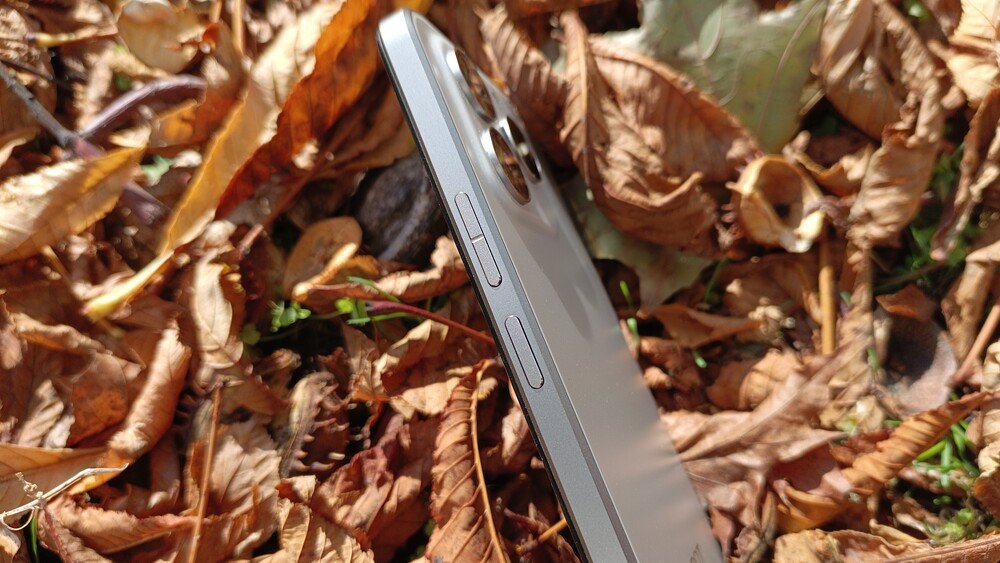
The button layout is conventional. On the right side, there is the power button and a separate volume rocker.
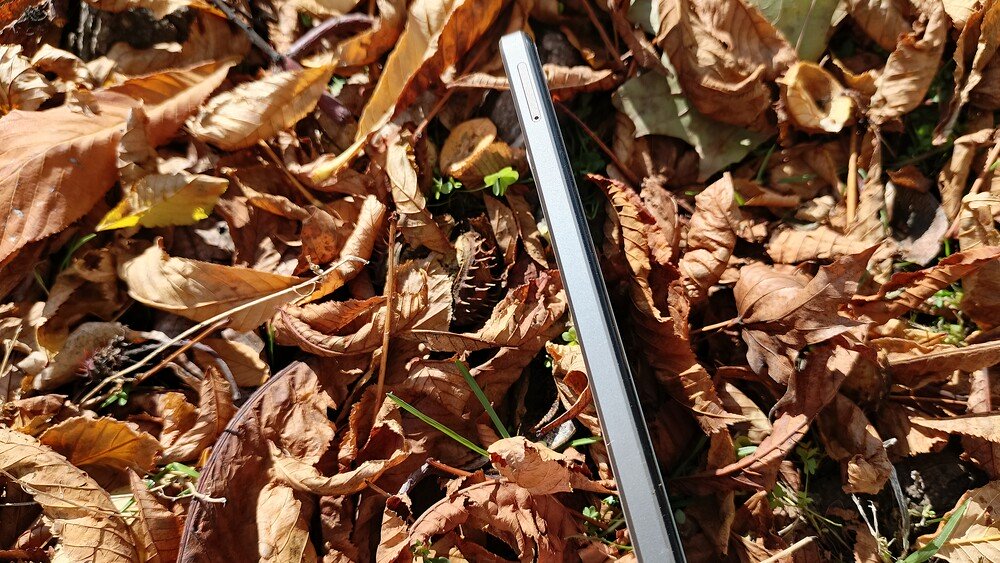
On the left, there is only a tray for two SIM cards.
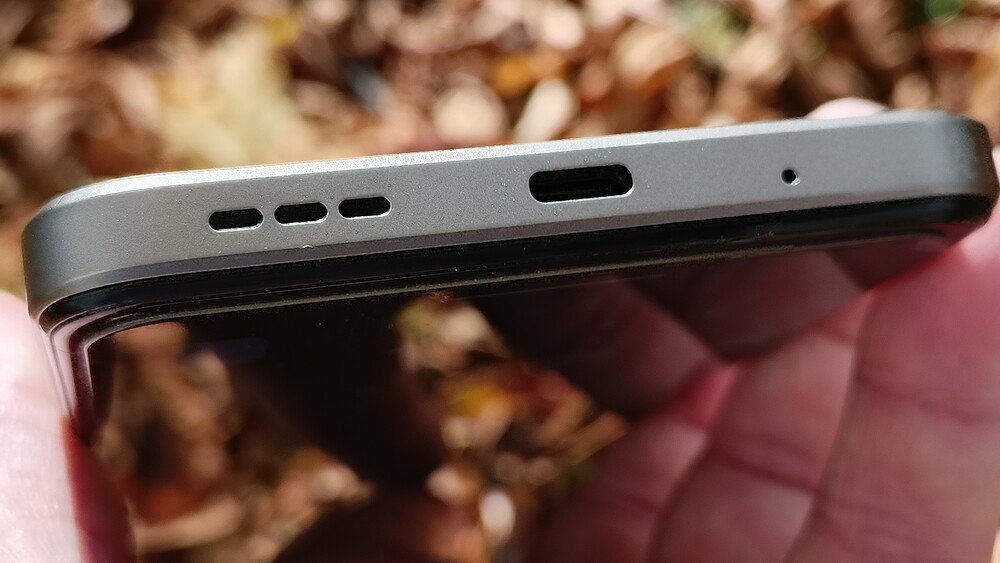
On the bottom edge, the designers placed a USB Type-C port for charging or connecting to a laptop, along with a microphone and a speaker.
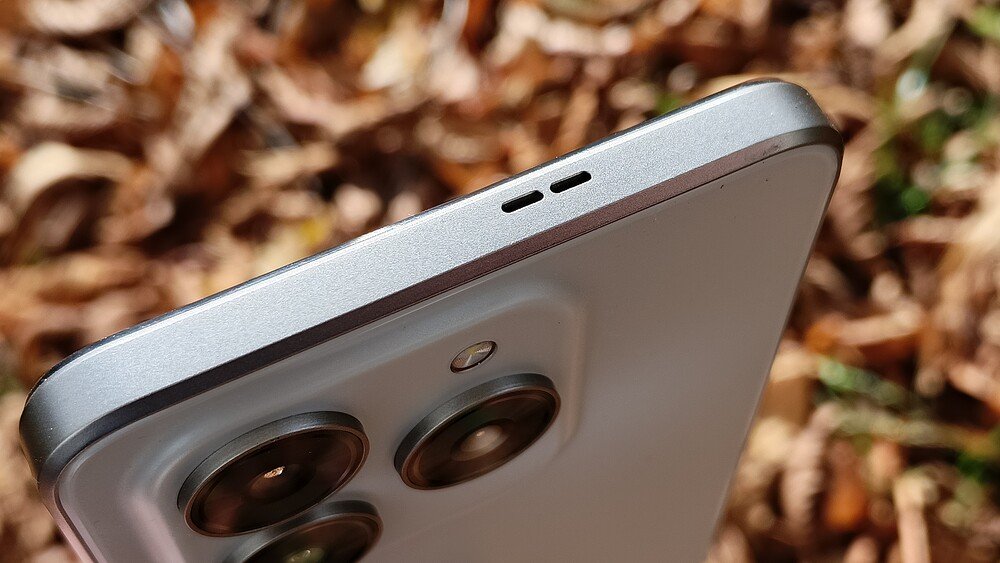
On the top edge, there is an additional opening for the earpiece speaker.
The absence of a fingerprint scanner can be seen as a drawback, especially considering that it has become standard even in this price segment. It appears the manufacturer chose to cut costs on this component, relying solely on face unlock.
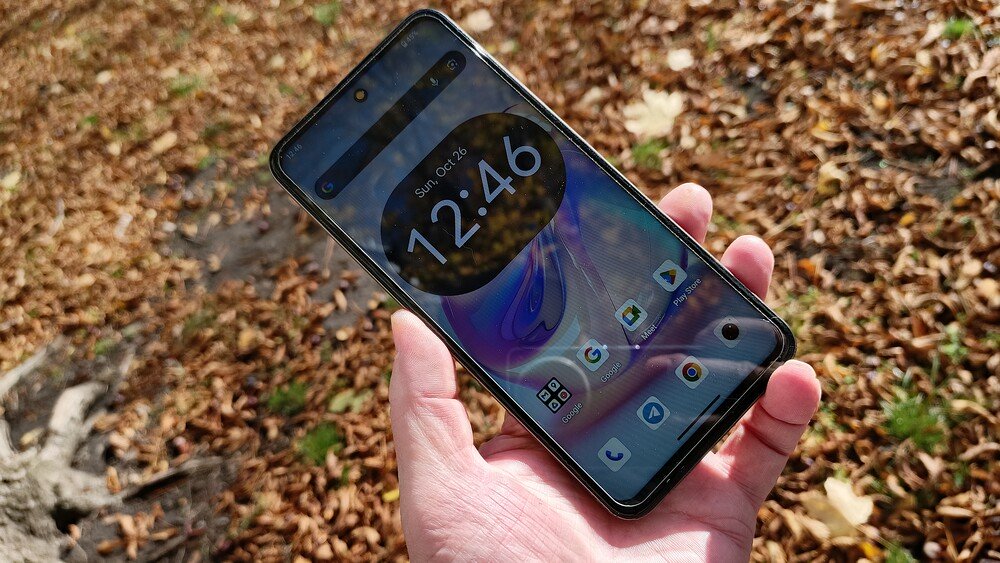
From a user experience perspective, the Cubot Note 60 makes a generally positive impression, though it is not without compromises. The smartphone looks modern, is well-assembled, features a recognizable design, and offers solid ergonomics. However, its size and weight may be challenging for users accustomed to more compact devices. Overall, Cubot has created a device that aims to exceed expectations for the budget segment, and visually, it succeeds.
Read also: Cubot A40 Review: Simple, Affordable Smartphone
Unlocking methods
The Cubot Note 60 offers several unlocking methods: pattern, PIN, password, and face recognition. That said, it’s unfortunate that the manufacturer chose to skip the most convenient and reliable option – a fingerprint scanner. Its absence is noticeable. By 2025, this feature is no longer optional; it has become a basic standard even for budget devices.
Personally, I used the PIN code – the reliable old method, though not the most convenient. Face recognition works, of course, but has its limitations. In daylight or well-lit environments, it responds quickly, even with slight movement. However, once lighting conditions worsen, the system struggles. In the dark, you’ll need to revert to manual code entry.
In other words, face unlock is more of a convenient bonus than a full-fledged biometric alternative. It adds some ease of use but doesn’t create a “next-generation smartphone” experience. In this area, it’s clear that Cubot opted to cut costs, and the compromise is noticeable.
Read also: CUBOT P90 Smartphone Review: Secondary Display, Stock Android, and 12GB RAM
Cubot Note 60 display
Another noticeable compromise is the large 7.2-inch IPS display with a resolution of 720 × 1560 pixels. On paper, this sounds promising, but in practice, the results are mixed. The screen size is impressive, yet the pixel density of 239 ppi limits sharpness. Text can appear somewhat soft in places, and small interface elements may look slightly blurred.
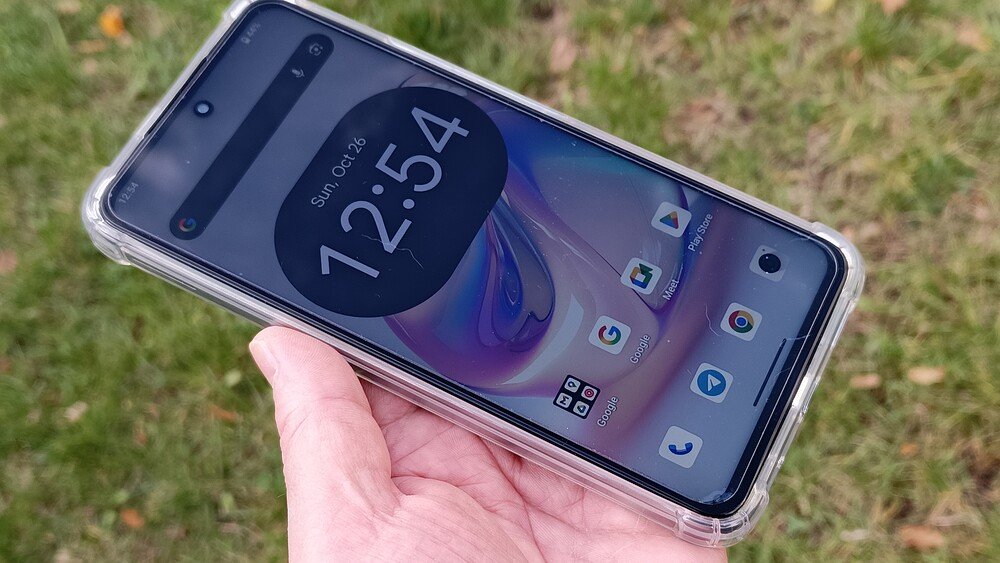
Interestingly, the display is advertised with a 120 Hz refresh rate. While this sounds ambitious, the default setting is only 60 Hz. Users can choose between 60 Hz, 90 Hz, or 120 Hz refresh rates in the settings.
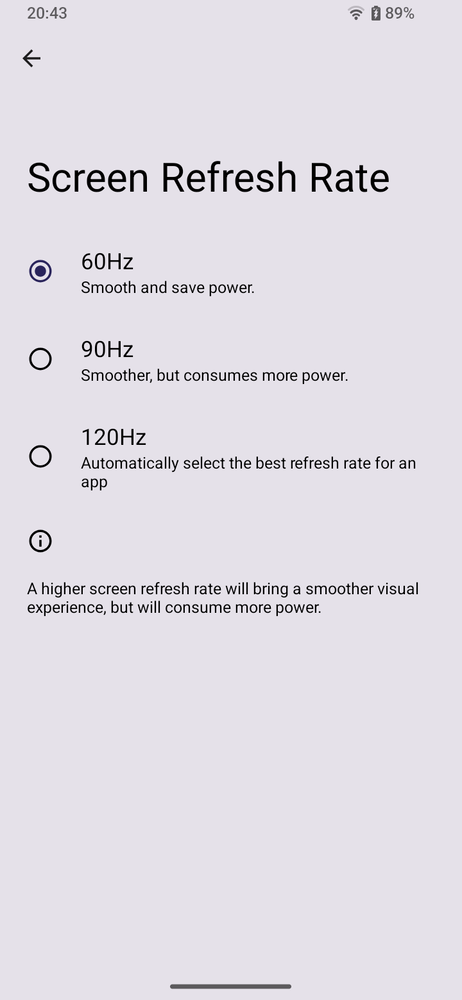
To see the difference, you need to manually go into the settings and switch the mode. This does increase power consumption, but the user experience improves noticeably – scrolling feels smoother, and touch responsiveness is more satisfying.
The touchscreen supports up to 10 simultaneous touches and operates accurately without phantom inputs. The screen responds quickly, with no noticeable lag. Overall, for a budget-class IPS panel, the performance is fairly good.
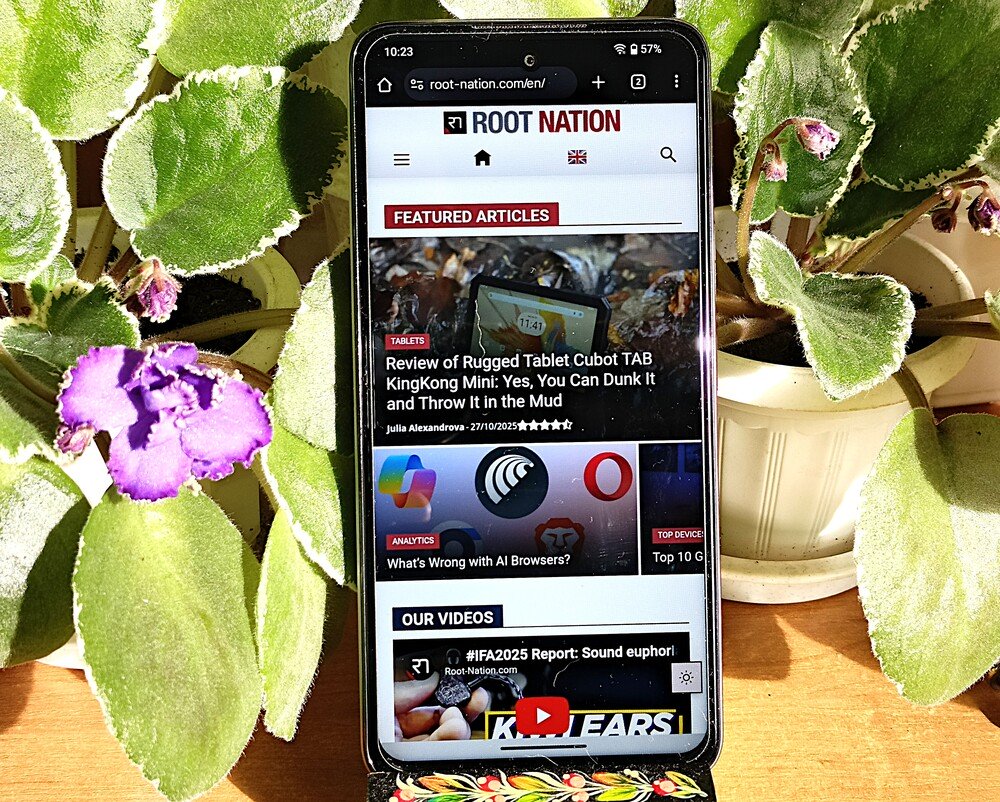
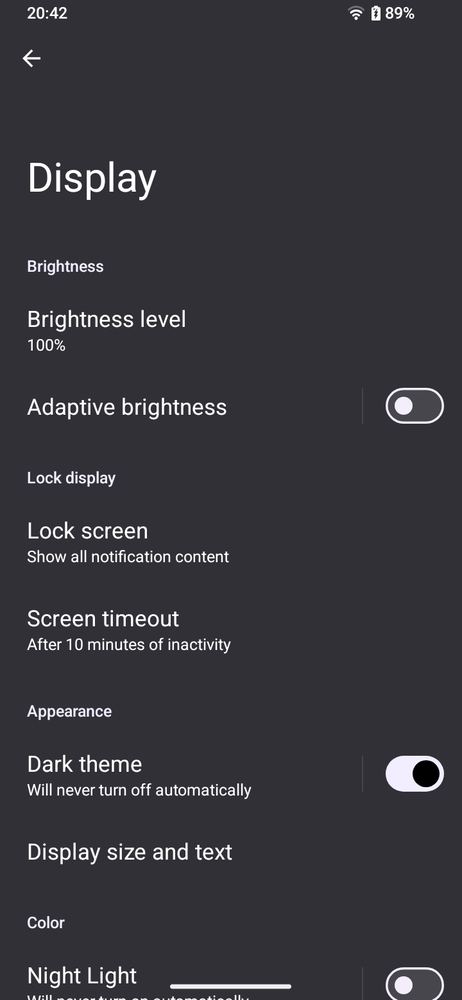
Brightness is another aspect that leaves mixed impressions. Indoors, everything is fine, but outdoors you’ll need to push the slider almost to the maximum. In my experience, the optimal brightness level for comfortable use starts around 85–90%. Anything lower makes the screen look too dim.
Color reproduction is pleasant, though not particularly vivid. Cubot clearly tried to strike a balance between natural tones and brightness – and did so quite successfully. Blacks, of course, aren’t as deep as on OLED displays, but for an IPS panel, they’re perfectly acceptable.
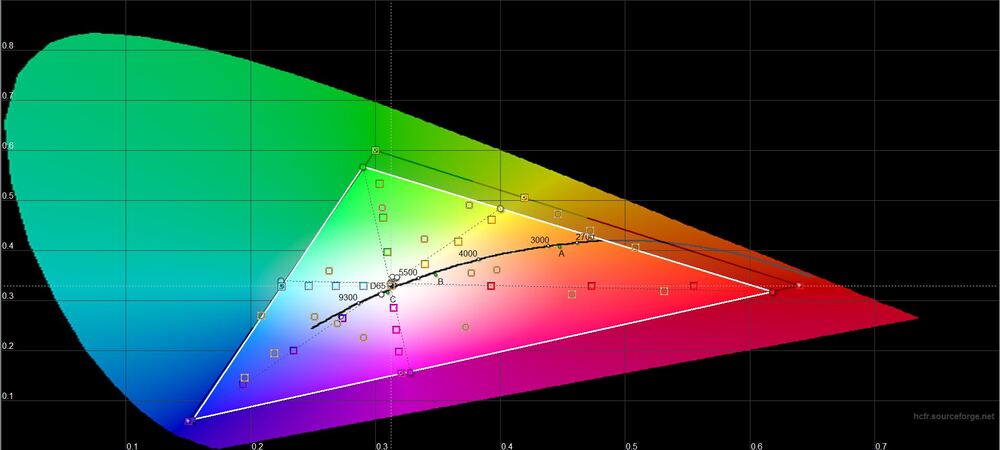
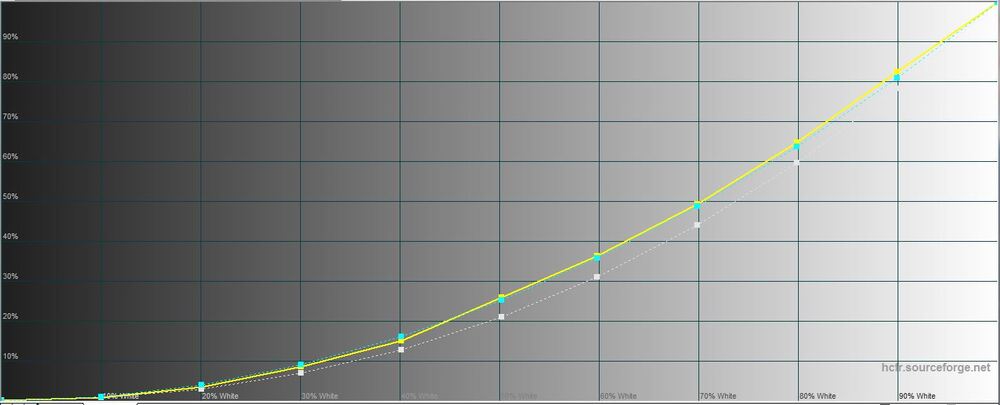
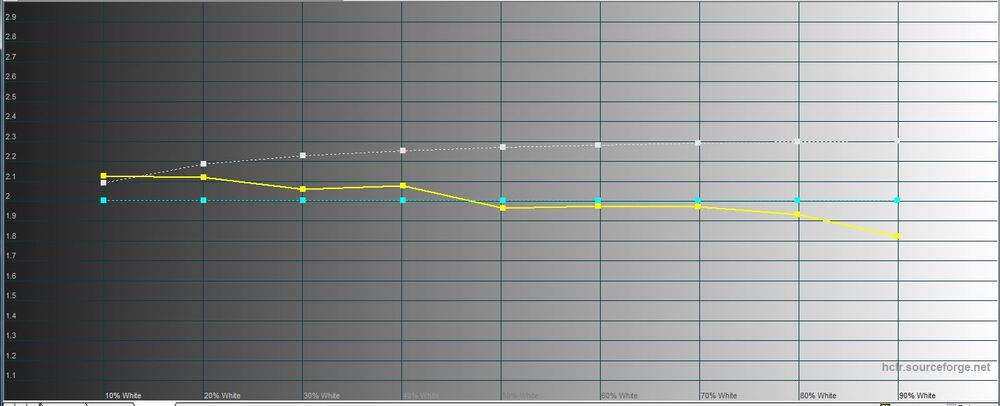
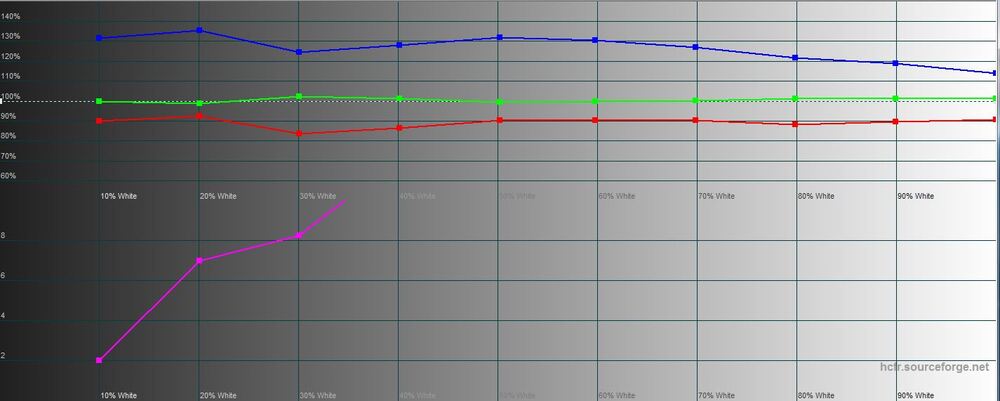
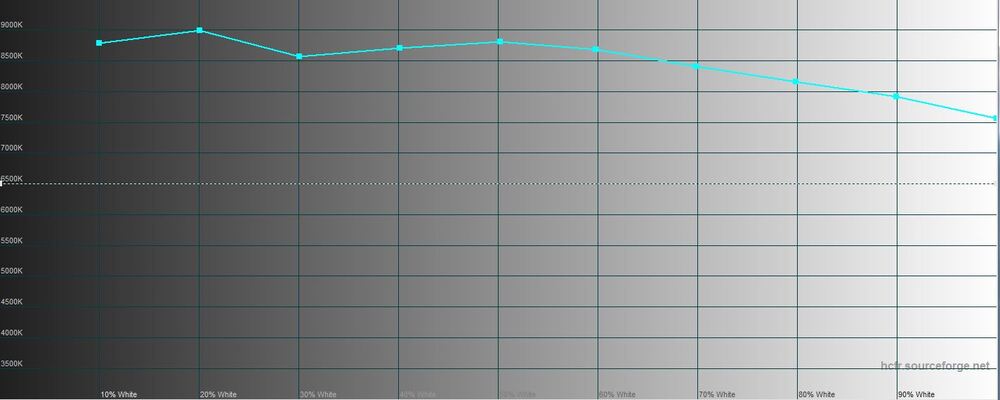
Measurements show that the screen delivers impressive brightness and contrast figures. The peak brightness reaches 521.2 cd/m², black level – 0.208 cd/m², and the static contrast ratio – 2506:1. At the same time, the display is fairly well-calibrated. There’s a slight shift toward cooler tones, but it’s minimal, and the color gamut coverage is close to the sRGB color space.
The settings menu offers a few useful options – you can adjust the contrast level or enable a video enhancement mode. However, to be fair, the difference between these modes is minimal – more cosmetic than truly functional.
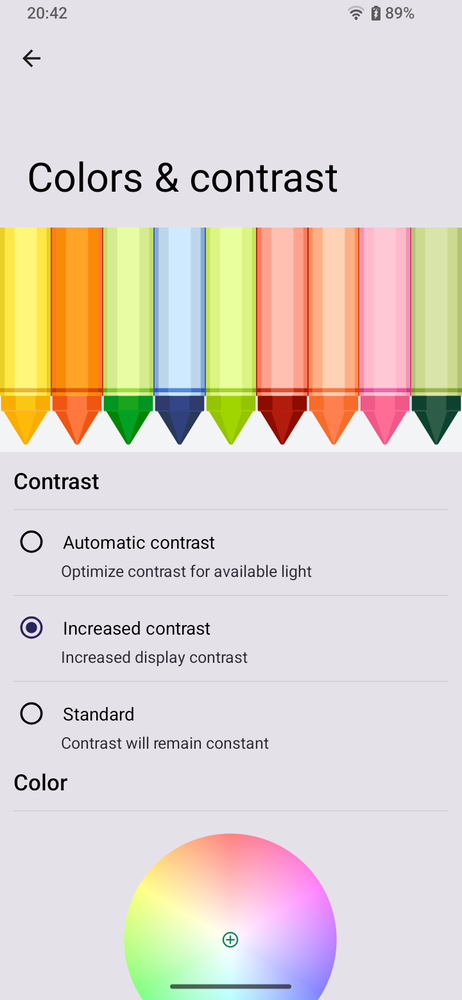
Speaking of everyday use, the display leaves a generally positive impression, though the low resolution definitely makes itself felt. Even the high refresh rate can’t fully compensate for it. Some might argue that it’s a reasonable compromise to save power and reduce processor load – perhaps. But in 2025, HD+ on a 7.2-inch screen no longer feels like a compromise, but rather an outdated solution.
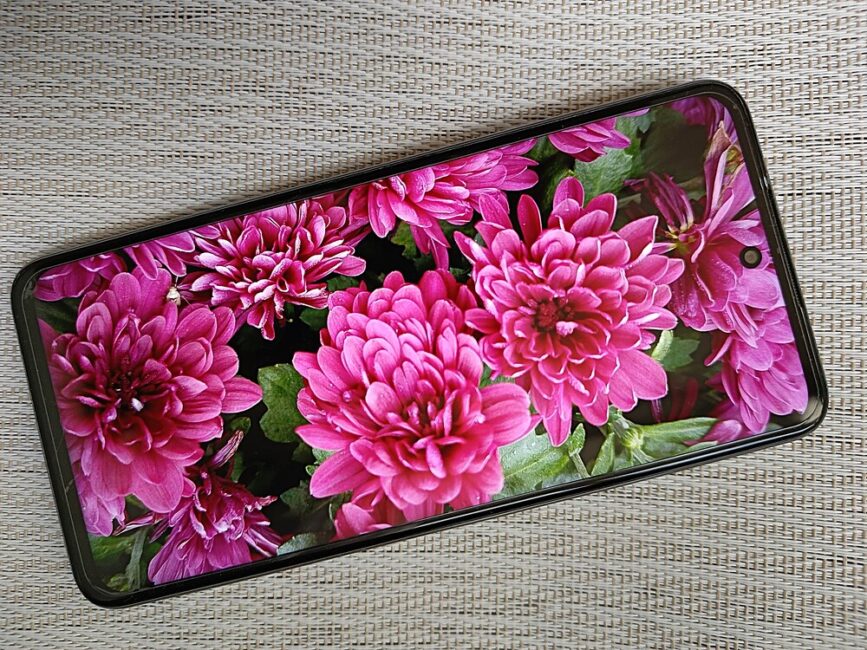
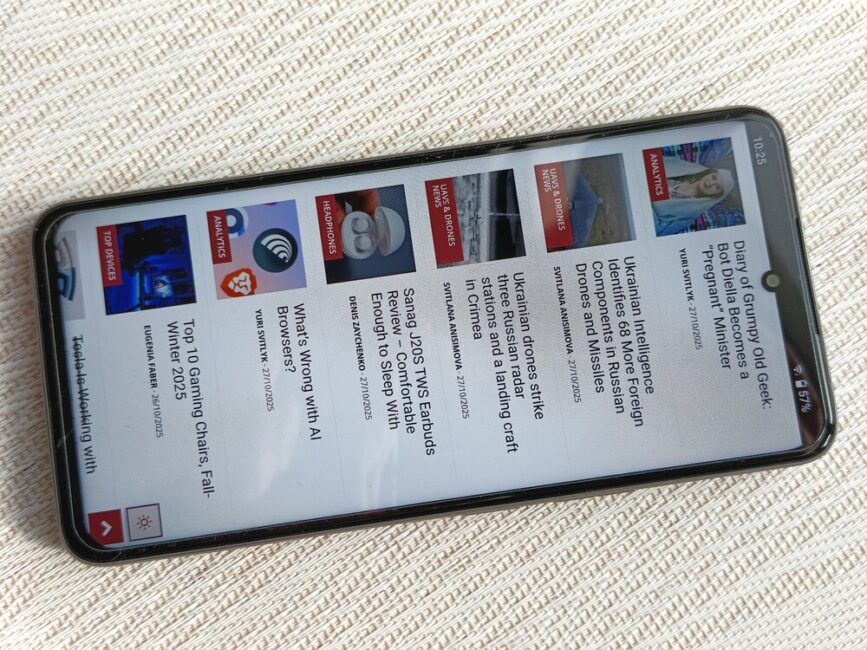
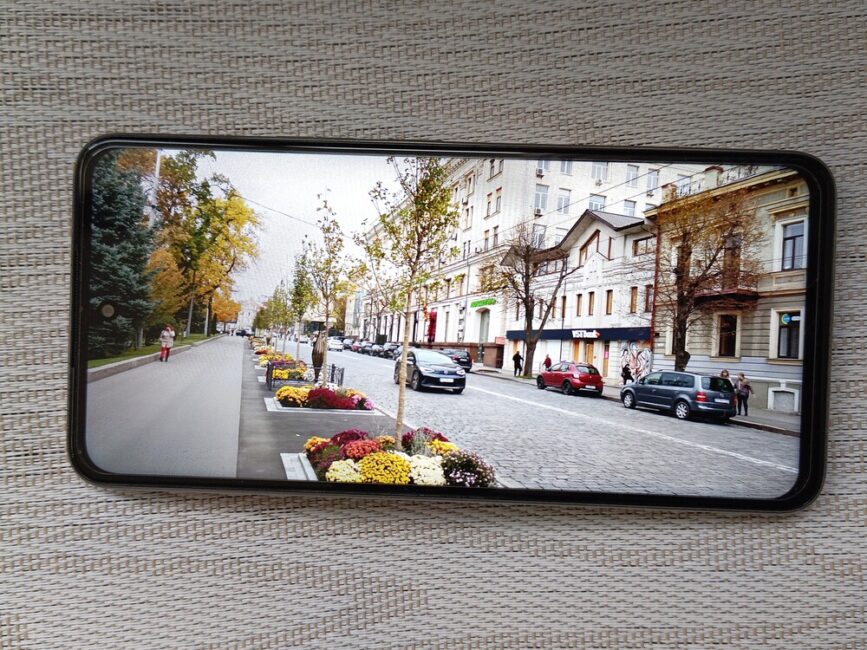
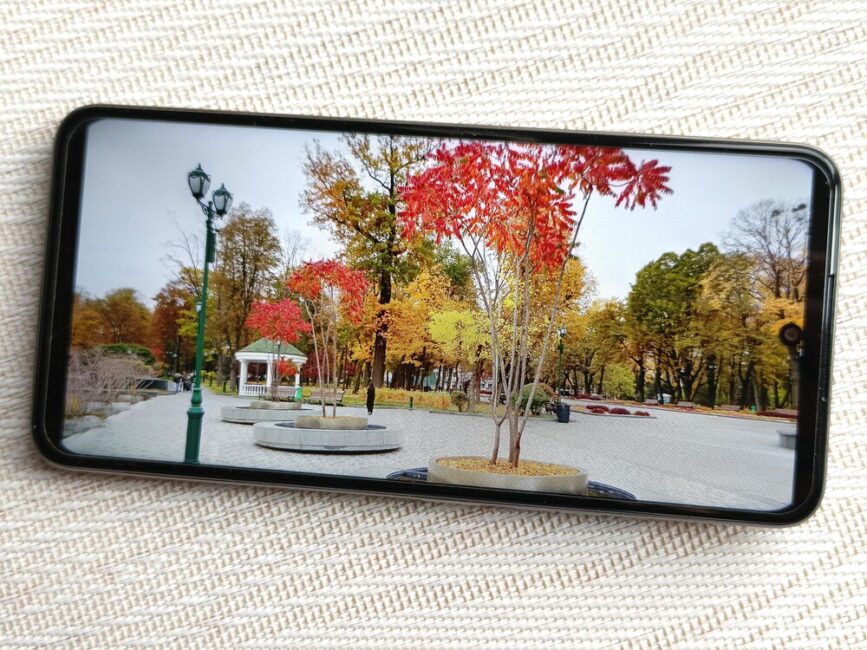
It also lacks Widevine L1 certification, meaning the smartphone can’t stream HD content on paid platforms.
It’s as if Cubot is saying: “We’ve given you a large screen and smooth animations – just don’t expect more for this price.” And honestly, that’s fair. The main thing is that it’s still enjoyable to use, even with these obvious compromises.
Read also: Cubot KingKong Power 5 Review: Rugged, Durable, and Budget-Friendly
Performance
The Cubot Note 60 runs on a budget-friendly yet fairly capable Unisoc T615 chipset built on a 12 nm process. Its architecture is straightforward: eight cores in total – two clocked at 1.8 GHz and the remaining six at 1.6 GHz.
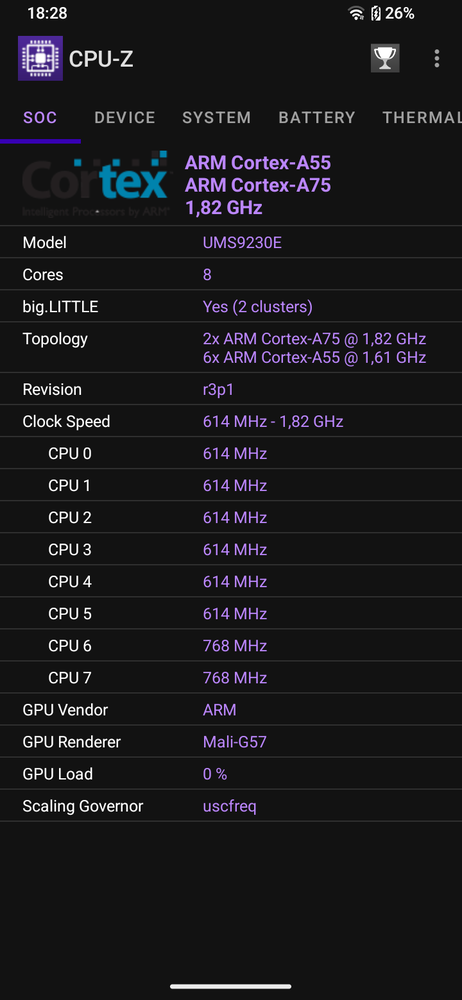
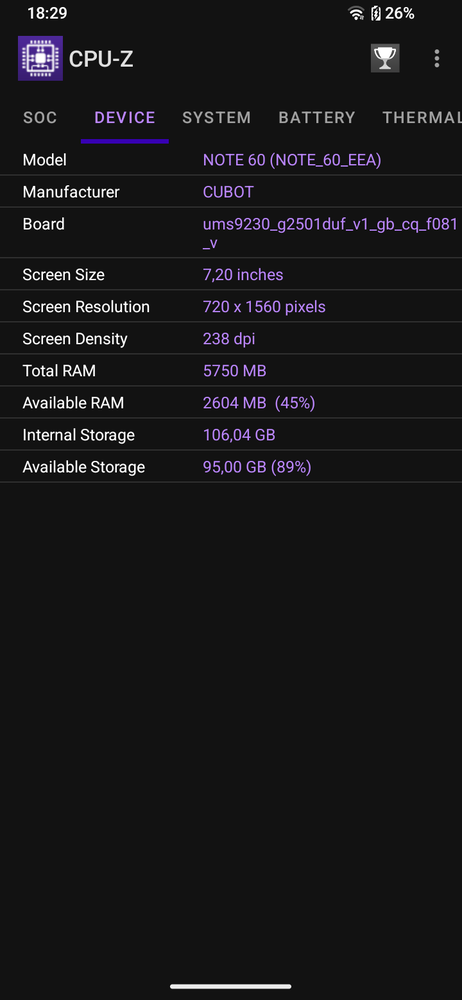
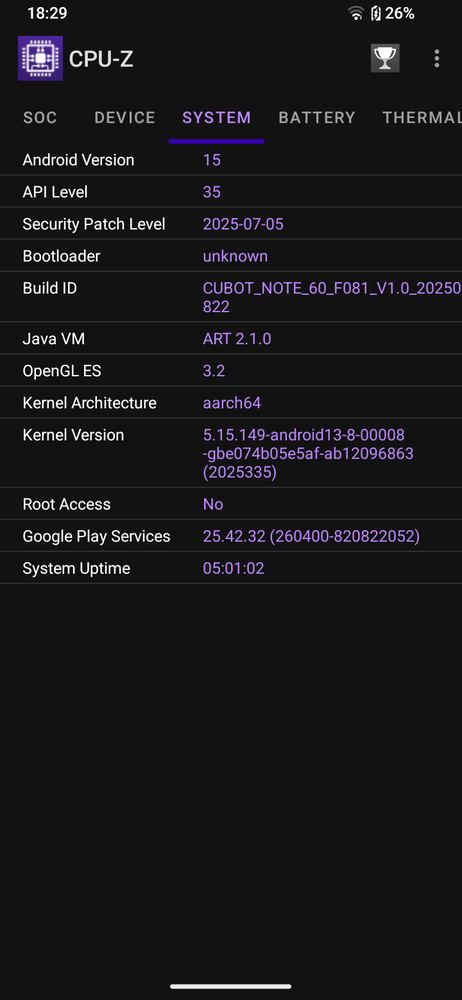
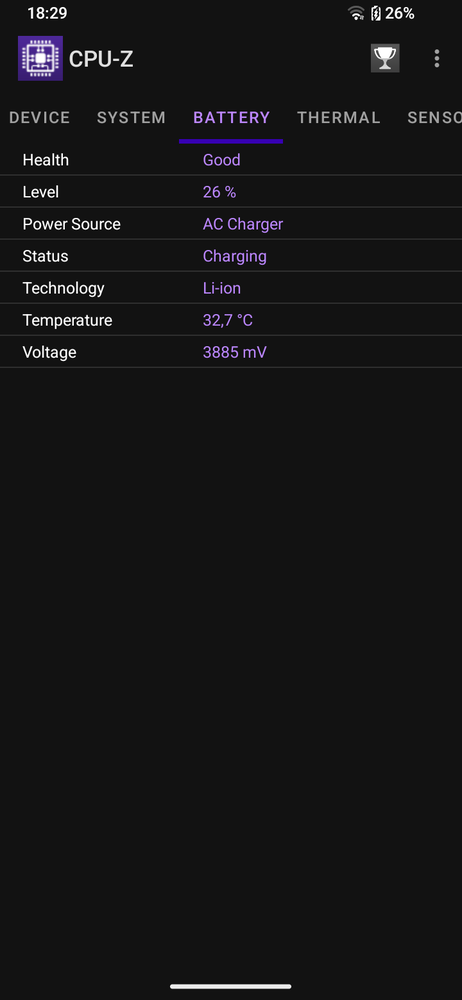
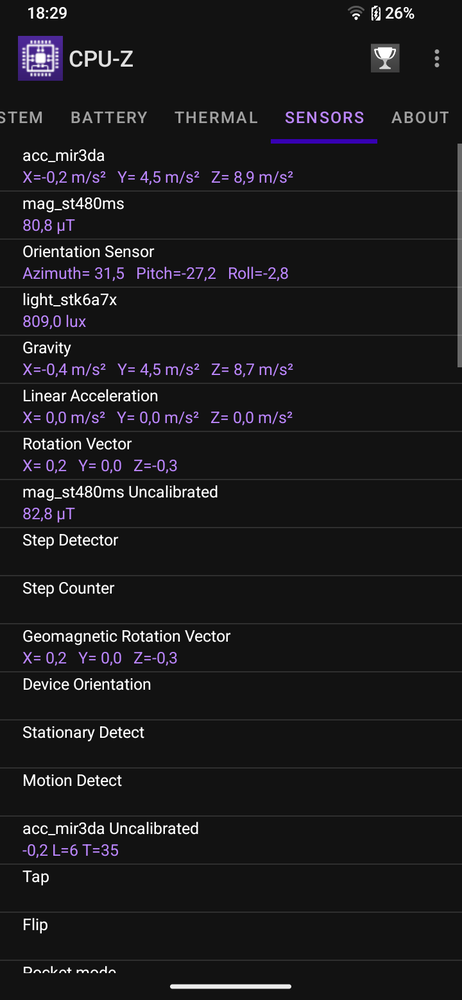
Graphics are handled by the Mali-G57 MP1 (650 MHz) – not a flagship solution, but perfectly adequate for everyday tasks.
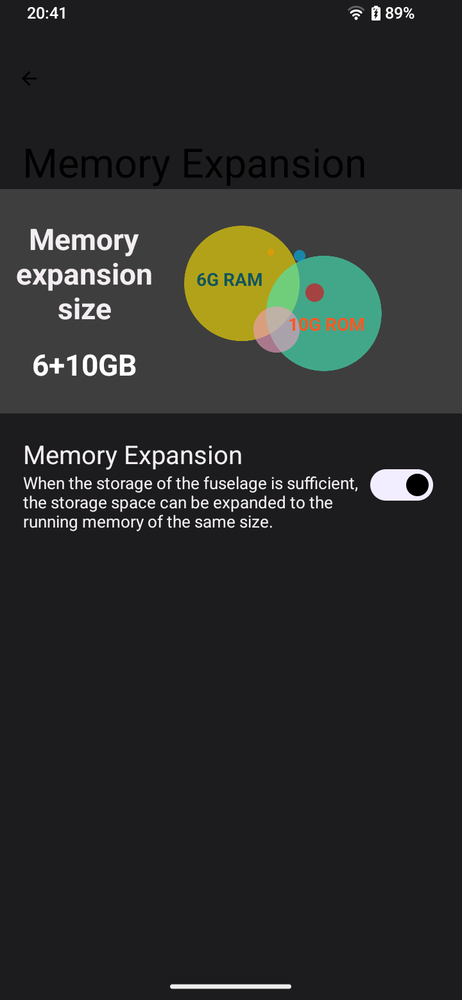
The smartphone comes with 6 GB of RAM – the bare minimum for comfortable use these days. However, Cubot allows you to expand it virtually by up to 10 GB using internal storage. And, to be fair, the difference is noticeable: the system feels more responsive, and multitasking no longer feels frustrating.
The device offers 128 GB of internal storage – not a lot, to be honest. Fortunately, there’s a microSD slot supporting up to 1 TB cards. However, you’ll have to choose between using two SIM cards or one SIM and a memory card, as the tray follows the classic hybrid design.
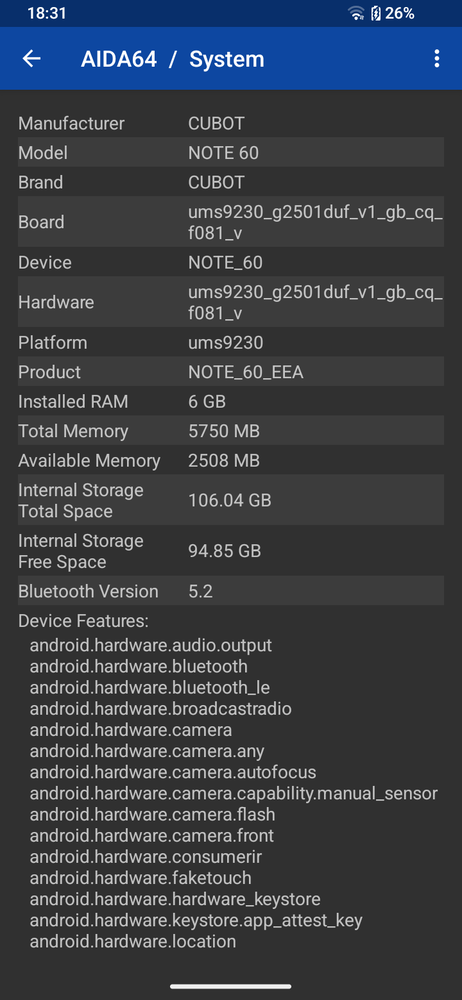
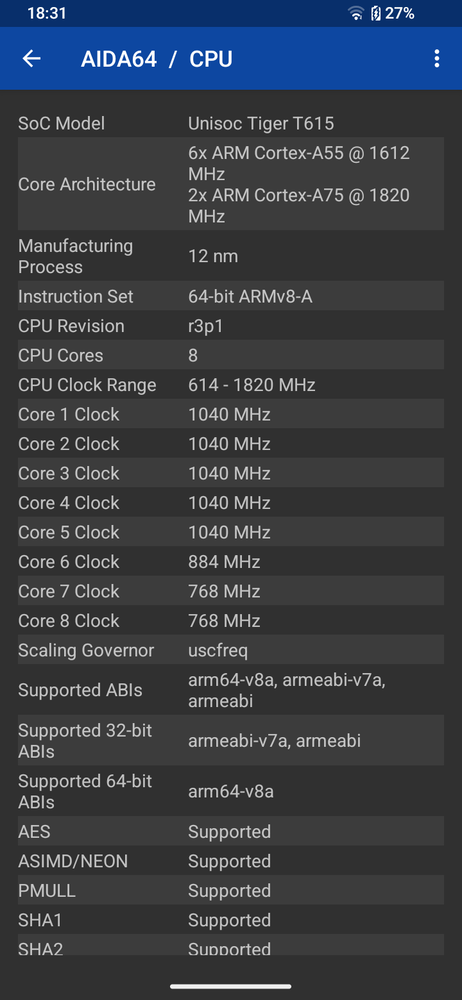
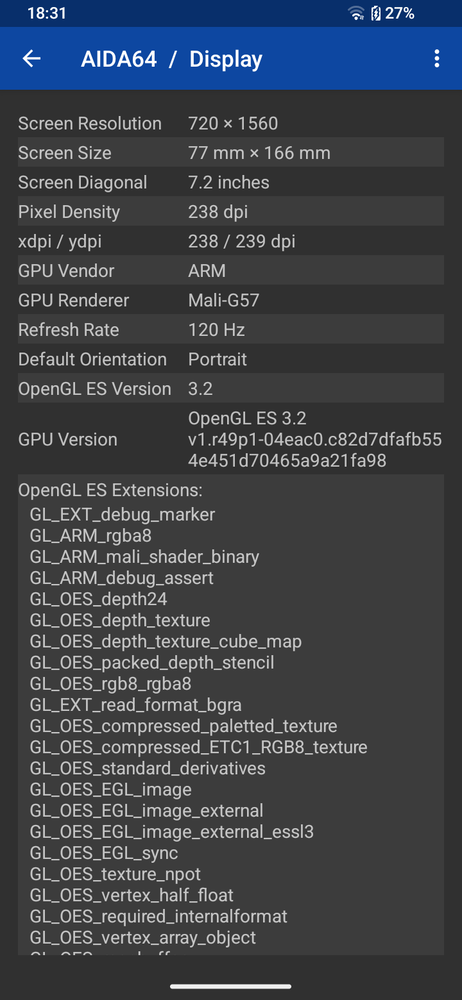
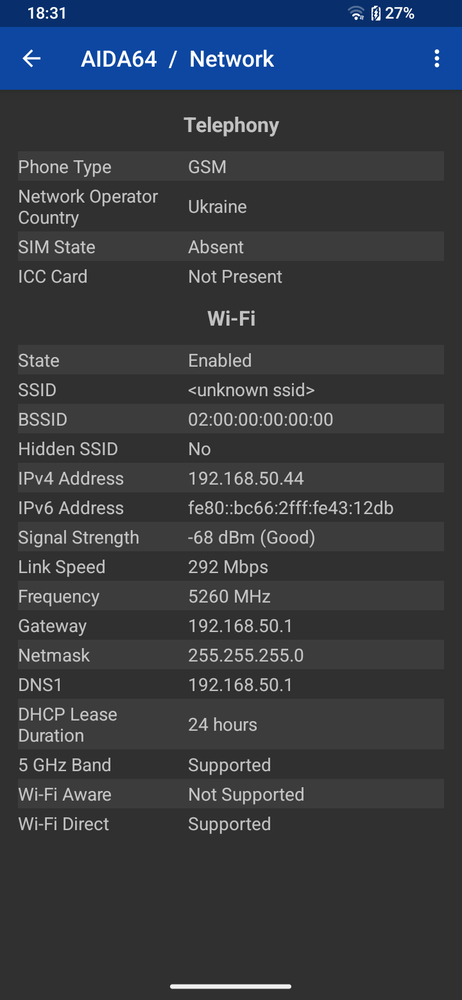
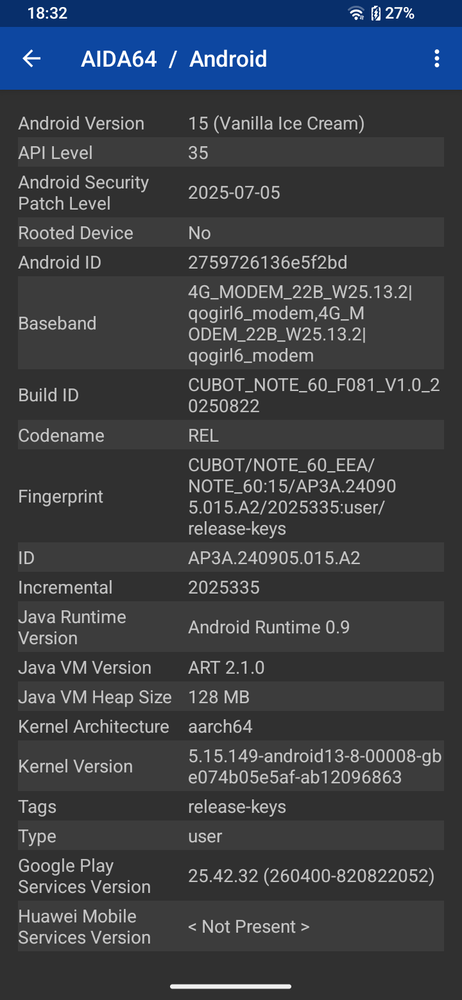
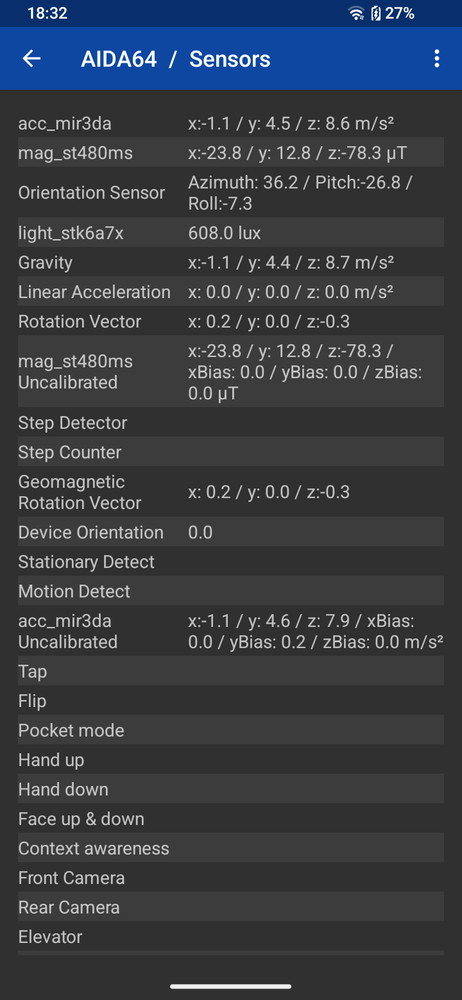
In everyday use, the Cubot Note 60 delivers a level of performance sufficient for most typical tasks. Android 15 runs stably, the interface doesn’t lag, screen transitions are smooth, and essential apps open without noticeable delays. It’s not a “speed demon,” but it’s certainly not sluggish either – the smartphone feels well-balanced overall.
Synthetic benchmarks confirm its budget status – no record-breaking scores, but no disastrous drops either. Everything falls within the expected range for this price segment.
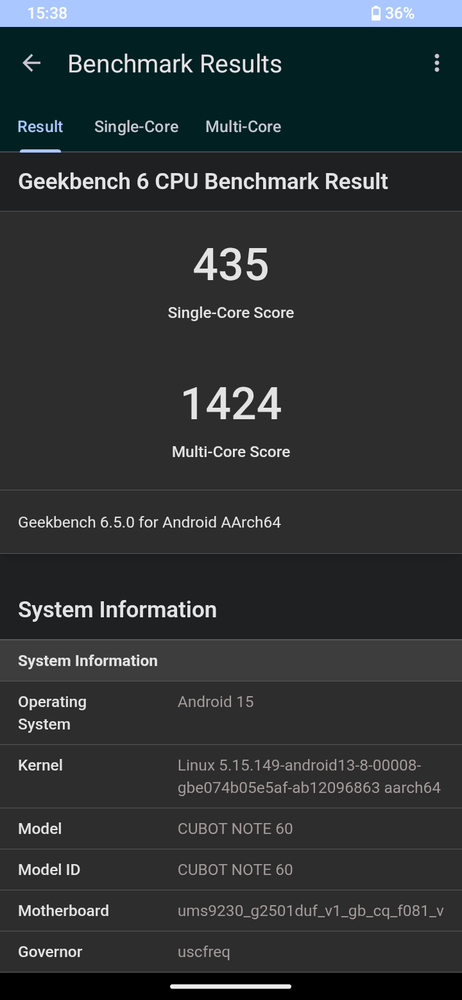
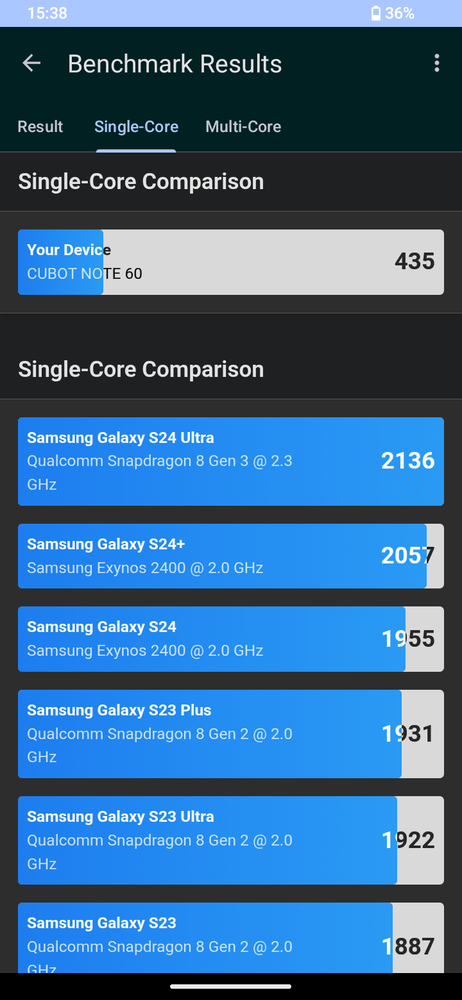
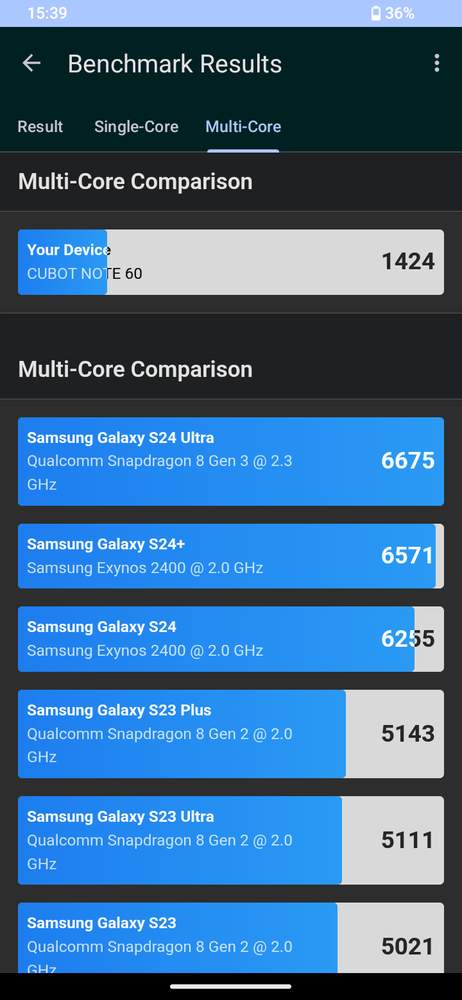
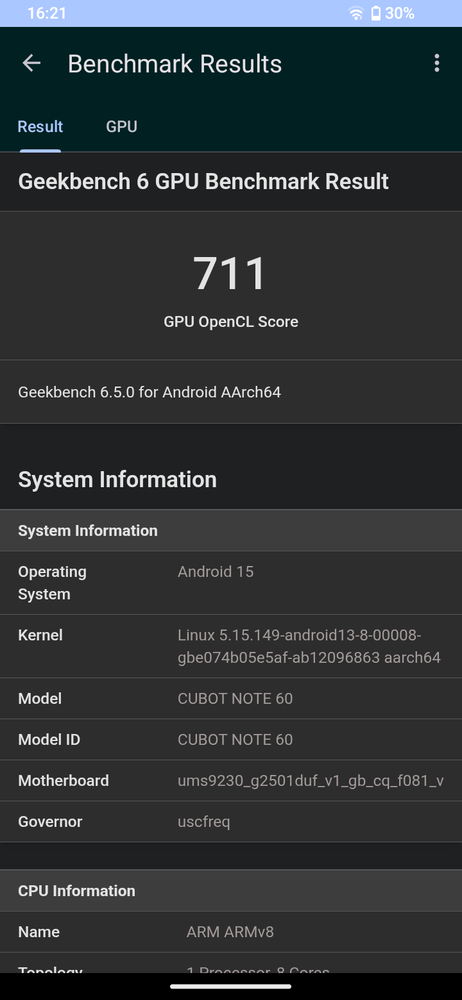
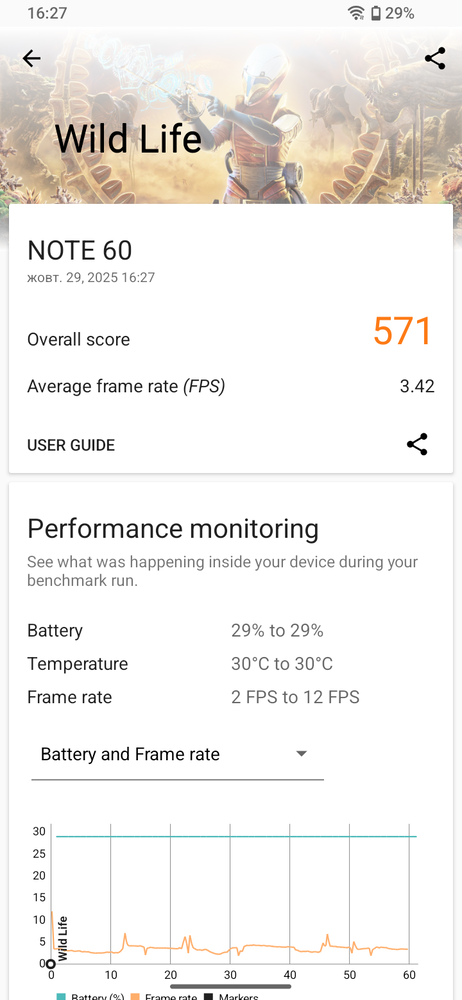

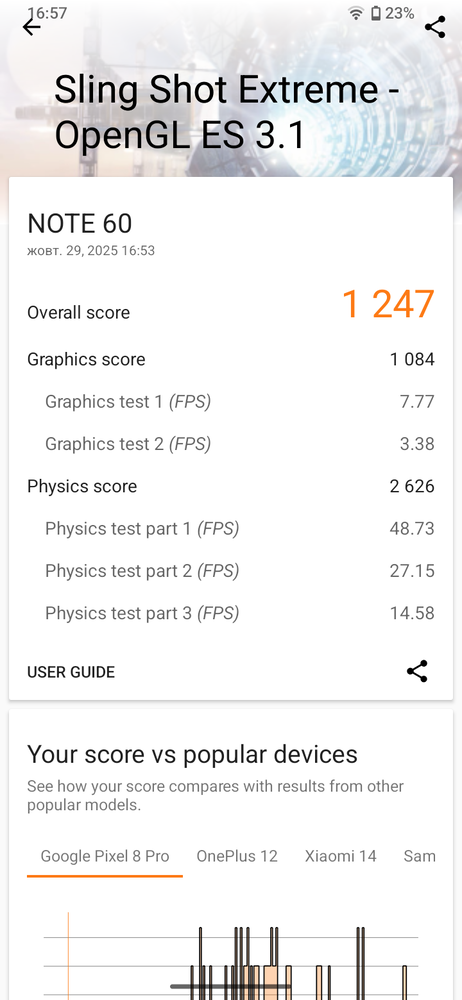

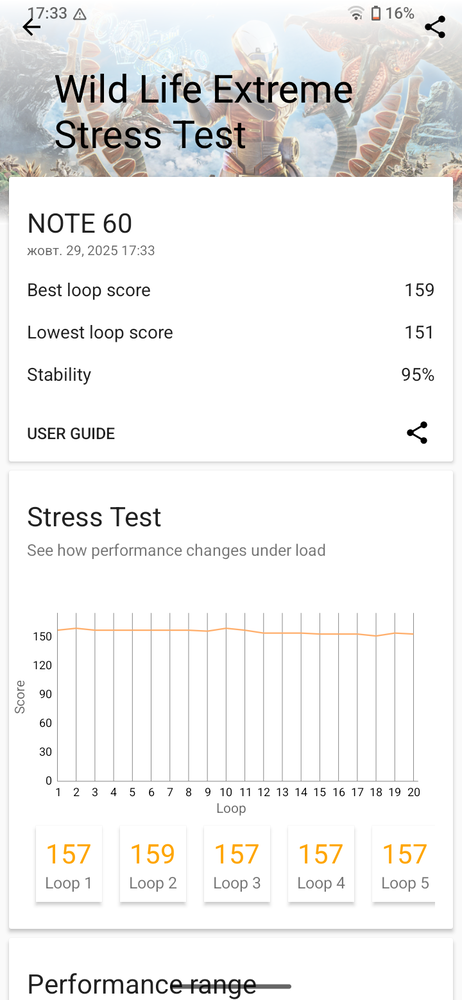
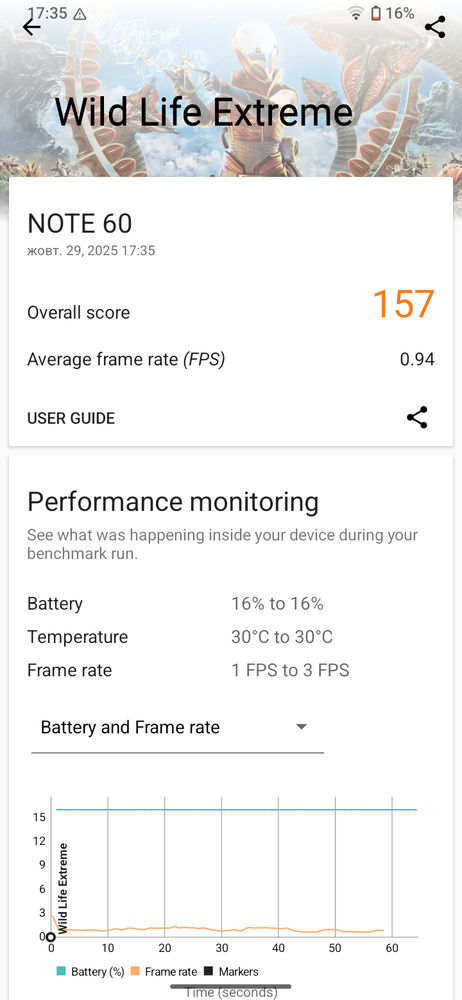
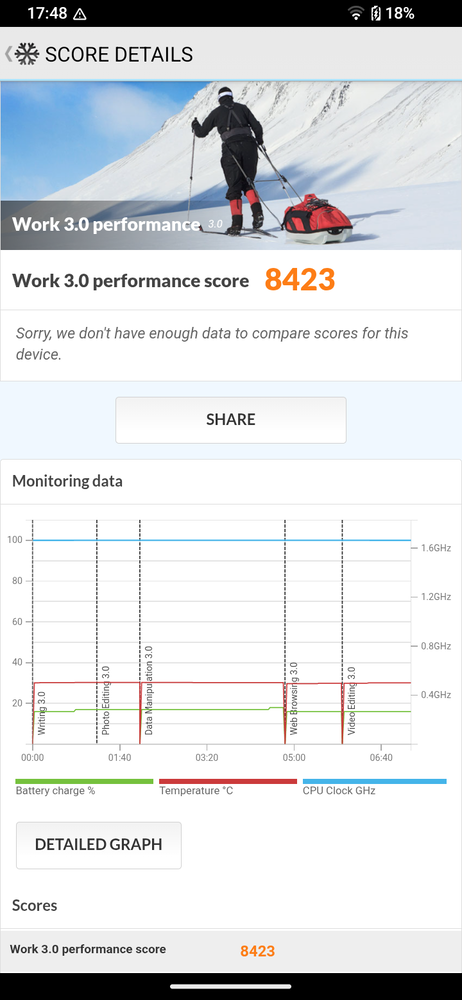
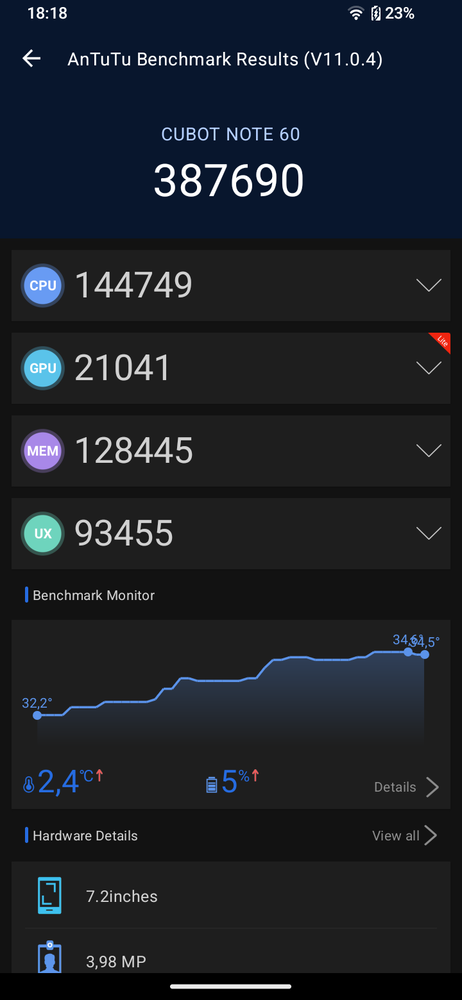
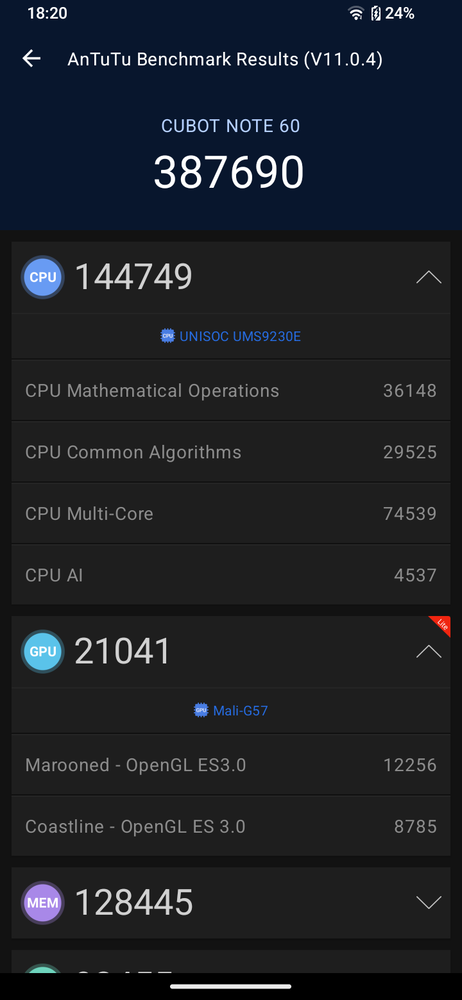
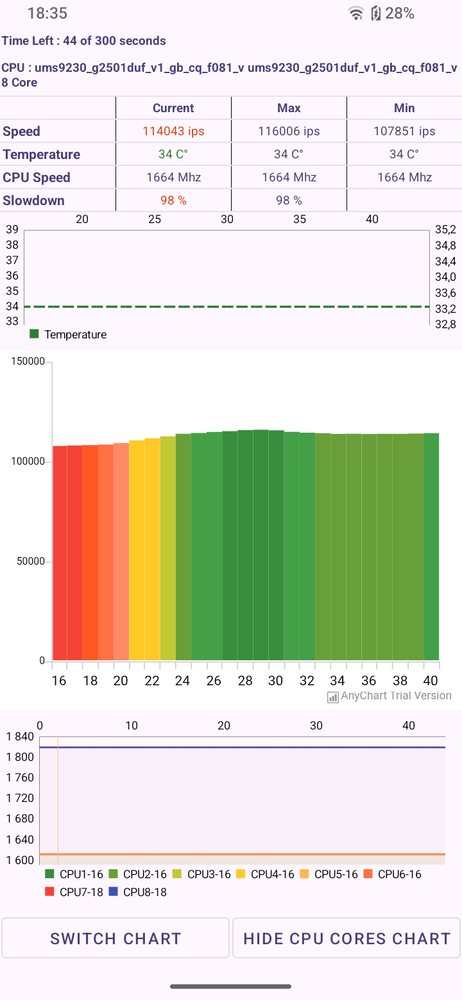
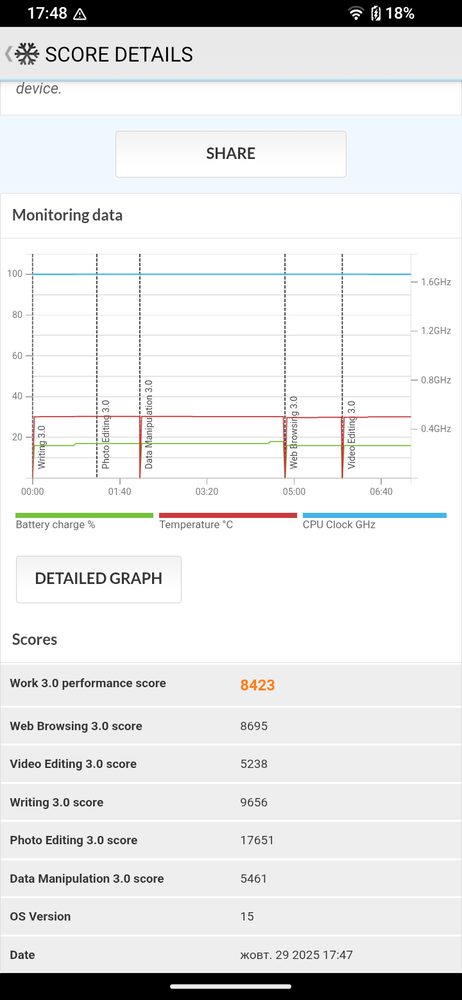
Looking at practical usage, performance is fairly predictable. The system runs stably, though the camera app can occasionally lag – especially when switching modes or saving 48 MP photos. Minor delays can also occur when scrolling through Facebook or YouTube feeds, but these are more cosmetic than problematic.
The Cubot Note 60 is clearly not positioned as a gaming device, which becomes evident within the first few minutes of gameplay. Simple 2D games, puzzles, or casual titles run without issues. More demanding games, such as PUBG Mobile or Call of Duty: Mobile, require lowering graphics settings to the minimum.
On medium settings, FPS generally stays around 40–50, though it can drop in complex scenes. In other words, gaming is possible, but not enthusiast-level. The Unisoc T615 simply isn’t designed for extended gaming sessions, and that has to be accepted.
Overall, the Cubot Note 60 delivers adequate basic performance, sufficient for everyday tasks, social media, communication, video playback, and even light gaming. It’s a typical example of a smartphone that doesn’t impress with raw numbers but remains pleasant to use. For its price point, that is already a success.
Read also: Cubot A40 Review: Simple, Affordable Smartphone
Cubot Note 60 software
The Note 60 runs on the latest Android 15, which is a pleasant surprise, as most budget models still ship with Android 13 or 14 at best. However, the excitement should be tempered. Cubot has never been known for long-term support, so an official update to Android 16 is unlikely.
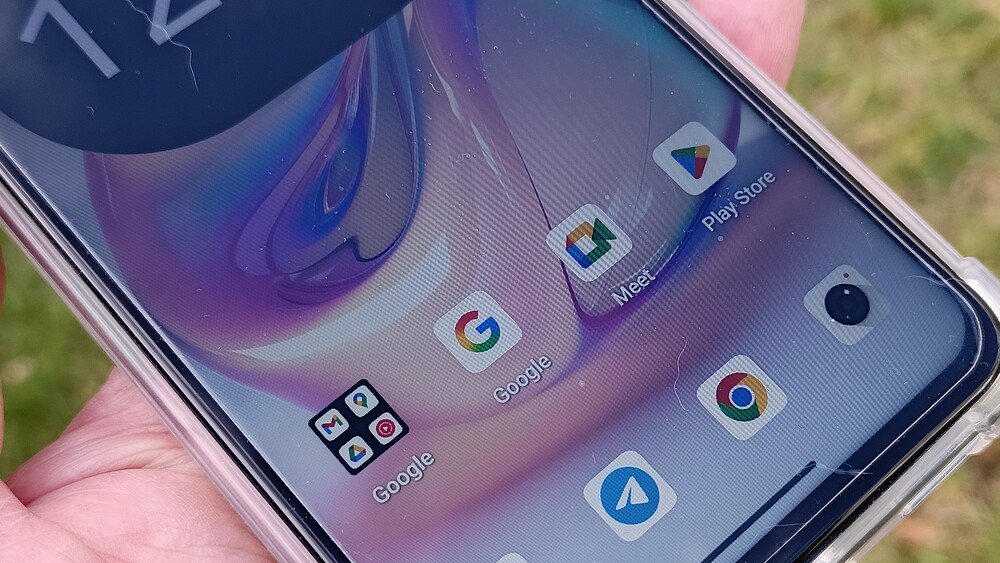
Regarding the interface, the situation is interesting. Cubot doesn’t really have its own custom skin. It’s closer to stock Android with a proprietary launcher that changes icons and adds a few minor visual touches. The interface looks clean, minimalist, and logically structured. Navigation is straightforward, menus are clear, and everything feels intuitive.
It’s also nice that there’s no unnecessary software – no questionable Chinese apps or intrusive ads. Everything is kept as clean as possible: the standard Google suite – YouTube, Gmail, Maps, Play Store, Assistant, Feed – and nothing more. This is exactly what one wants to see on a smartphone, even in the budget segment.
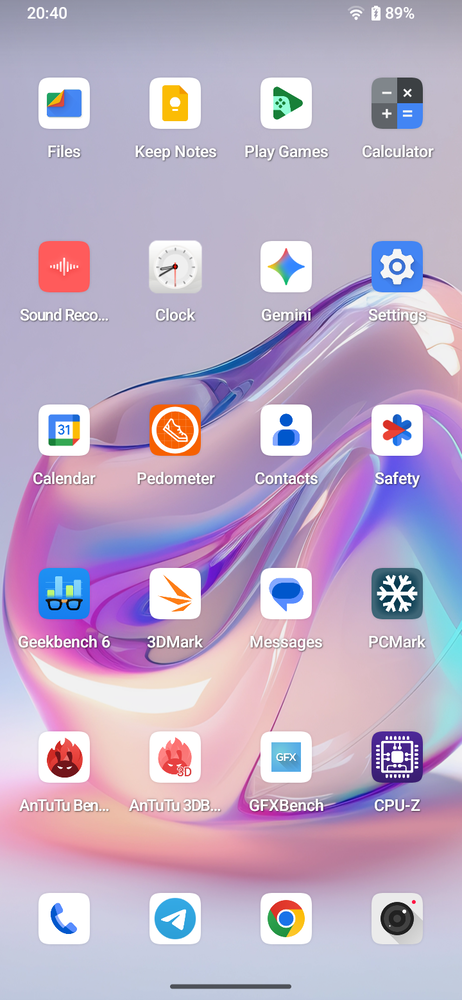
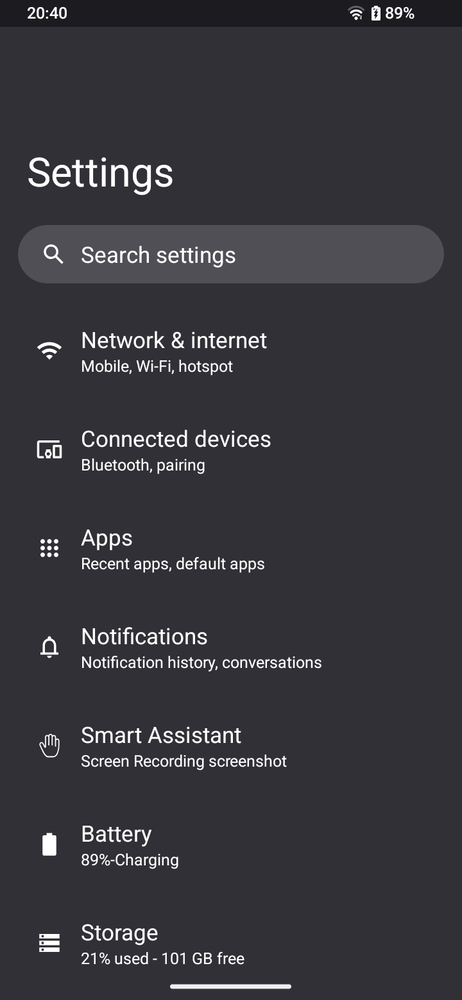
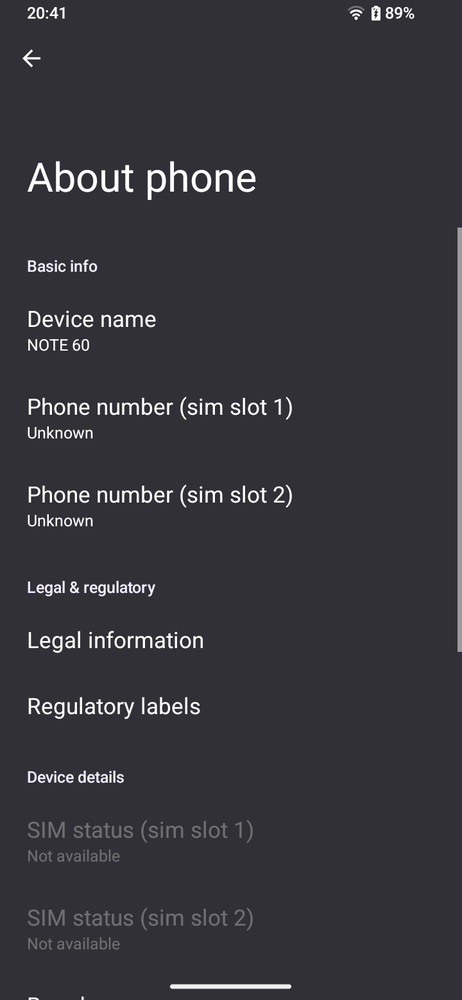
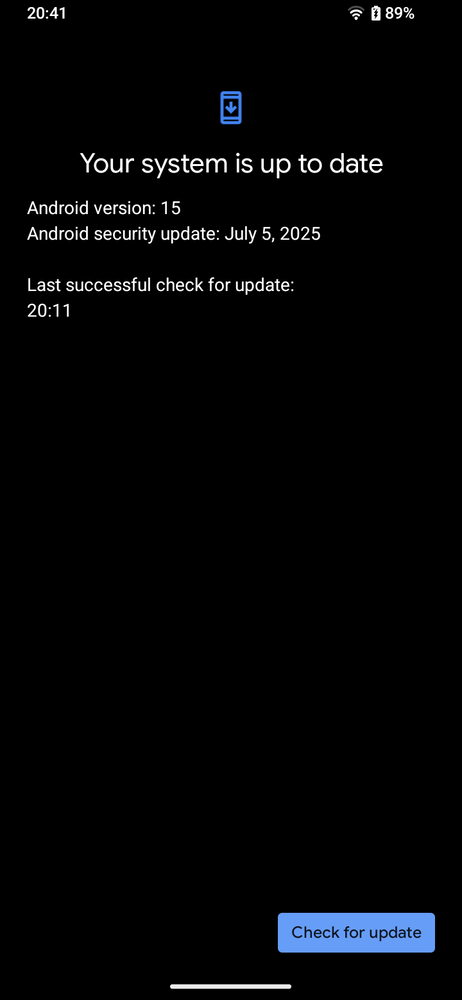
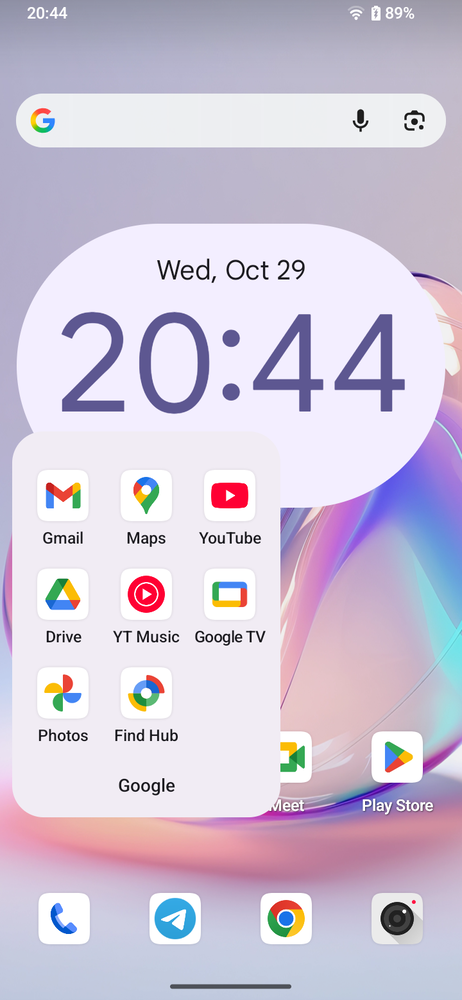
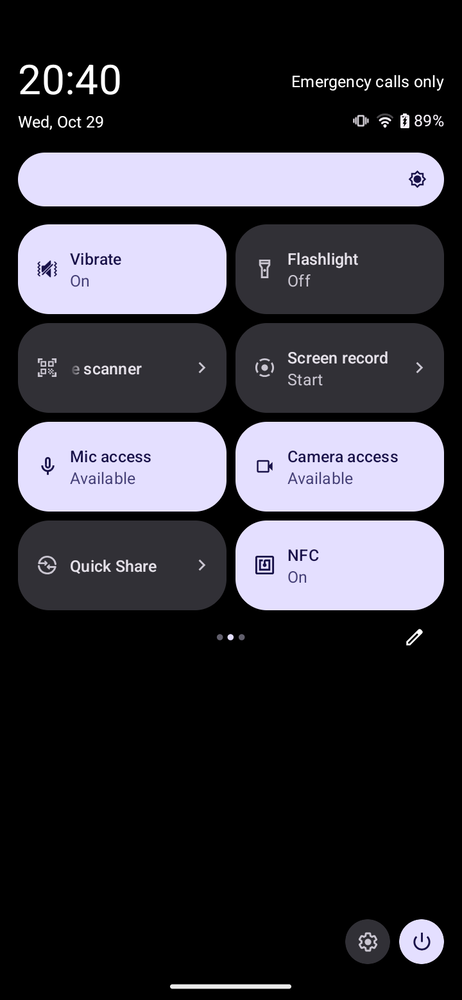
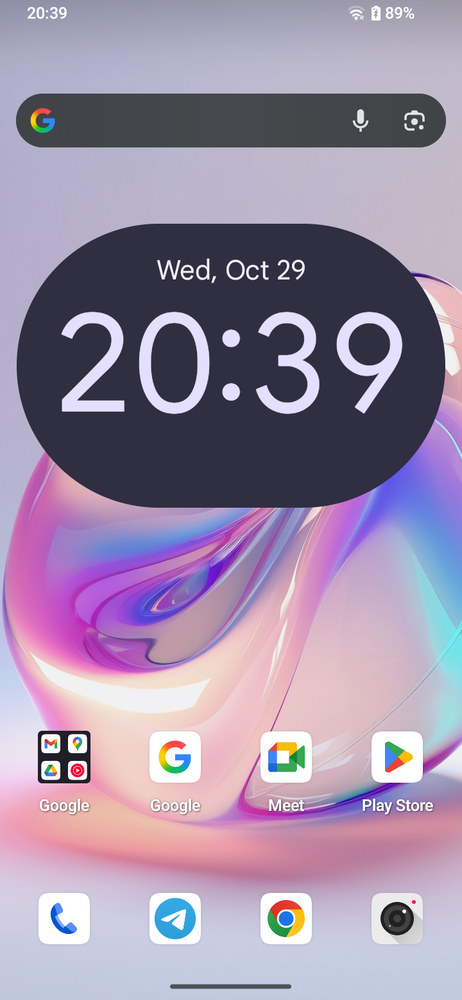
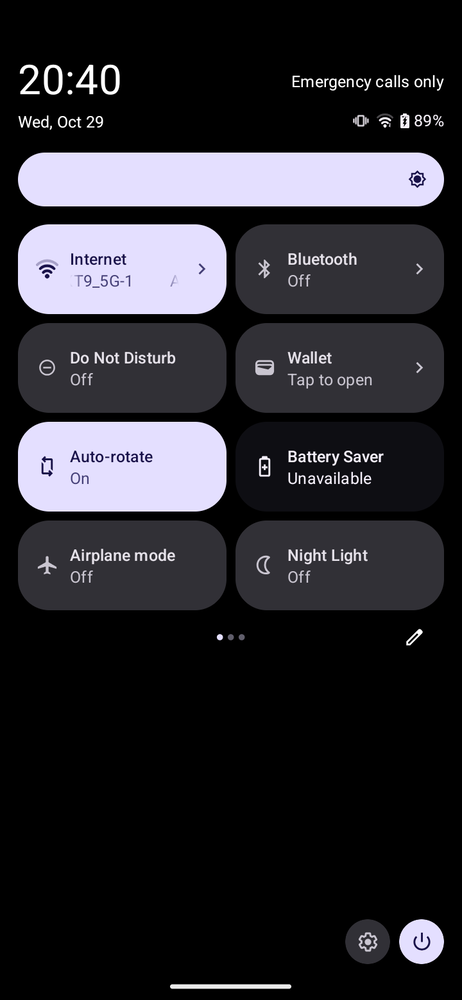
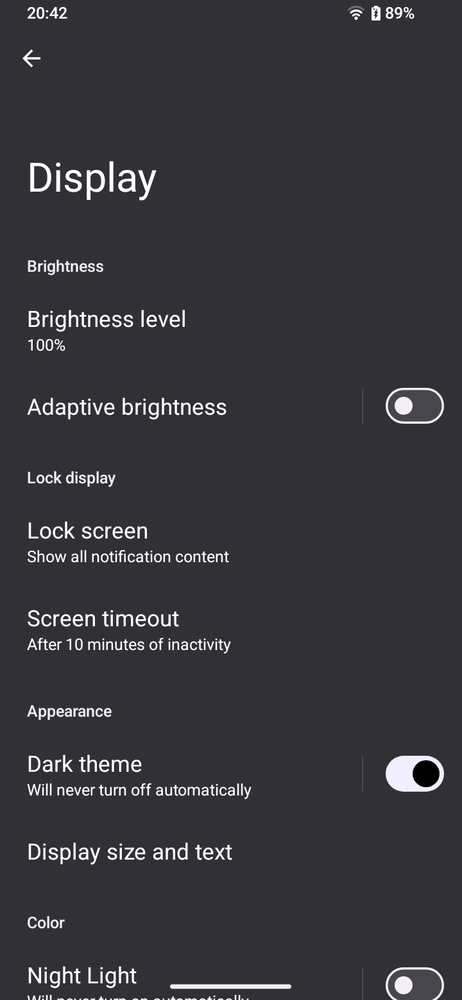
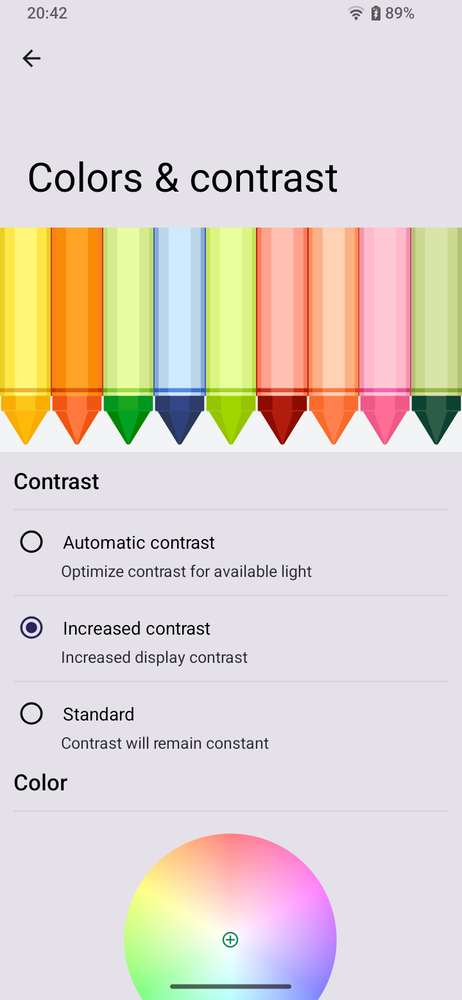
The system runs smoothly and reliably. During testing, I didn’t notice any freezes or crashes. Even when running multiple apps simultaneously, performance remained steady without noticeable slowdowns. Switching between applications is quick, and scrolling through feeds is fluid.
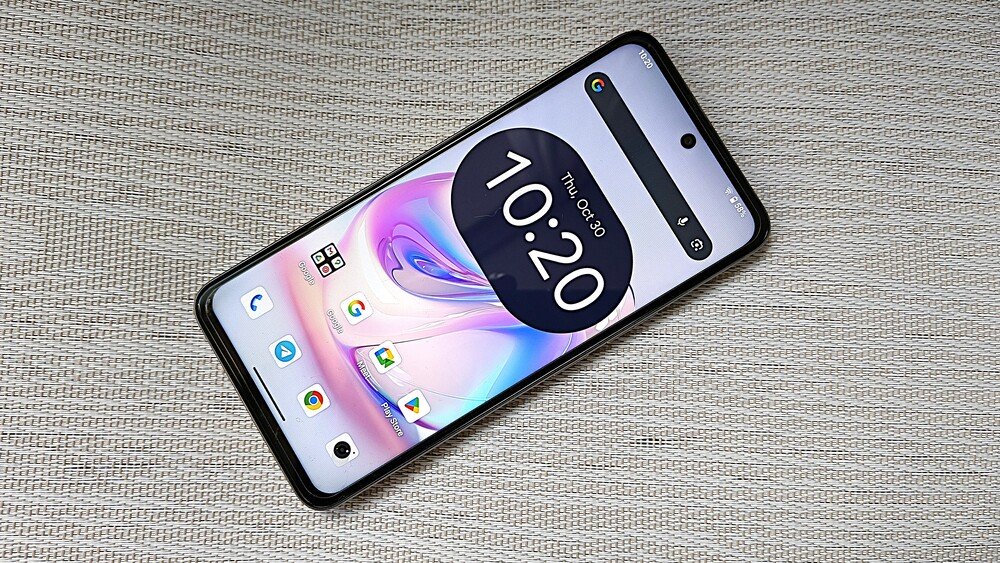
There are a few thoughtful touches that enhance usability. For example, when apps are loading, their icons gradually fill to indicate progress – a small detail, but it looks tidy. The phone supports split-screen mode, one-handed operation, and several quick-action gestures:
- Raise to wake the display
- Double-tap to launch the camera
- Three-finger swipe for screenshots
- Quick access to Google Assistant
By default, navigation uses the three-button layout, but it can easily be switched to gesture-based controls if you prefer a more modern interface.
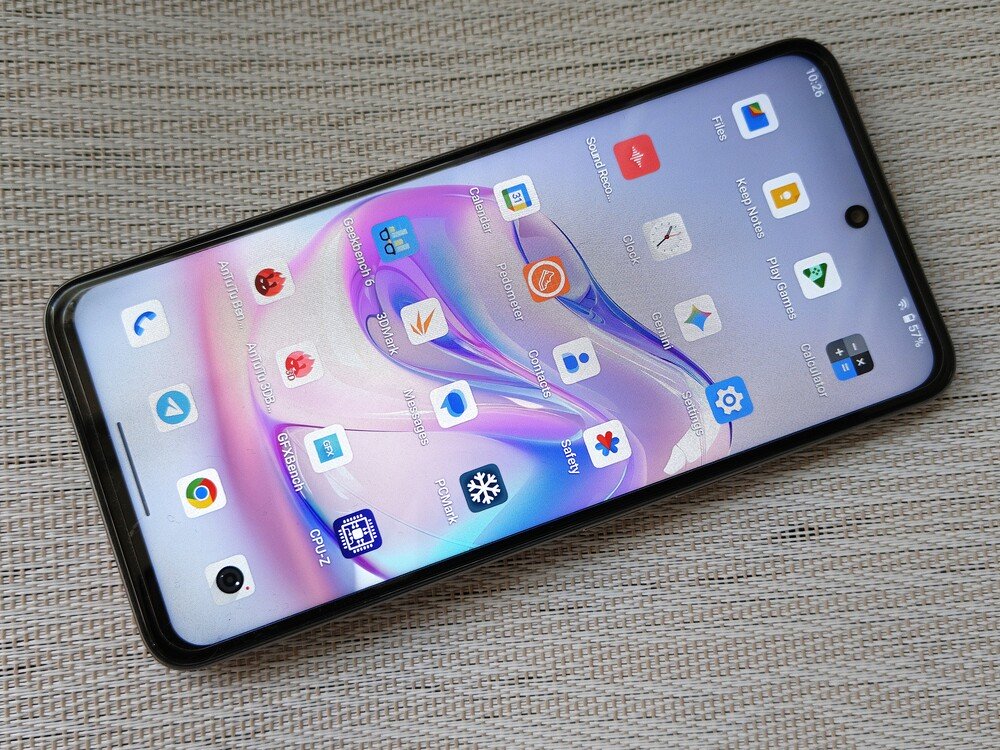
The only slightly surprising omission is the lack of a dedicated gaming mode. It’s understandable, as this isn’t a gaming device, but even a simple CPU optimization for games would have been a welcome addition.
Overall, the Cubot Note 60 leaves a positive impression in terms of software: clean Android, no ads, full Google services, and smooth performance. Nothing extra – just a system that does what it’s supposed to do. For a device in this class, that is commendable.
Read also: CUBOT KINGKONG X PRO Rugged Smartphone Review
Sound and communications
The earpiece on the Cubot Note 60 is average. Its frequency range is narrow and the volume isn’t particularly high, but it’s sufficient for calls. The person on the other end is heard clearly, without distortion, though the voice has a slightly “metallic” timbre. In noisy environments, you may need to bring the phone closer to your ear, but call quality remains acceptable.
For media, there’s a single speaker, meaning it’s mono. The sound is flat, with a noticeable emphasis on high frequencies and almost no bass. Volume is moderate, enough for YouTube or social media, but for music, headphones are recommended.
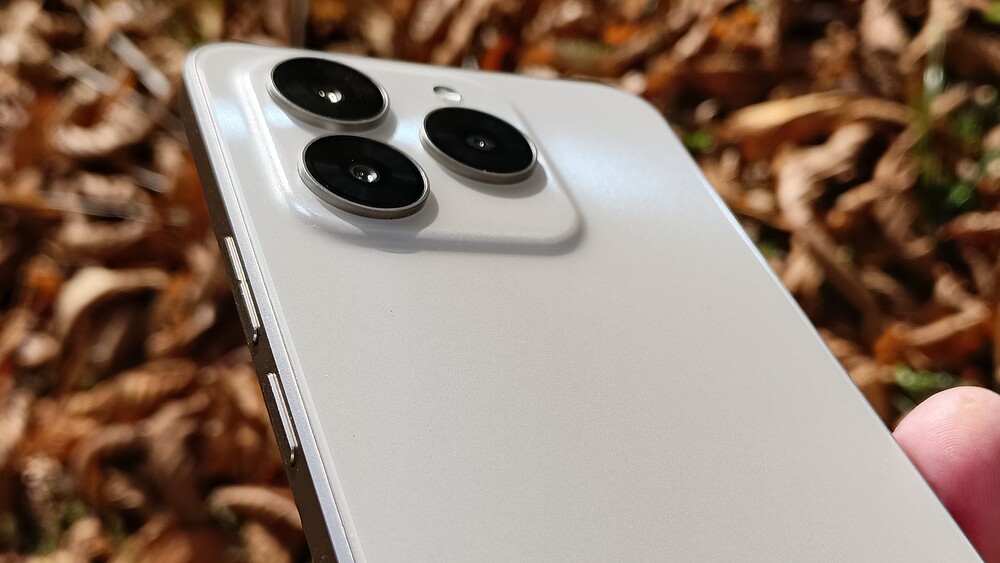
One drawback is the absence of a 3.5 mm headphone jack. By 2025, this isn’t a major issue, but for some users, it remains a point of concern – especially since many budget models in this segment still include the mini-jack. Cubot appears to have removed it in favor of a “premium feel,” though this doesn’t make the phone significantly more elegant.
Bluetooth 5.0 works reliably: connections remain stable even a few meters from the device. A2DP and LE Audio are supported, allowing quick pairing and sound quality that is adequate for this class.
A welcome bonus is the inclusion of NFC. This allows contactless payments without any workarounds – a feature still missing on many budget phones, even from more established brands, giving Cubot an advantage here.
Connectivity is standard but limited to 2G, 3G, and 4G LTE, including VoLTE – sufficient for most users unless you plan to use the phone as a hotspot or stream 4K video.
Wi-Fi 5 (802.11 a/b/g/n/ac) operates on both 2.4 and 5 GHz bands. Connections were stable, with speeds typical of a home network. No issues were encountered with routers or Bluetooth devices during testing; the phone maintained reliable connectivity even under active use.
Read also: CUBOT KINGKONG POWER 3 Rugged Smartphone Review
Cubot Note 60 cameras
With a budget smartphone in hand, you’re inevitably constrained by cost. You won’t get high-quality sensors with large pixels or fast lenses – here, the camera is just… a camera. It captures images, sometimes even in focus, and occasionally produces shots that could be described as “art-house.” Looking for atmosphere? You’ll find grain, overexposure, and a subtle surreal touch – all the quirks that give a certain unintended artistic character.
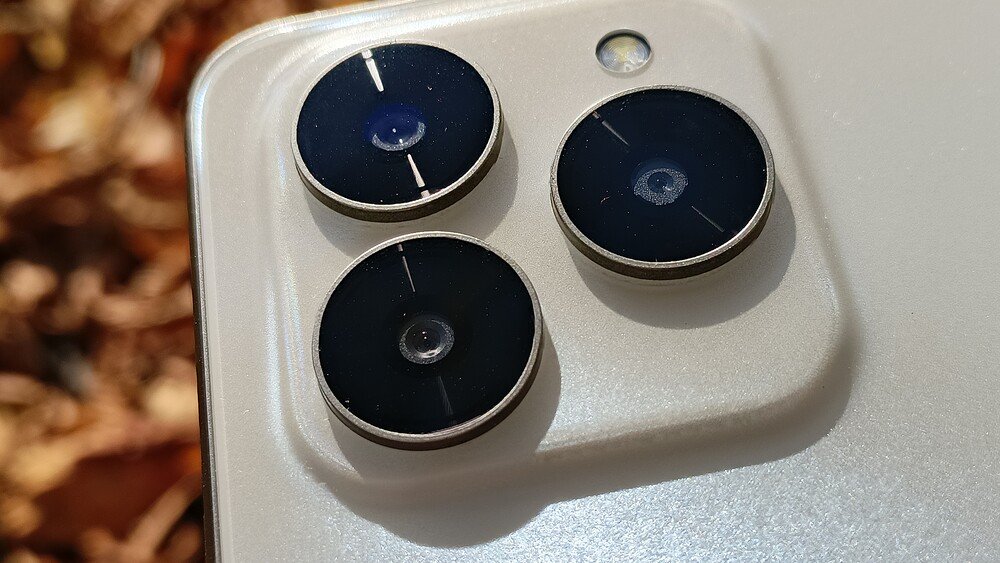
If you think this doesn’t apply to the Cubot Note 60, you’d be mistaken. The phone comes with three rear cameras, though the exact sensors remain unspecified. What’s known: the main camera is 48 MP, the wide-angle is 5 MP, and the macro is 2 MP. The front-facing sensor for selfies is 16 MP, which on paper seems adequate. Video recording is limited to 1080p at 30 fps on the main camera and 720p on the front. On paper, these specs look reasonable, but in practice, the camera is more suited for casual, personal use than for content creation on platforms like TikTok.
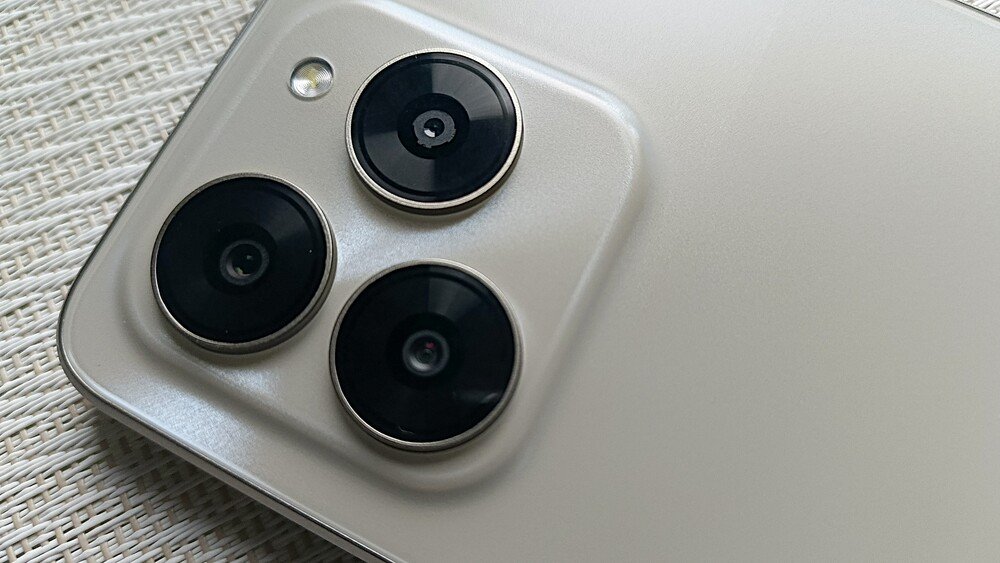
The main 48 MP camera seems like an attempt to give the impression of flagship-level capabilities. However, as often happens, the pixel count doesn’t translate into image quality. While the megapixels are there, sharpness is lacking. Photos – even in good sunlight – can appear washed out, with lost shadow detail and soft edges. That said, it’s occasionally possible to capture decent shots.
































At night, performance deteriorates further. Contrast increases, colors become muted, and images often appear as if filtered through a “2008 nostalgia” effect. Features like HDR, SuperRes, or other shooting modes serve more as reassurance buttons than as effective tools for improving image quality.










In low light, results are highly variable. Sometimes shots turn out reasonably good; other times, they look like screenshots from a security camera feed. The “Night” mode does help a bit, brightening the scene, but often at the cost of noise and loss of detail.
The ultra-wide camera is another compromise. In daylight, it can produce pleasant images, especially for landscapes, but as soon as the sun sets, distortions, blurring, and pixel fatigue become evident.



























Macro? It’s more of a decorative feature – just to make the phone look “up-to-date” in 2025. In practice, it’s almost completely useless.
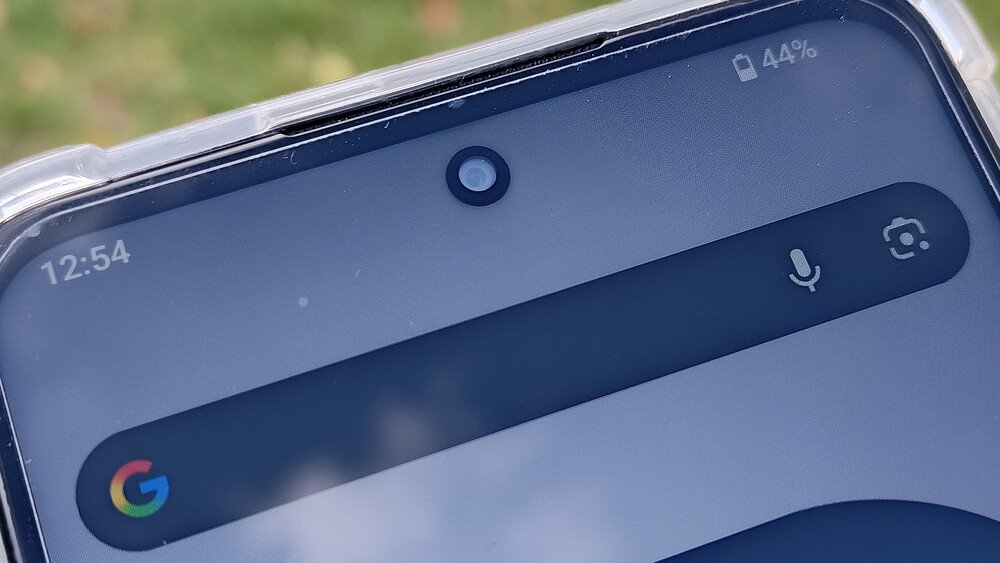
The 16 MP front camera doesn’t really save the day either. Yes, it exists, which is something, but the image quality leaves much to be desired. Selfies look mediocre: sharpness is lacking, white balance is inconsistent, and the dynamic range is quite limited.





Video recording is limited to Full HD, but don’t expect any miracles. Stabilization exists only as a setting, and in practice, footage shakes with even slight movement. Audio is recorded with heavy compression, so sound quality is noticeably poor.
The Cubot Note 60’s camera is not designed for creative work or making an impression. It serves as a basic tool that covers only essential functions and occasionally reminds the user that budget devices inherently involve compromises.
ORIGINAL PHOTOS AND VIDEOS CAN BE VIEWED HERE
Read also: Bigme HiBreak Pro Review: An Almost Ideal E-Ink Smartphone for Digital Detox
Battery life
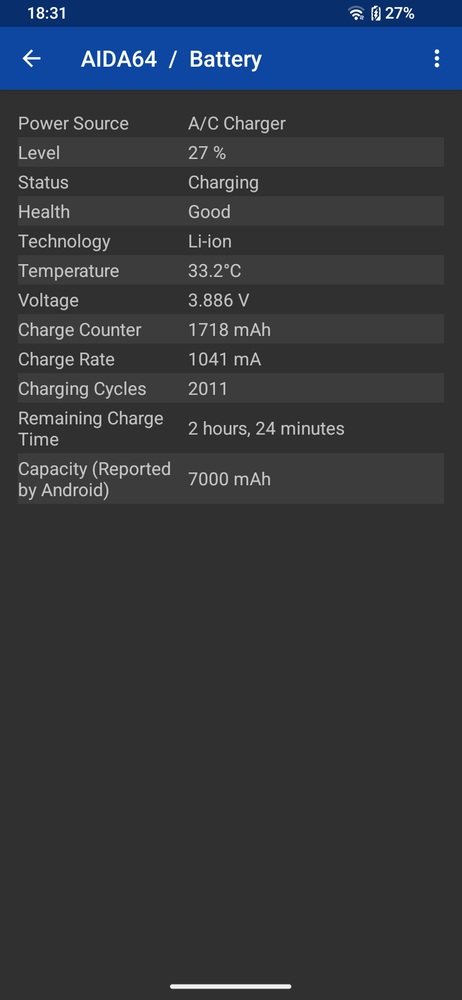
The endurance of the Cubot Note 60 is noteworthy, particularly considering that it is an affordable device equipped with a relatively large 7000 mAh battery. This is a non-removable lithium-ion battery, which plays a central role in shaping the overall experience of the smartphone. The package includes a standard 18 W charger. The lack of fast-charging support can be seen as a compromise in the context of 2025.
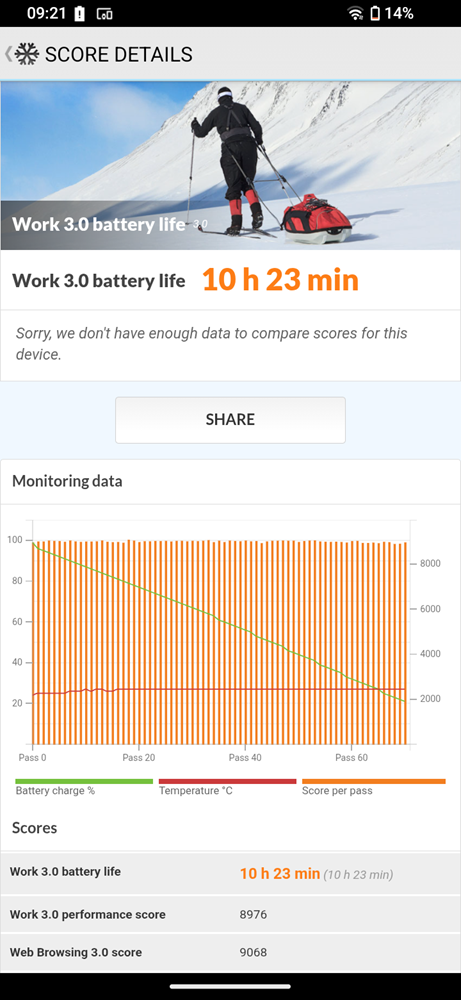
The Cubot Note 60 performs well in terms of battery life. Even under intensive use – running benchmarks, active camera work, and extended content viewing – the device maintains a consistent endurance of around two days. This reflects real-world performance under load rather than idealized conditions. Under typical usage patterns, including calls, social media, web browsing, photography, and occasional video, the phone can last two, and in some cases three, days without recharging. This places the Note 60 among the more energy-efficient devices in the entry-level segment.
The long battery life is due not only to the large capacity of the battery but also to the modest power demands of the hardware. An energy-efficient processor, a relatively low screen refresh rate, and moderate display brightness create a balanced power profile, allowing the device to make the most of each percentage of charge.
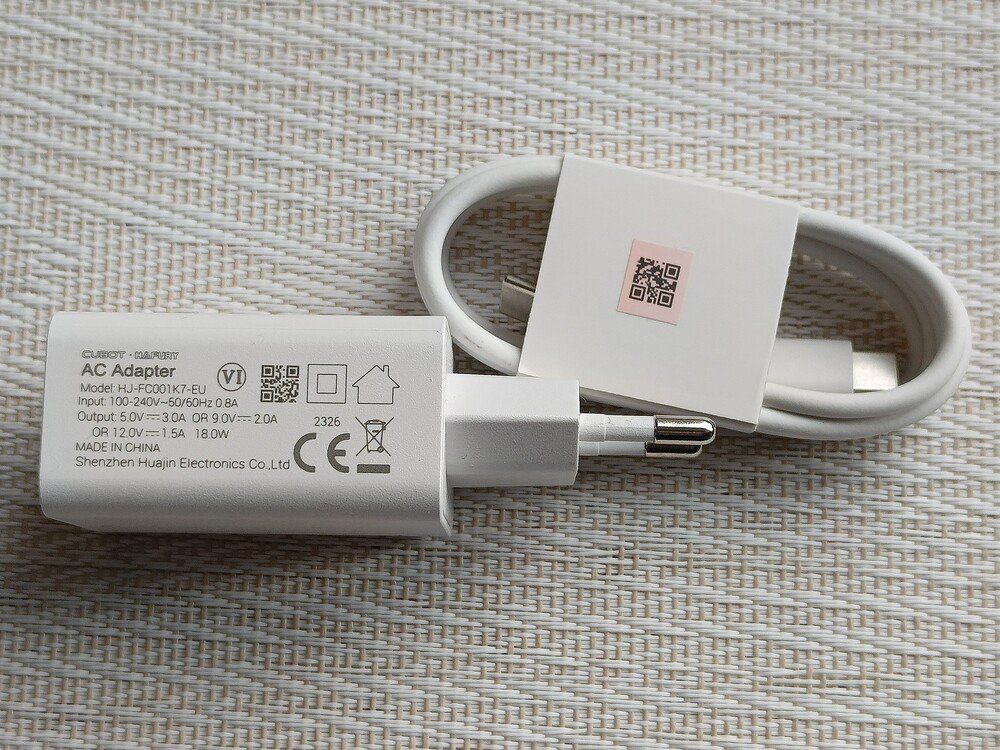
However, there are trade-offs. The 18 W charger takes nearly two hours to fully recharge the battery. For users accustomed to faster 30–60 W charging, this may feel like a long wait, especially if the phone is used heavily throughout the day. On the other hand, slower charging can have a positive effect on battery longevity, which can be considered an advantage within this category.
Overall, the Cubot Note 60 offers one of the best battery performances among budget smartphones, offsetting the lack of fast charging with stable operation and low power consumption. In this case, the time the device can operate without a charger is more significant than the speed of the charging process itself.
Conclusions
The Cubot Note 60 is a typical example of a practical budget smartphone. It does not attempt to appear more advanced than it is but reliably performs its intended functions. Its strengths include a clean design, solid build quality, stable performance, and impressive battery life thanks to the 7000 mAh battery. Under moderate usage, the device can last up to three days without recharging, reflecting effective power management.
However, the compromises are noticeable: the display is mediocre, the camera performance is limited, and the lack of fast charging prevents the device from being considered an all-purpose solution. Charging takes around three hours, and photo quality falls behind that of competing models.
The Cubot Note 60 is best viewed as a practical tool for basic tasks – calls, messaging, internet browsing, and media consumption. It is an unassuming device, but one that offers reliable performance. Within its price segment, it delivers what it promises: stability, battery endurance, and simplicity.
Read also:
- Expanding RAM in a smartphone: what it is and how it works
- XGIMI MoGo 4 Exclusive Creative Set Projector Review: The Best Battery-Powered Projector?
- Review of HATOR Darkside 3 Pro Fabric Gaming Chair: Perfect Balance of Price and Quality… and Cat Approves