





© ROOT-NATION.com - Use of content is permitted with a backlink.
Sony has built a reputation on the Ukrainian market that’s as solid as the autofocus in its cameras – once it locks on, it doesn’t let go. This is a brand that doesn’t need much of an introduction: consistently reliable quality, meaningful innovation, and the sense that the gear was designed for creators, not just for marketing slides. It’s been a while since I’ve had a truly new camera to review – these opportunities don’t come often, so each one feels special. This time, something genuinely interesting landed on my desk: the new Sony ZV-E10 II mirrorless camera. And just like that, I’m back in the menus, spinning the dials, listening to the satisfying click of the shutter. Before long, I realize – I think I’ve fallen for the gear all over again. Let’s take a closer look at what this compact camera has to offer.
I’ve been working with Sony gear for over 12 years, and with each new model, the company continues to refine its cameras in a way that often feels like the limits have already been reached – yet somehow, Sony still manages to push further and surprise us. This review isn’t just a rundown of specs. Instead, we’ll take a closer look at whether the new ZV-E10 II is a good fit for photographers – not just the video creators and vloggers it’s clearly targeting (who are likely to be very pleased). And whether the attention this camera is getting is truly justified. The answer isn’t entirely straightforward. But let’s break it down step by step.
TABLE OF CONTENTS:
Specifications
- Sensor: Exmor R CMOS sensor in APS-C format with a resolution of 26 megapixels
- Image processor: BIONZ XR
- ISO range: 100-32,000 (expandable up to 102,400)
- Autofocus: hybrid phase + contrast detection; up to 759 phase detection points (photos) and 495 (videos); support for Real-time Eye AF (people, animals), real-time tracking
- Continuous shooting: up to 11 frames per second with full autofocus and auto-exposure
- Photo shooting modes: Auto / P / A / S / M / MR (Memory Recall) / Scene Selection / Slow & Quick / Movie
- Video recording modes: 4K up to 60 frames per second (with 5.6K oversampling), Full HD up to 120 frames per second, S&Q (Slow & Quick) mode: recording video with a slow motion effect
- Image profiles: S-Log3, S-Log2, HLG, S-Cinetone
- Video formats: XAVC HS (H.265), XAVC S (H.264), XAVC S-I (All-Intra) – in 10-bit/4:2:2 or 8-bit
- Screen: 3-inch LCD touchscreen, 1.04 million dots, swivel (vari-angle)
- Microphone: Built-in 3-diaphragm microphone with front, rear or omnidirectional focus
- Ports: USB-C (3.2 Gen 1), micro-HDMI, 3.5 mm audio jack
- Memory card: SD (UHS-II)
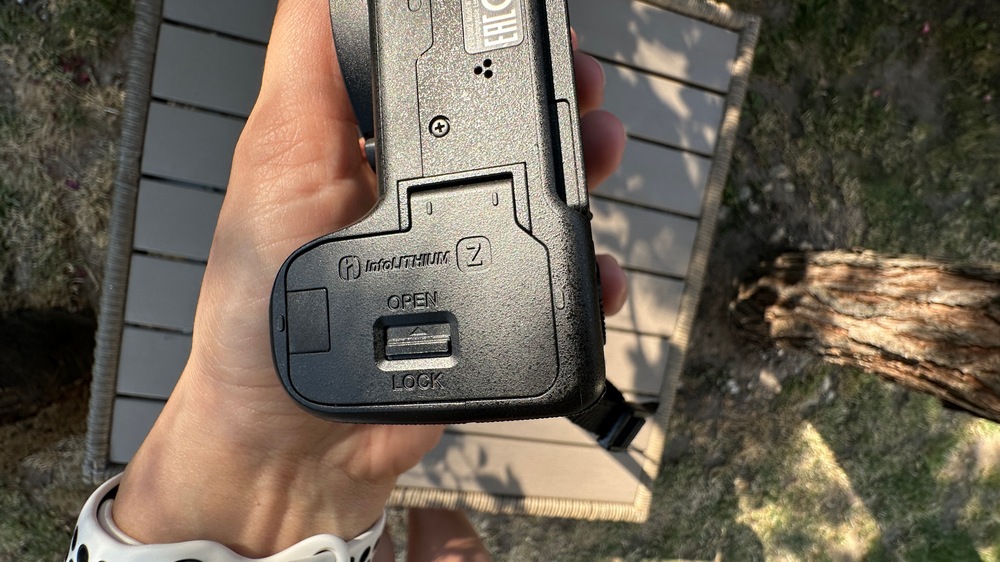
- Power: NP-FZ100 rechargeable battery; up to 610 shots or up to 195 minutes of video
- Stabilisation: digital (for video) + support for optically stabilised lenses
- Connectivity: Wi-Fi (2.4/5 GHz), Bluetooth 4.2, USB webcam (UVC/UAC), streaming via RTMP/RTMPS/SRT
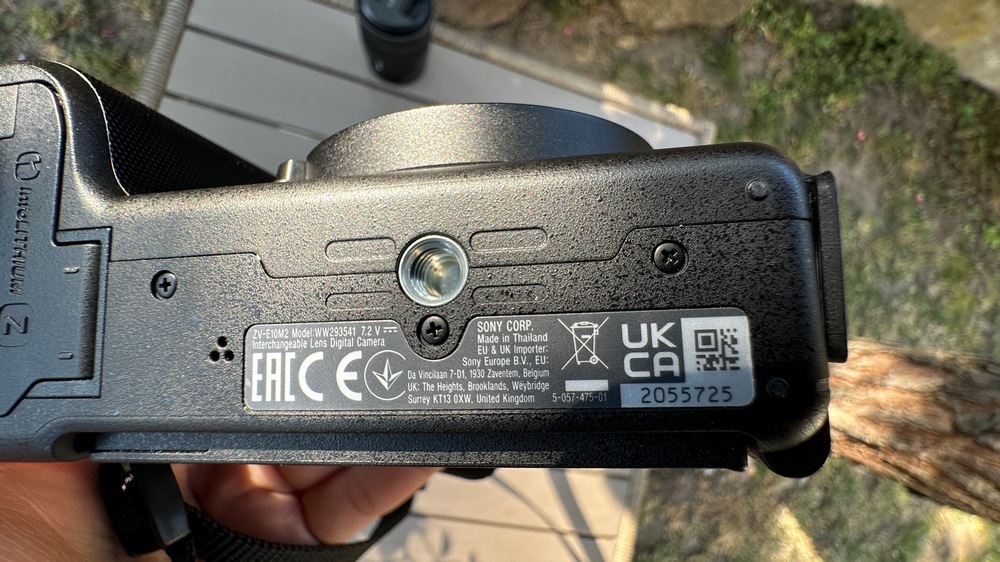
- Dimensions: 114.8 × 67.5 × 54.2 mm, weight: 292 g (body only), 377 g (with battery and card).
Positioning and price
If you’re a photographer who values portability and prefers a camera that doesn’t overwhelm with complex settings, the ZV-E10 II could be a solid choice. At launch, the camera was priced around $899 with a 16–50mm kit lens, or $799 for the body only. It’s well-suited for those working at a fast pace, who like to carry their camera everywhere, and prefer not to deal with extra weight. It’s especially practical for users who don’t plan to shoot complex commercial work requiring extensive manual setup, and who instead prioritize ease of use and convenience.

On the other hand, if you’re the type who likes to dive deep into settings, demands top-tier image quality, and wants full control over every frame, the ZV-E10 II might not be the best fit. This camera leans more toward practicality and speed rather than offering maximum flexibility or high-end performance. In other words, if you’re looking for an all-in-one “do-it-all” camera, you may run into some limitations here – and that’s to be expected.
Take the Sony Alpha a6400, for example, priced at around $900. It’s slightly older than the ZV-E10 II but features a similar sensor and solid autofocus performance. The main difference lies in the design – the a6400 follows a more traditional layout, while the ZV-E10 II is clearly geared toward video and content creators. If you’re after a more versatile setup, the a6400 might be a better fit. Another option is the Canon EOS M50 Mark II, which comes in at around $700. It’s lightweight, easy to use, and offers reliable autofocus along with Canon’s signature color science. While it leans more toward still photography than video, it’s a strong contender in its price range. Plus, Canon’s color rendering is something many users appreciate.
The Nikon Z50, priced at around $850, is a more advanced option with better ergonomics and more in-depth photo settings. It’s a bit heavier, but offers a high-quality electronic viewfinder and solid image quality. For those who prefer a more traditional DSLR-like shooting experience in a compact mirrorless body, the Z50 is worth considering. Each of these cameras brings its own strengths to the table and appeals to a different type of user. The ZV-E10 II is best suited for those looking for a straightforward, easy-to-use, and modern camera that delivers good results without requiring much technical adjustment.
Package contents
The Sony ZV-E10 II was officially unveiled in June 2024, and by January 2025, it was already available in Ukrainian stores. It quickly drew attention, often labeled as the new favorite for vloggers – thanks to its upgraded sensor and solid video capabilities. But as always, my first focus is on what’s actually in the box. If it had come with the usual dull packaging and yet another micro-USB cable, that would’ve been disappointing. Fortunately, that’s not the case here – Sony took a more serious approach this time.
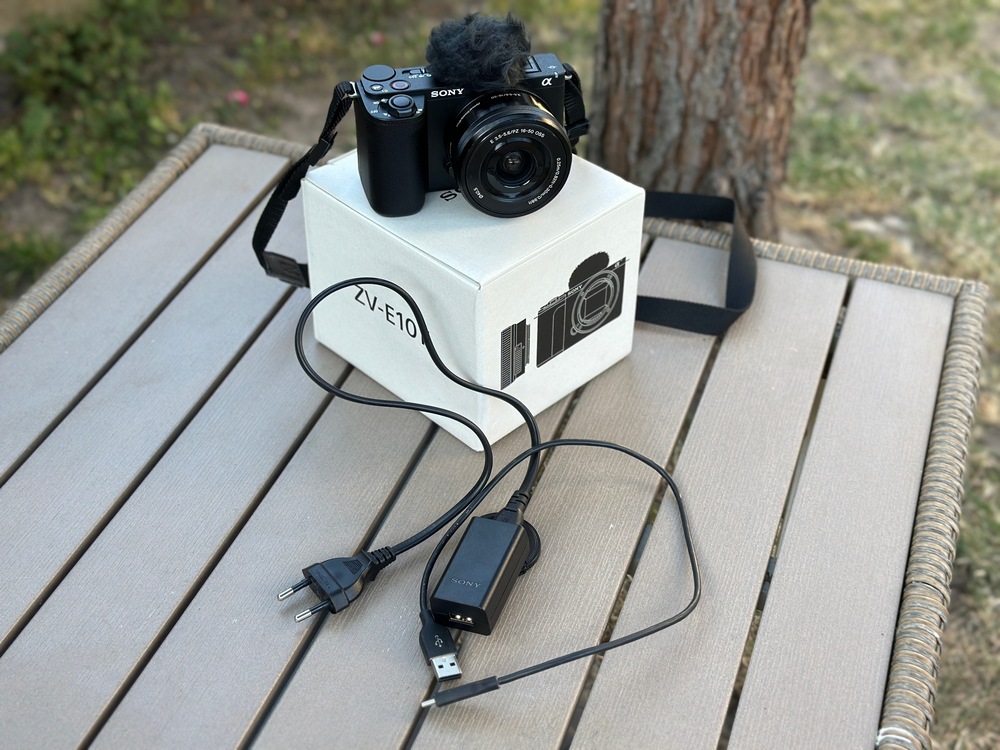
This time, the box is white, square, and surprisingly neat – something that feels like it was designed by Apple, but with a bit more restraint. Inside, you’ll find the camera itself, an NP-FZ100 battery (finally a serious power source, not the tiny “toy” battery from the original ZV-E10), a strap, a USB-C cable, a windscreen for the built-in microphone, and the usual paperwork that most people ignore. Overall, it includes everything you need to start shooting right away. There’s no flashy presentation, but also no cost-cutting on the essentials.
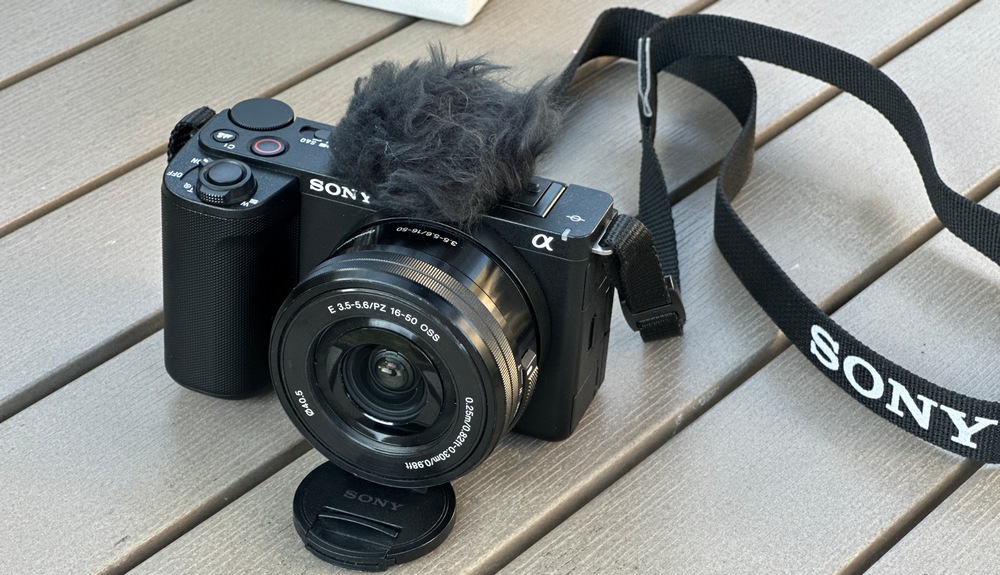
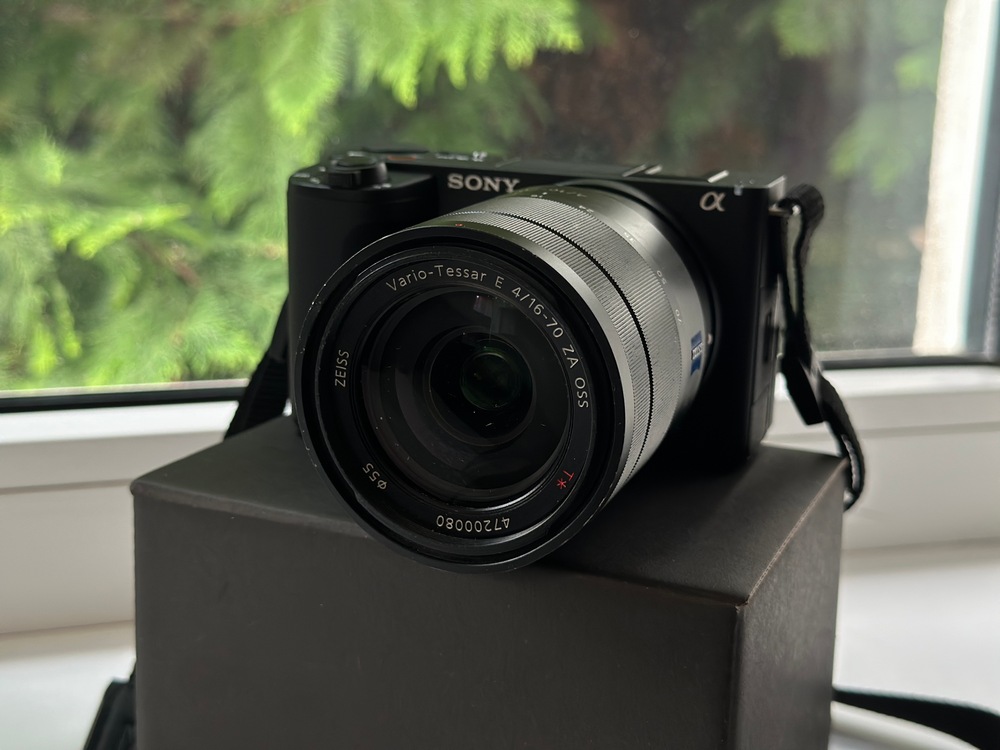
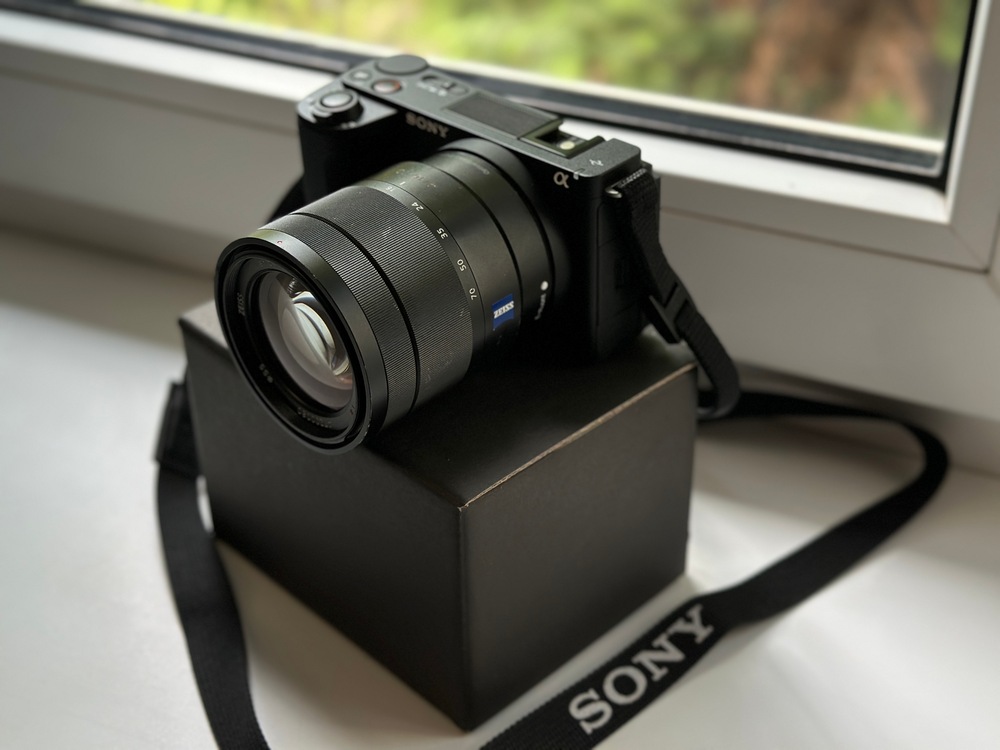
The kit includes the basic 16–50mm f/3.5–5.6 OSS zoom lens, which is familiar to many: compact, lightweight, with motorized zoom, making it suitable for beginners, vlogging, or situations where you don’t want to carry heavy glass. For this review, I also received a different lens – the Sony Zeiss Vario-Tessar E 16–70mm f/4 ZA OSS – and that’s a completely different story. I swapped it on right away and didn’t look back at the kit lens. Carl Zeiss built this lens with care: a metal body, a constant f/4 aperture throughout the zoom range, premium T* coating, impressive stabilization, and sharp detail. It feels substantial in the hand, weighing 308 grams – definitely something serious.
The minimum focusing distance is 35 cm, so shooting a cup of coffee with a laptop in the background at a café is easy, and with stabilization, your hand won’t shake even if it’s your third coffee of the day. The autofocus is quiet and fast, locking on accurately without hesitation or hunting – in short, it performs better than your ex.
By the way, throughout this review, you’ll also see some photos taken not only with the kit and Zeiss lenses but with my personal Yongnuo YN 50mm f/1.8S DA DSM for the E-mount. It’s an affordable prime lens with a wide aperture that delivers pleasant bokeh and decent sharpness – especially around f/2.8 – and remains fairly compact for a full 50mm lens. The autofocus isn’t the fastest, but considering the price, it’s a solid option for portraits or artistic shots. So if you notice some nice light effects and creamy depth of field, chances are it was taken with this lens.
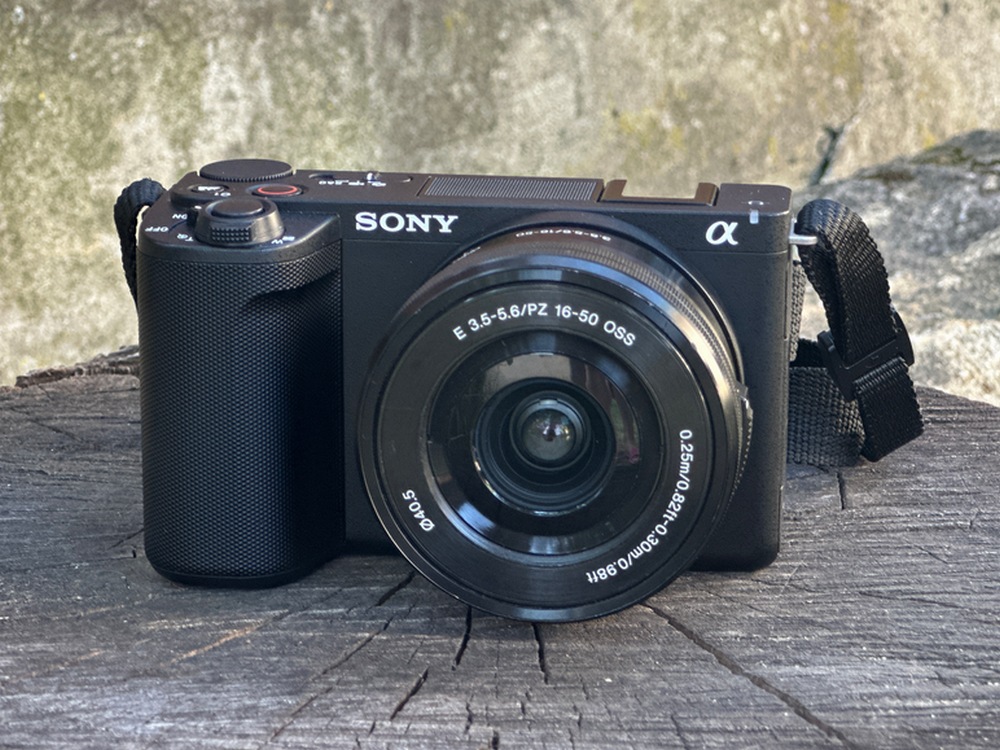
The camera feels solid and secure in hand, with a sturdy build – there’s no creaking, wobbling, or any sense that it might fall apart like some DIY kits from less reputable brands. Power it on, and it’s clear this isn’t just a typical vlogger gadget; it has a certain character. Out of the box, it’s ready to go – just pop in a memory card and start shooting. Want to photograph street cats? No problem. Want to vlog about not vlogging? That’s even easier. Fair warning: this setup might ruin your weekend because you won’t want to put it down – unless the battery runs out. But for that, there’s a power bank. And coffee.
Read also:Online Safety: How to Protect Your Data – Even When You Let Your Guard Down
Ergonomics
To be clear from the start: I wrote this review from the perspective of someone who has spent a long time shooting with the Sony A6000, and who also has experience with the original Sony ZV-E10. I understand well what it means to own a camera that lacks a front dial but makes up for it with confidence in its capabilities. With that in mind, I looked at every aspect of the ZV-E10 II not just as a new release, but as a potential successor to my reliable old camera. Honestly, it has a good chance of becoming just that.
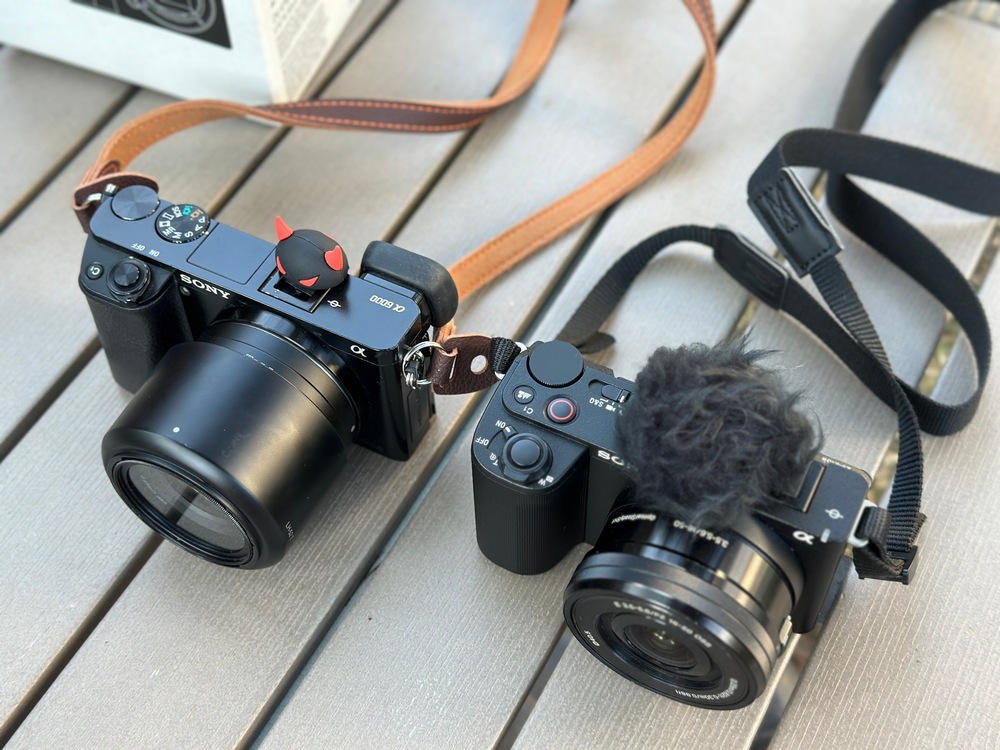
The body shape is familiar but upgraded: the camera remains compact without feeling toy-like. The grip is deeper and more comfortable, so even with heavier lenses, there’s no sense that something might slip or fall. It’s a practical and pleasant improvement – especially for someone like me who shoots extensively and for long periods without a tripod, using lenses that have their own weight to manage.
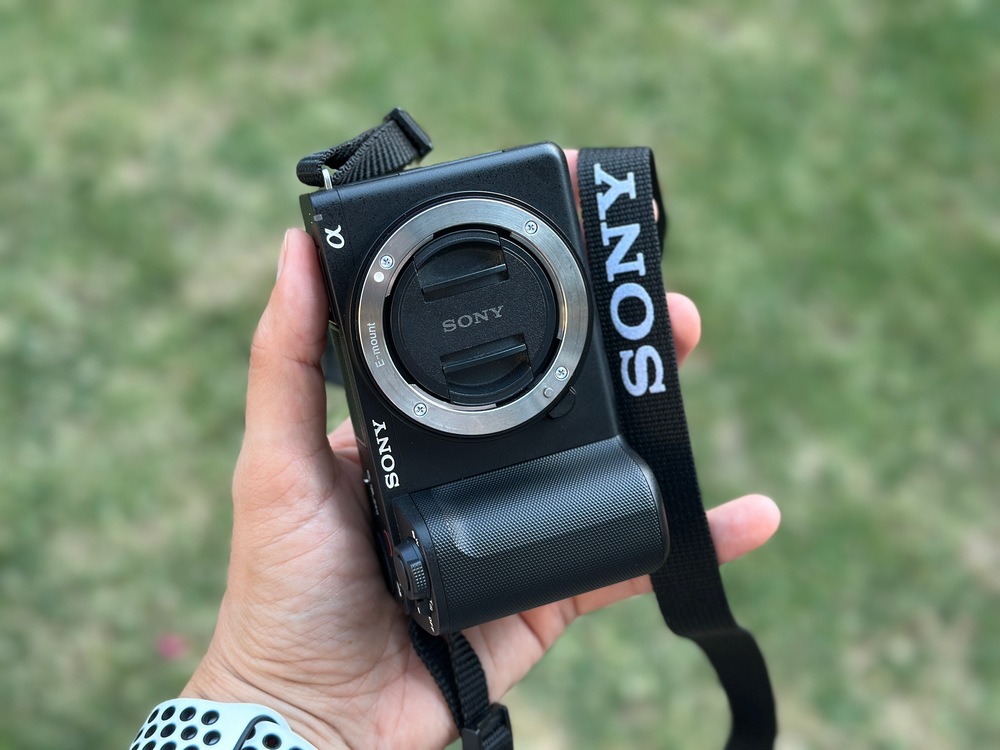
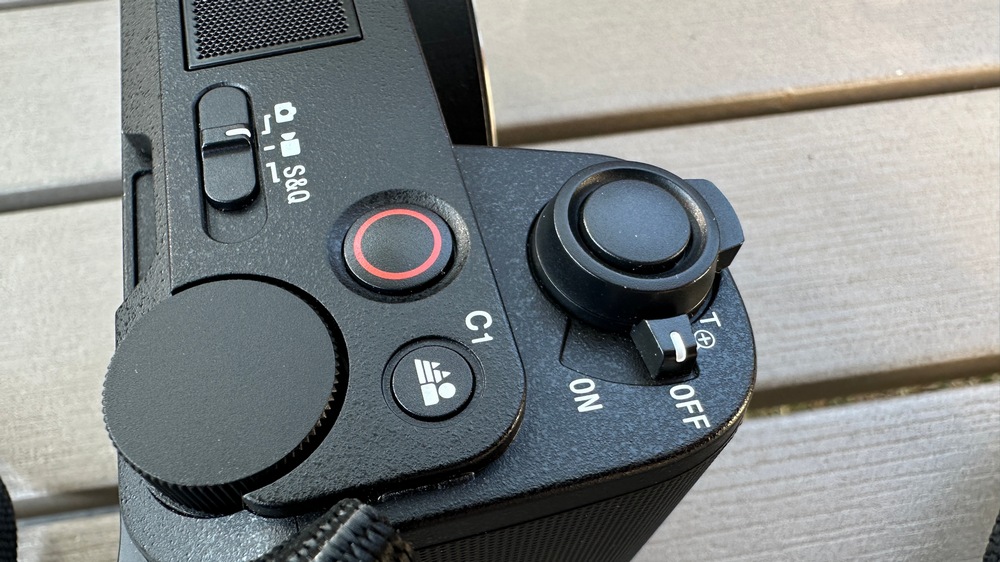
Speaking of weight and balance: the ZV-E10 II isn’t heavy, but it feels noticeably more grounded. This becomes especially clear when shooting video or holding the camera for extended periods – the hand tires less quickly, and the camera remains steady during sudden movements. A particular highlight is the addition of the front control dial. Finally, Sony included one! It allows you to quickly adjust aperture, shutter speed, and ISO without navigating complicated menus or awkward hand movements. Even the record button is now positioned exactly where it should be – right under your finger.
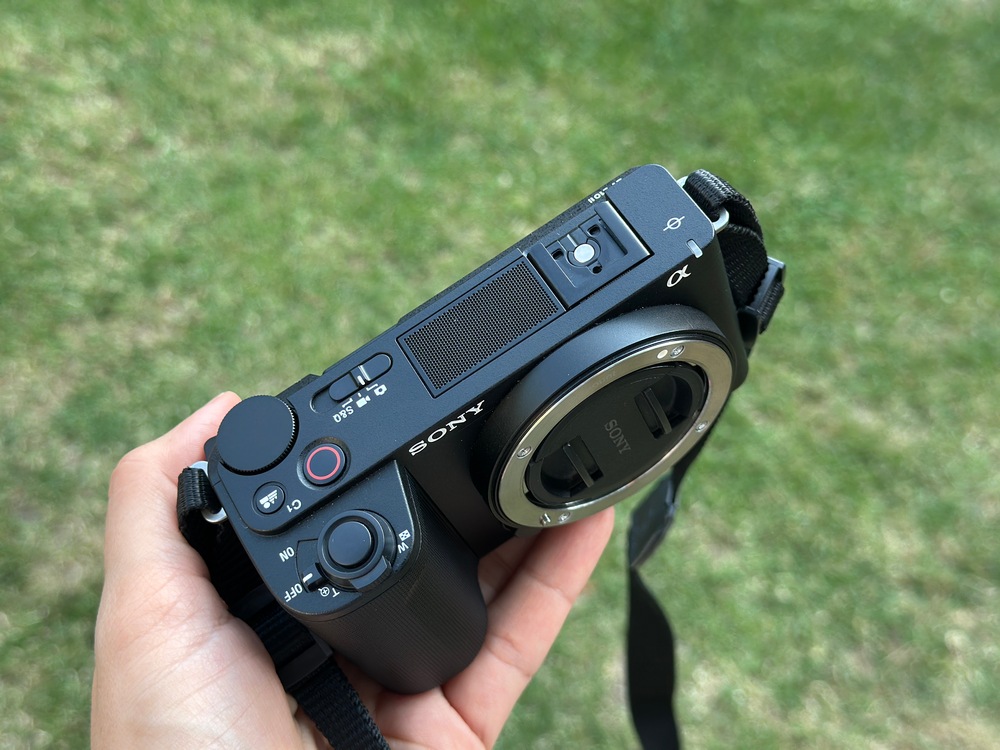
Another welcome addition is the touchscreen flip-out display. Navigating menus by touch is, frankly, a bit of a revolution for Sony. No more endless button presses just to switch shooting modes.
Overall, the ergonomics of the ZV-E10 II demonstrate how to create a comfortable, compact, yet professional camera without unnecessary flair. Everything is where you’d expect it to be, the layout is logical, and the controls work smoothly. If, like me, you’ve spent years shooting with older Sony models, this camera will make you feel like the time has finally come – one that’s genuinely designed with photographers in mind.
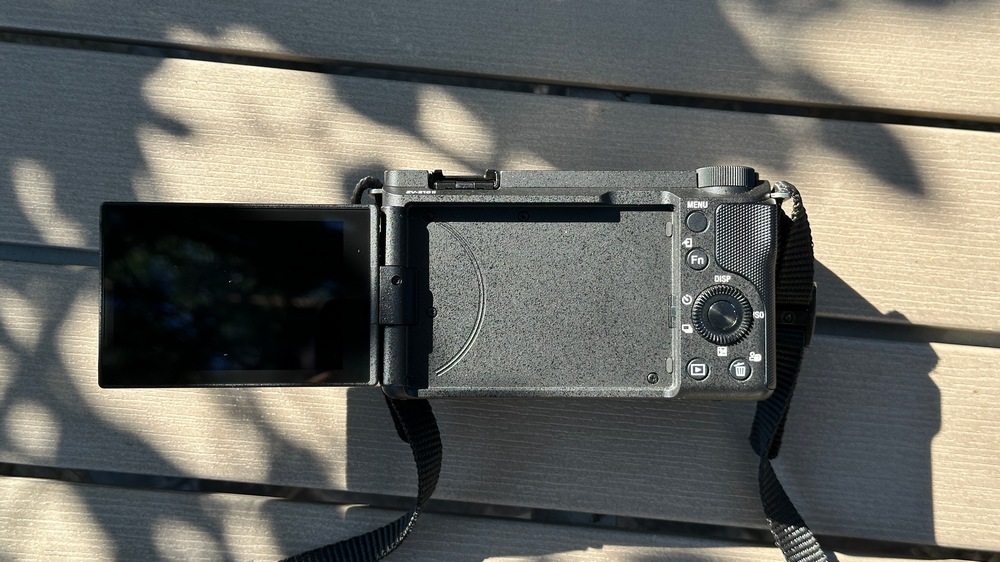
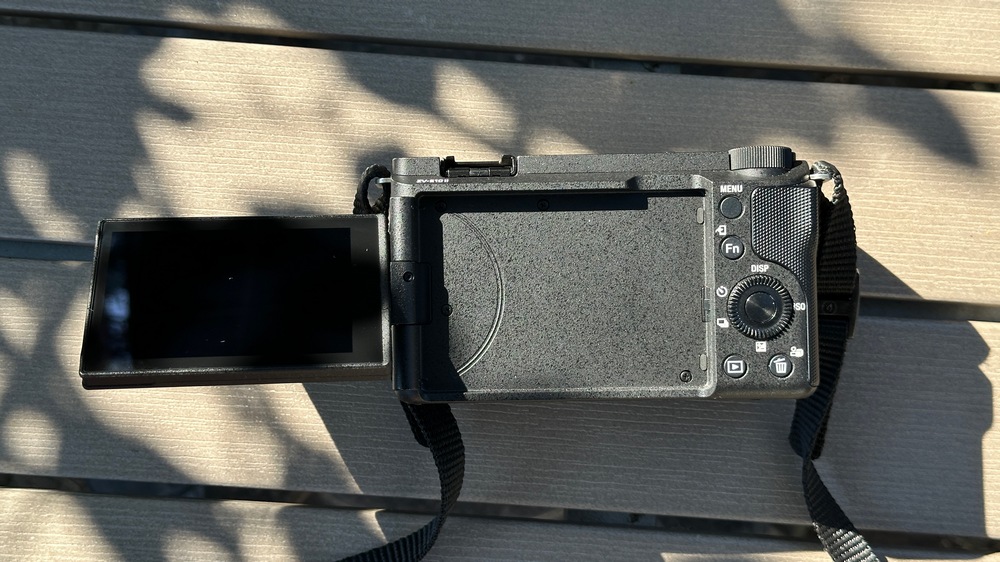
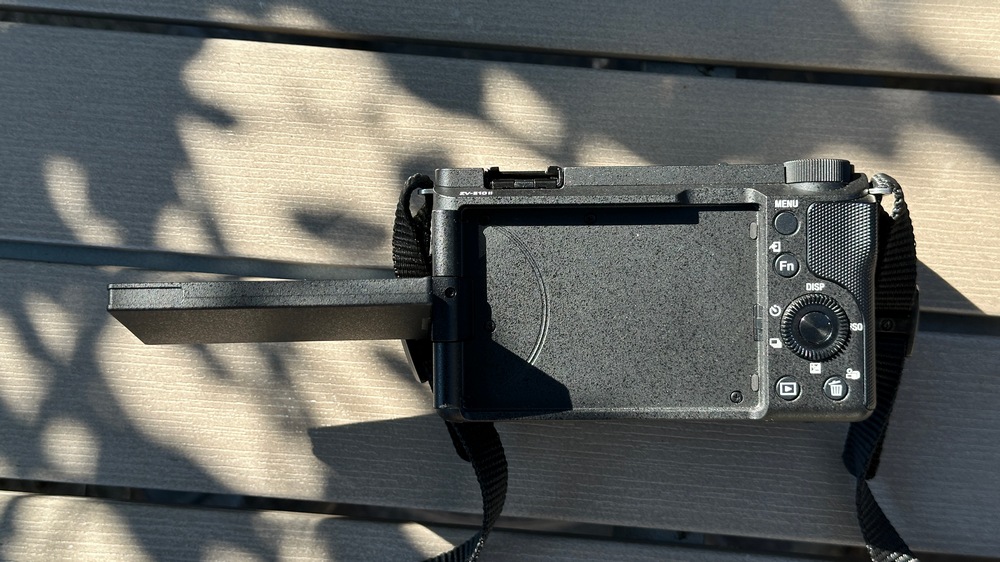
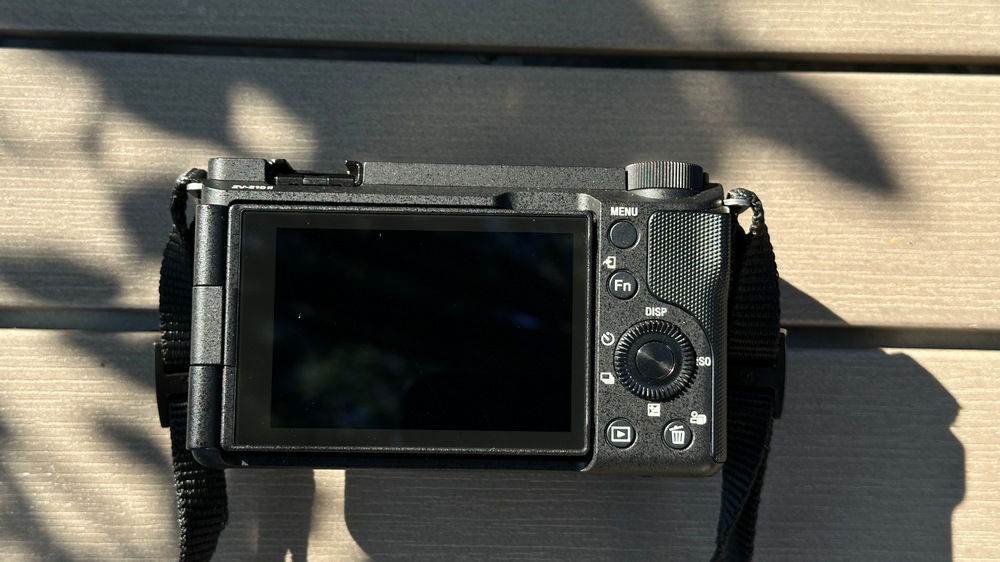
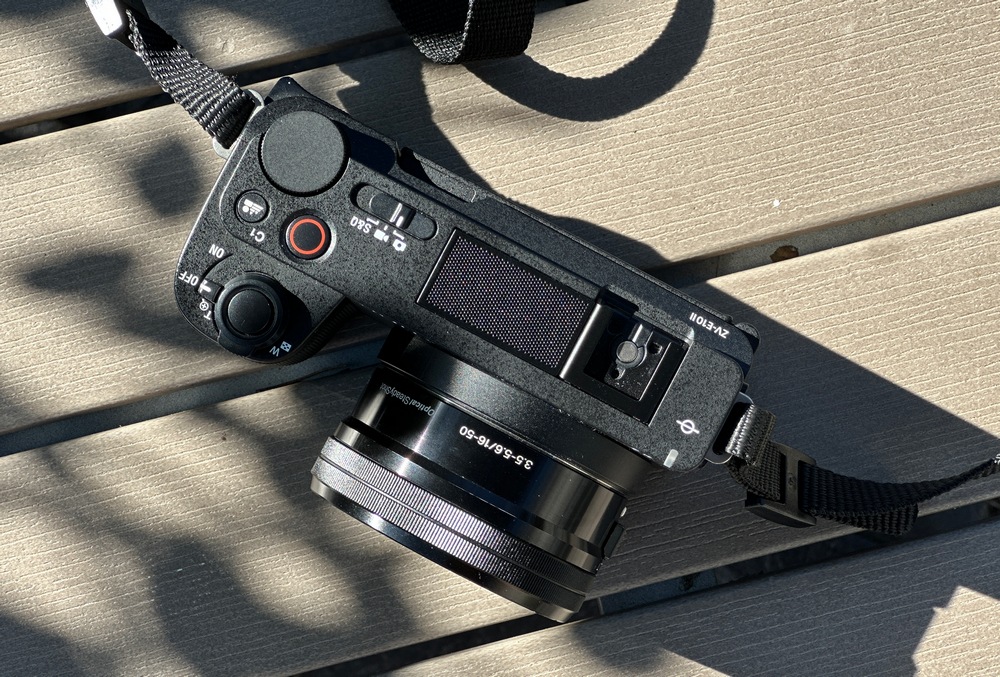
On the front panel, alongside the classic Sony E-mount, you’ll find a microphone input and an autofocus indicator near the signature α logo. The mount itself is a key feature, compatible with a wide range of Sony and third-party lenses – from ultra-wide angles to portrait primes. For those who use tripods or stabilizers, the standard 1/4-inch thread means almost any tripod will fit. To the right of the mount is a clearly defined and comfortable shutter button. Just beside it sits the traditional mode dial, allowing quick switching between photo, video, manual, and automatic modes.
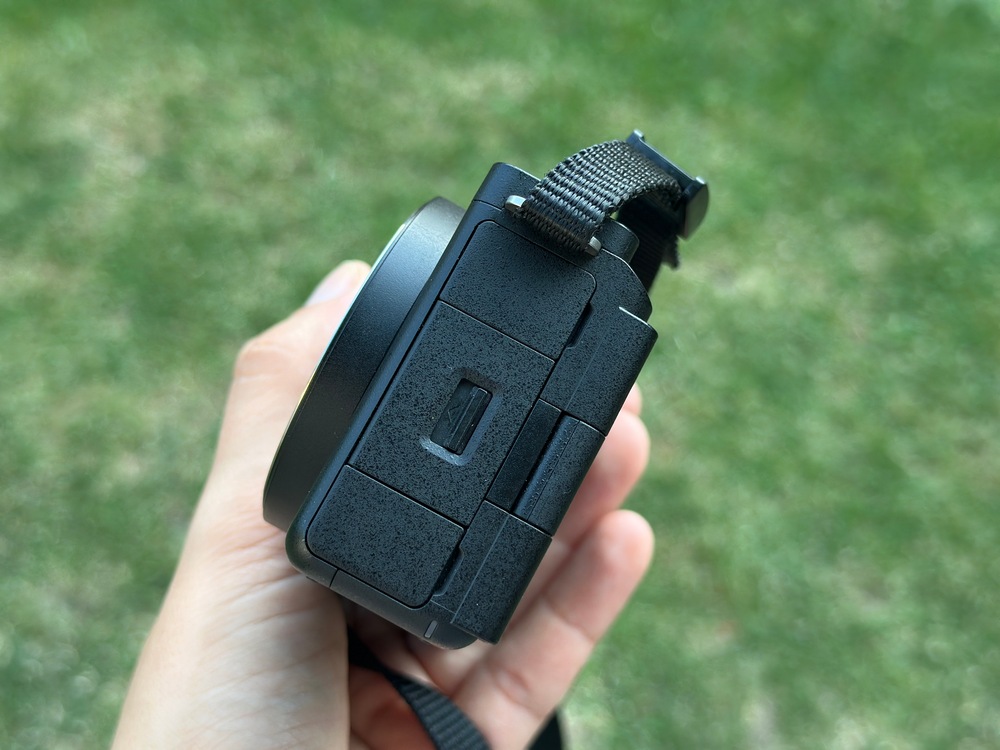
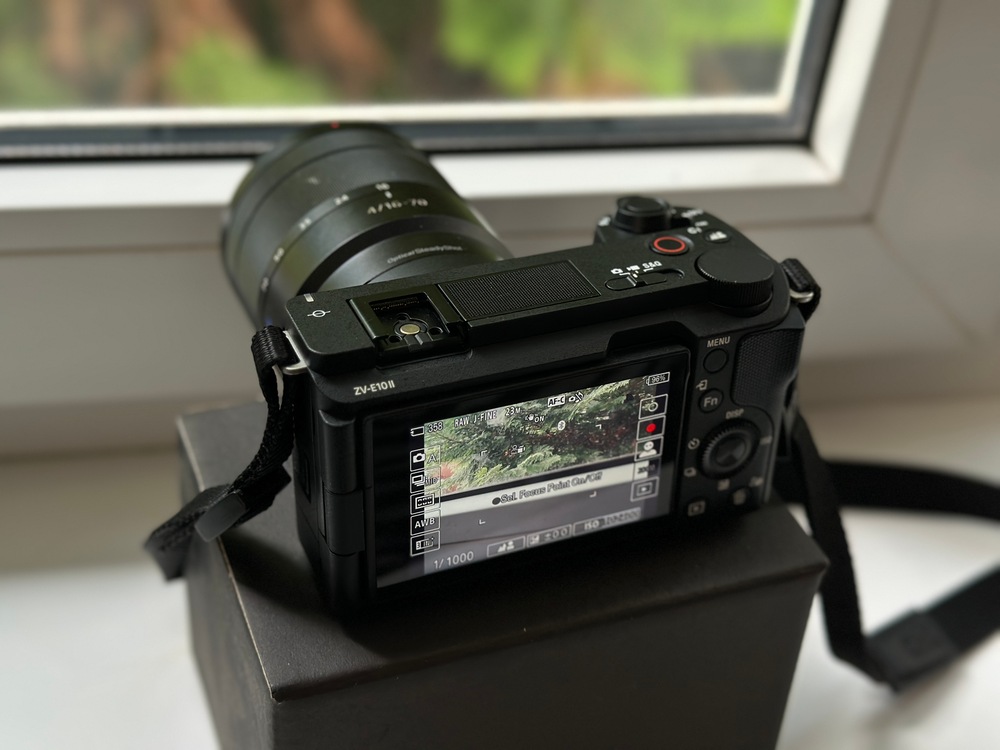
On the back, the camera offers a user-friendly setup: a large, 180-degree flip-out touchscreen with vibrant color reproduction. This makes it ideal for vloggers and selfies, as you can both see yourself and easily adjust settings. Next to the screen is a set of buttons including menu, delete, a prominently marked red video record button to avoid misses, and navigation buttons with quick-access functions. The buttons are well-defined and provide satisfying tactile feedback.
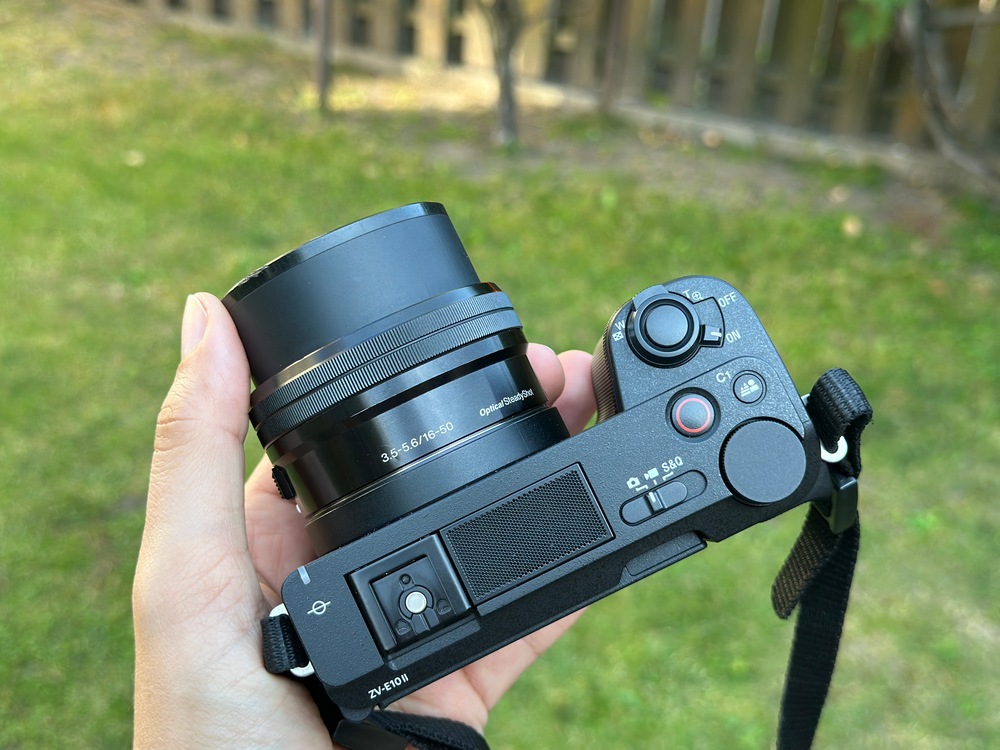
On the top panel, besides the standard hot shoe for an external microphone or light, there’s a built-in microphone covered by a small protective grille. You’ll also find a joystick for autofocus adjustment – a feature that has become almost standard for Sony – which operates smoothly and precisely. Another convenient detail is a dedicated power switch. Overall, the layout ensures quick and easy access to the most important controls, even during active shooting.
Read also: How to Prevent Your Laptop from Overheating
Matrix and image quality
The Sony ZV-E10 II features an updated 26-megapixel APS-C Exmor R sensor with back-illumination. In theory, this sensor should perform better in challenging lighting conditions and offer improved detail compared to the previous 24-megapixel model. In practice, the difference isn’t dramatic, but it becomes noticeable when cropping images or working with RAW files – especially in fine textures and small details like hair or fabric.
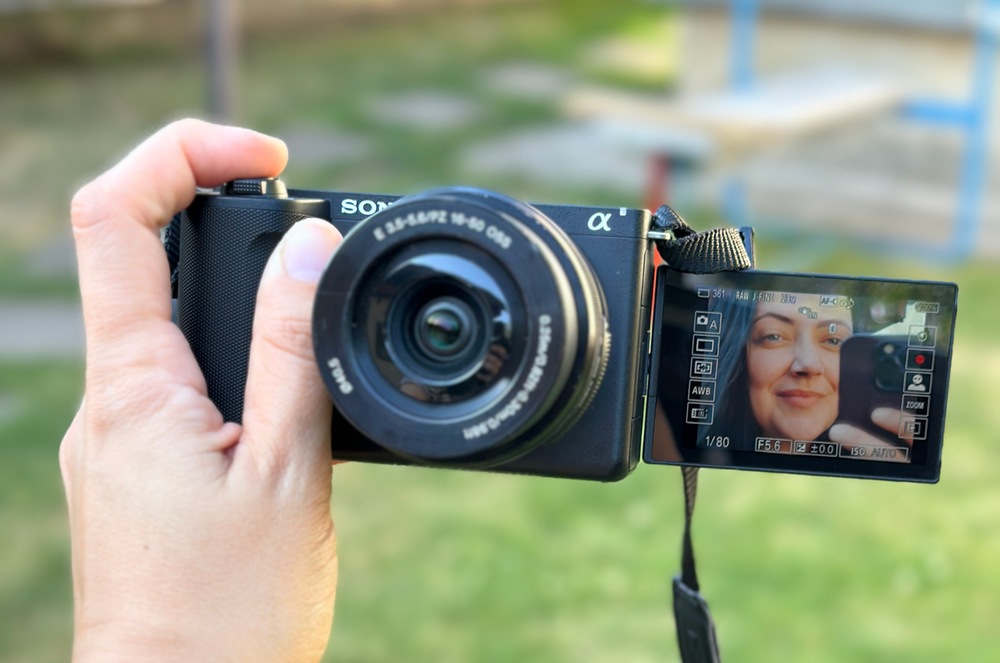
Images are quite clean at low ISO levels, and even at ISO 3200, noise remains manageable. At ISO 6400, some noise becomes more noticeable, but for social media or typical reportage work, it’s usually not a major issue. That said, if you’re sensitive to minor artifacts, you’ll likely need to apply some noise reduction during post-processing. The color profile is neutral and unembellished – Sony doesn’t try to guess your aesthetic. What you shoot is essentially what you get, which will appeal to those who shoot in RAW and prefer to handle color grading themselves.
Please note: all photos in this review are presented as compressed JPEGs for easy viewing, even on mobile devices. However, if you want to see the unedited quality, full-size original photos and videos are available at this link.






The BIONZ XR processor noticeably improves speed – photos shoot without lag, and the interface runs smoothly. Continuous shooting works with minimal delay. This feels like a step up from the budget-level performance of the older A6000, though there are occasional moments when the buffer fills up and you have to wait. Autofocus is one of the camera’s strongest points. With 759 phase-detection points, the system is extensive and effective. It reliably tracks eyes and faces, even when the subject is moving. I didn’t notice any delays or random failures.
A notable update is the redesigned interface. When holding the camera vertically, the menu automatically rotates, which is convenient for those who shoot frequently for social media or simply don’t want to strain their neck when working with the camera at arm’s length. It’s not a revolutionary change, but a small, thoughtful improvement that genuinely enhances usability.
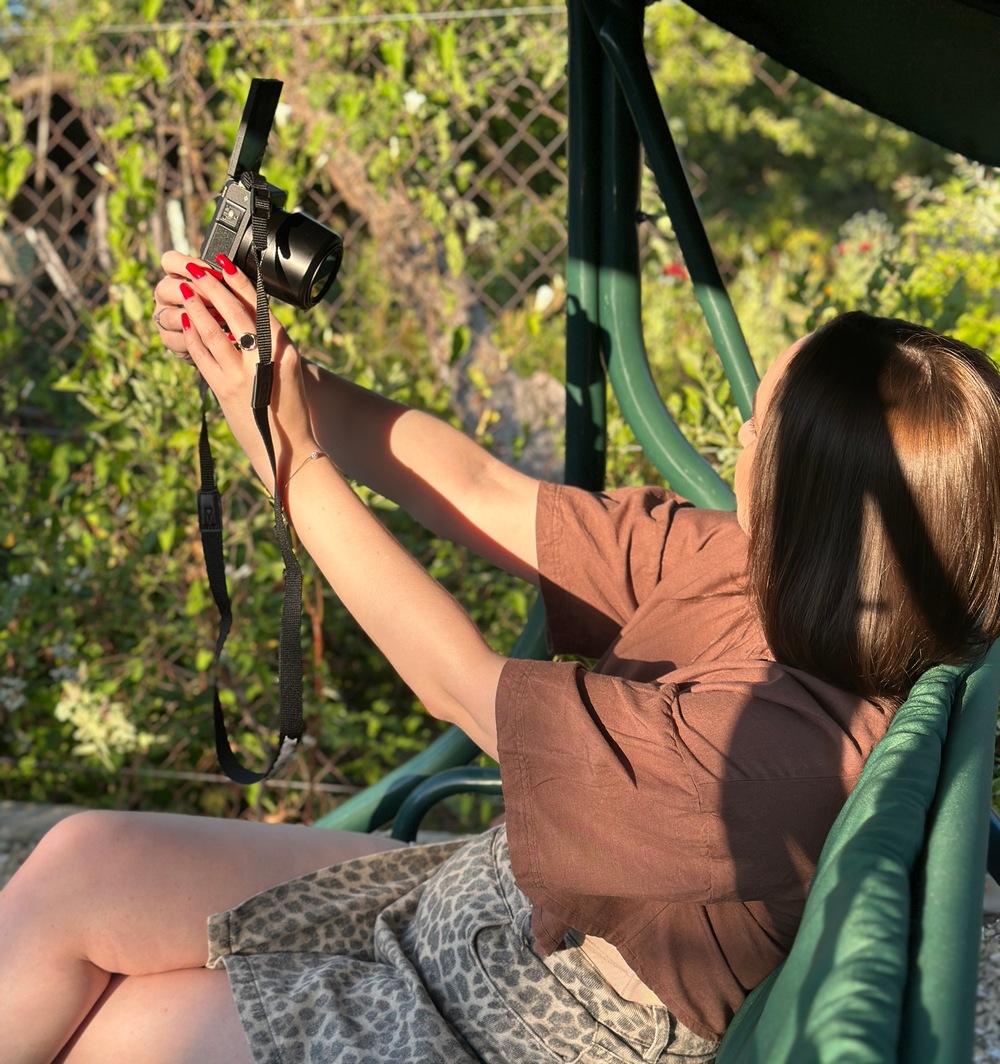
The dynamic range is average for this class of camera. The sensor does a good job of preventing highlights from blowing out, but in high-contrast scenes, it’s advisable to underexpose slightly to preserve detail. Shadows recover reasonably well, though noise becomes more apparent. Overall, the new sensor offers a bit more latitude for post-processing, improved detail, reliable autofocus, and accurate colors. Is it worth upgrading to this model solely for the sensor? Probably not. But as a new camera, it provides a solid, dependable foundation without unexpected drawbacks.
Read also: Network-Centric Warfare: How Warfare Is Evolving in the 21st Century
Shooting modes
As soon as you open the shooting menu, the Sony ZV-E10 II presents a familiar yet slightly updated set of modes. Photo, video, S&Q (slow and quick motion), manual settings, and auto – all are there, like old school friends at a reunion: some have changed, some have aged, but all are recognizable.
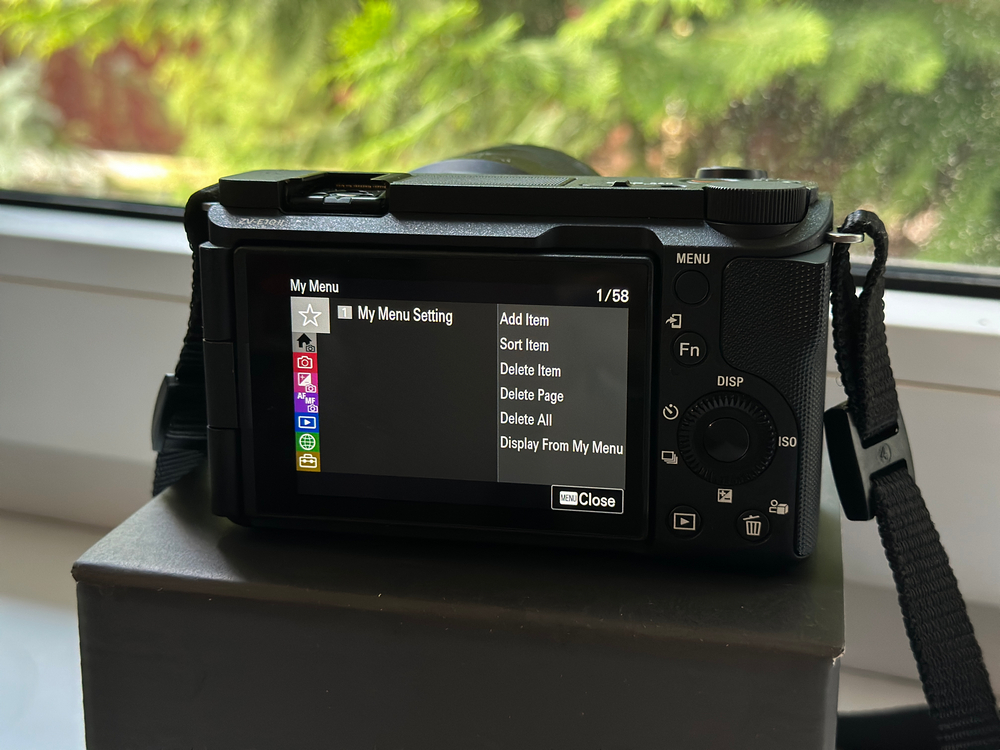
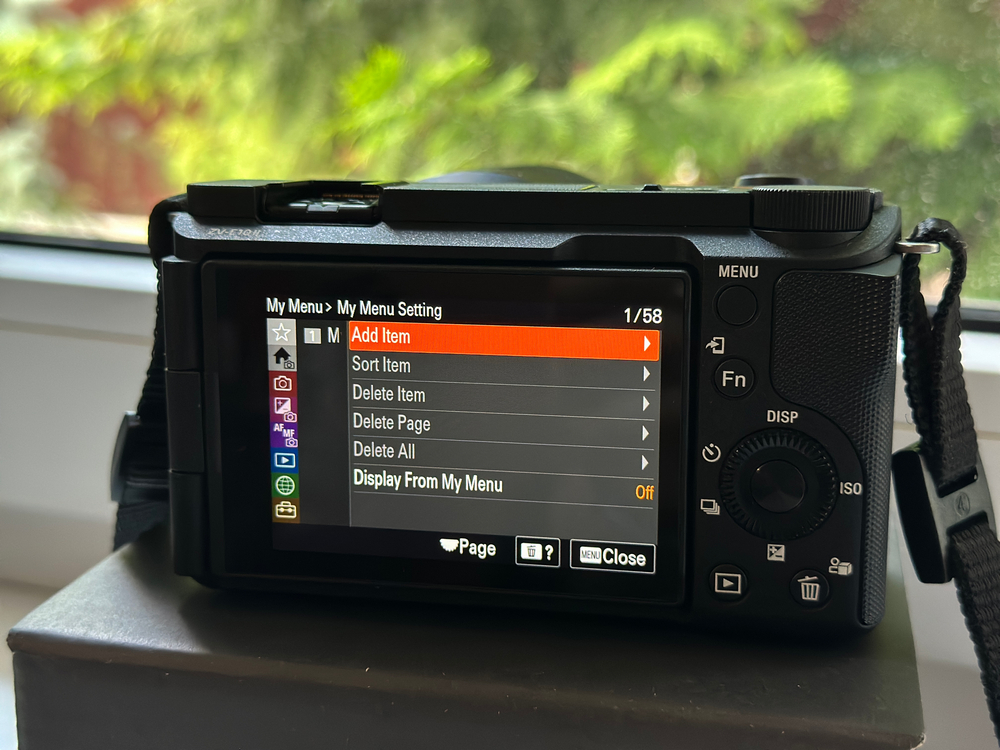
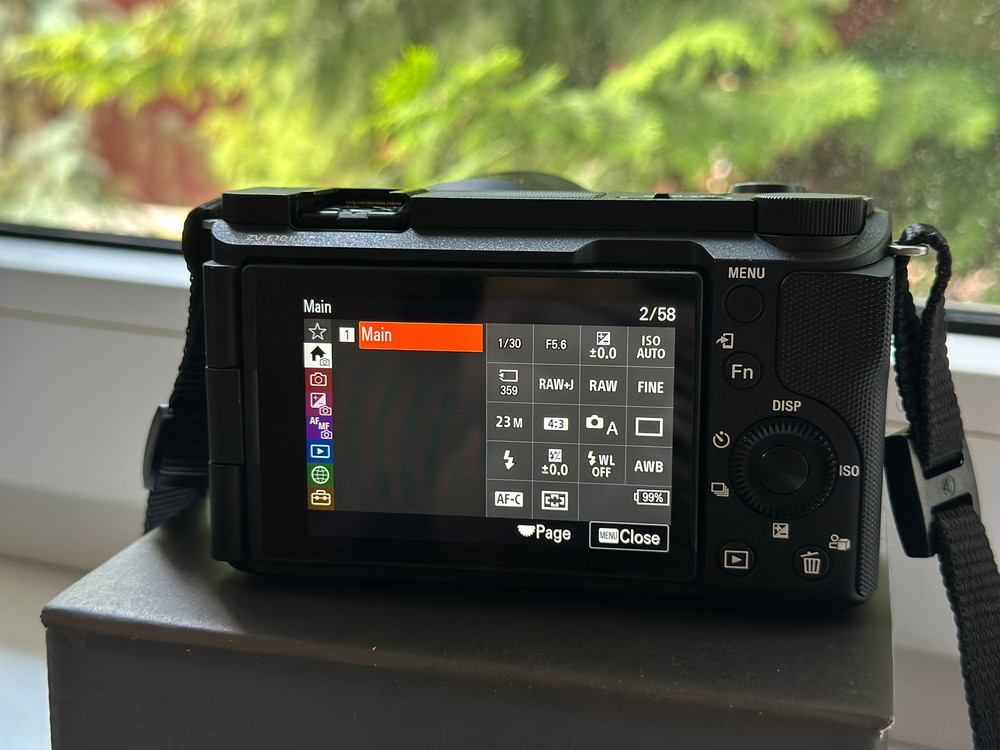
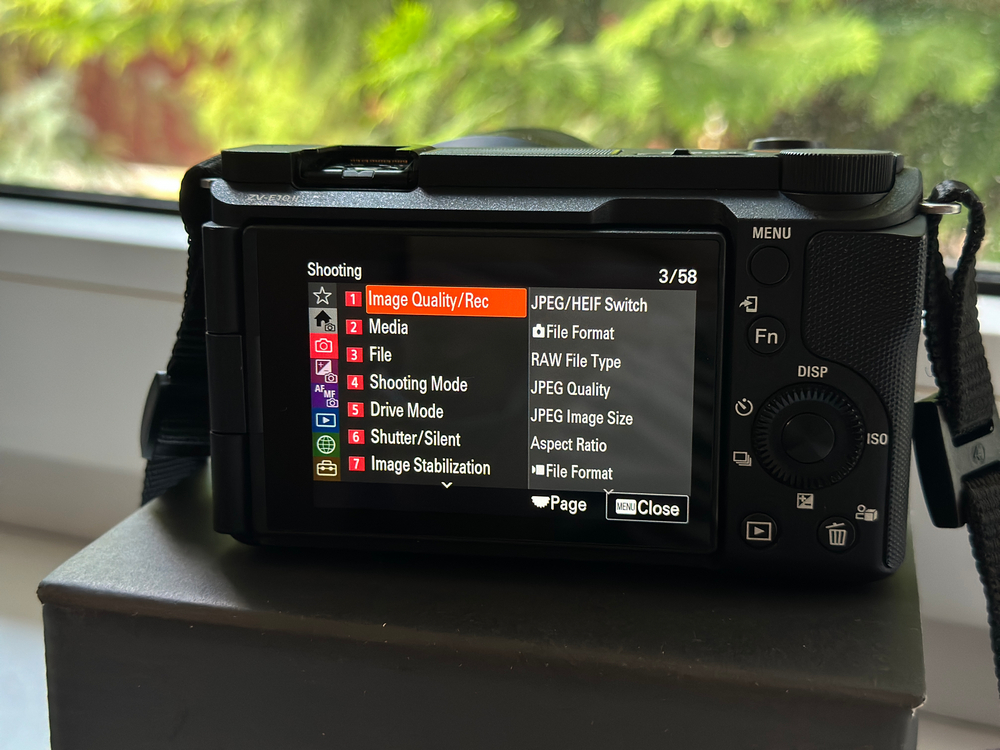
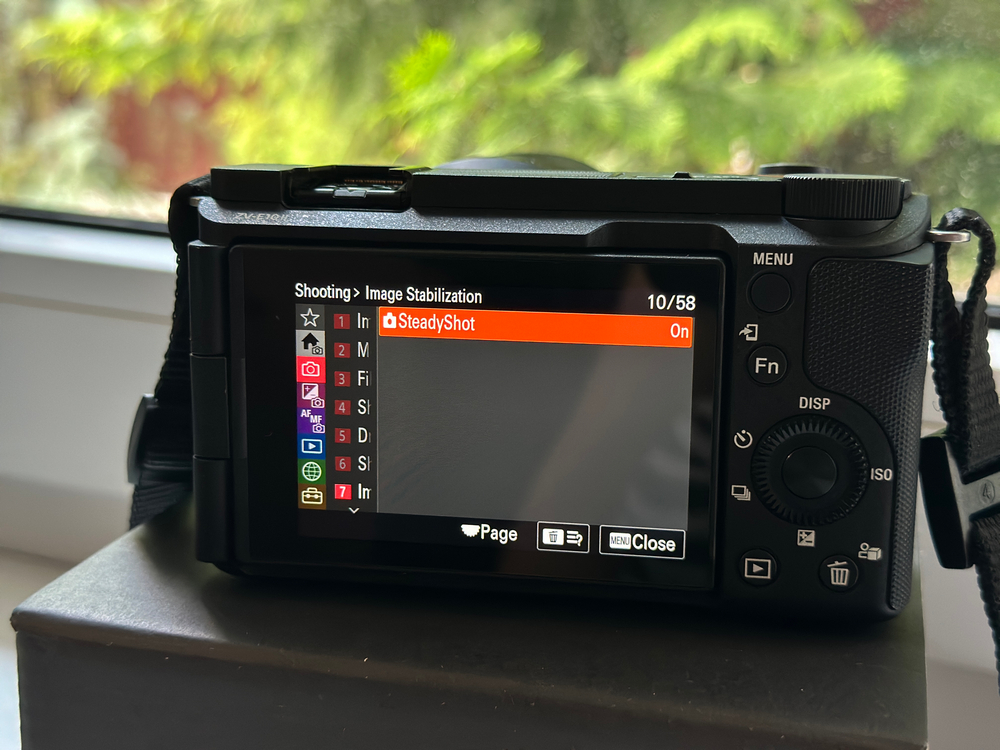
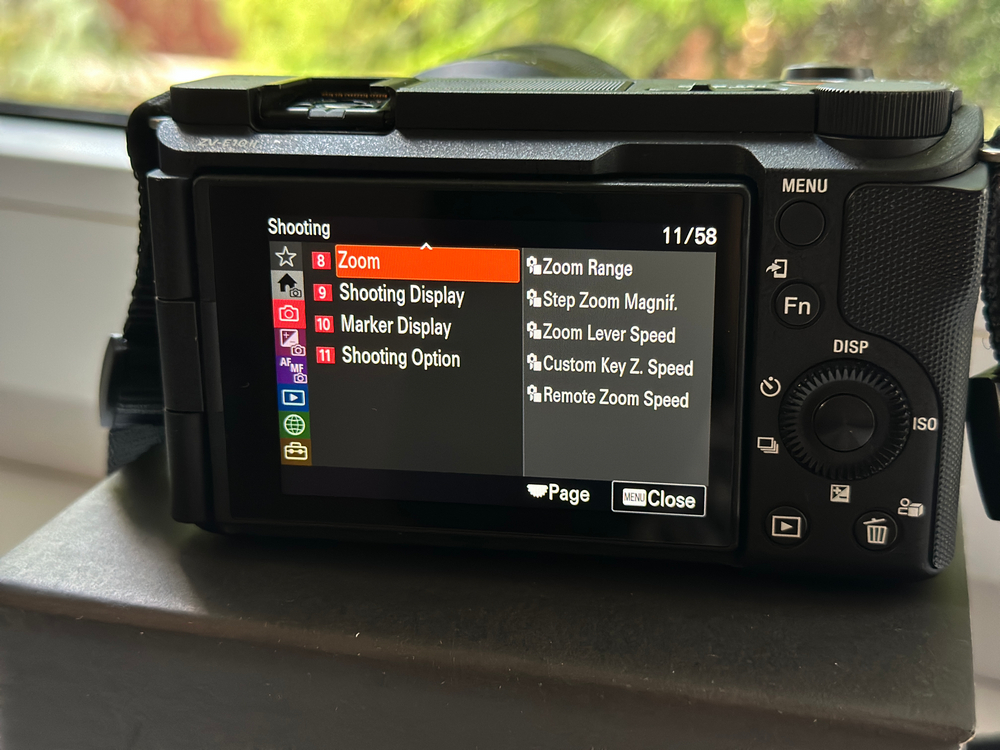
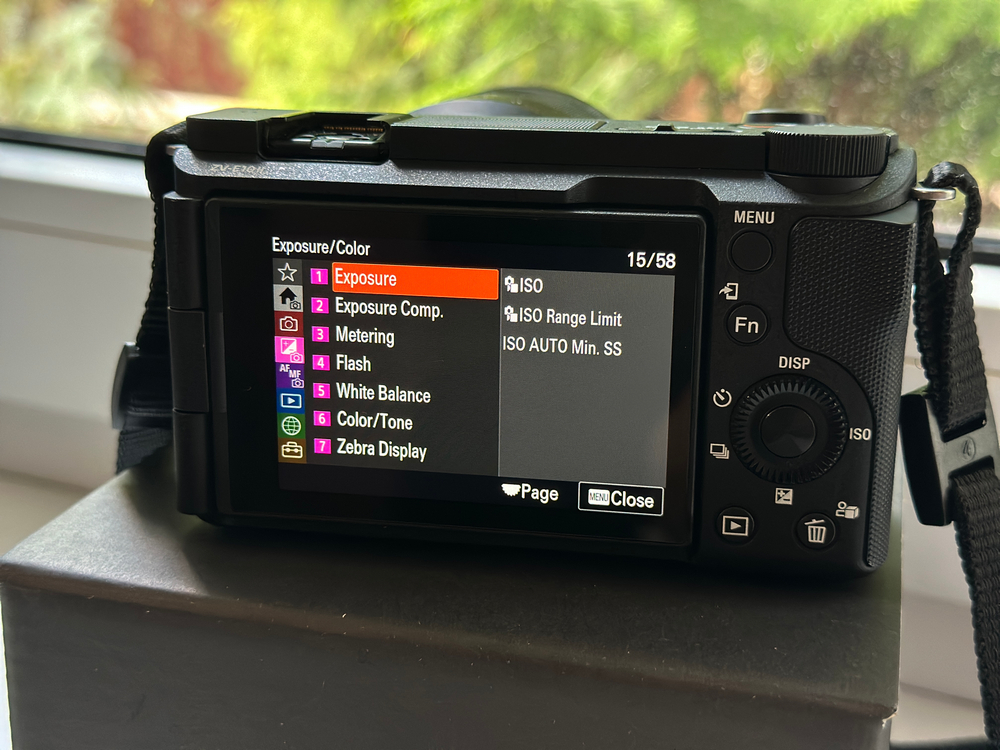
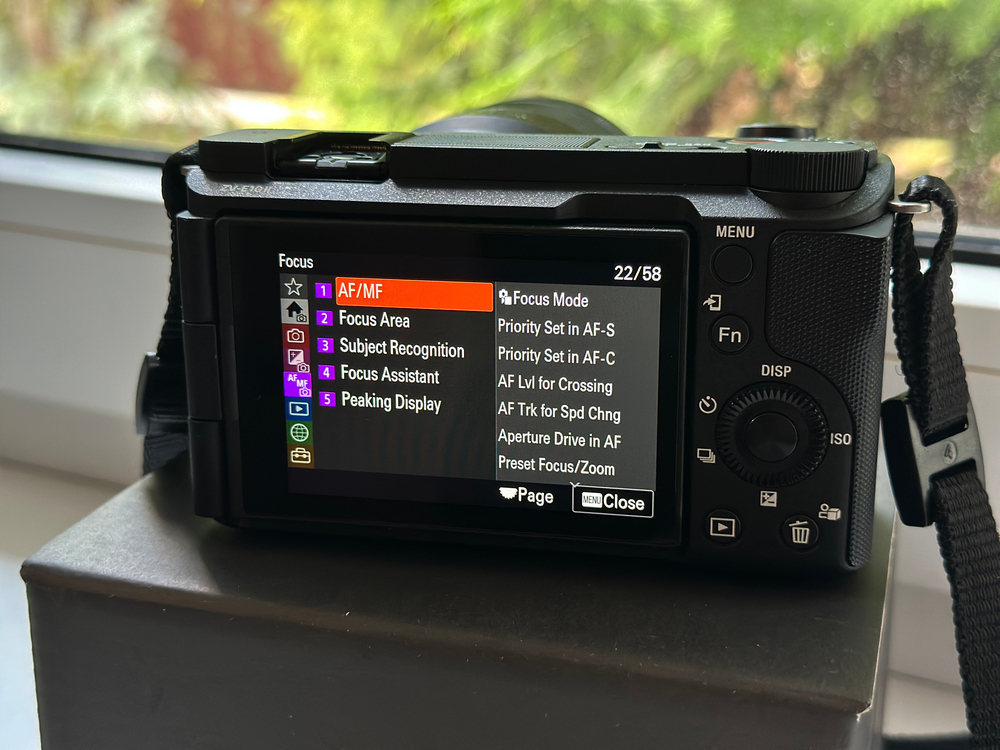
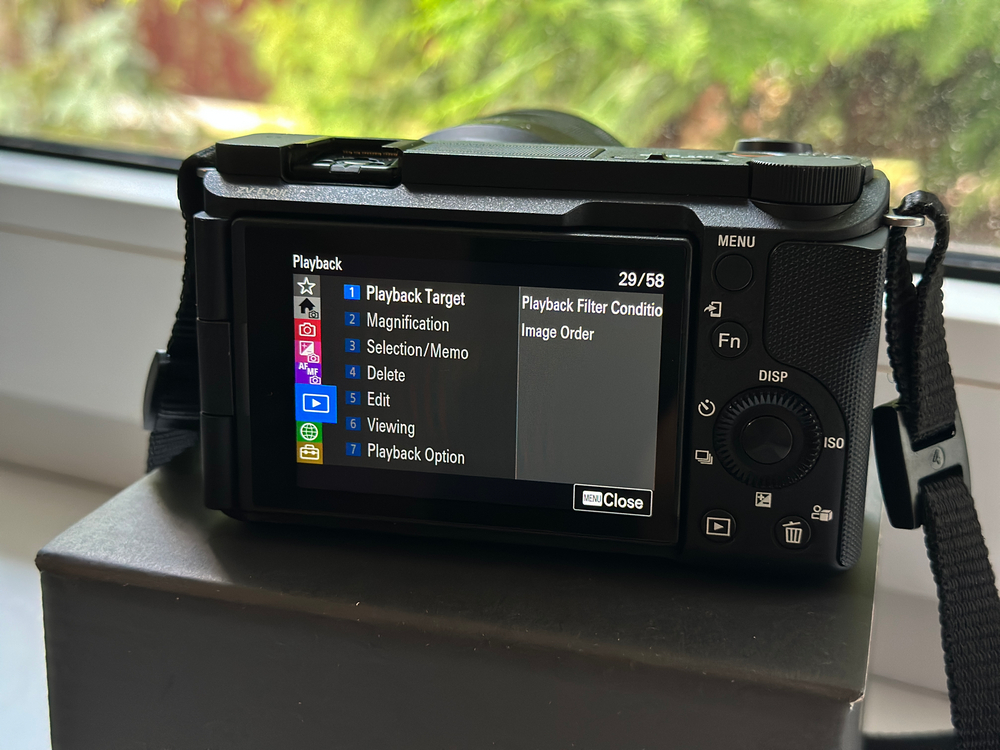
The camera body lacks the traditional mode dial found on many other Sony Alpha models. Instead, everything is controlled through the Fn menu or the customizable “My Dial,” depending on your preference. Personally, I’m used to managing modes via custom buttons, so this wasn’t a drawback for me. However, if you’re coming from a camera like the A6000, you might miss the physical dial a bit.
The S&Q (Slow & Quick Motion) mode is now genuinely useful – you can shoot 4K slow motion up to 5x slower or speed things up as well. Conveniently, the camera automatically adjusts the frame rate to match the final output, so you don’t have to mess with timelines in post-production. The automatic mode surprised me by simply not being annoying. Sony has quietly improved its auto exposure to handle tricky backlighting without blowing out highlights. For vloggers or anyone wanting to capture “nice-looking” footage without hassle, this mode fits the bill.
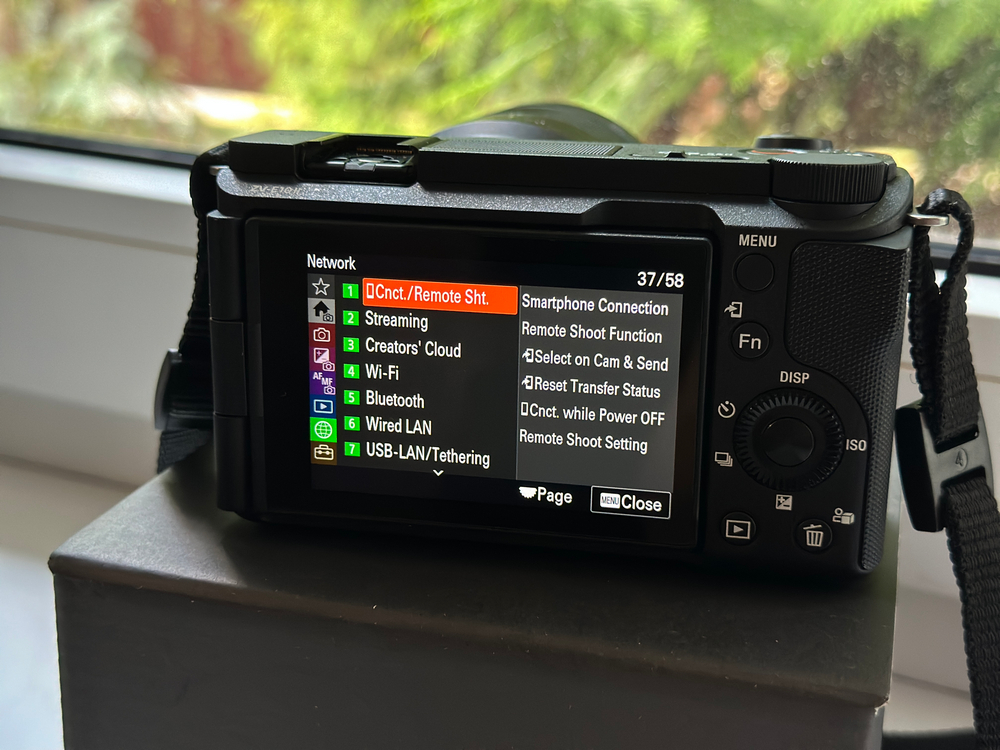
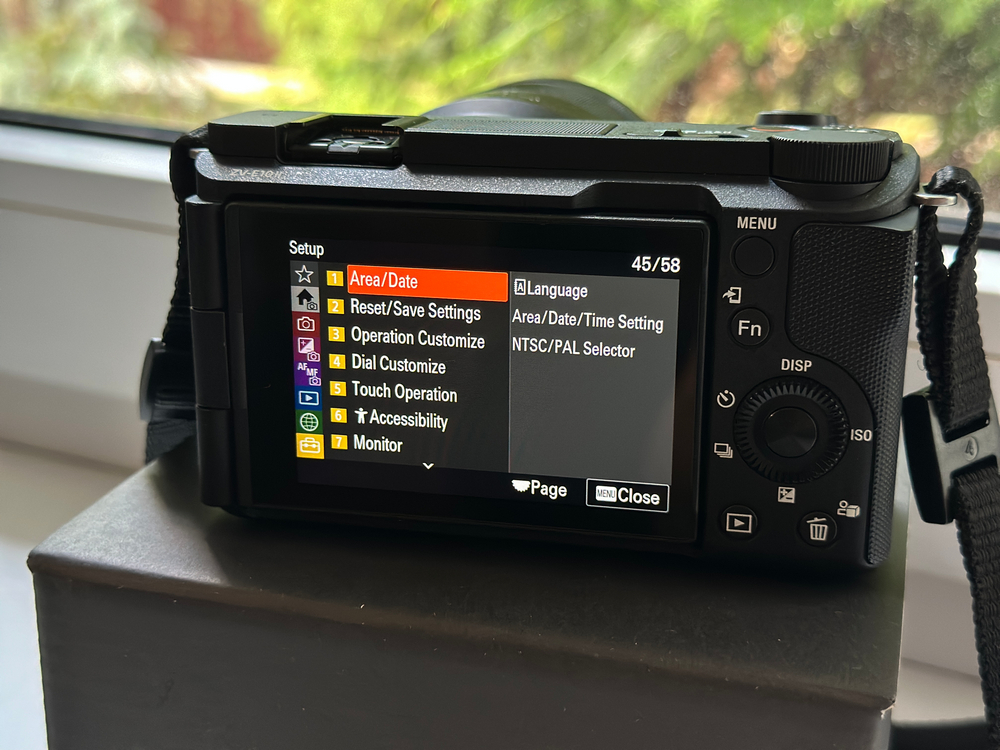
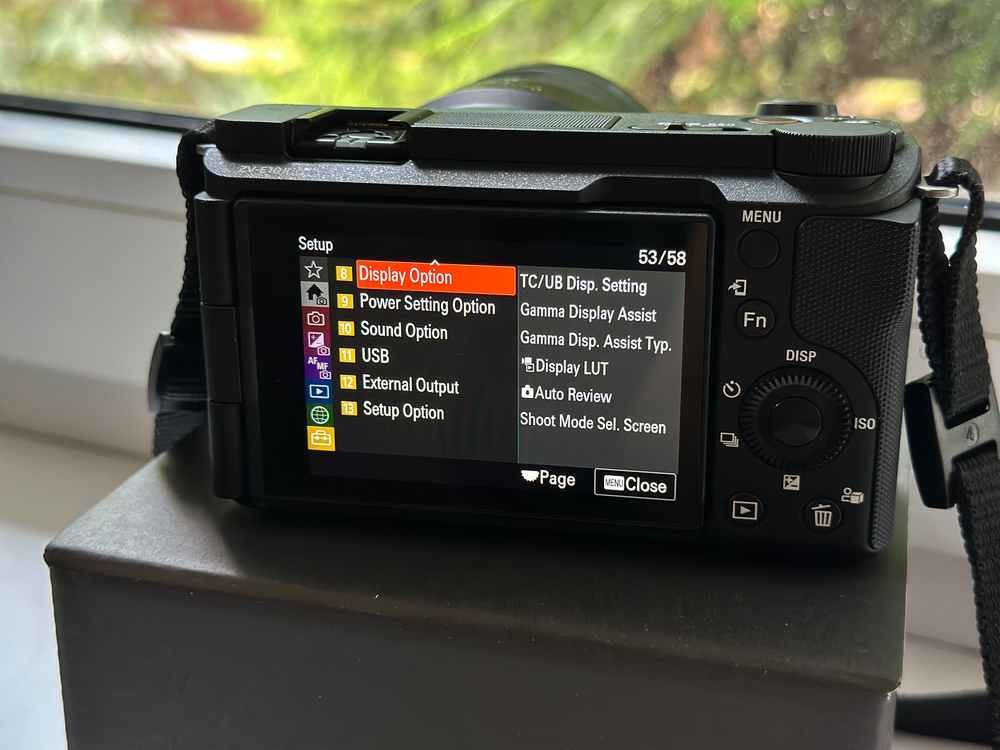
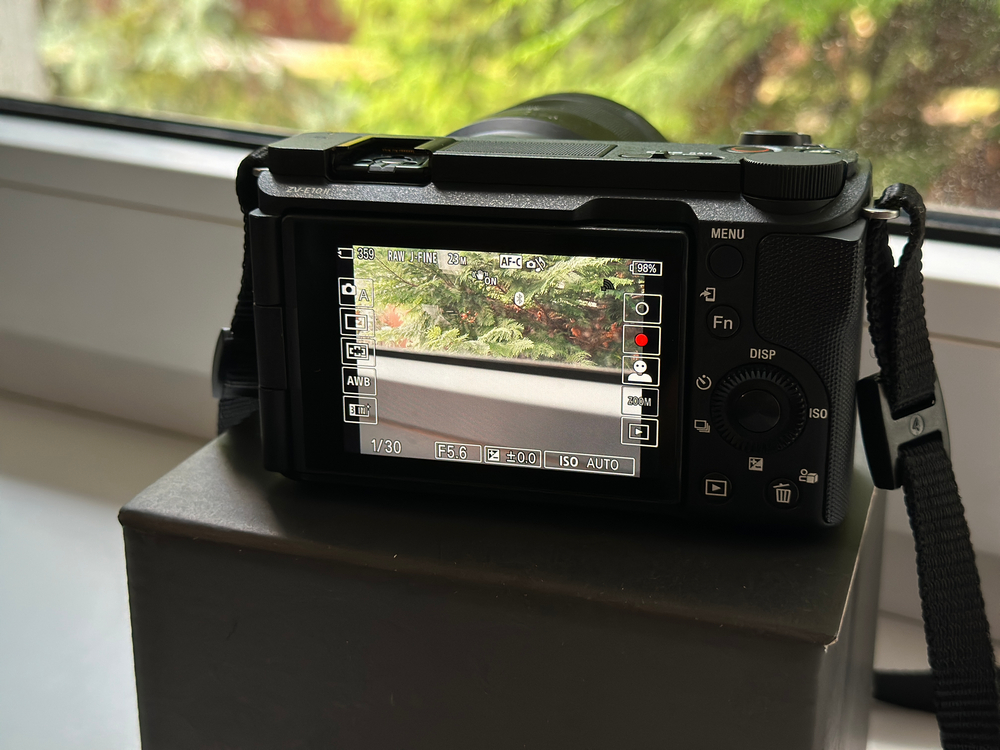
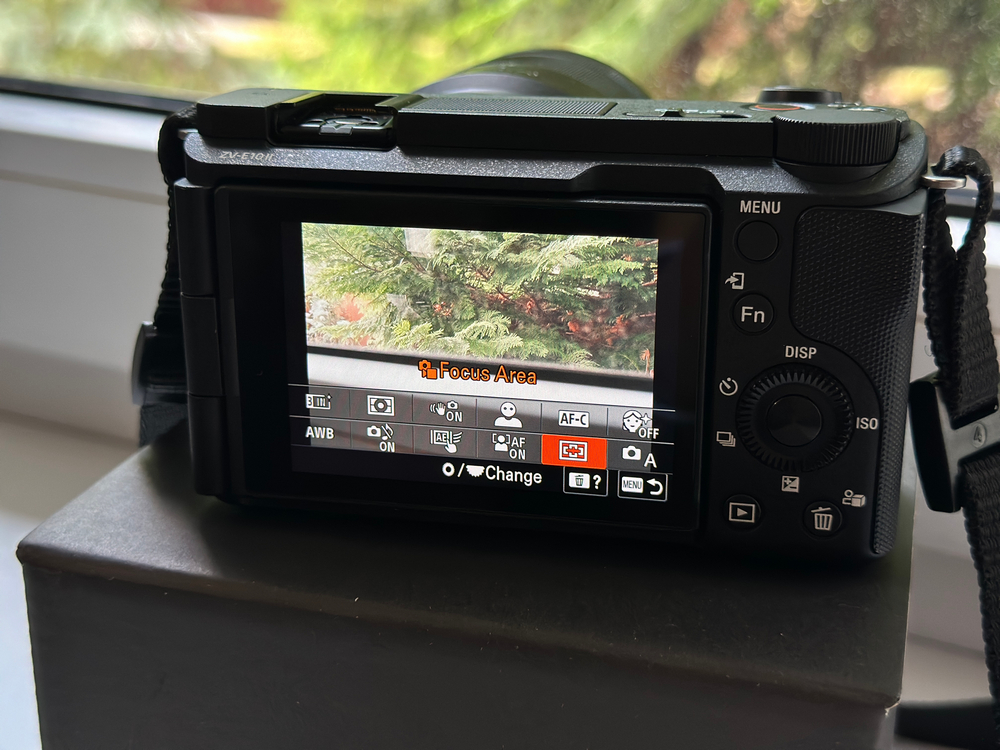
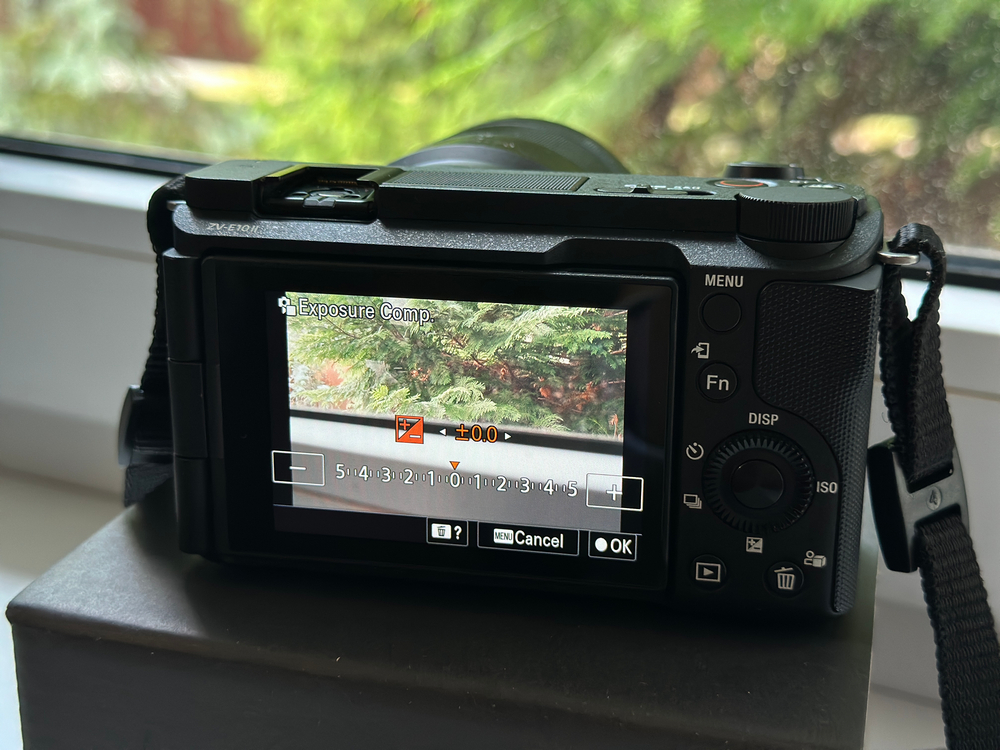
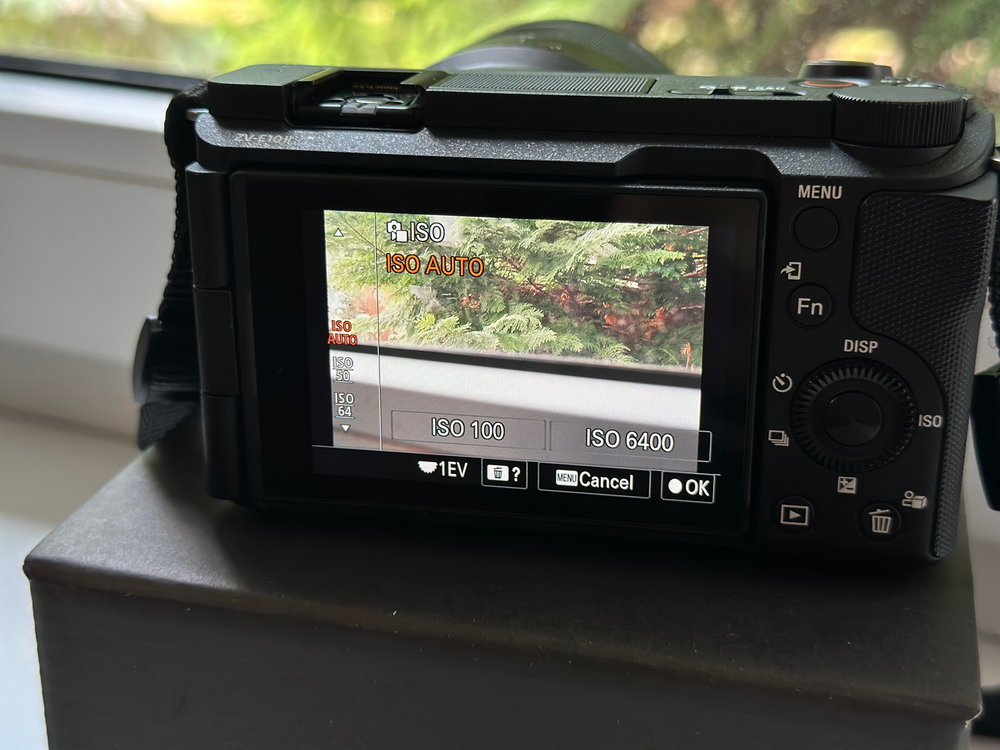
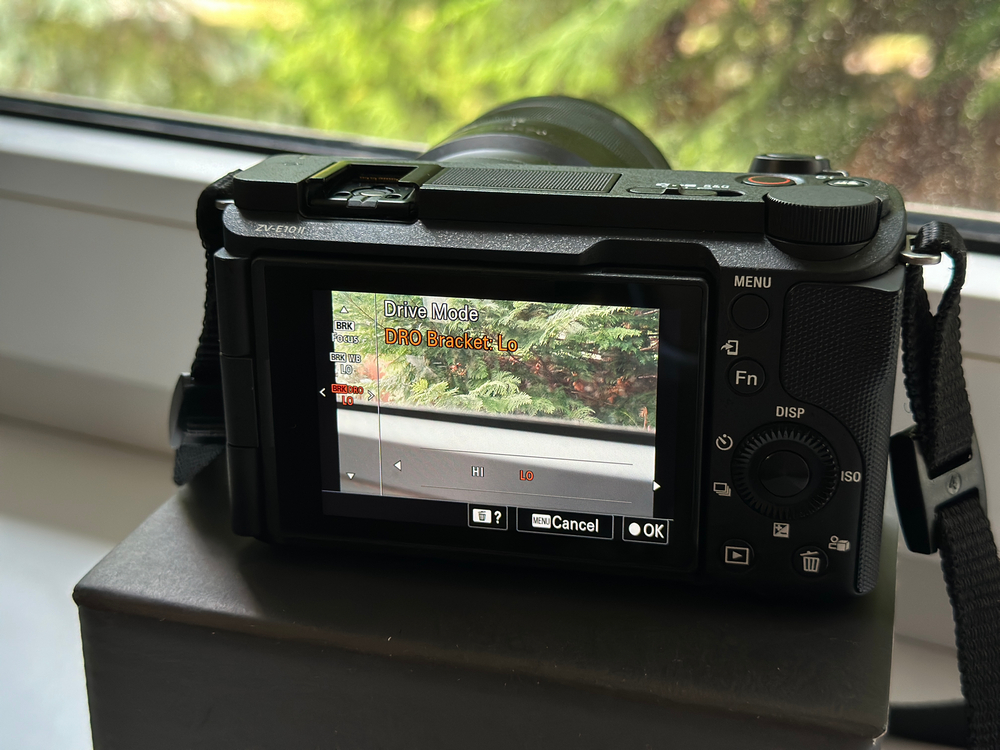
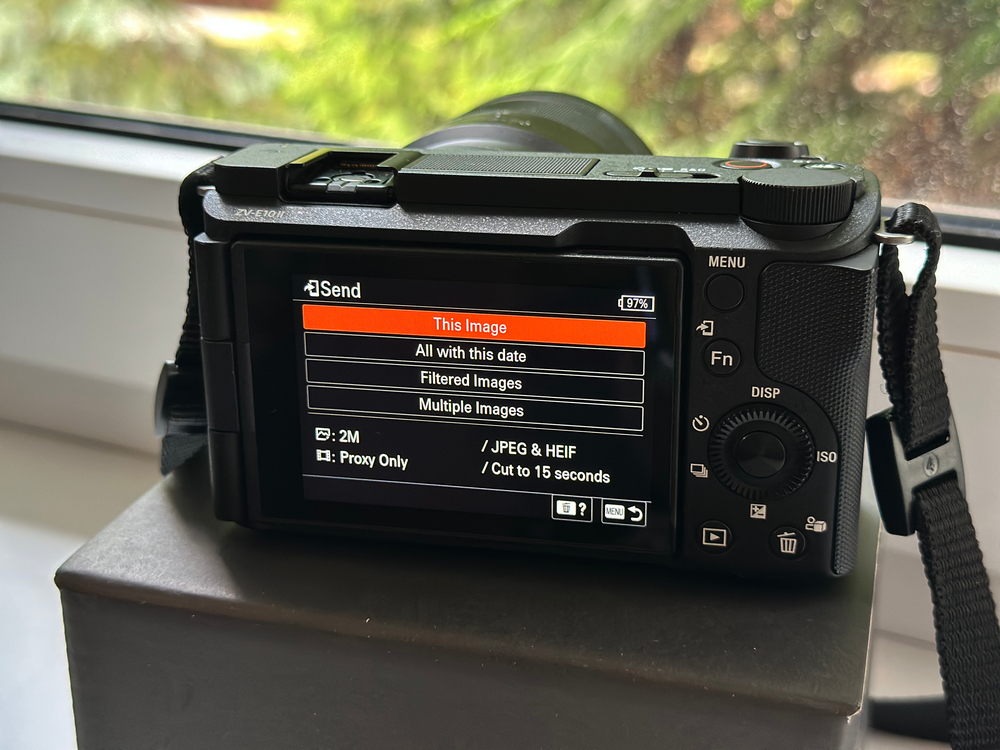
And of course, the manual modes (M, A, S, P) are still present. If you prefer shooting in manual, the camera gives you full control – aperture, shutter speed, ISO, white balance, focus peaking – all available, all responsive, and most importantly, quick to adjust. Special mention goes to the convenient vertical user interface: when shooting reels or portraits for Instagram, you don’t have to tilt your head just to see your settings.
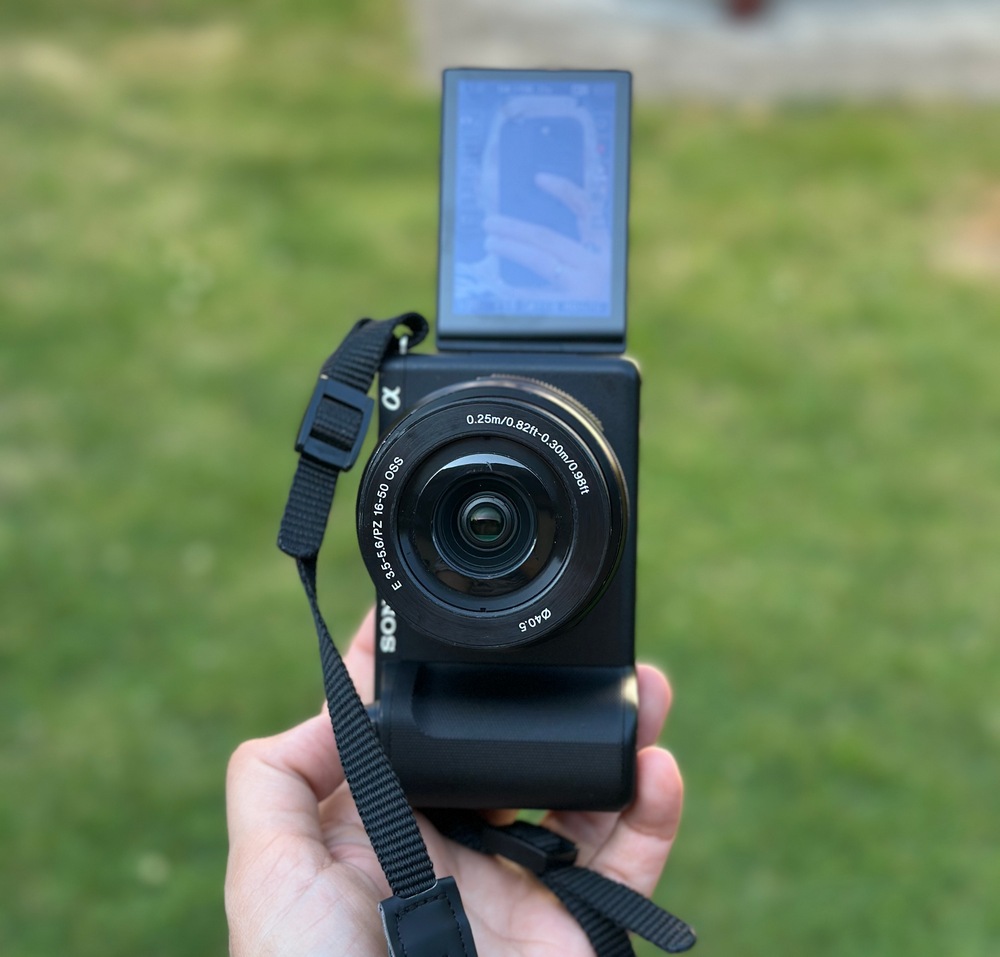
A special mention goes to the Face Priority AF feature – the camera instantly locks focus on faces in the frame, which is especially useful for vlogs and interviews. During video recording, the autofocus operates smoothly without sudden jumps, and you can adjust its speed and sensitivity to match your shooting style.
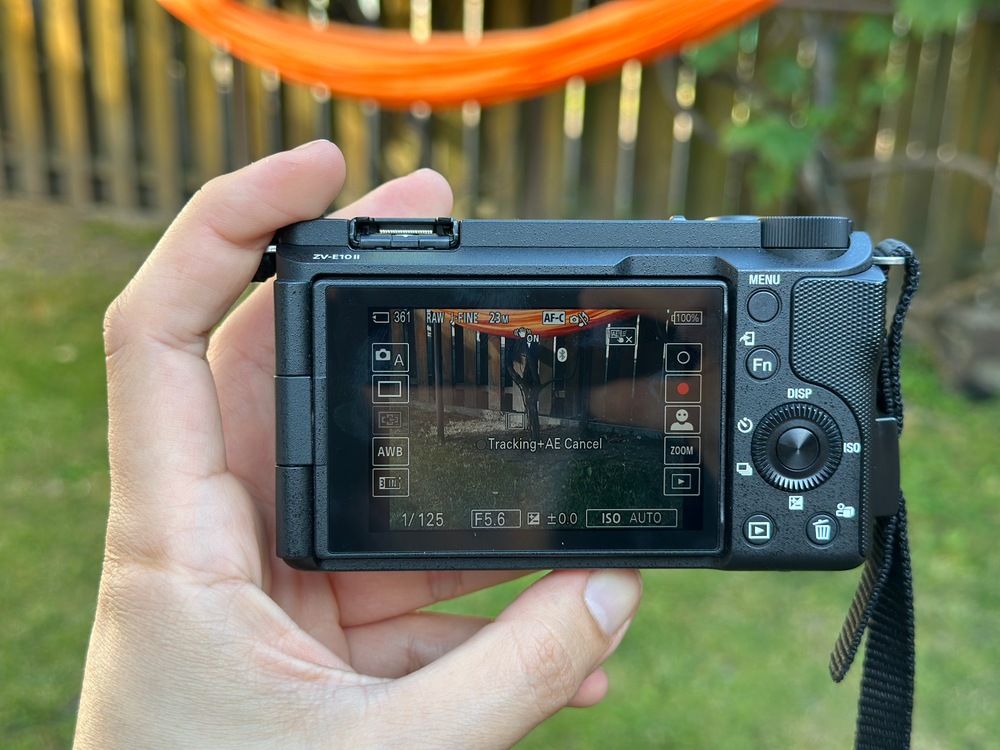
Overall, the Sony ZV-E10 II doesn’t dictate how you should shoot; instead, it quietly offers options: “Want to shoot on auto? Go ahead. Prefer full control? Everything’s at your fingertips.”
Read also:Bigme HiBreak Pro Review: An Almost Ideal E-Ink Smartphone for Digital Detox
Video capabilities
As I’ve mentioned several times, the Sony ZV-E10 II records 4K video at up to 30 frames per second, which is standard for this class. If you want to slow down motion, you can switch to Full HD at 120 frames per second.
The Sony ZV-E10 II offers several color profiles that let you adjust the look of your video directly in-camera. There are standard modes with vibrant, saturated colors for users who want ready-to-share footage without extra editing. For professionals, profiles like S-Log provide a flat image with maximum dynamic range – ideal for detailed color grading during post-production. However, working with these profiles requires some skill and time. For quick videos or those looking to avoid complications, the standard profiles remain a solid choice. Overall, the ZV-E10 II strikes a good balance between simplicity and professional features.
The camera itself lacks in-body stabilization, which is noticeable when shooting handheld – the footage can appear a bit shaky without support. I tested it without a tripod, and the image did show some movement. However, using a lens with optical stabilization significantly improves the steadiness. The Product Showcase mode is a handy feature for reviewers or vloggers demonstrating objects – it automatically switches focus quickly between your face and the item you’re holding. There’s also a headphone jack, allowing you to monitor audio directly from the camera – a rare feature in this category. Timelapse and stop-motion shooting modes are basic but sufficient for simple creative videos.
Battery life
One of the most welcome updates Sony made with the ZV-E10 II is the switch to the NP-FZ100 battery – the same one used in higher-end models. This is a real bonus for anyone used to carrying multiple spare batteries like a small first-aid kit. In practical use, the camera managed up to around 700 shots on a single charge. For me, that meant a full day of shooting without having to worry about battery life. Video recording times are understandably shorter, especially when shooting in 4K, but overall, the battery performance is noticeably better than its predecessor.
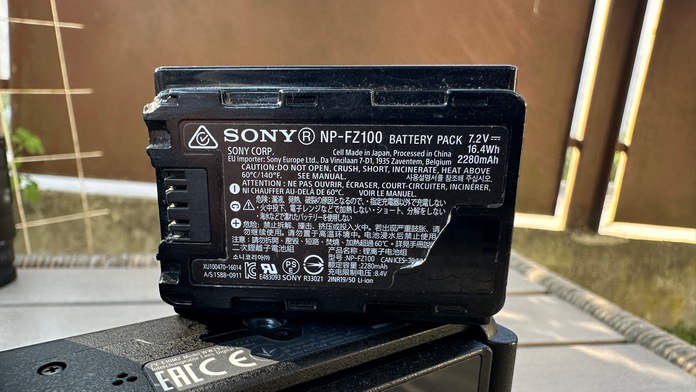
And one more thing – remember I mentioned the power bank earlier? That’s because the camera supports USB-C power delivery. Just connect a power bank, and you can keep shooting as long as you need. This is a much-needed update that makes extended use far more practical.
Read also:Bigme B7 Review: When an E-Reader Tries to Be a Tablet – and Actually Pulls It Off
Interfaces, connections, application
The ZV-E10 II doesn’t reinvent the wheel but doesn’t overlook essential conveniences either. It includes a full-size HDMI Type-A port, USB-C, a 3.5mm microphone input, and a headphone output – covering all the bases for uncompromised video and audio work. This camera is well-suited for users who value fast wireless file transfer, as it supports 5 GHz Wi-Fi. This allows for quick and cable-free transfers of photos and videos to smartphones or tablets, which is especially handy for sharing content on social media or on the go. For even faster transfers, you can always connect via USB-C, but for everyday use, wireless connectivity makes the workflow noticeably simpler and more comfortable.
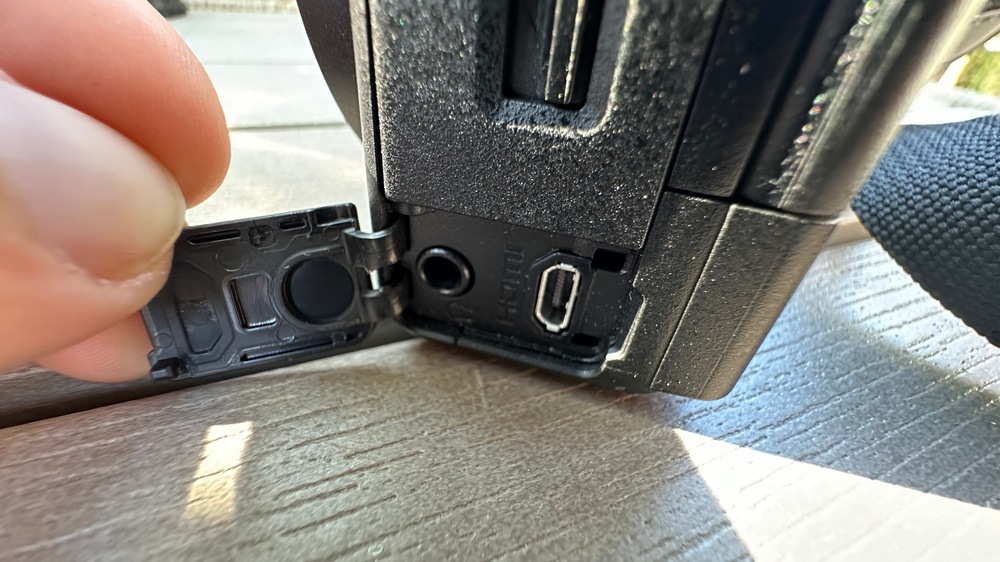
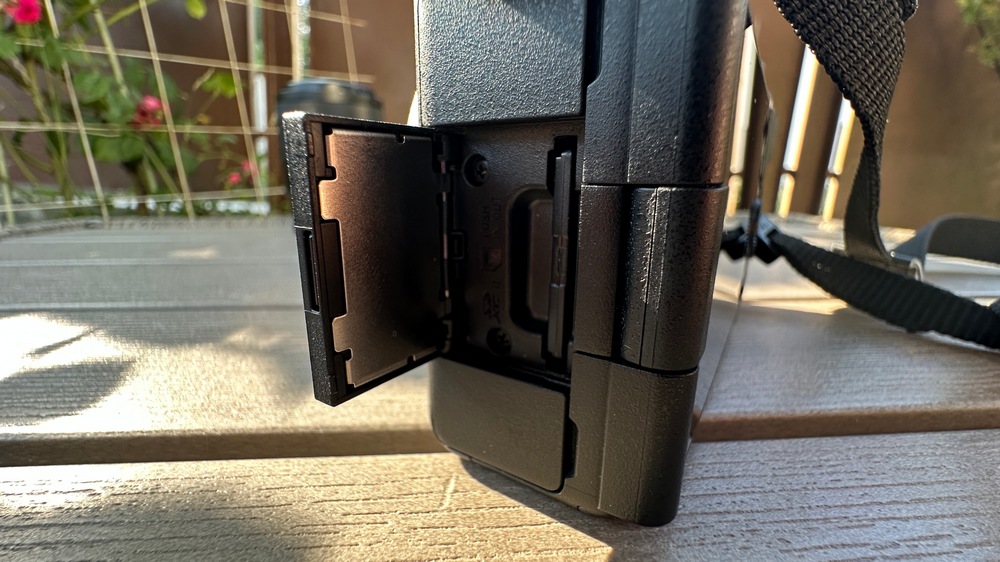
You can easily connect both an external microphone and headphones at the same time – the camera has dedicated ports for each. Audio levels can be monitored live during recording, so there’s no need to juggle adapters or complicated setups. Everything works right out of the box, which is very convenient. The included windscreen attaches securely to the top mount, providing reliable protection. The HDMI port is full-size – not the fragile micro version that can break with a slight bump.
To connect the camera to your phone, you’ll need to download the Creators’ App. This app links your Sony camera to the cloud, offering additional shooting features and making it easier to share files. It genuinely streamlines content management and makes the workflow more comfortable.




User experience
I had the Sony ZV-E10 II in my hands long enough to form a complete impression – at least from the photography side. As a photographer, I didn’t expect any groundbreaking changes in design or settings depth, but the camera pleasantly surprised me. Everything feels familiar and intuitive, with no unnecessary menu hassle – you just pick it up and shoot.
The body is compact, lightweight, and comfortable to hold even without extra accessories. I tested it in a park, on the move outdoors, and in near darkness. The autofocus is quick, reliably tracks faces, and retains detail even in challenging lighting. Using the camera felt not just comfortable but somehow very “calm” – nothing irritates or distracts you.


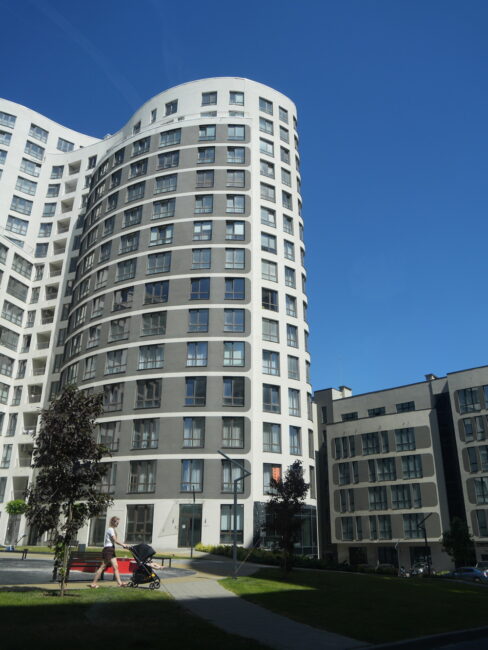




When it comes to photos, everything works really well. RAW files are clean and can be processed with minimal noise. Color reproduction is consistent, with a pleasant balance that avoids overly harsh contrast. I spent several hours shooting portraits in natural light, and the straight-out-of-camera results looked impressive – you’ve probably already seen some of those shots in the samples. For quick tasks, event photography, or social media content creation, this camera fits the bill perfectly.
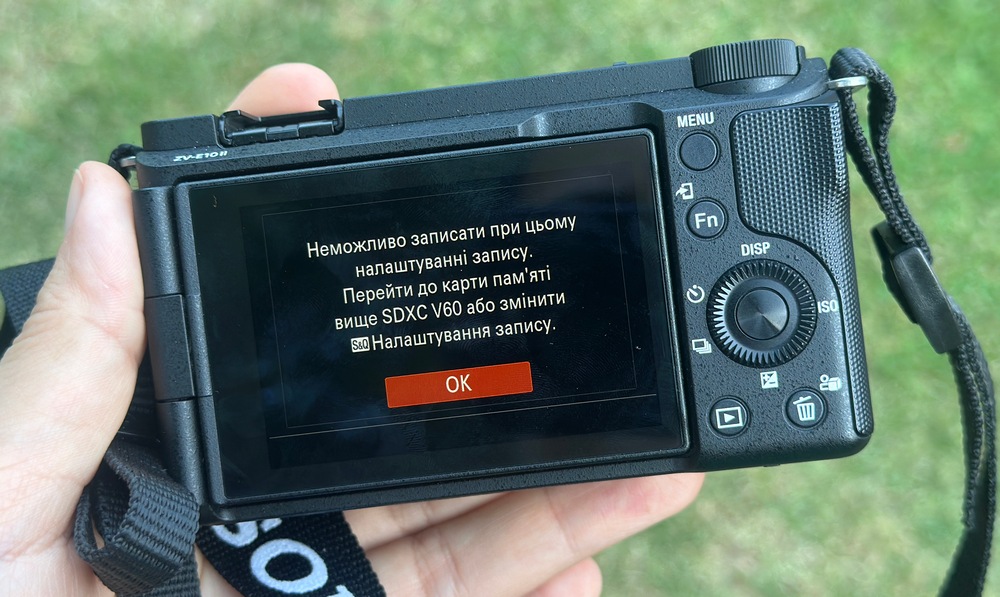
I wasn’t able to fully test video recording. The camera required a high-speed memory card for 4K footage, and I didn’t have access to one suitable for thorough testing. While basic video recording was possible, I didn’t want to judge the functionality based on limited conditions. So, I’ll speak cautiously about video performance: from what I’ve seen in reviews and the clips I managed to shoot myself, it looks very good. I’ve shared some footage so you can judge for yourself the quality of autofocus and stabilization in video.
As a tool for photographers, this is one of those cameras you don’t want to let go of after testing. It’s not overloaded with unnecessary features, but everything you do need works reliably. Battery life, autofocus, and color reproduction are all solid. The ZV-E10 II isn’t an α7C, of course, but for everyday use or as a lightweight “workhorse,” it performs admirably. As for video, I was a bit disappointed this time – it remains something I’m looking forward to exploring more thoroughly in the future.
Read also: ChatGPT Destroys the Competition: Era of Super Apps Has Arrived
Conclusions
When you pick up a camera, you want to feel that it truly understands you, your needs, and your work. The ZV-E10 II is exactly that. It doesn’t shout about its features but quietly and confidently gets the job done. That’s valuable in a world where everything often feels flashy and overwhelming – sometimes, simplicity and reliability are what you really need.
The sense that the camera is working with you, not against you, is rarely this strong. While the ZV-E10 II isn’t a flagship model, it’s become the kind of camera you can rely on day in, day out – without wasting energy on unnecessary settings or irrelevant features. It helps you focus on what matters most: the actual process of creating the shot.
It’s a bit disappointing that I wasn’t able to fully explore the camera’s video potential. It leaves a sense of unfinished business, like starting an interesting book only to put it back on the shelf for now. But this is just a brief pause – I’m confident I’ll return to video work with this camera, and with fresh enthusiasm. Overall, this experience is about a love for photography, simplicity, and functionality. Sometimes, cameras like this become the best long-term partners precisely because they just do their job – and do it well.
Read also:
- Oppo Enco Buds 3 TWS Earbuds Review: Comfort, Battery Life, and Sound Quality
- Everything You Need to Know Before Installing Solar Panels: A Look Into the World of Energy Generation and Storage Systems
- JSAUX Accessories for Portable Consoles Review: Docking Stations and Joy-Con Connector

