




© ROOT-NATION.com - Use of content is permitted with a backlink.
Today I am testing a true heavyweight device – the large, shock- and water-resistant Blackview XPLORE 1 smartphone, equipped with a very high-capacity battery and several notable features. Let’s take a look at how this device performs in real-world use.
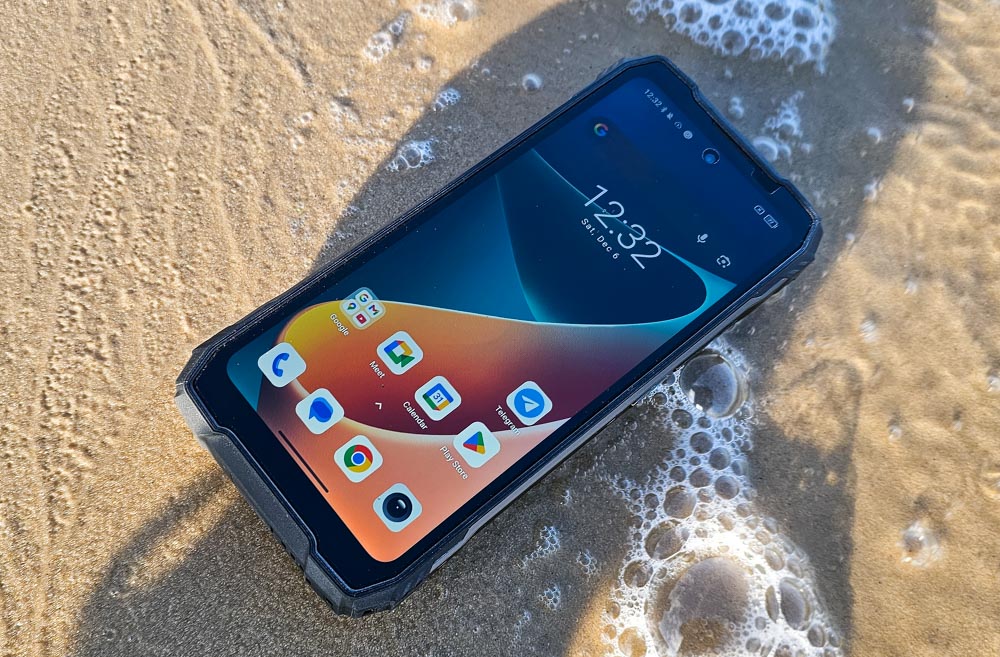
TABLE OF CONTENTS:
Ukraine is one of the fastest-growing markets for rugged smartphones
It’s no surprise that there is an increased interest in rugged smartphones and tablets in Ukraine today. Originally designed as gadgets for extreme tourism, these devices are built to withstand drops and feature enhanced battery life, making them capable of operating in harsh conditions – dust, moisture, and dirt. However, in the current reality, every Ukrainian citizen has become, in a sense, an “extreme sportsman”. In times of war, one can easily find themselves in similar challenging conditions, becoming an involuntary “tourist” (or more accurately, a refugee).
In addition, Ukraine has a distinct group of consumers who have traditionally relied on this type of equipment. This includes military personnel, members of law enforcement, emergency responders, medical staff, and specialists involved in restoring civilian infrastructure or building defensive and fortification structures. These are people whose work regularly takes place in demanding conditions, whether on the front line or in the rear, where they deal directly with the consequences of the war and focus on protection, recovery, and saving lives.
As a result, demand for rugged smartphones equipped with large batteries, high-output flashlights, night vision cameras, and other features that are uncommon in everyday civilian use continues to grow. Manufacturers are clearly responding to this demand, and the range of rugged devices on the market is expanding steadily.
The Blackview XPLORE 1 is a recently introduced model that aims to offer a balanced set of outdoor-oriented features combined with relatively modern hardware and solid performance. It is positioned to deliver specifications comparable to those found in conventional smartphones, while adding rugged-specific functionality. That said, this approach comes with trade-offs, most notably its size and weight. These aspects will be discussed in more detail in the next section.
Read also: All reviews of rugged smartphones on our website
Specifications and Features of Blackview XPLORE 1
As usual, let’s start with the key numbers to get a general sense of what this smartphone offers. After that, we’ll look at how these specifications translate into real-world performance.
- Mobile networks: GSM / CDMA / HSPA / LTE / 5G
- SIM: 2× Nano-SIM
- Dimensions: 184 × 83 × 29.5 mm
- Weight: 638 g
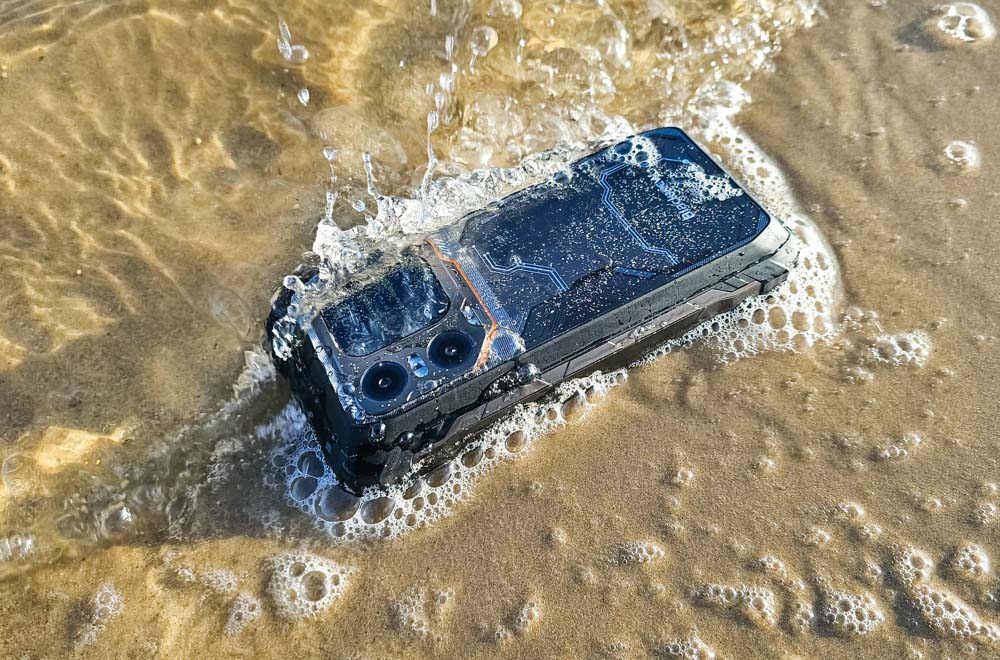
- Protection: IP68/IP69K dust and moisture protection (protection against high-pressure jets; immersion up to 1.5 m for 30 minutes), shock resistance support according to MIL-STD-810H standard
- Free fall resistance: Class A (275 test drops)
- Repairability: Class B
- Flashlight: 170 lumens LED
- Display: IPS LCD, 120 Hz, 700 nits, 6.78″, ~71.5% screen-to-body ratio, 1080 × 2460 resolution (~396 ppi)
- Protective glass: Corning Gorilla Glass 5, Mohs level 7
- Additional rear display: 2.01″, 240 x 296, Panda Glass protection
- Software platform: OS Android 15, DokeOS 4.2
- Chipset: Mediatek Dimensity 7050 (6 nm)
- CPU: 8-core (2×2.6 GHz Cortex-A78 & 6×2.0 GHz Cortex-A55)
- GPU: Mali-G68 MC4
- Memory card slot: microSDXC (shared slot with second SIM)
- Memory versions: 256 GB ROM (UFS 3.1) + 12 GB RAM or 512 GB ROM (UFS 4.0) + 16 GB RAM
- Main camera: Dual 64 MP, f/1.8, 1/2.0“, PDAF and 20 MP, f/1.8, (night vision), 1/2.8”, 2 infrared sensor
- Features: LED flash, HDR, panorama
- Video recording with main camera: 4K@30fps, 1080p@60fps
- Selfie camera: 50 MP, f/1.8, 1/2.76″, PDAF
- Front camera video recording: 4K@30fps, 1080p@60fps
- Sound: external speaker, no 3.5mm jack
- Communications: WLAN Wi-Fi 802.11 a/b/g/n/ac/6, dual-band, Bluetooth 5.2, A2DP, LE
- Geolocation: GPS (L1+L5), GLONASS, GALILEO, BDS, QZSS
- NFC: yes
- Infrared port: yes
- Radio: FM
- USB port: USB Type-C, OTG
- Fingerprint scanner (in the side button), accelerometer, gyroscope, proximity sensor, compass
- Battery: 20,000 mAh
- Charging: 55 W wired, 5 W reverse charging
- Color options: Black, Orange
- Page on the manufacturer’s website
Positioning and price
The Blackview XPLORE 1 is not the most expensive device in the manufacturer’s lineup, but it is clearly not a budget device, rather an entry-level flagship model, costing approximately $281.
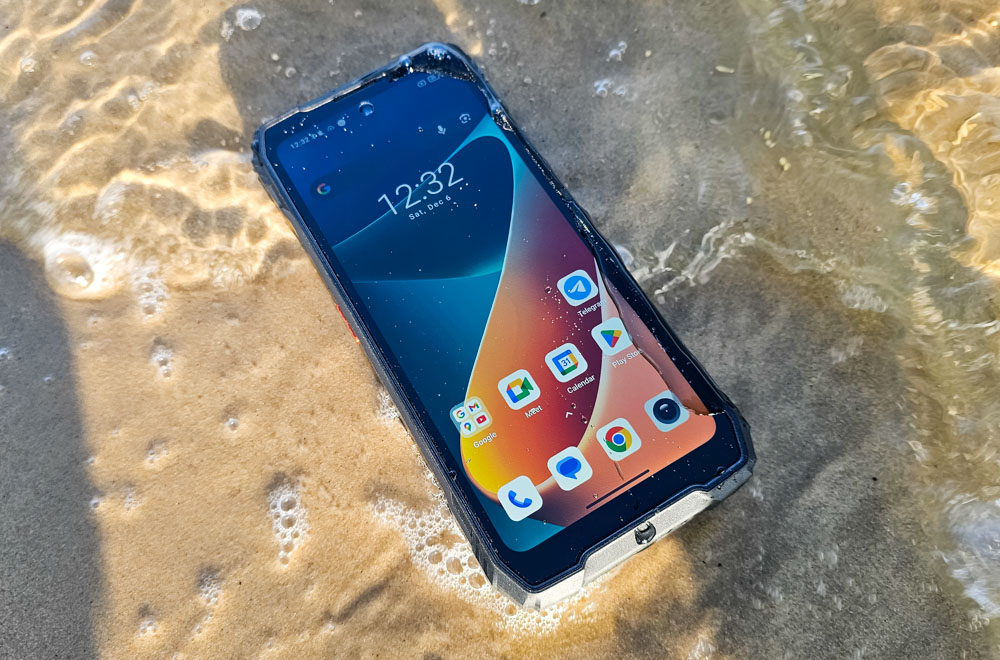
Blackview doesn’t have many higher-end rugged smartphones above the XPLORE 1. There is the XPLORE 1 Pro, which replaces the night-vision camera with a telephoto camera, and the XPLORE 1 Walkie Talkie, which adds a built-in radio function. Beyond the XPLORE series, the lineup includes flagship models such as the BL8800 Pro, BL9000, and BL9000 Pro, which offer more advanced specifications. There are also more powerful devices with AMOLED displays, like the XPLORE 2 and the XPLORE 2 Projector – the latter additionally includes an onboard projector.
Among the competitors to the XPLORE 1 are rugged devices from other Chinese manufacturers such as Unihertz 8849, Cubot, Doogee, Oukitel, and others. These brands offer smartphones with similar feature sets at comparable price points. A deeper analysis would require looking at the details of each model, and when choosing a device it’s important to consider individual needs and preferences, as there are many options on a market that can feel oversaturated.
Package Contents
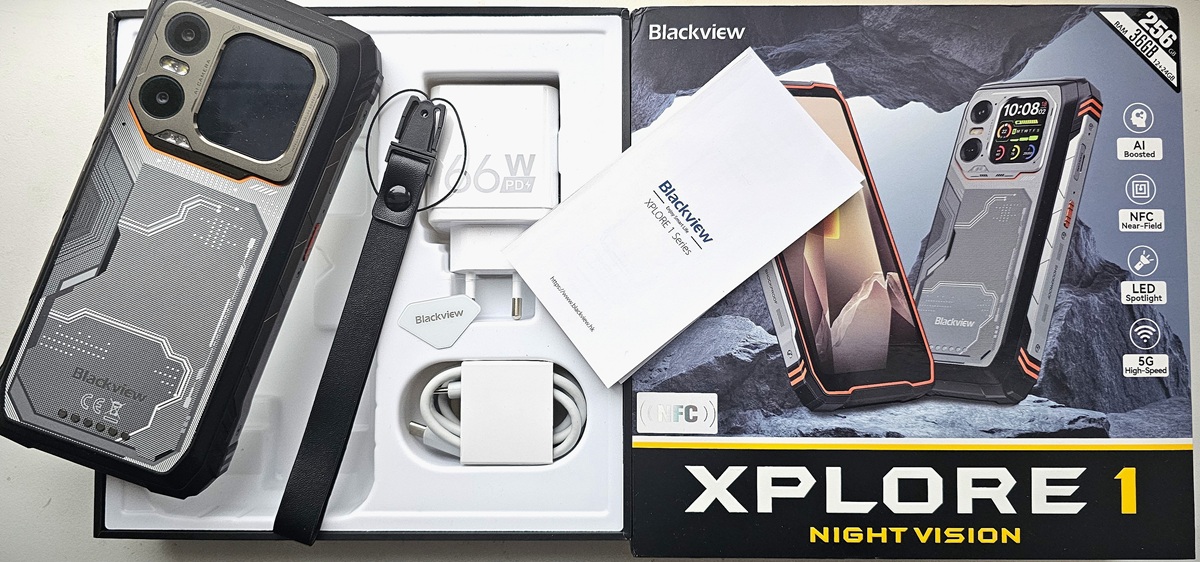
The Blackview XPLORE 1 is shipped in a large, full-color box with yellow and black accents, featuring product imagery along with key specifications and highlights. Inside the package, you’ll find the smartphone itself with a protective film pre-applied to the display, a USB-C cable, a 66 W fast charging adapter, a wrist strap designed to reduce the risk of accidental drops, a SIM/microSD tray eject tool, a plastic pick-style plug for the USB-C port, and a printed user manual.
Read also: Cubot KingKong Mini 4 Smartphone Review: Compact Size, Clear Purpose
Design, Materials, Layout, and Build Quality
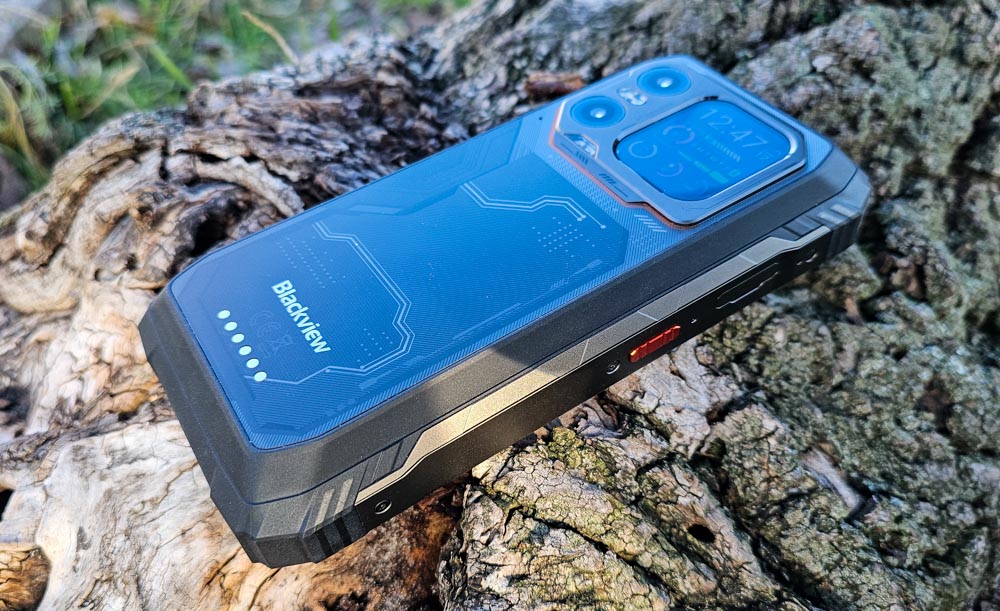
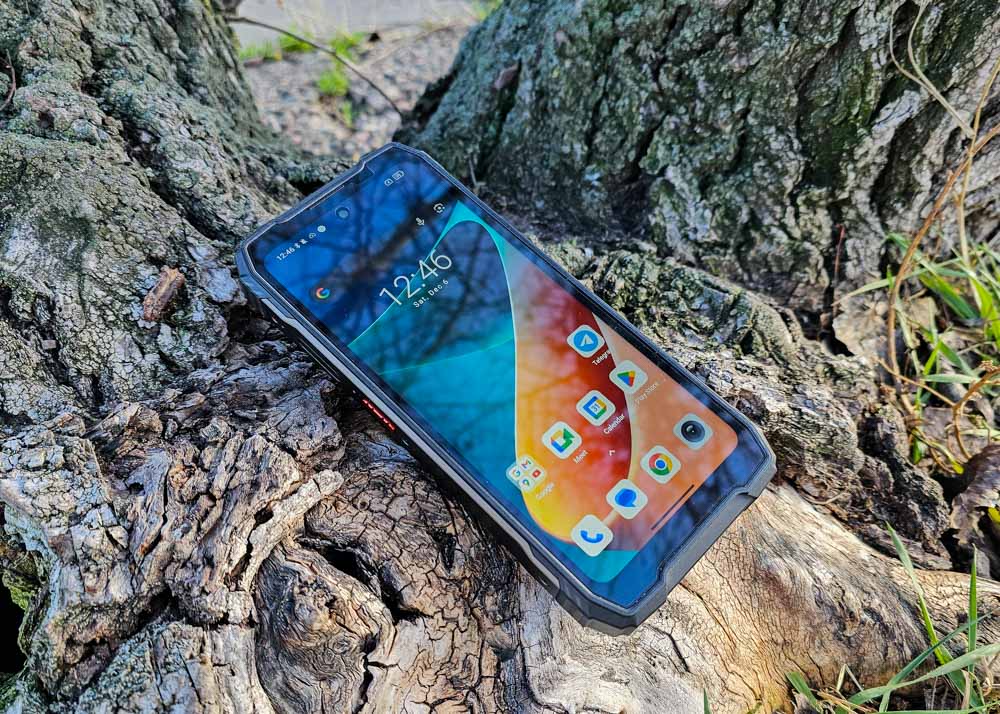
The Blackview XPLORE 1 follows a design typical for this category of devices. It features a bulky chassis made from thick, rubberized plastic, reinforced corners, and metal inserts along the sides.
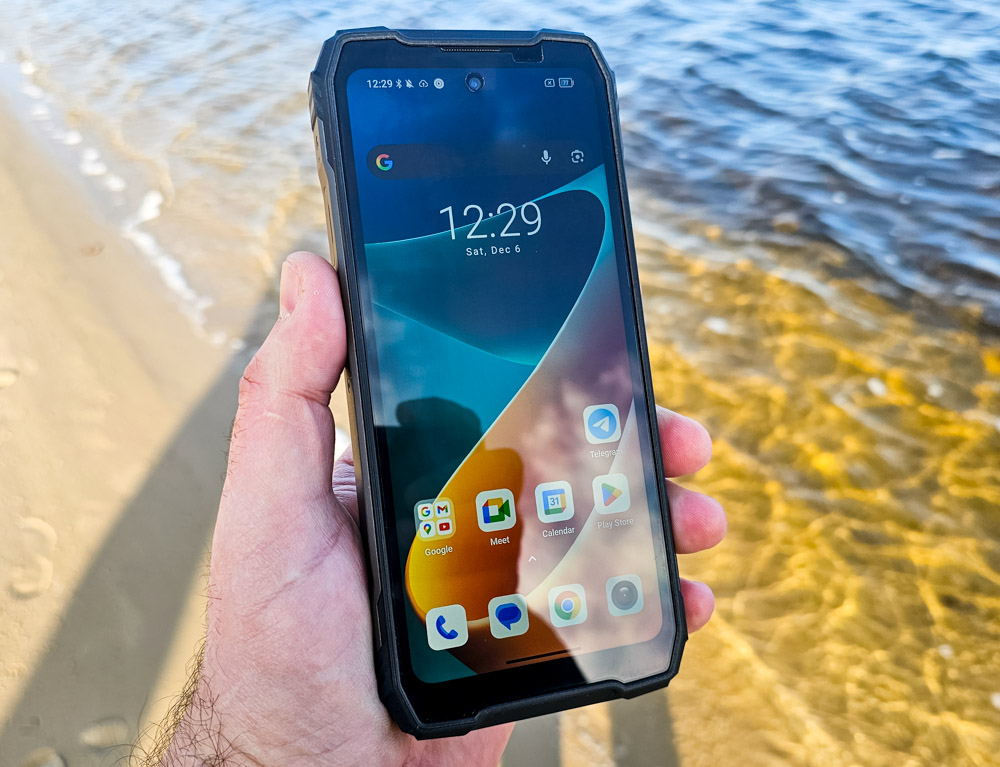
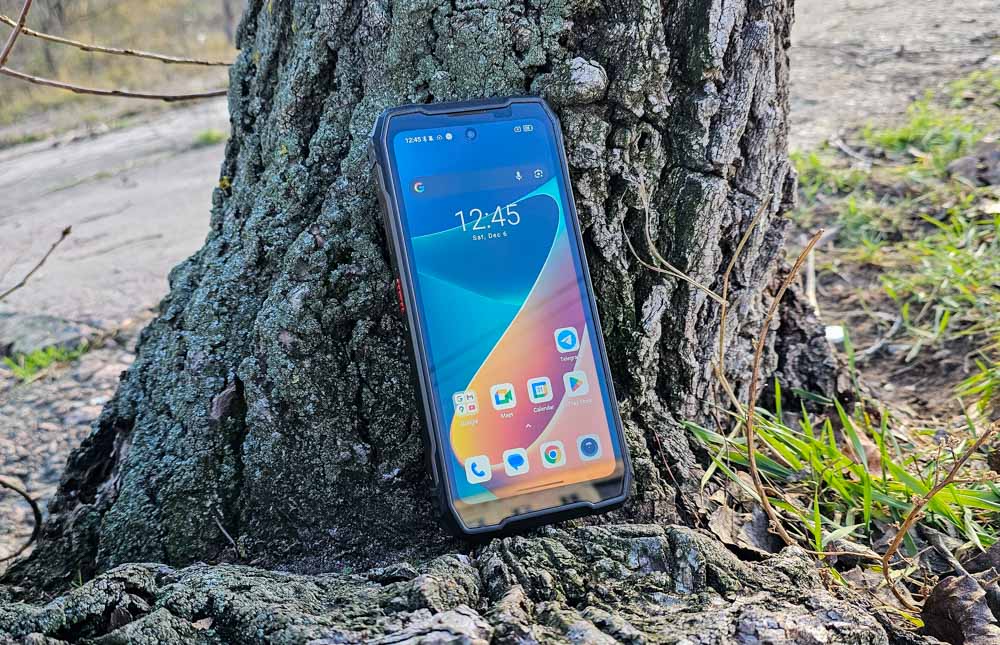
On the front, the display is surrounded by a fairly pronounced raised bezel that helps protect the glass in the event of a drop. The bezels are wide, and the front-facing camera is implemented as a cutout within the screen.
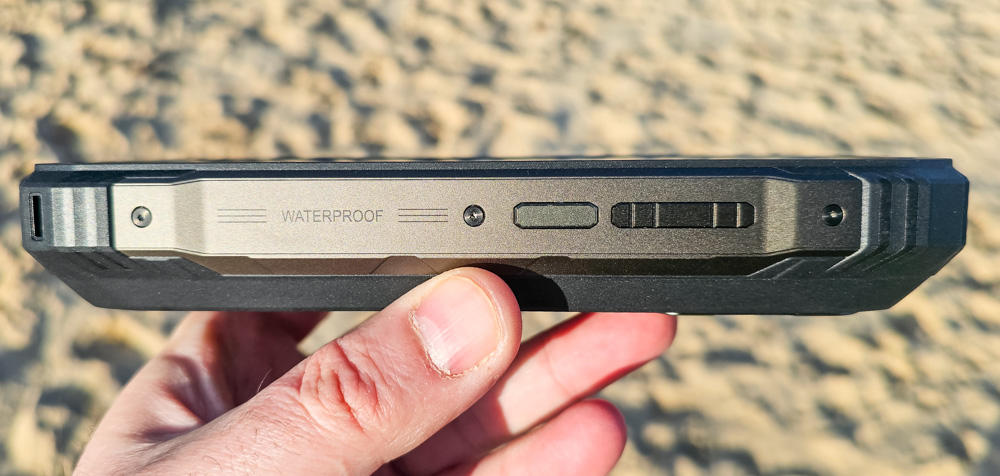
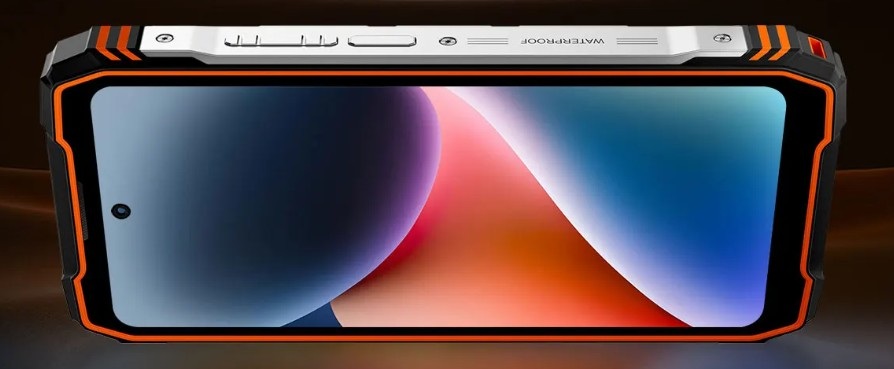
On the right side, there are metal buttons: a power key with an integrated fingerprint scanner and a volume rocker. Additionally, there are three visible screws. The overall look is both rugged and stylish.
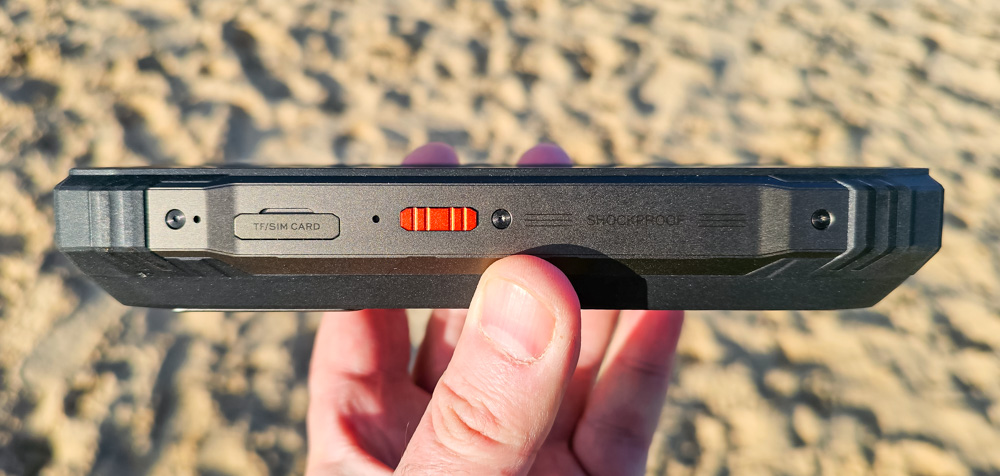
On the left side, there is a slot for the SIM card and memory card, along with a metal orange multifunction button that can be customized for various actions. There are also three robust screws. Additionally, two small openings are present that resemble microphone holes, though they could potentially house other types of sensors.
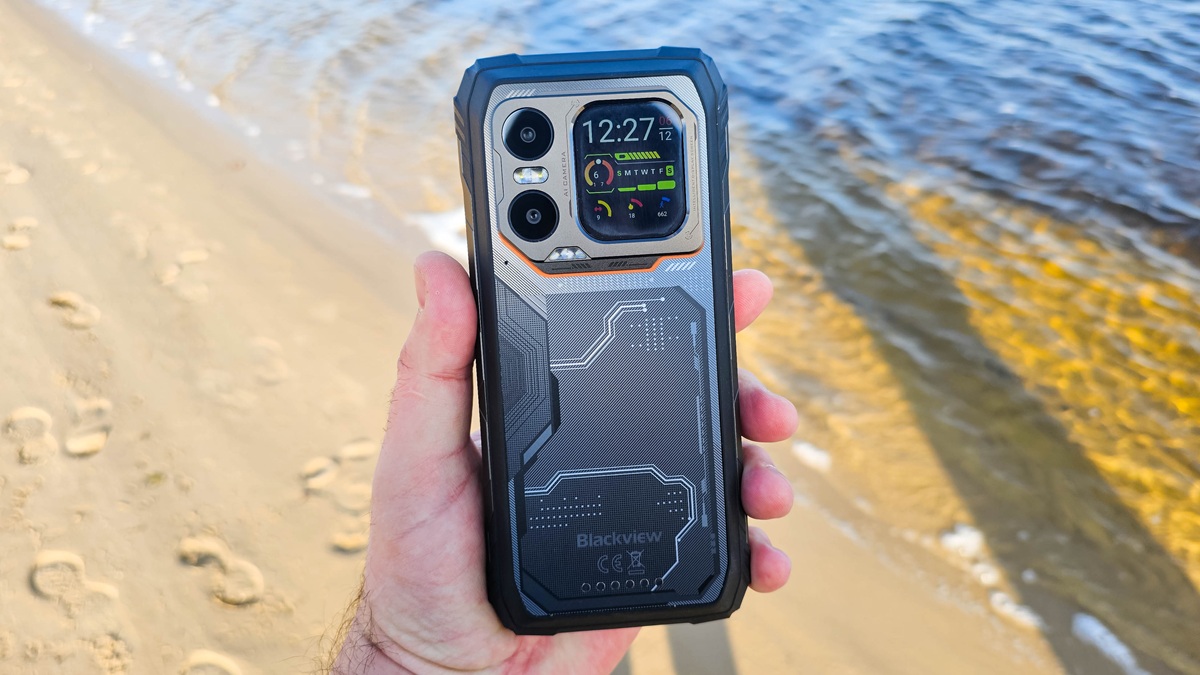
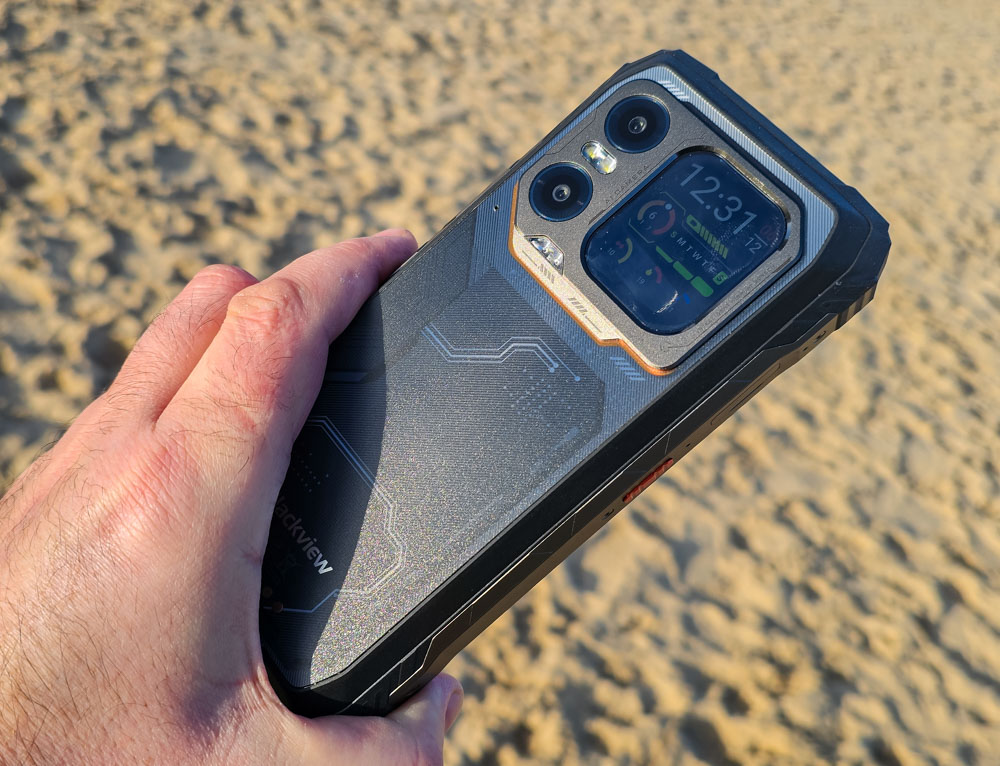
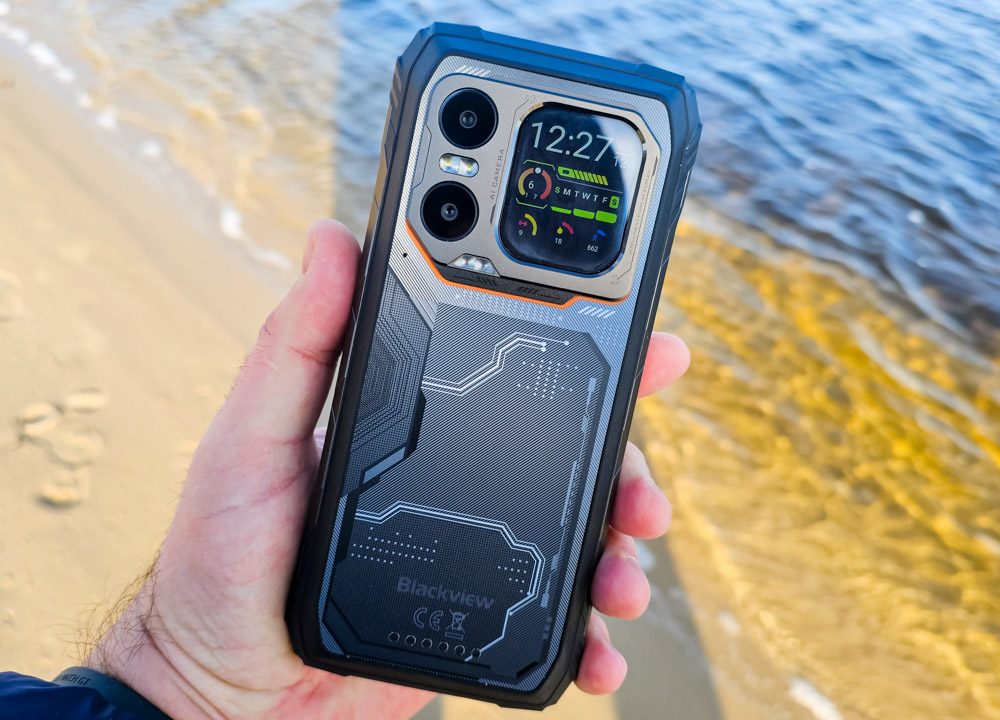
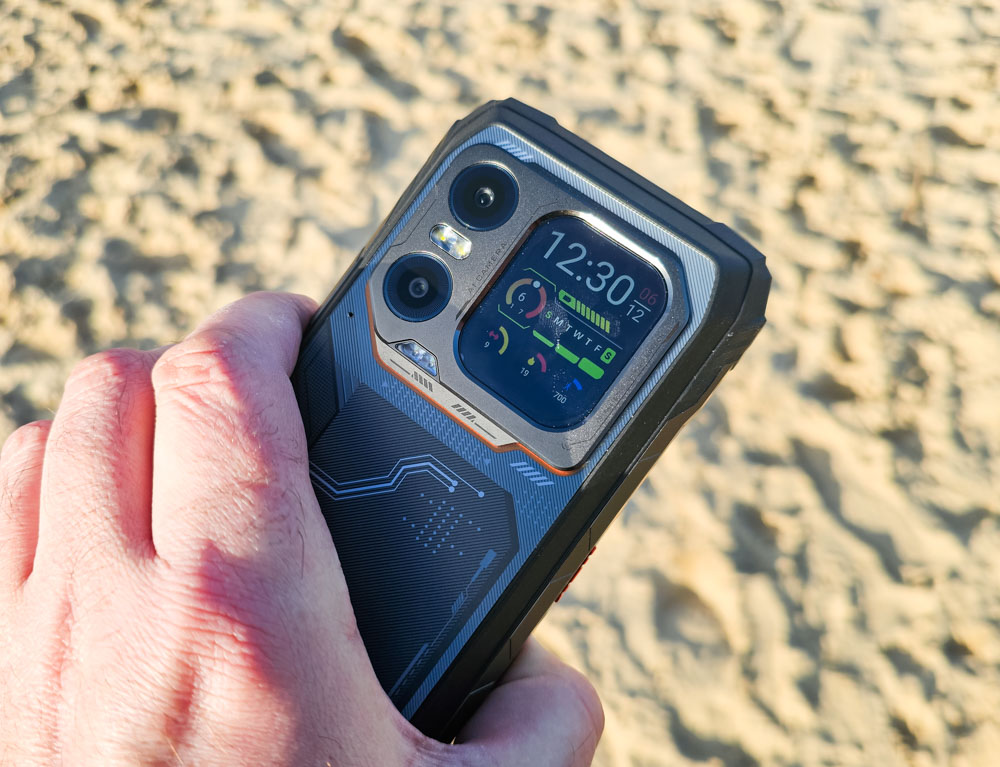
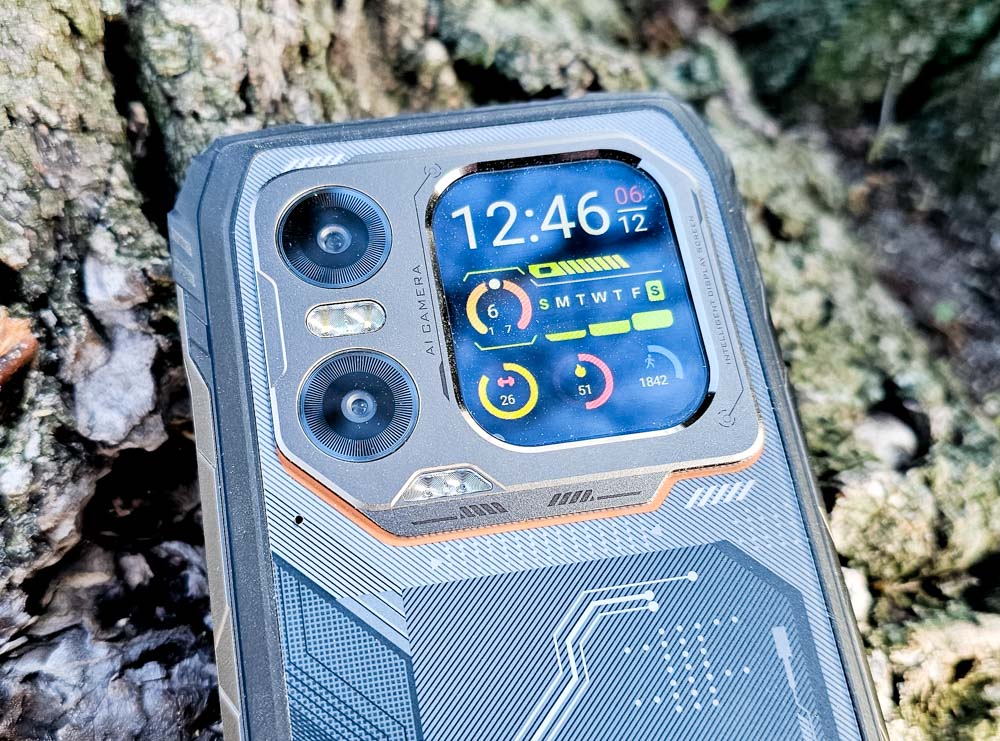
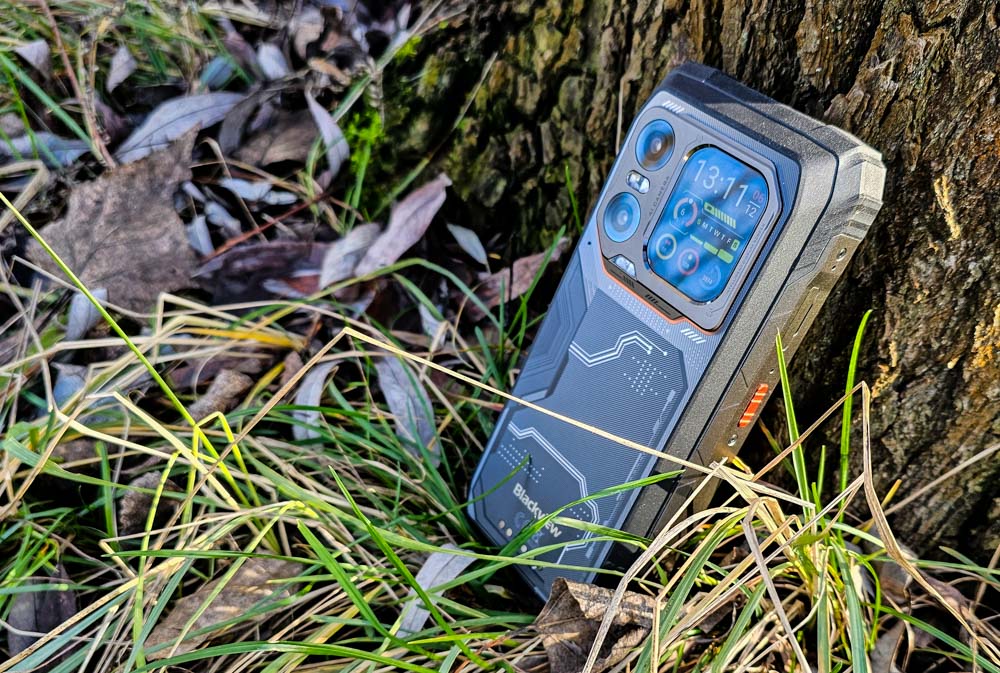
The back panel appears to be made of semi-transparent, matte, impact-resistant plastic, beneath which is a holographic pattern styled like a circuit board. The design becomes clearly visible under certain lighting angles. The frame surrounding the camera module and secondary display is metallic with a titanium finish. The rear also houses a dual flash module positioned between two lenses, an infrared illumination unit at the bottom, and a noticeable microphone hole to the left of the frame. At the bottom, there are six contact points for a charging dock, which must be purchased separately.
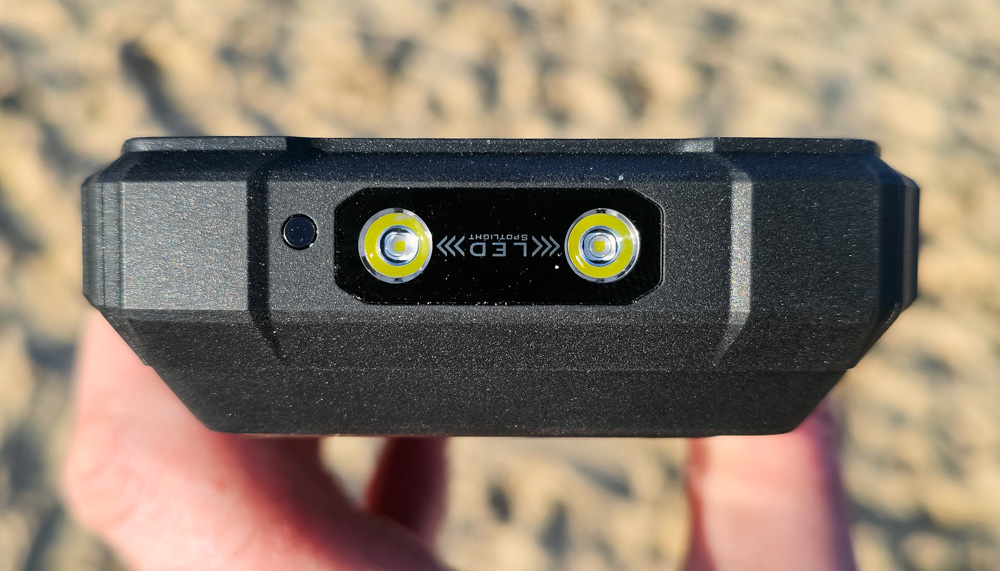
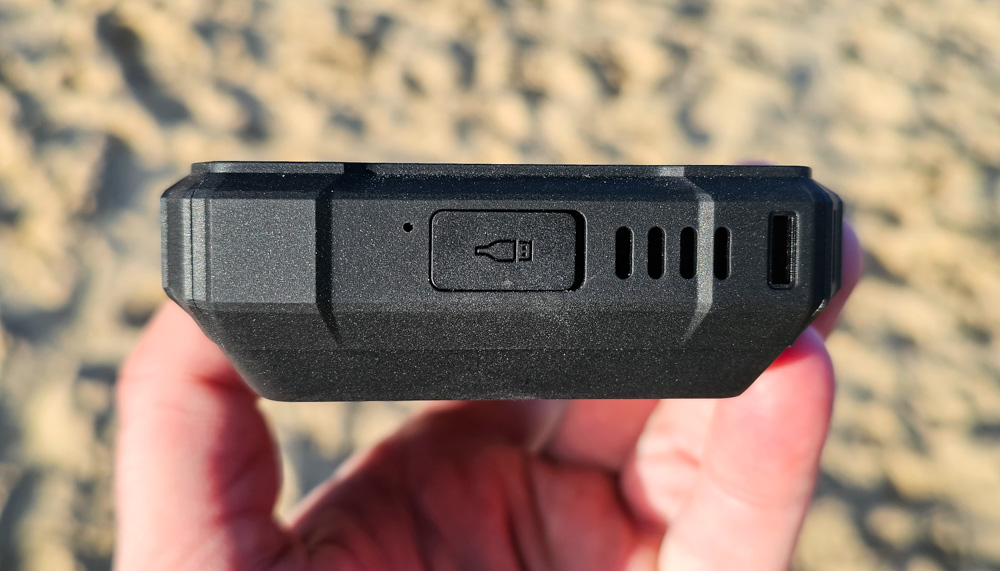
On the top edge, there is a flashlight consisting of two powerful LEDs, as well as a window for the infrared port used to control electronic devices. On the bottom edge, you’ll find the earpiece microphone, a USB-C port protected by a rubber flap, the main speaker grille, and a loop for attaching a wrist strap.
I am testing the black version of the smartphone. There is also a variant available with orange accents, including the bezel around the front display and the side inserts. The orange element at the bottom of the main camera module frame is present on both versions. Additionally, as far as I understand, the metal inserts and back panel on the orange-accented version have a lighter finish.
Read also: Unihertz 8849 Tank 4 Review: Rugged Smartphone with Built-In Projector and Flashlight
Comfort of Use: Blackview XPLORE 1
Considering the size and weight of the device, this section may seem unusual, but overall, the smartphone feels reasonably comfortable and secure in hand thanks to its angled side edges. The fingerprint scanner and volume buttons are conveniently positioned for the right thumb, while the additional multifunction button sits well under the index finger. Naturally, the device is best used with both hands, and it is recommended to utilize the included wrist strap for added security.
Read also: POCO M7 Review: Stability and Comfort in an Affordable Smartphone
Blackview XPLORE 1 Displays
Main Display
The smartphone features a reasonably good IPS panel manufactured by BOE. Viewing angles are wide, and the 700-nit brightness allows for comfortable outdoor use. While higher brightness – around 1000 nits or more – would be preferable, 700 nits is generally considered the minimum acceptable level for outdoor readability.
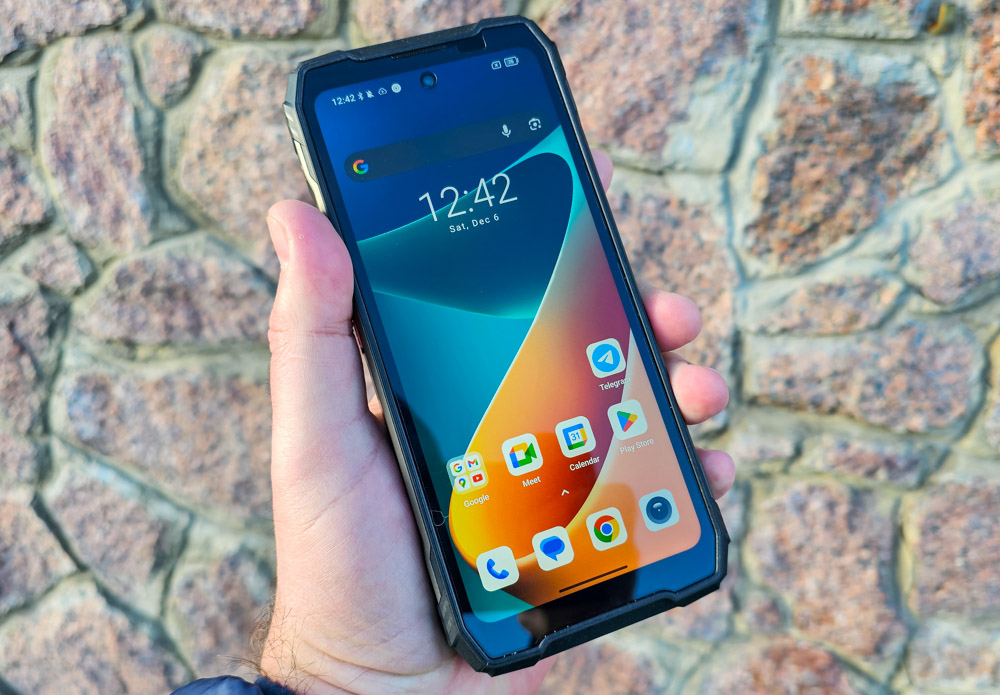
Thanks to its ambient light sensor, the Blackview XPLORE 1 supports automatic brightness adjustment. In this mode, it also takes into account any manual adjustments, effectively remembering the brightness levels you set for specific lighting conditions.
By default, the display offers natural color reproduction, but a VIVID mode can be activated in the settings for more saturated colors, making the screen appear closer to OLED-like visuals. Users can also manually adjust color temperature if desired. Contrast can be controlled separately to improve the visibility of text, buttons, and icons, with three levels of contrast enhancement available. There is also a high-contrast mode specifically for text, which can improve readability in challenging lighting conditions. Additionally, the display can be switched to a black-and-white reading mode.
A separate setting for the screen refresh rate allows choosing between an adaptive “smart” mode or fixed frequencies of 60 Hz, 90 Hz, or 120 Hz.
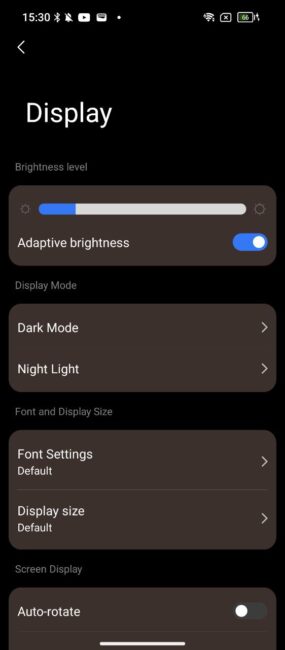
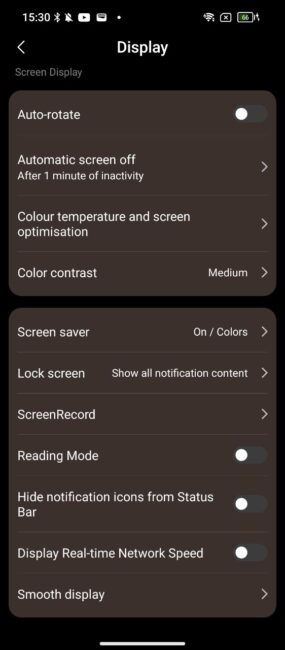
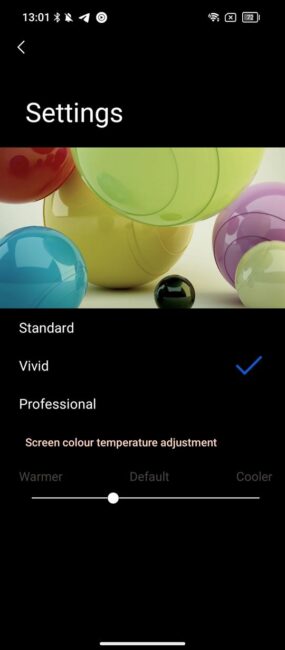
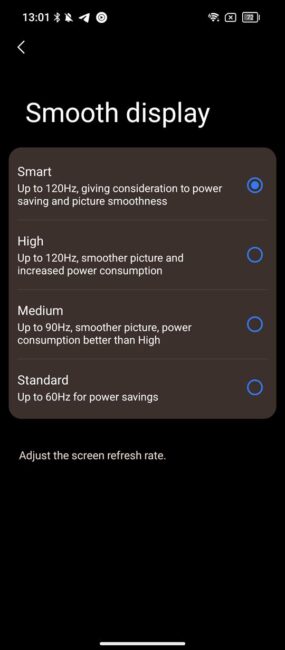
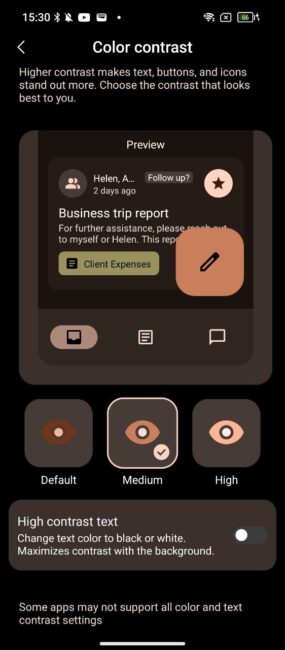
Overall, the main display leaves a positive impression. Personally, I recommend enabling the VIVID profile and setting the contrast enhancement to the medium level. With these settings, the screen performs at its best and is well-suited for consuming any type of content.
Read also: Motorola Edge 70 Review: A Blend of Elegance, Performance, and Endurance
Secondary Display
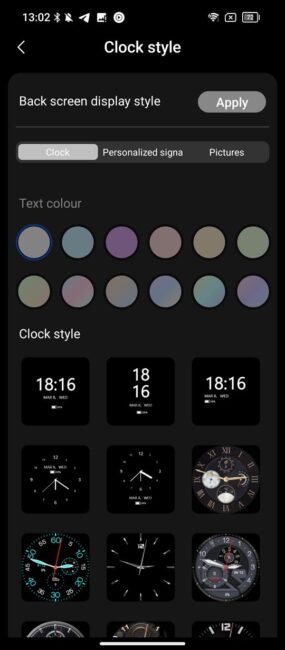
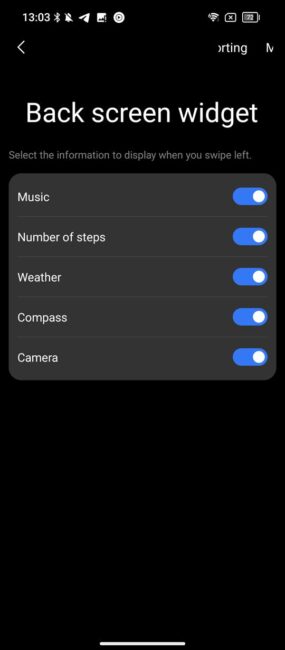
The secondary display allows users to perform certain tasks without activating the main screen, which can help save battery life. Essentially, it functions like a built-in smartwatch on the back panel. It primarily displays notifications and allows users to answer calls. The screen also shows the time, weather information, and fitness data, lets you control the music player, and can be used to take high-quality selfies using the main camera.
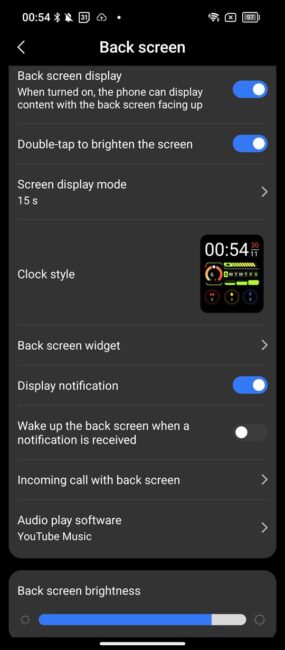
Accordingly, the menu provides options for controlling how the secondary display activates – by flipping the phone, double-tapping, when a notification arrives, or using all triggers simultaneously. Users can also extensively customize the main clock screen, select which widgets appear when scrolling through screens, choose a default music app, and more. Brightness for this display can only be adjusted manually.
Read also: Nubia Neo 3 GT Review: Budget Smartphone for Mobile Gaming
Blackview XPLORE 1 Performance
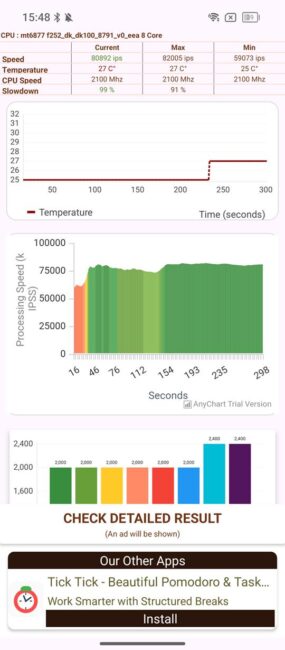
The smartphone is powered by a mid-range MediaTek Dimensity 7050 chipset, which has been on the market for a few years. It is an 8-core processor built on a 6nm process, paired with a Mali-G68 MC4 GPU. For comparison, its closest Qualcomm counterpart in terms of performance would be the Snapdragon 6s Gen 3. The Dimensity 7050 delivers solid baseline performance for a wide range of tasks, including well-optimized games at high settings. Notably, the processor exhibits minimal throttling under heavy load, and the device itself remains relatively cool during operation.
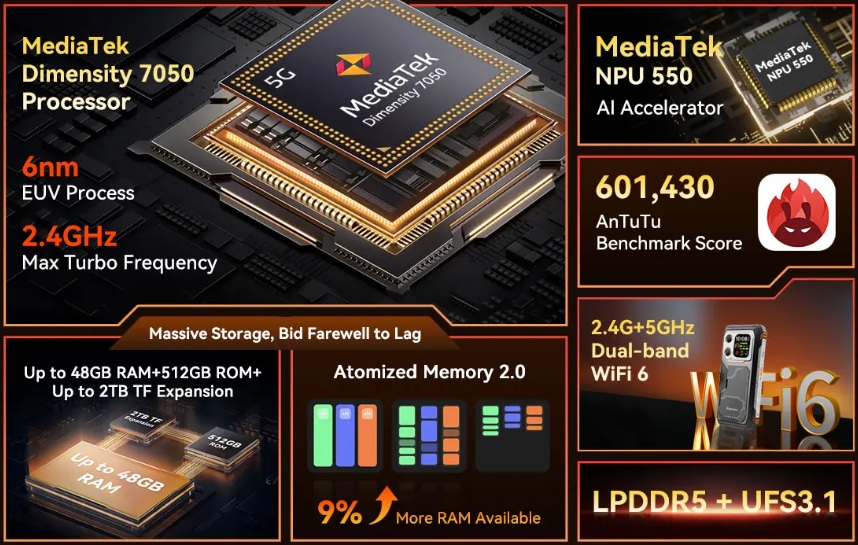
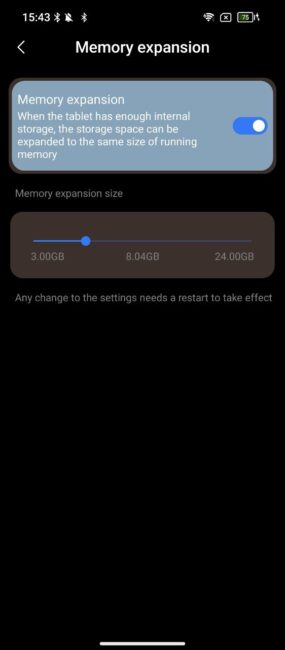
The device comes with either 12 GB or 16 GB of RAM, which is sufficient for high-level multitasking. Additionally, this memory can be expanded up to 24 GB using fast storage as virtual RAM. The Blackview XPLORE 1 also incorporates several performance-enhancing technologies. One of these, Atomic Memory, helps free up RAM more efficiently by compressing and clearing memory used by inactive processes, while also speeding up app launches through optimized memory management.
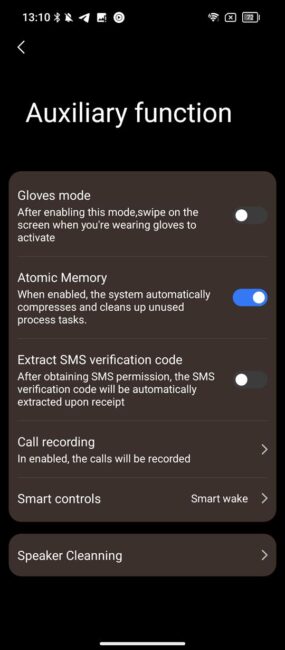
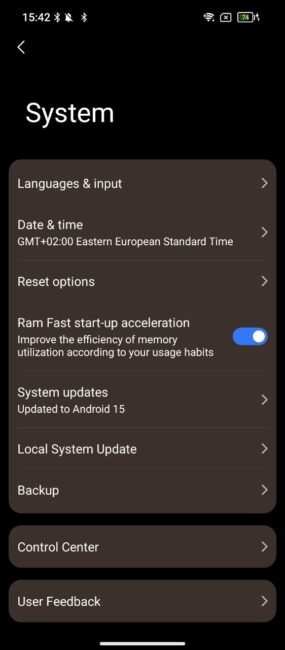
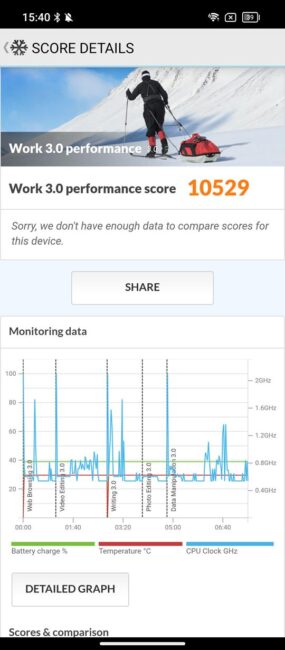
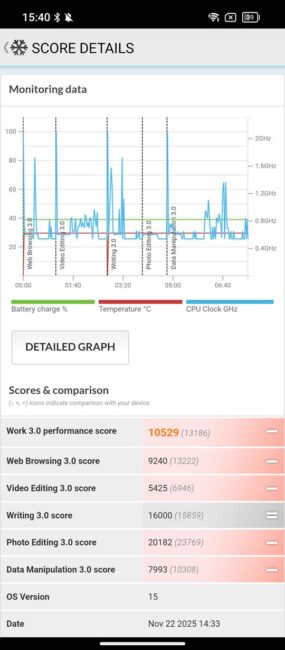
In practice, the smartphone delivers a solid user experience in terms of performance. The interface feels responsive and smooth, and apps launch quickly, though not instantaneously. Some benchmark results are provided below.
Read also: Review of Rugged Tablet Cubot TAB KingKong Mini: Yes, You Can Dunk It and Throw It in the Mud
Cameras
The main highlight of the Blackview XPLORE 1 is its straightforward camera setup. Rather than including multiple modules, it features a single primary camera at 64 MP, complemented by a 20 MP night vision module. There is no dedicated ultra-wide camera. Additionally, the front-facing selfie camera has a 50 MP sensor.
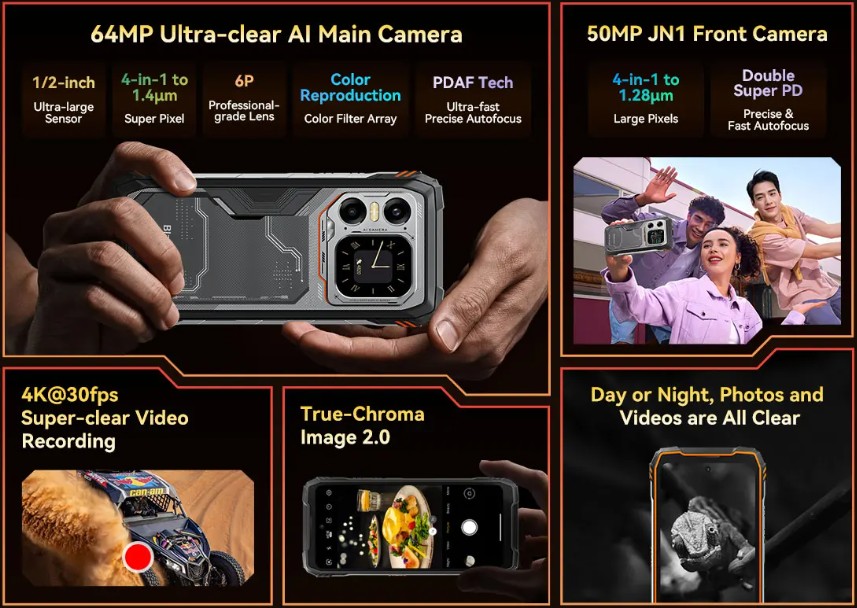
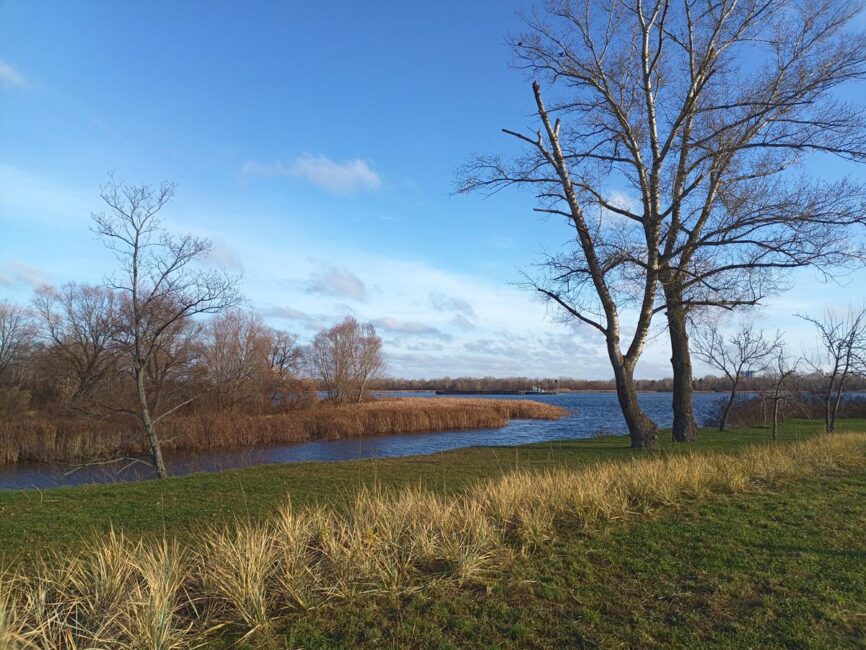
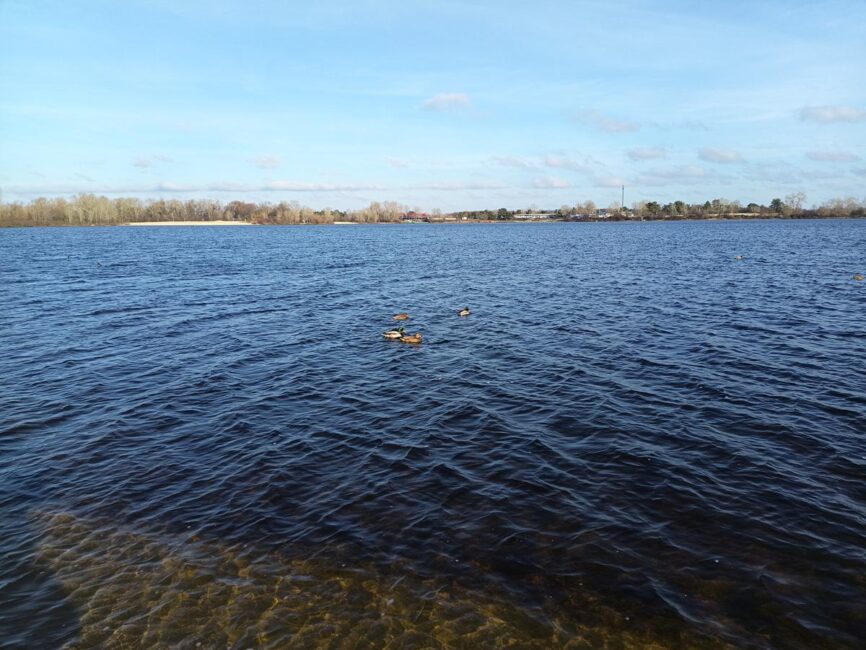
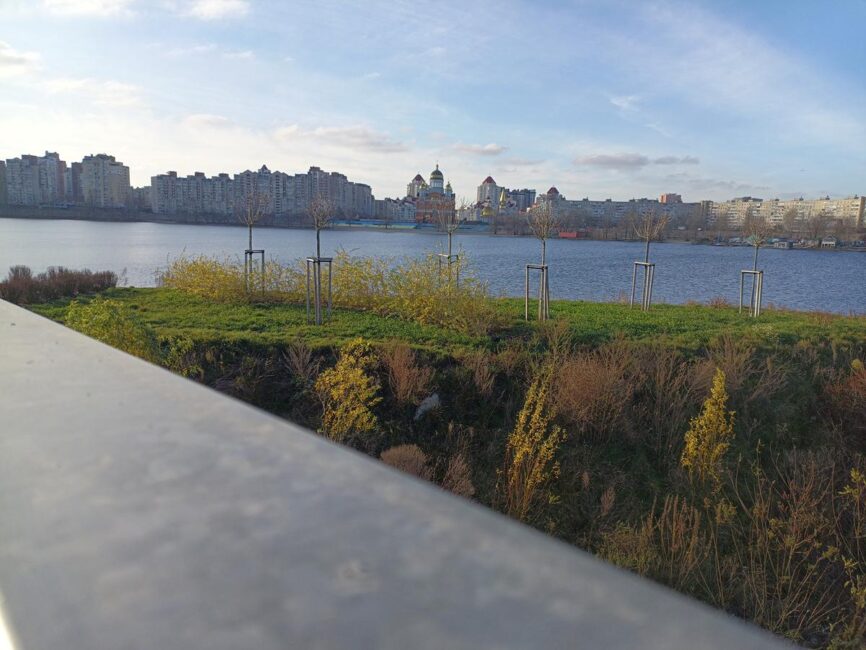
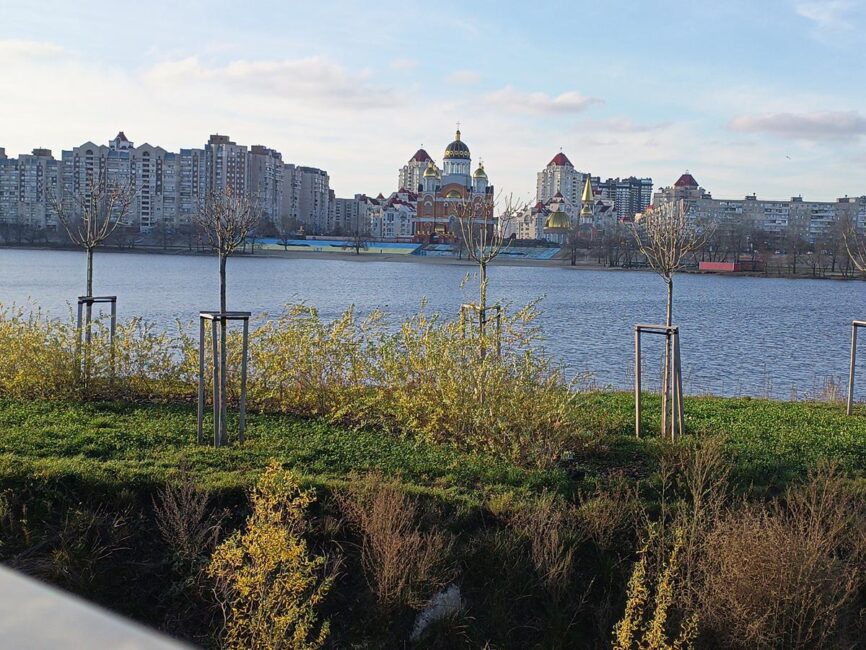
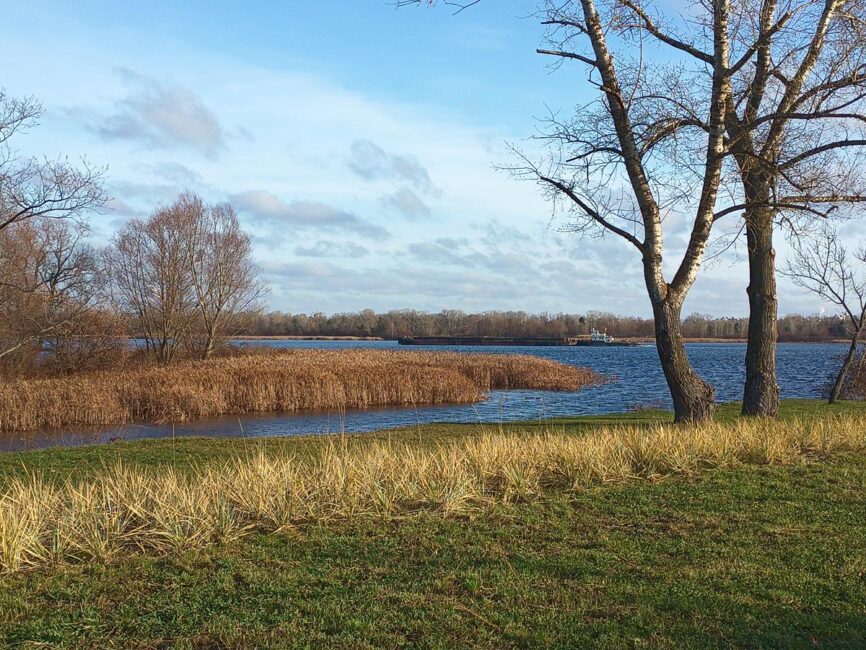
When I first went outside to test the camera, it happened to be an unusually sunny day for early December. In that setting, the Blackview XPLORE 1 camera pleasantly surprised me. It produces fairly high-quality photos with good detail and natural colors.
However, the main drawback is the lack of optical or electronic stabilization, which requires holding the phone very steadily during shooting. Some stabilization is provided indirectly by the device’s substantial weight, but this effect is limited. Autofocus is also relatively slow. Overall, though, the camera performs quite well for its price range.
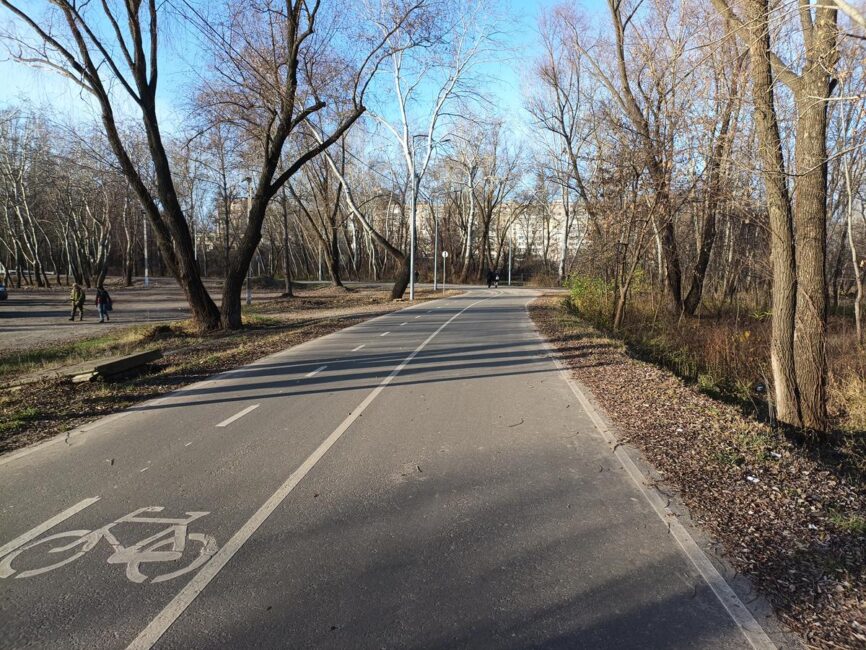

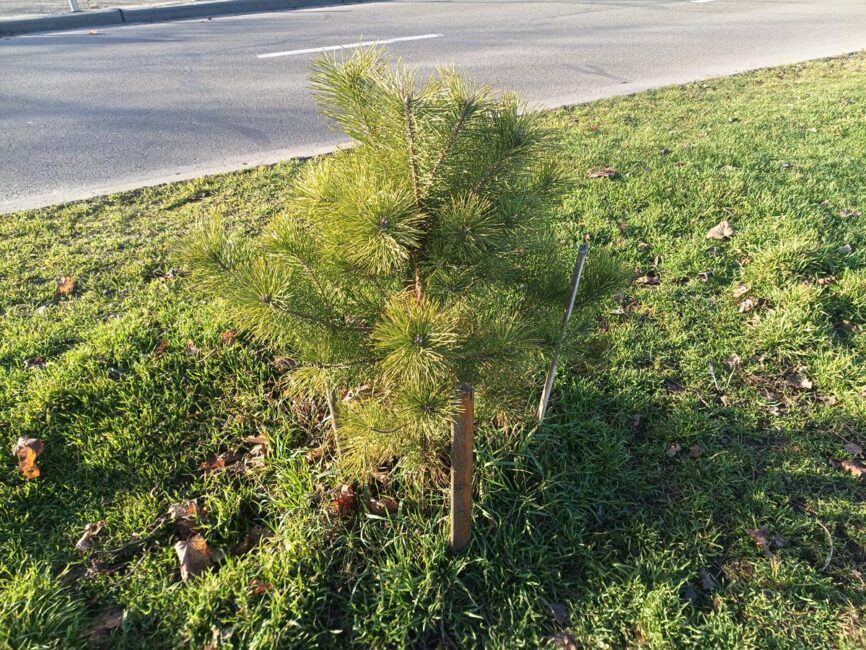
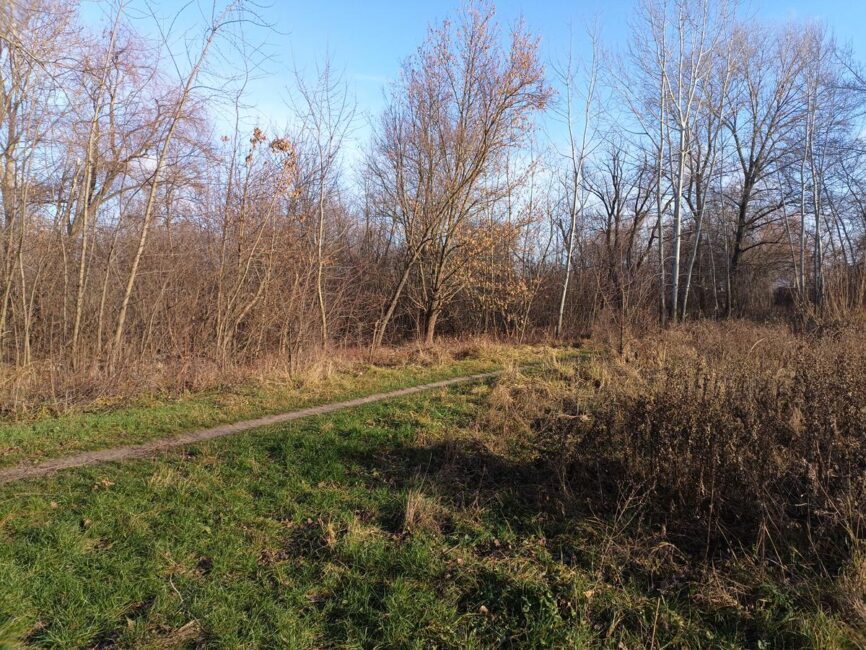
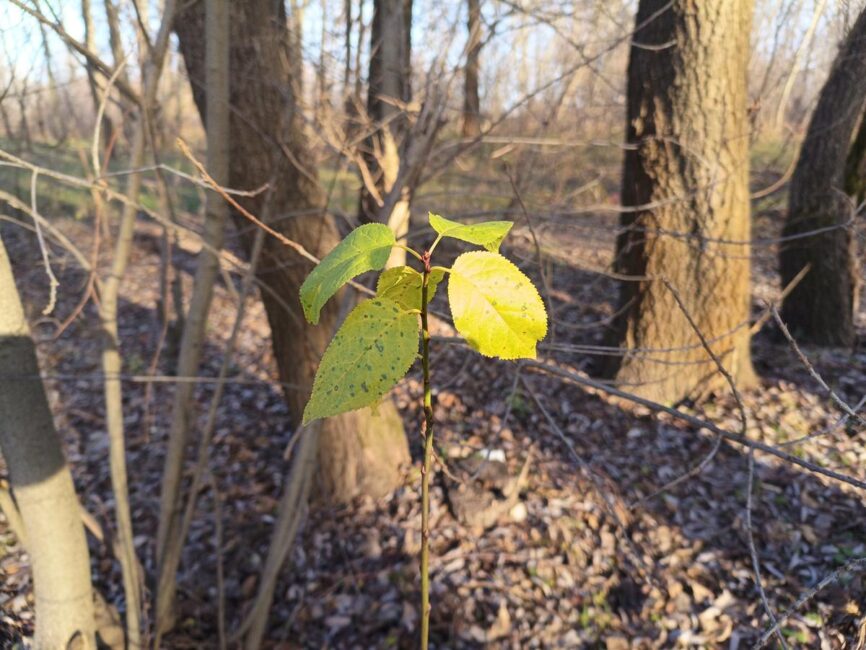
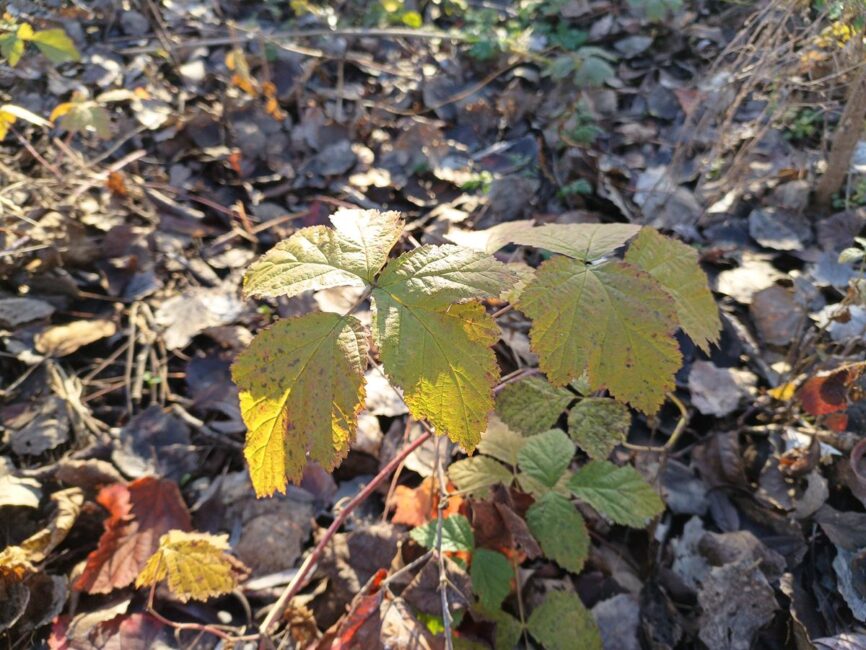
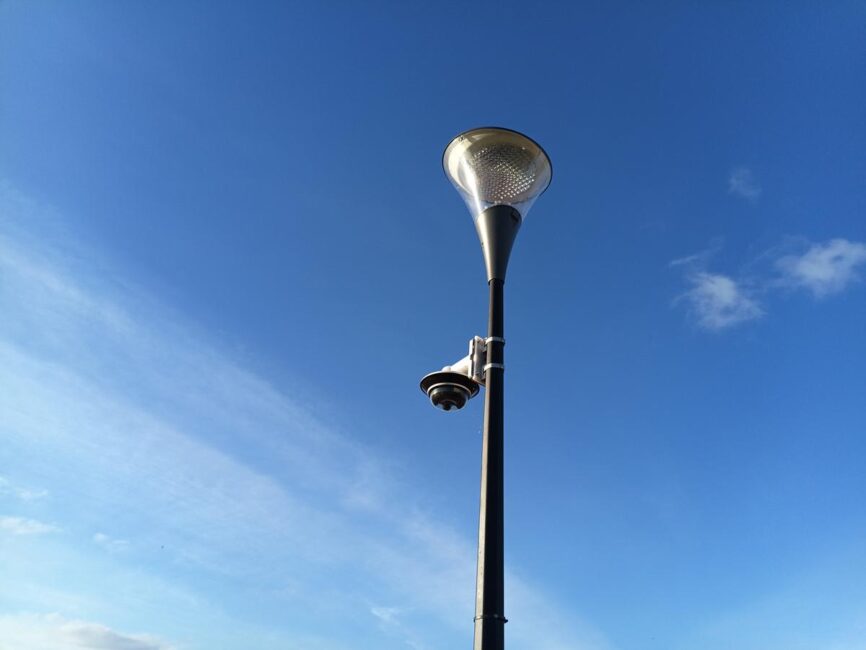
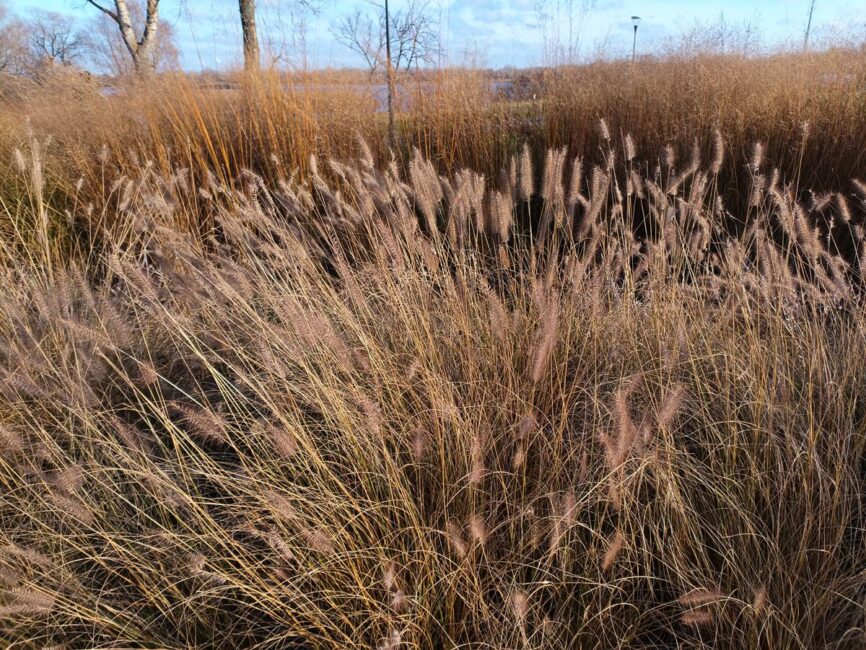


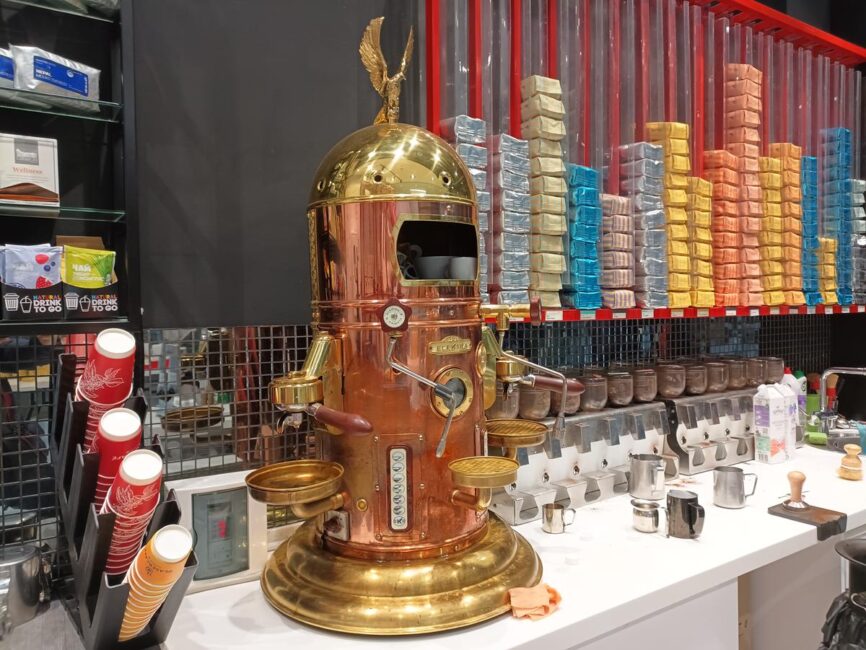
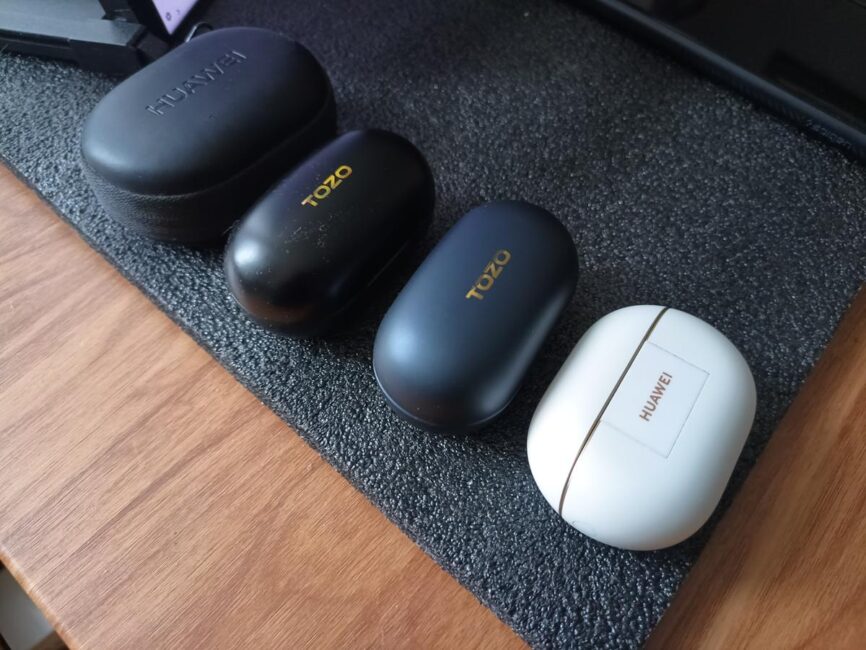
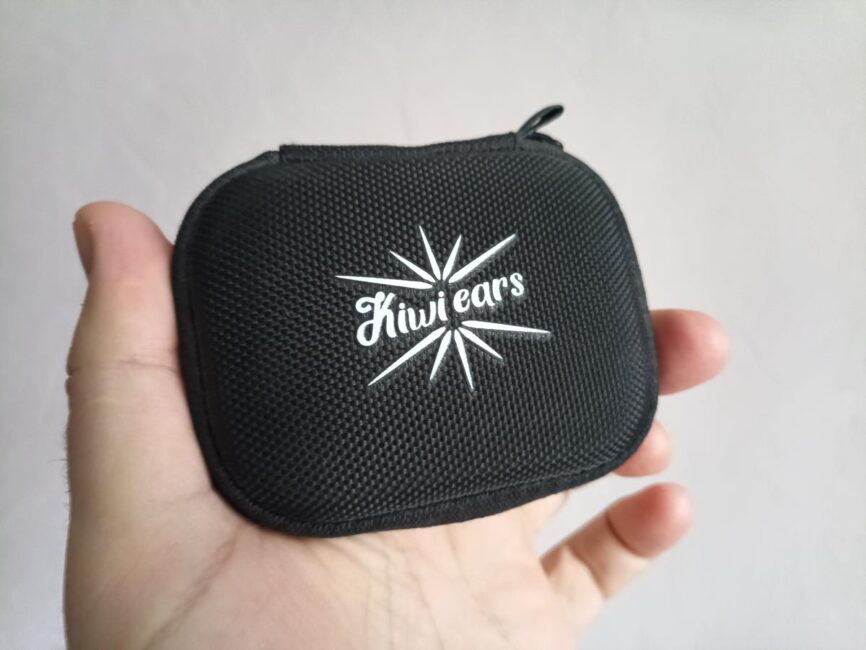
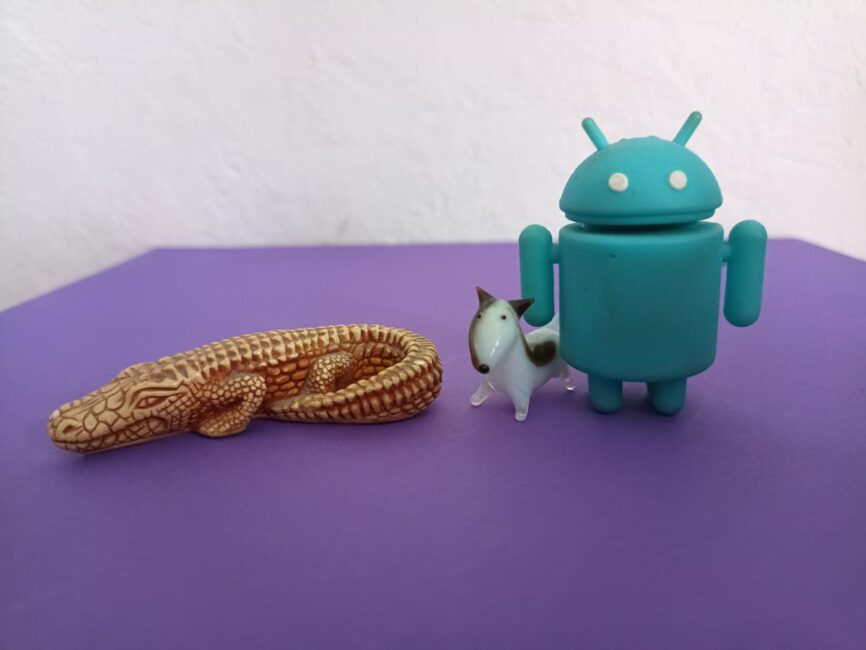
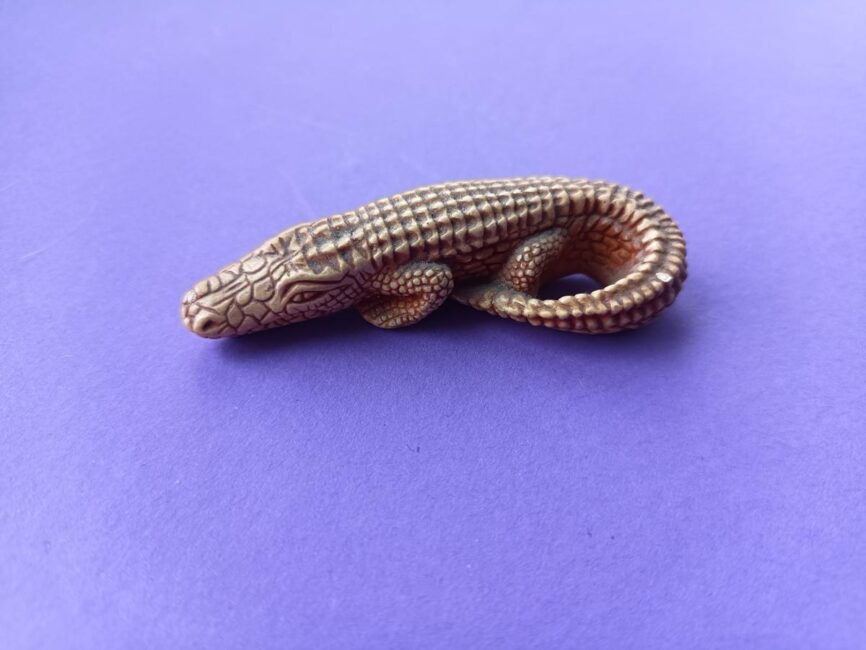
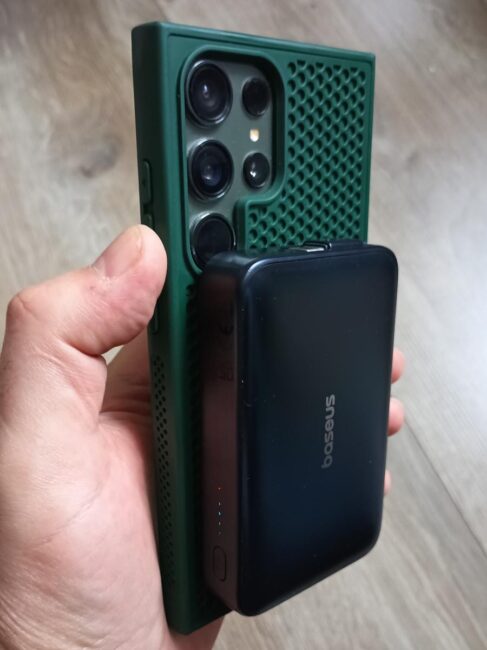
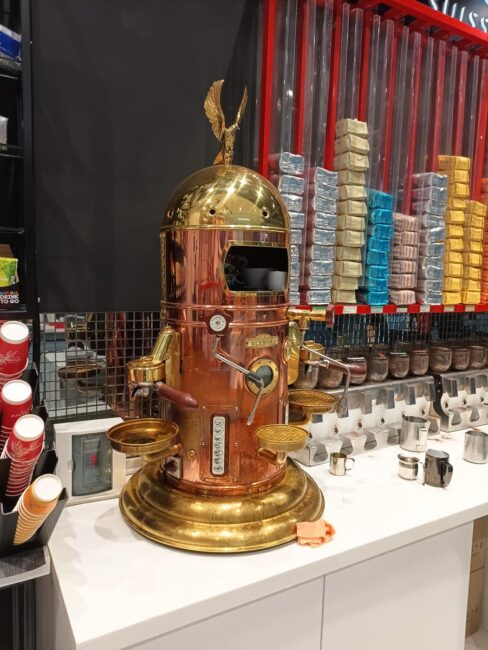
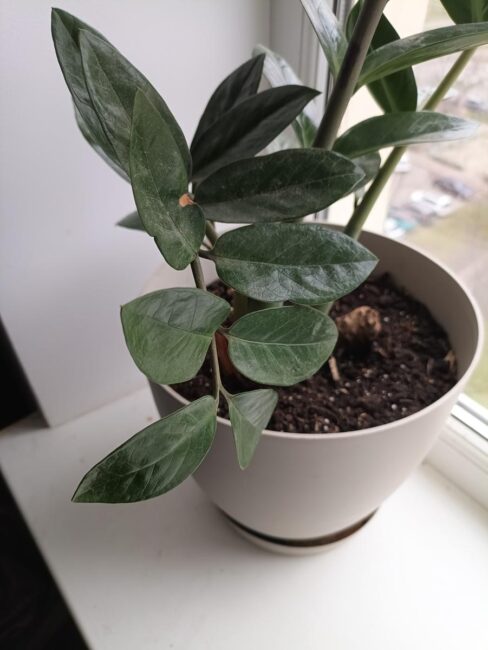
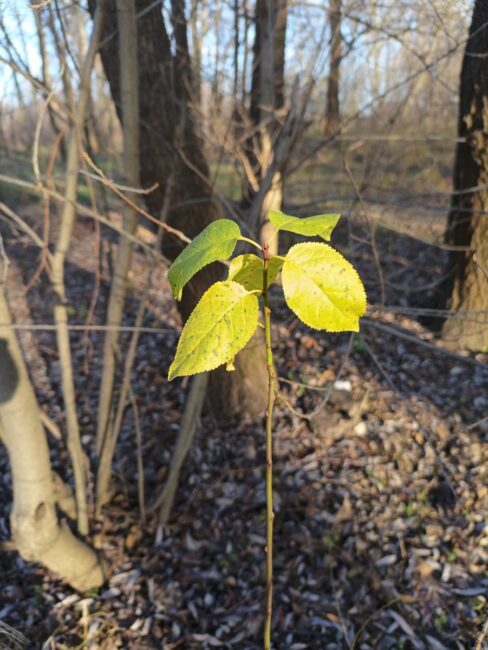
Indoors, the image quality is also quite acceptable as long as there is some light. Photos are sharp, with decent detail and minimal digital noise.
By default, the camera captures images at 12 MP, though it can be switched to the full 64 MP resolution. While the practical benefits of the higher resolution may be limited, the option is available. A comparison between standard 12 MP shots and full-resolution 64 MP images can be viewed here.
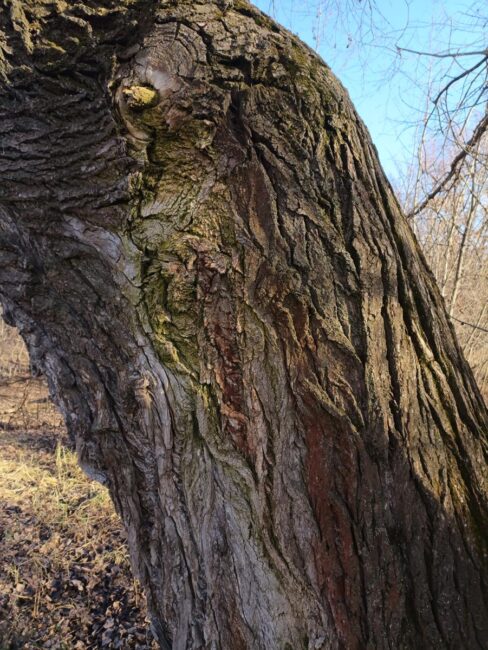

The zoom function is also a positive aspect, mainly because it exists and works reasonably well. While it’s not at a flagship level, it is acceptable for general use. Here are a few examples of photos taken at ×1, ×2, and ×4 zoom:




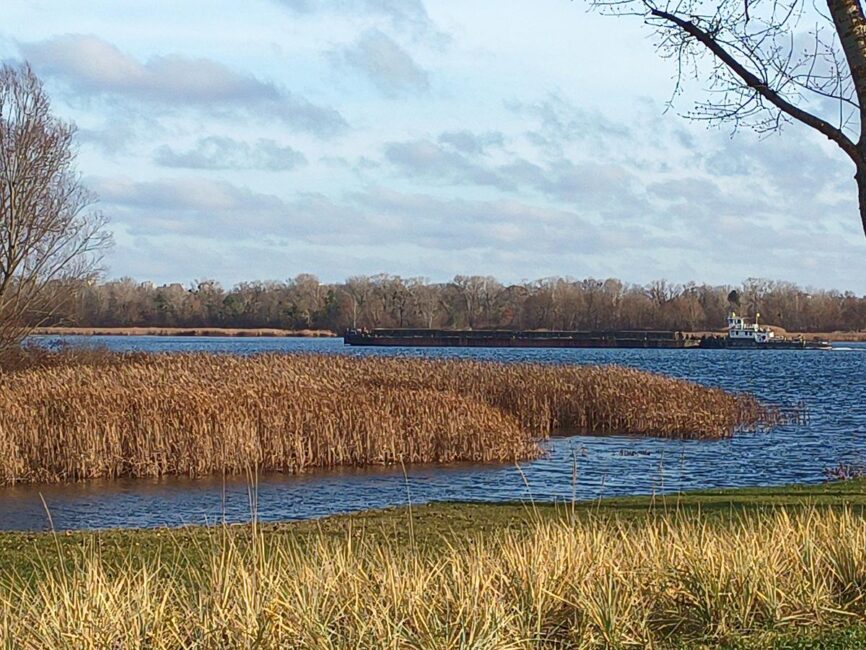
The Blackview XPLORE 1 can record video in 4K resolution. In well-lit conditions, the quality is quite good, though autofocus remains somewhat slow – a limitation that can be adapted to. On the positive side, basic digital stabilization is available for video and performs reasonably well. Examples of footage in the original resolution can be viewed here.
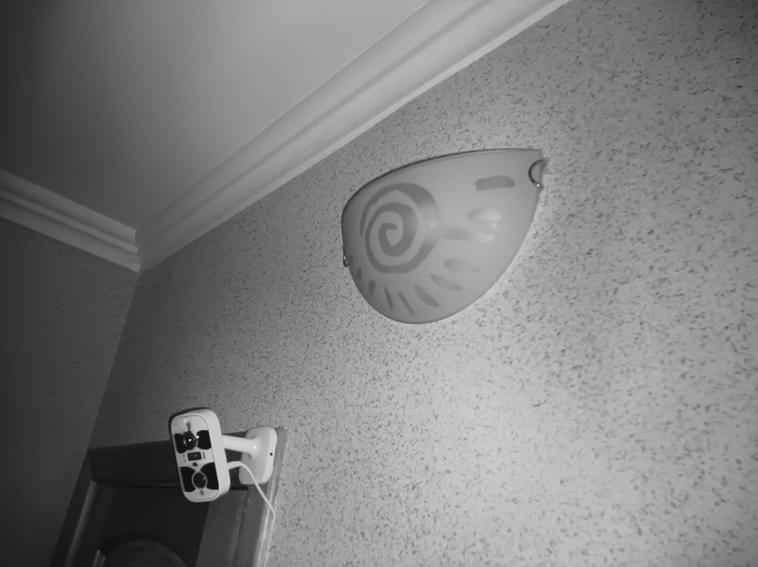
A special mention goes to the night vision camera with infrared illumination. It can capture images in complete darkness, even when the human eye sees nothing, and can also function as a basic night-vision tool for navigating in dark environments. Naturally, the image and video quality in this mode is low – there is minimal detail and limited sharpness – so it’s not suitable for professional photography. It is primarily a utilitarian feature.
Interestingly, in the second photo, the infrared light shines through the semi-transparent black plastic of the rear camera panel, revealing some internal details of the device. Amusingly, this gives a glimpse inside the smartphone. Original-size images can be viewed here.


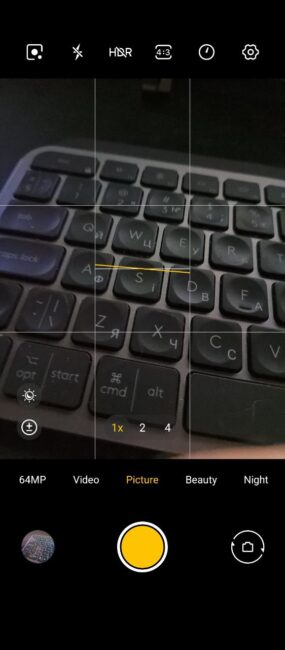
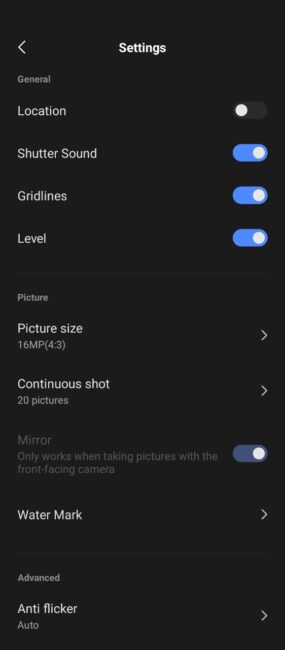
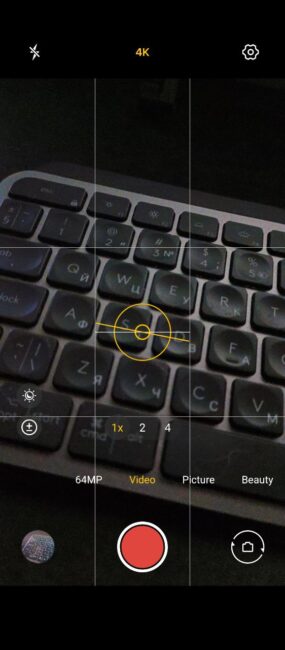
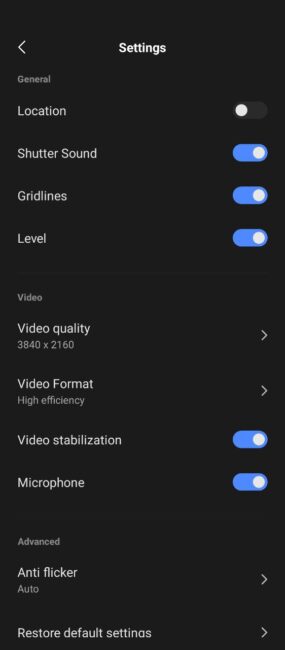
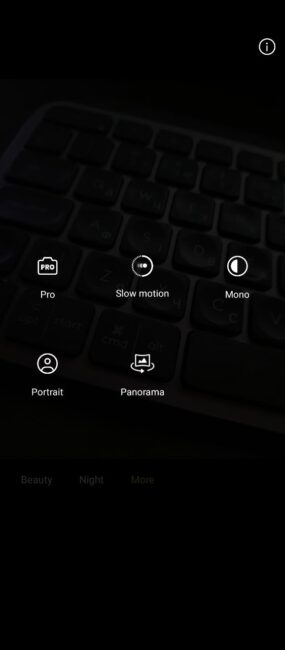
The camera app is simple and minimalist, yet includes all essential functions: switching between main modes, on-screen zoom control, quick resolution changes for video recording, and a professional mode for manual adjustments.
Read also: KKTICK Tank T5 Review: Rugged Smartwatch for Sports and Outdoor Adventures
Firmware and Built-in Software
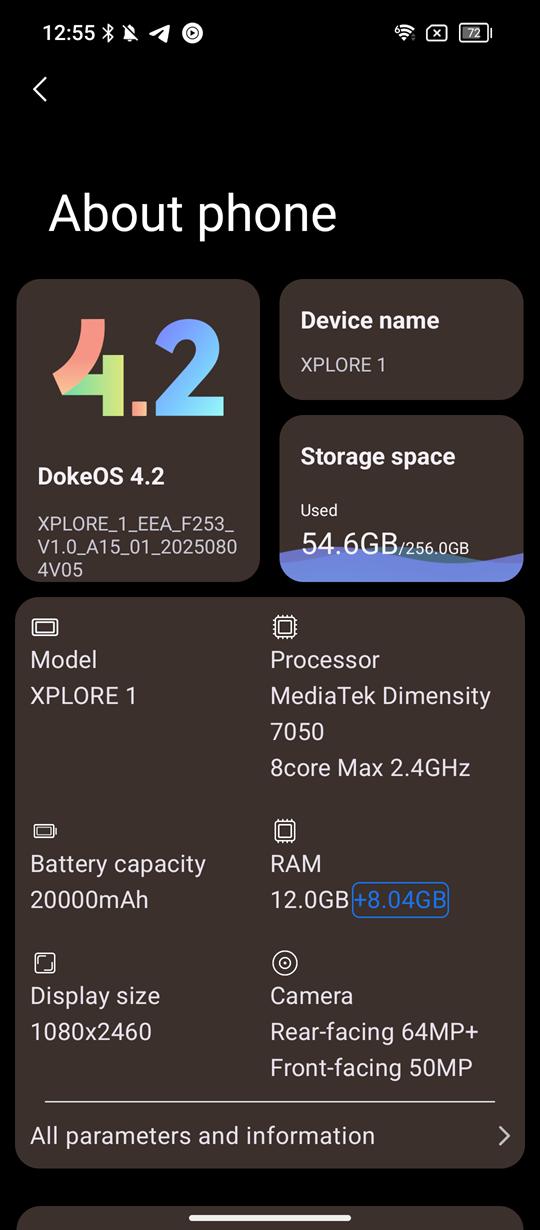
The Blackview XPLORE 1 runs on the company’s custom DokeOS 4.2 interface. Essentially, this is close to stock Android 15, with the original UI design complemented by some additional features and settings. Overall, the interface is lightweight and not cluttered with unnecessary elements. This is my first experience with Blackview’s firmware, and I find this balanced approach quite appealing.
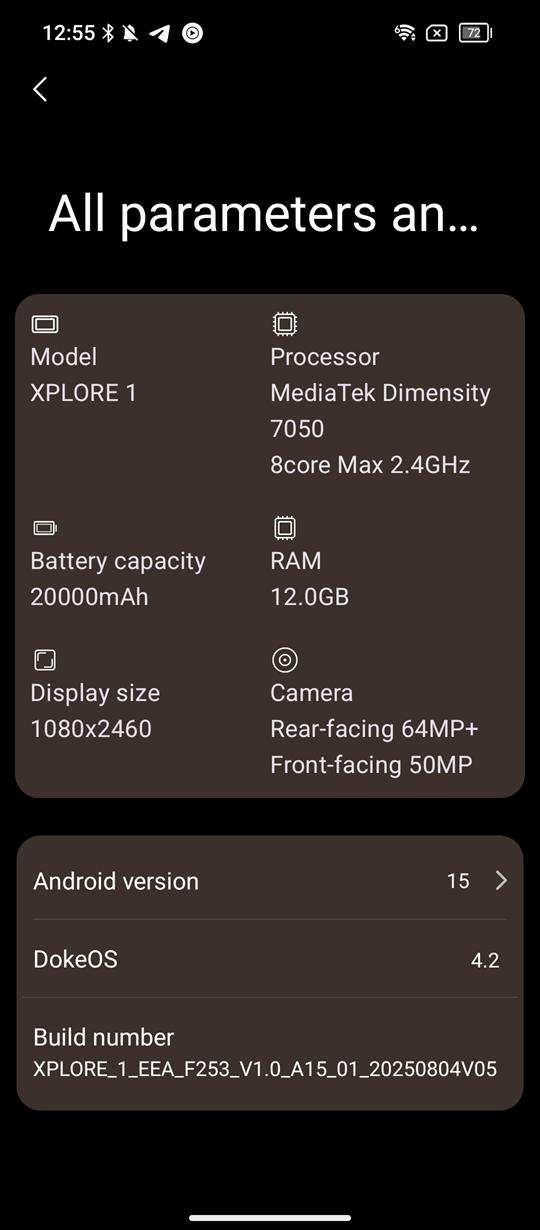
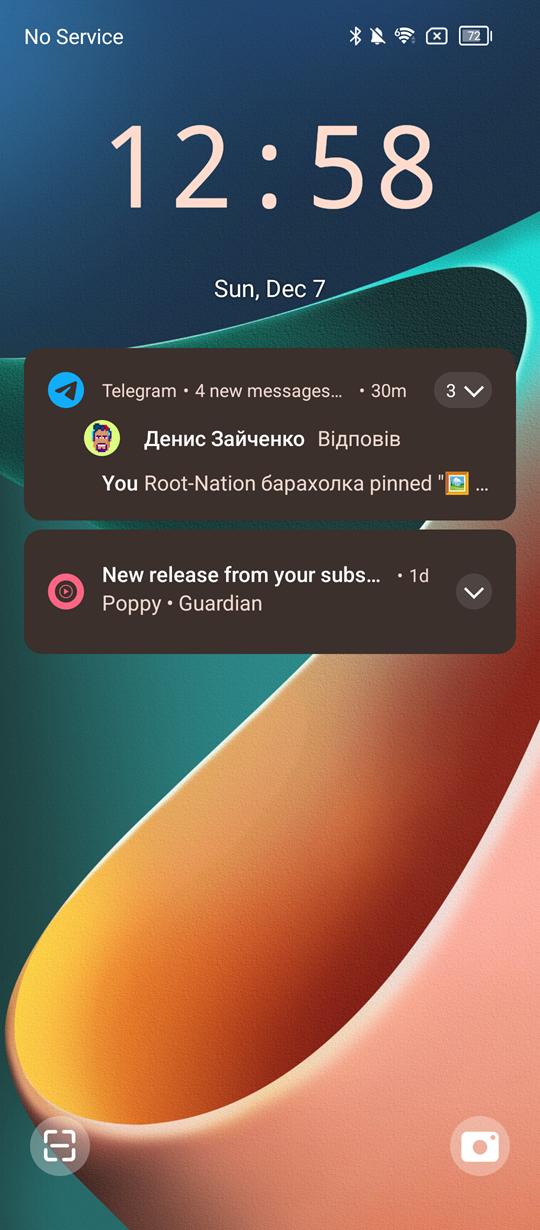
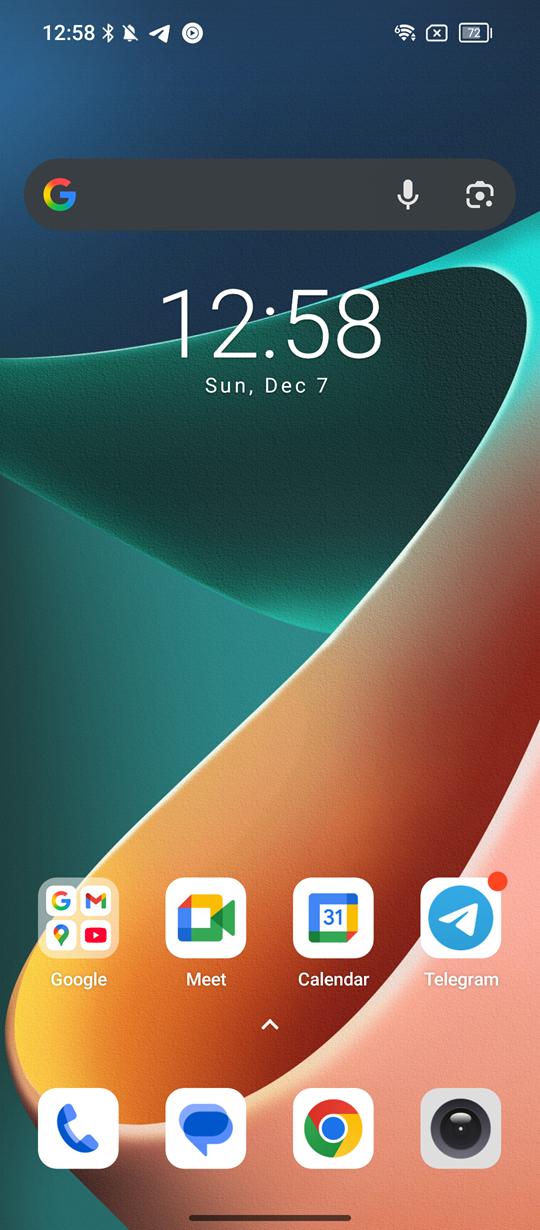
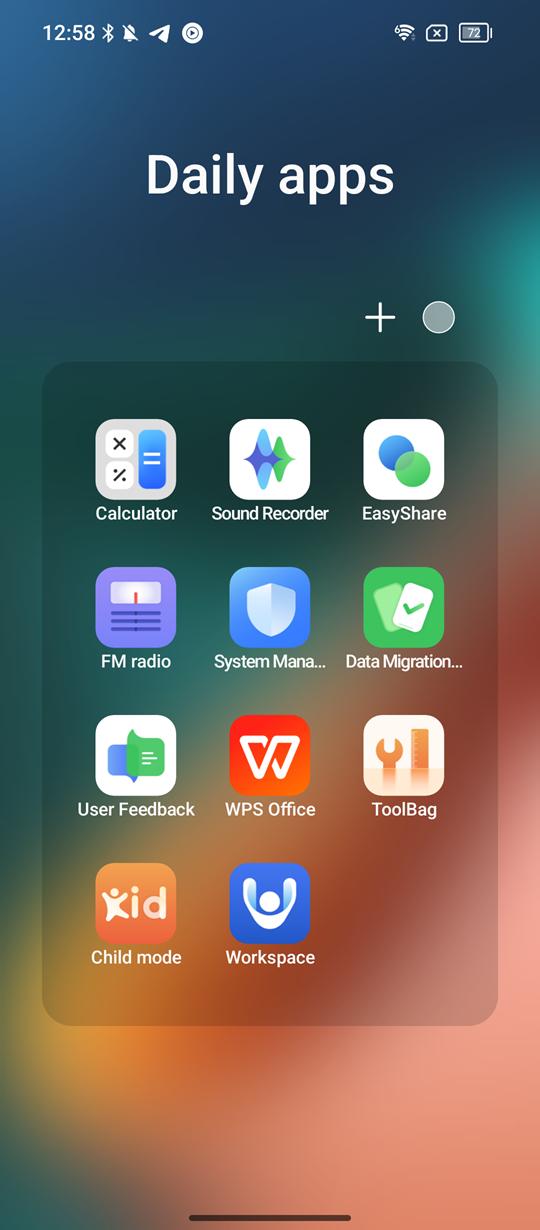
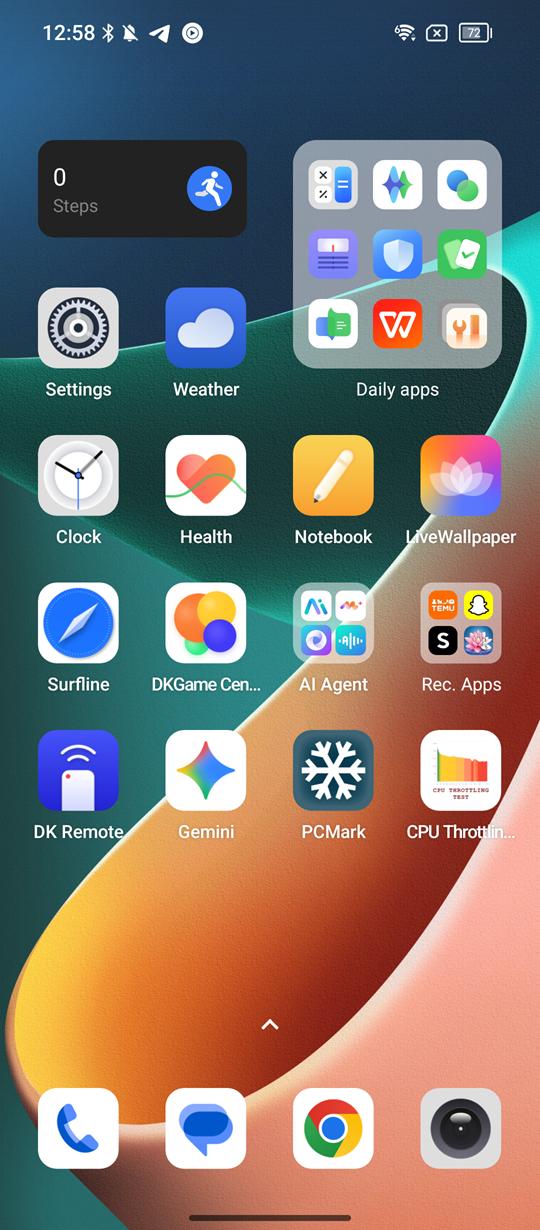
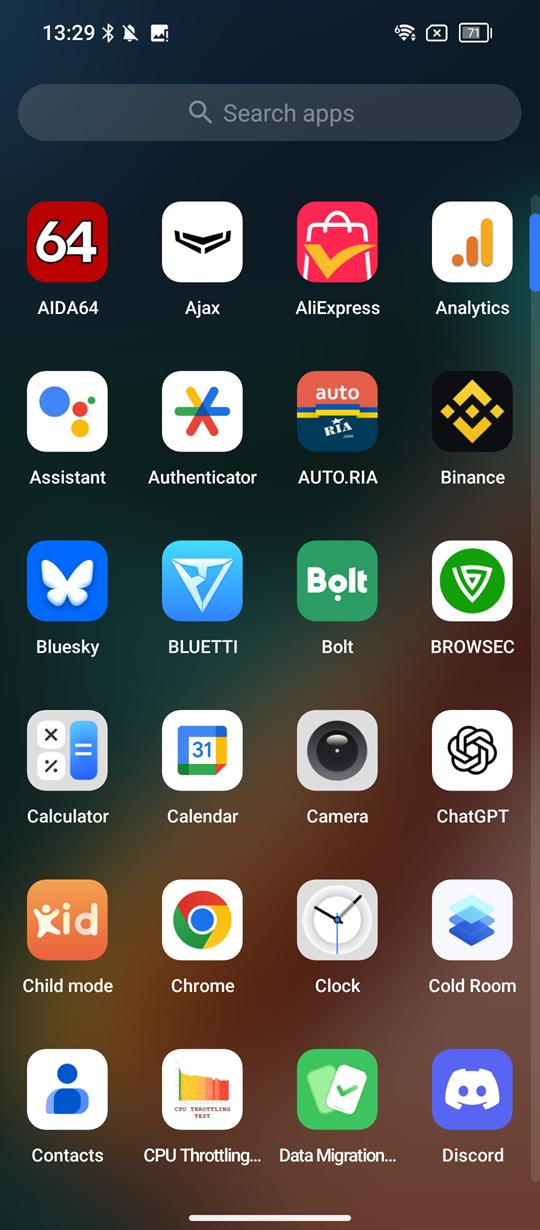
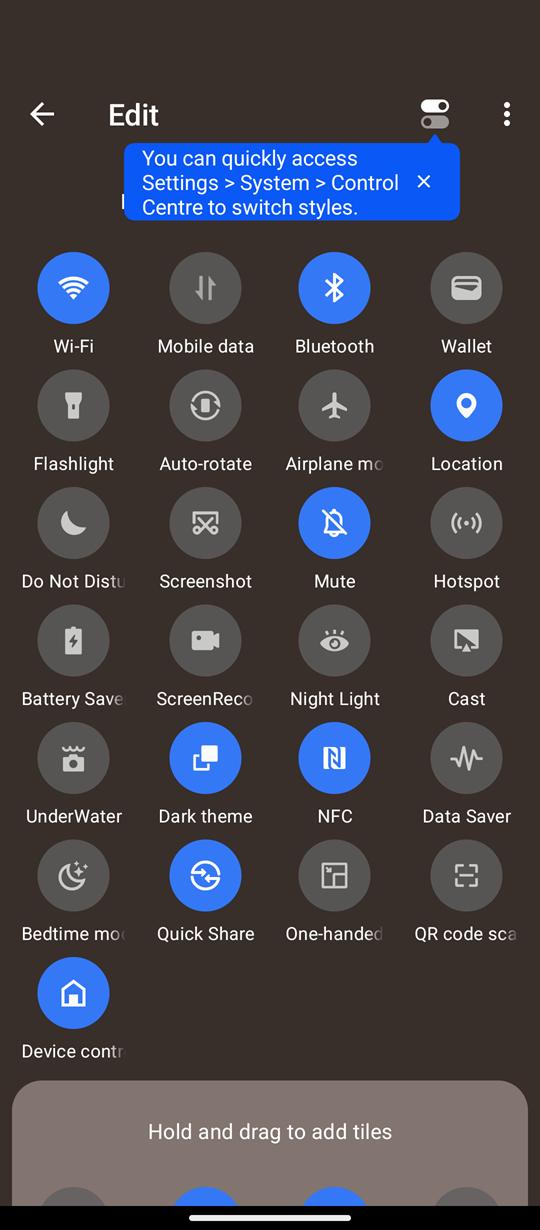
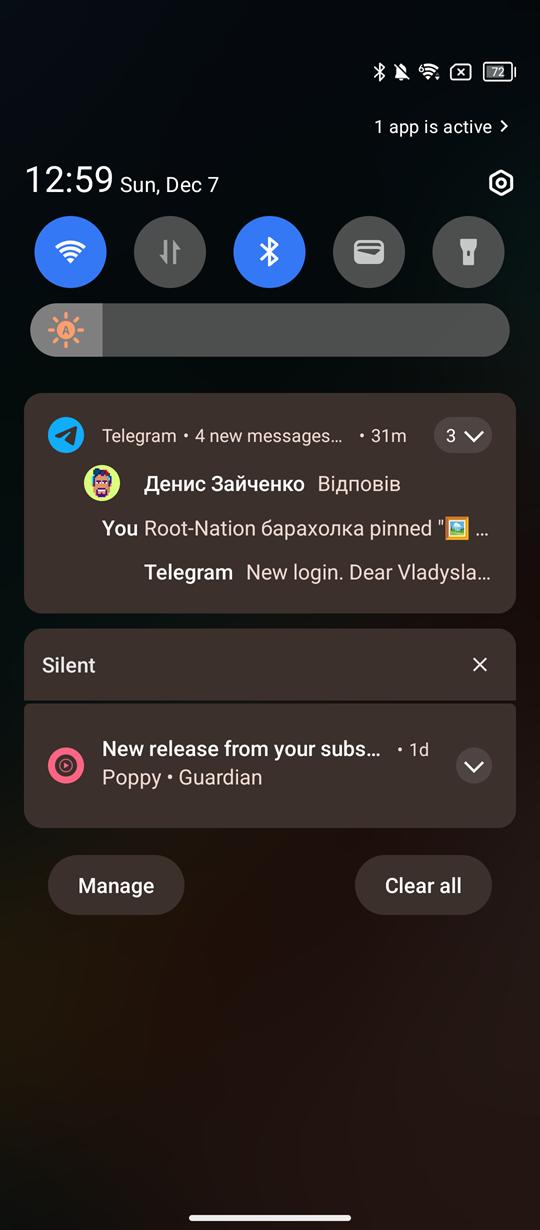
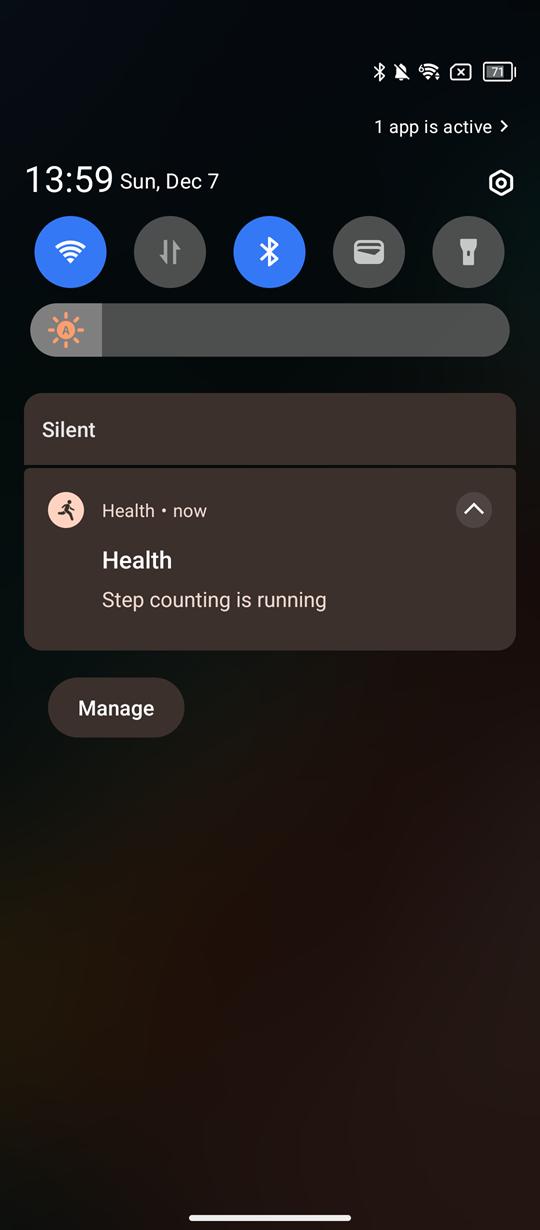
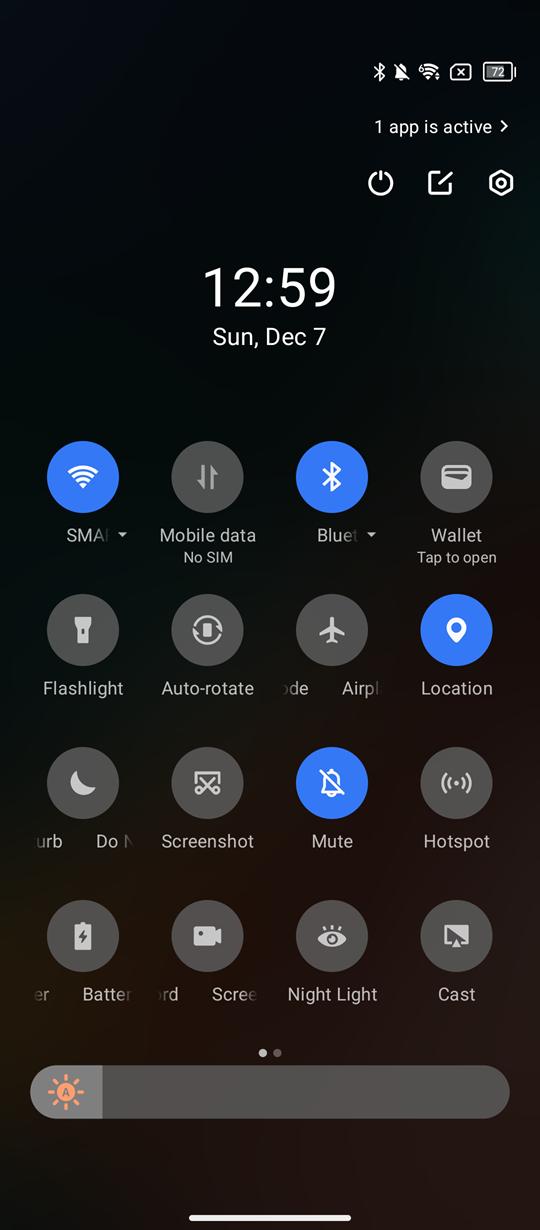
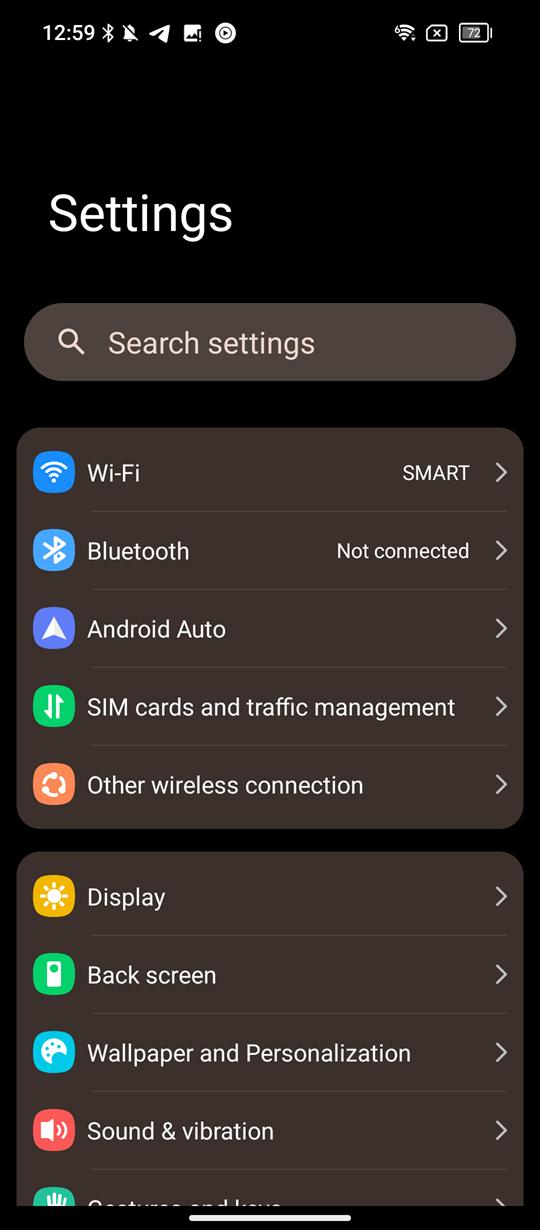
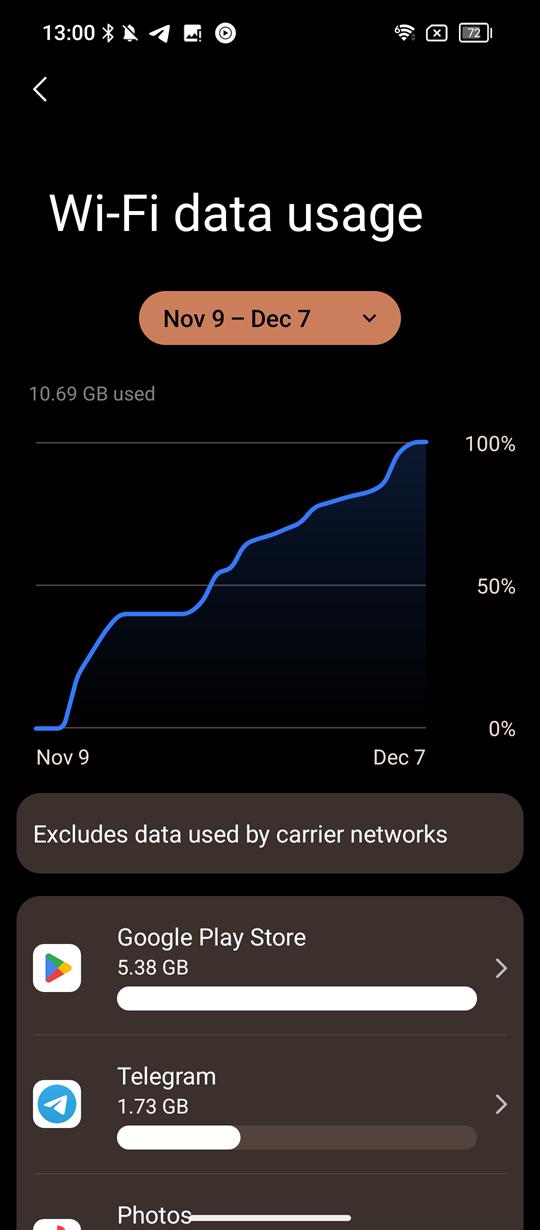
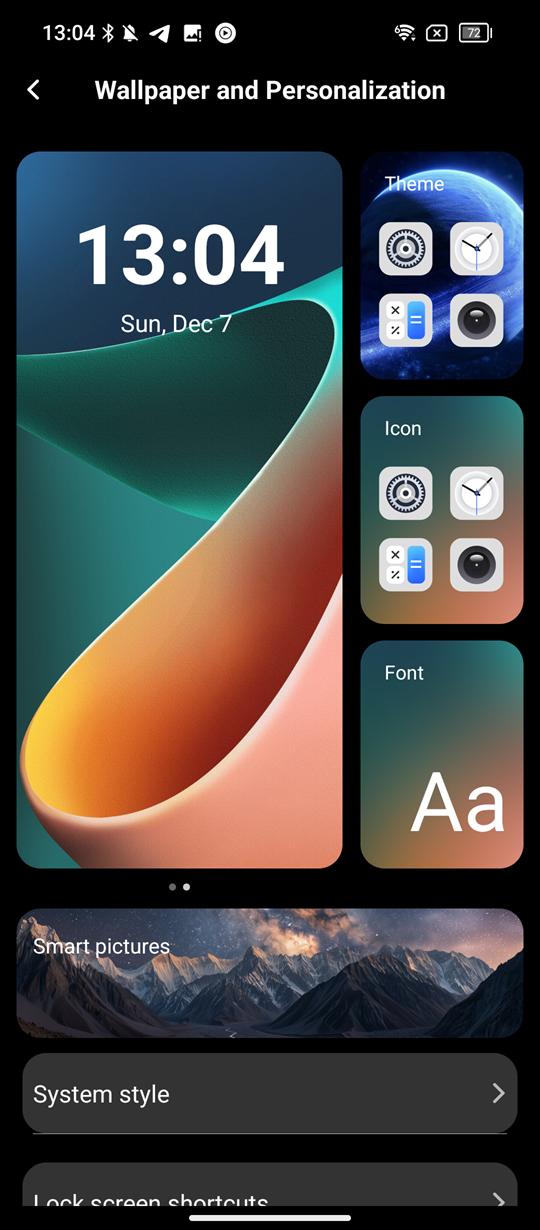
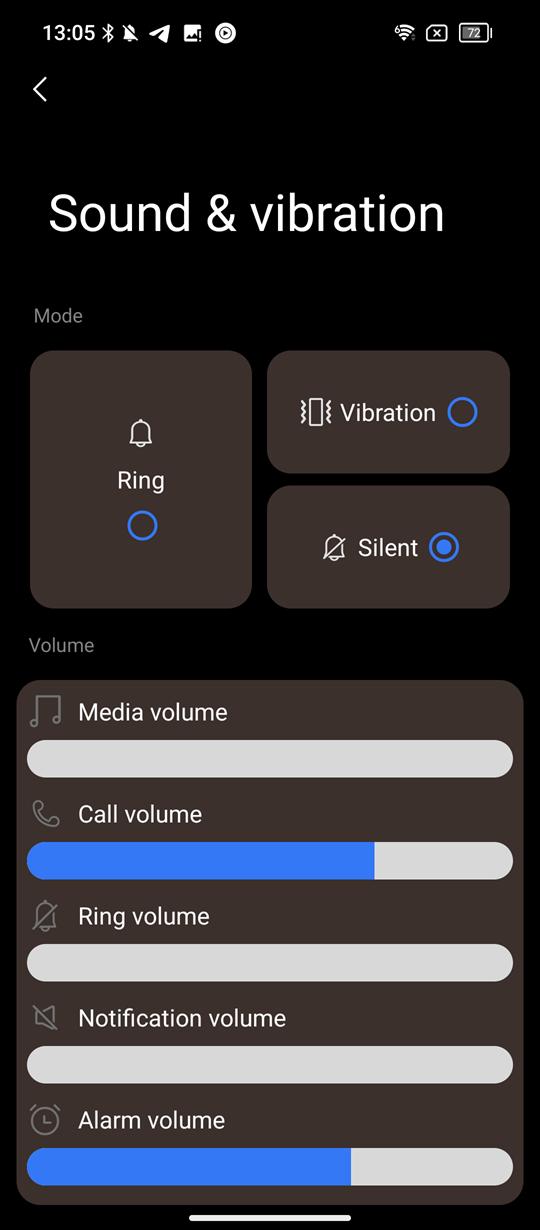
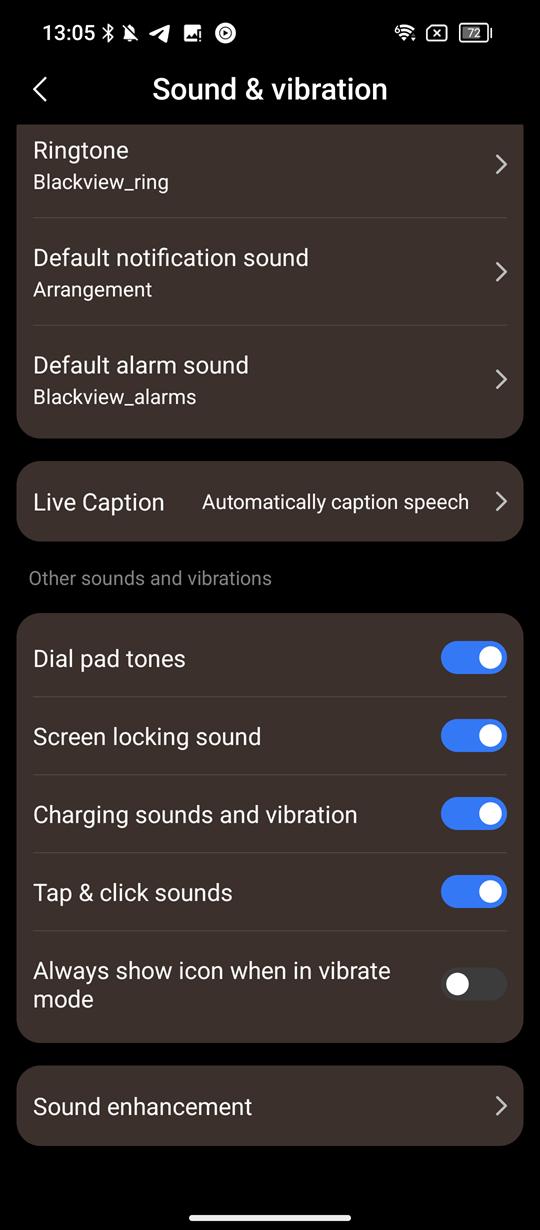
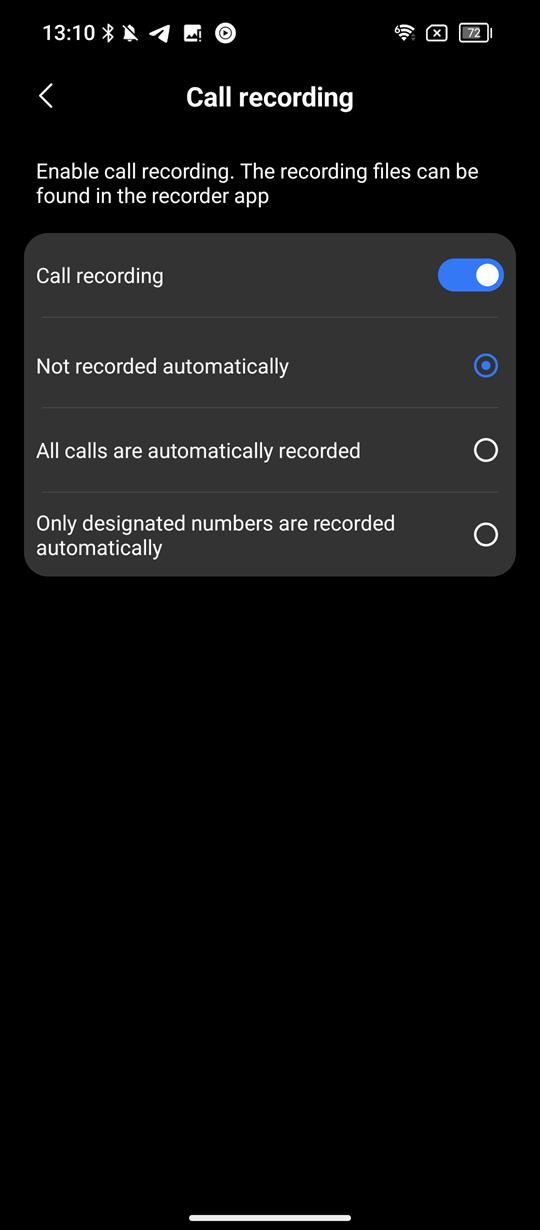
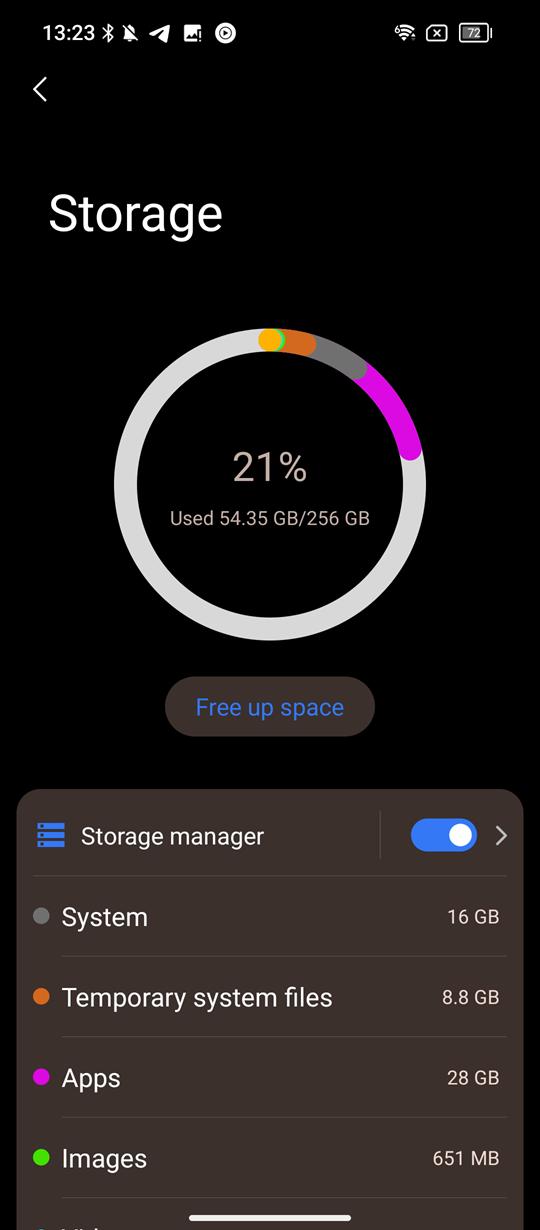
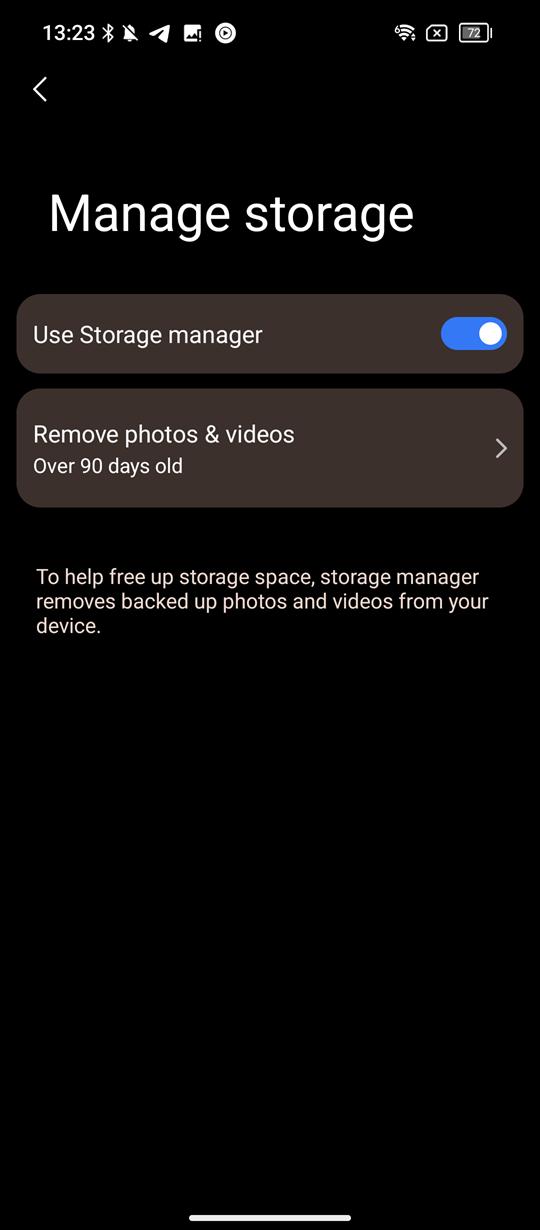
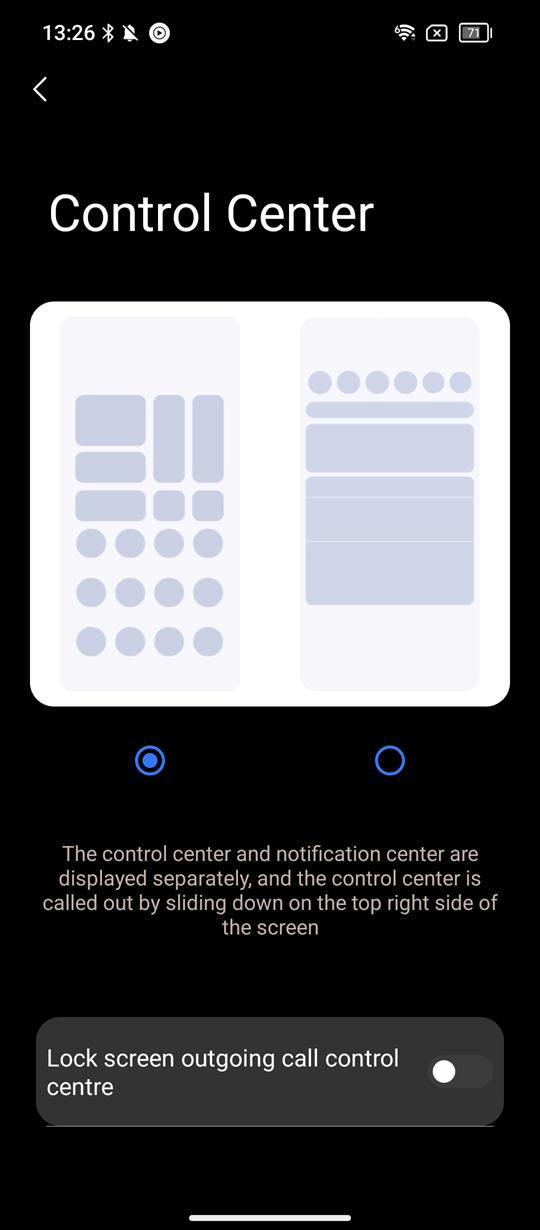
The settings include several unique options for customizing the interface. For example, users can choose between a split notification panel with separate sections for notifications and quick toggles or a more compact view. The home screen can display all apps directly or use a separate app drawer accessed with an upward swipe. Themes and styles are supported for interface elements.
Additionally, the system includes intelligent memory and storage managers, extensive battery and power-saving controls, and the ability to expand RAM using internal storage. There are numerous security and privacy settings, and the firmware also features built-in call recording, which can operate in either automatic or manual mode.
As for the pre-installed software, there’s a bit of an overkill here, in my opinion. However, some users might find the factory bundle useful.
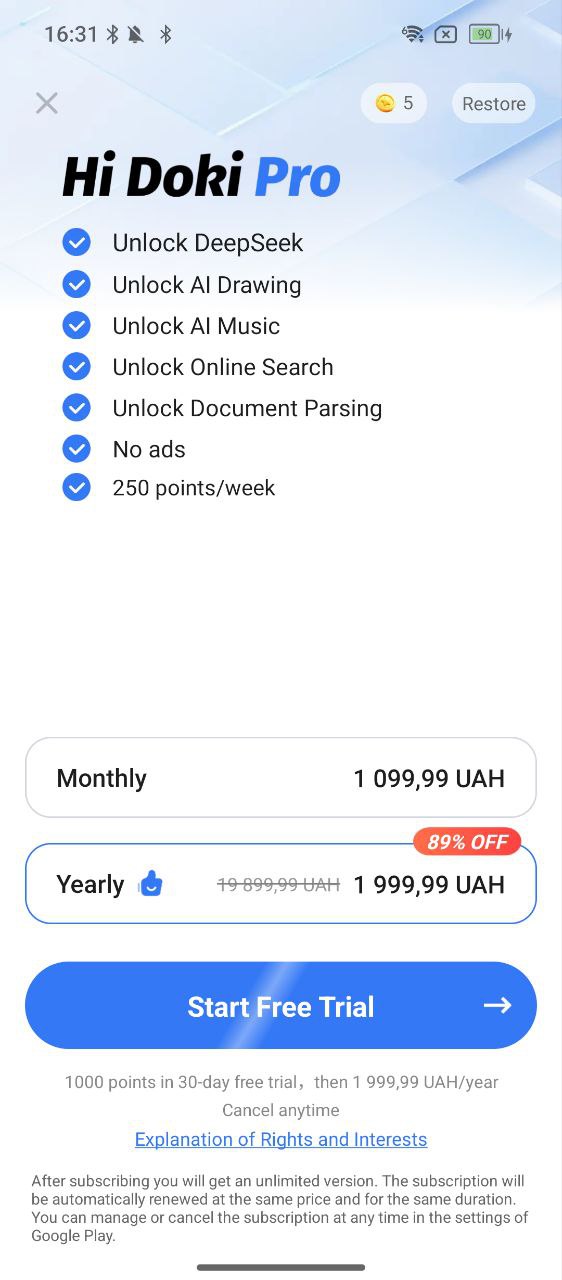
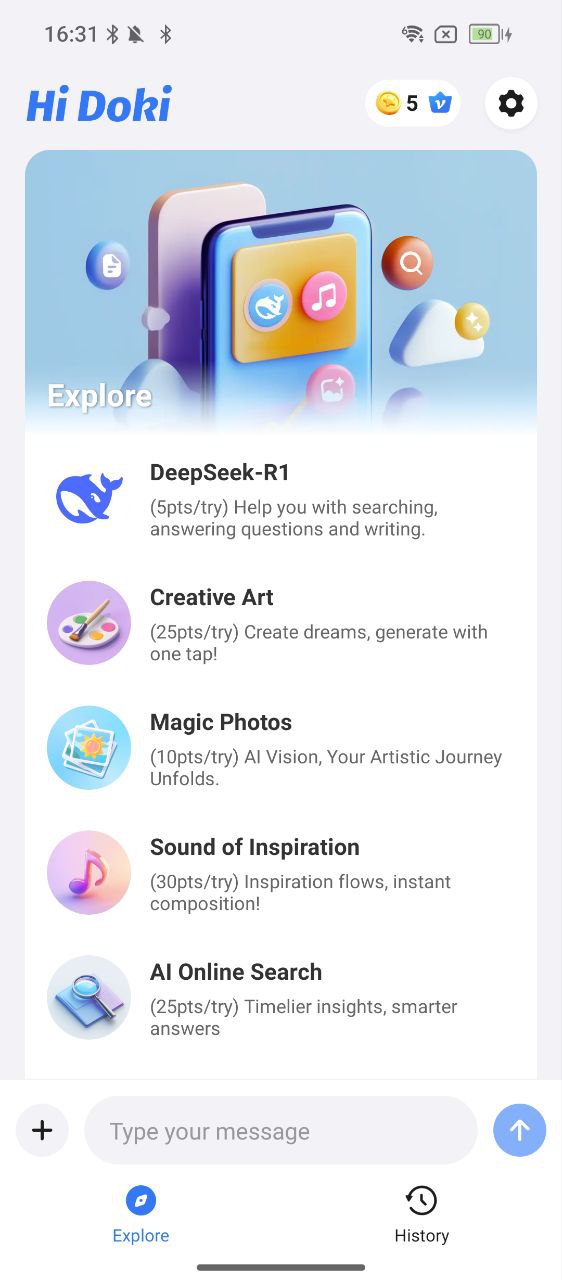
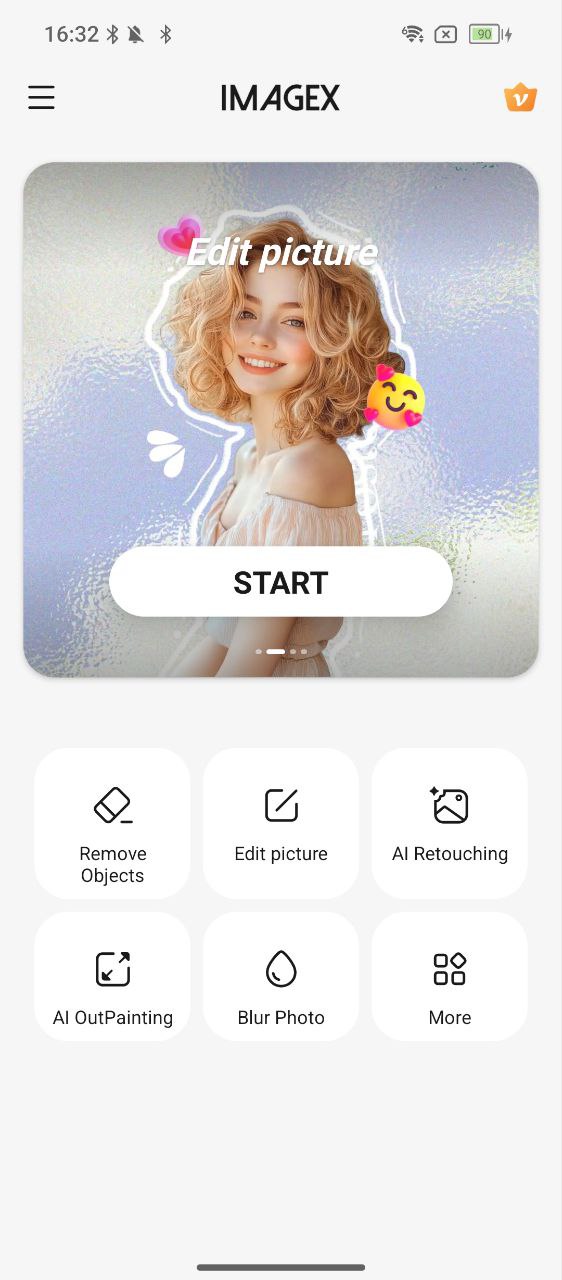
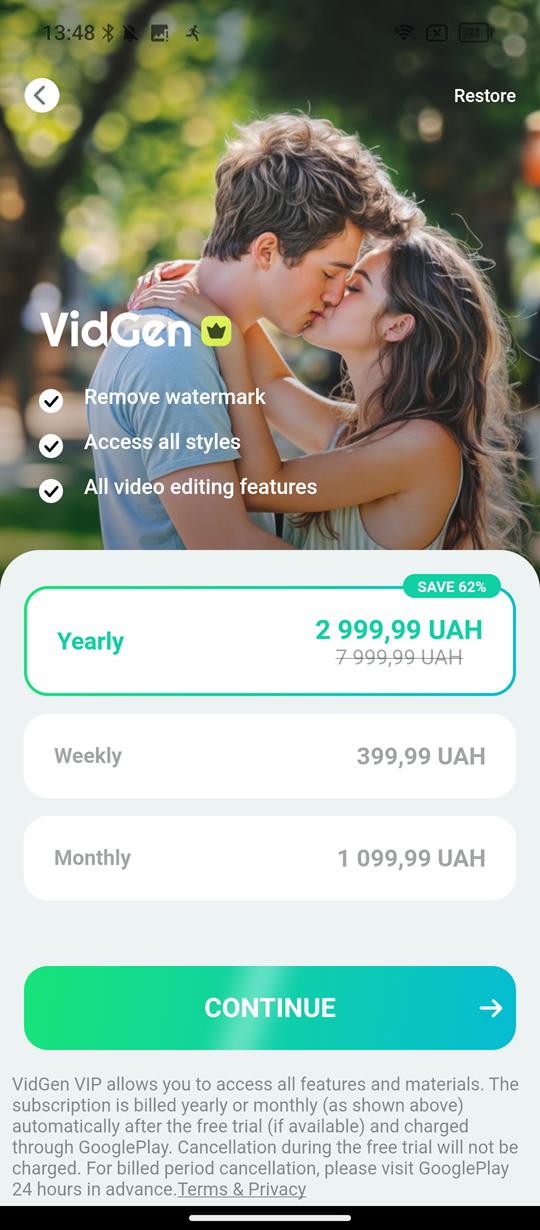
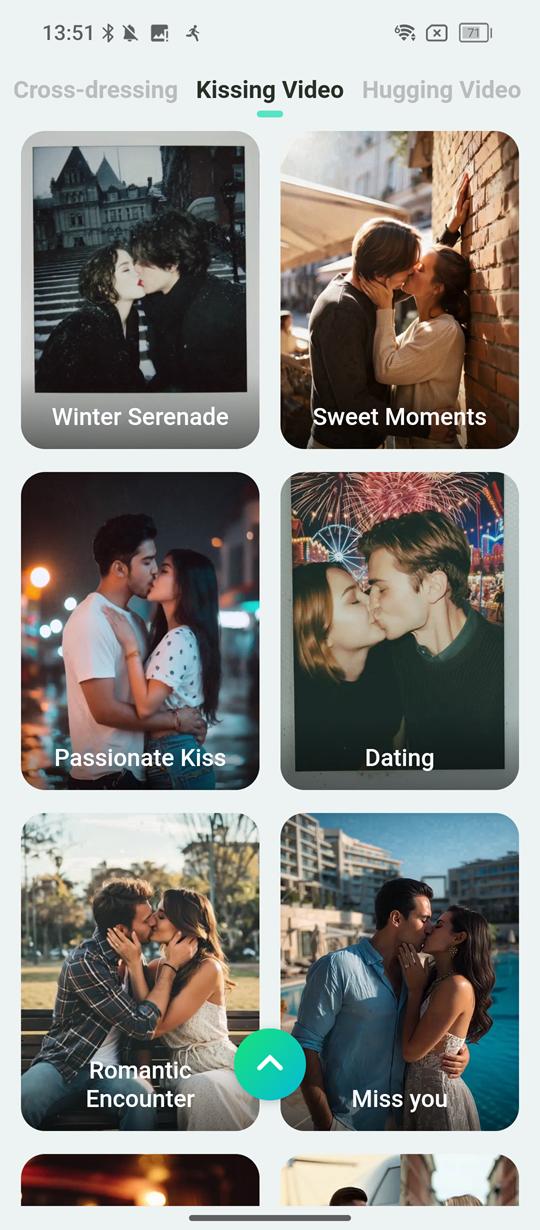
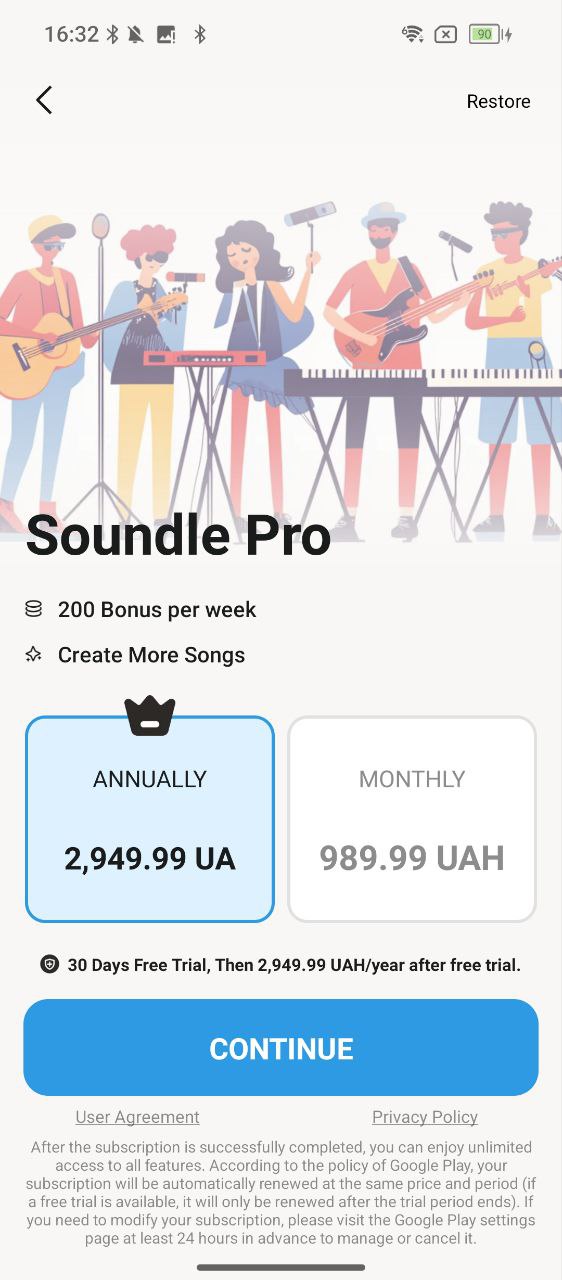
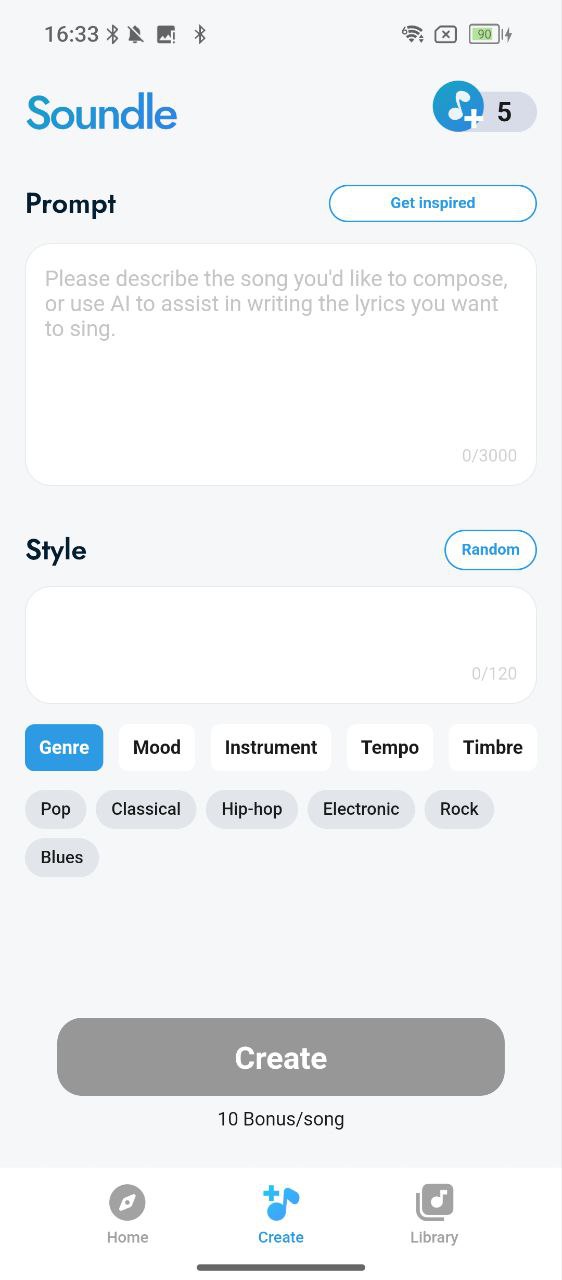
First of all, the Blackview XPLORE 1 comes with a whole suite of AI applications and assistants. To be honest, I’m not keen on diving into them in detail, as using such software is a matter of personal preference, and similar tools are abundant on the market. You can disable or replace these built-in apps with alternatives from Google Play if needed. Moreover, the full versions of the pre-installed apps are only accessible via paid subscriptions.
To summarize: the phone includes the Hi Doki assistant, ImageX image editor, VidGen video generator, and Soundle music producer.
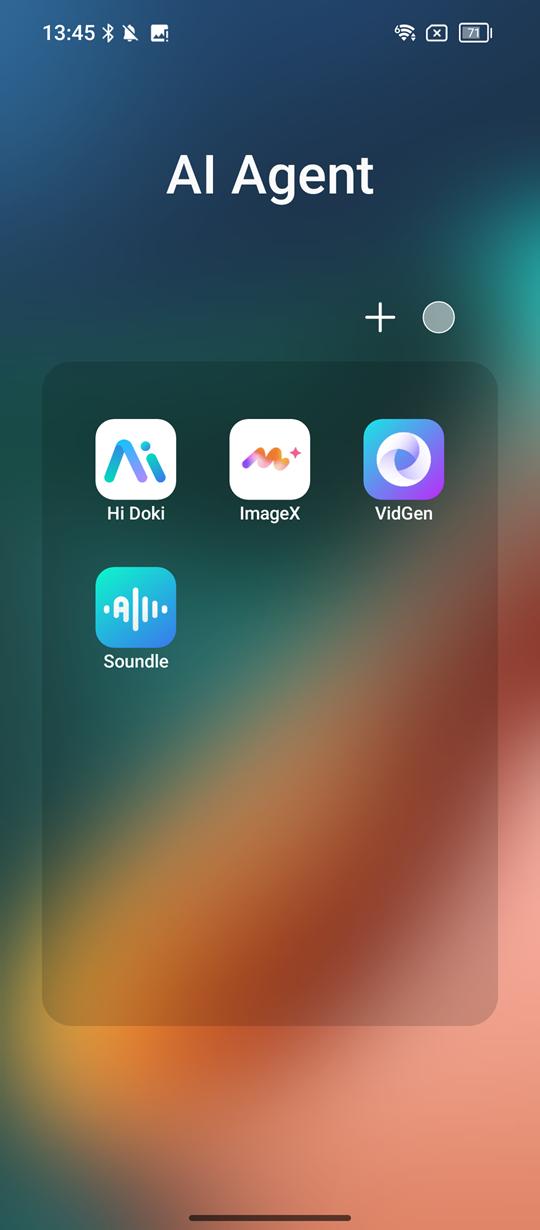


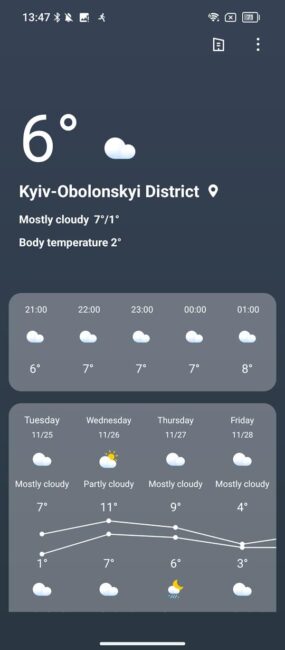
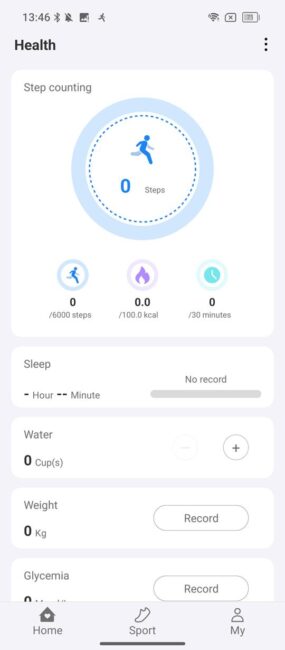
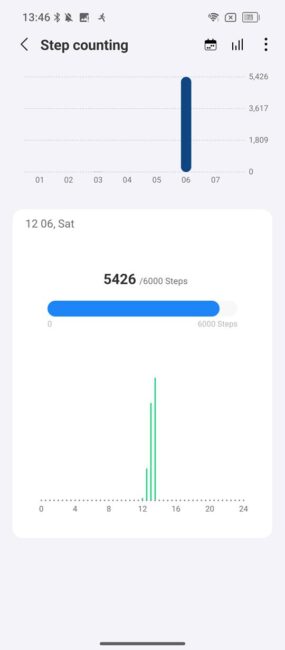
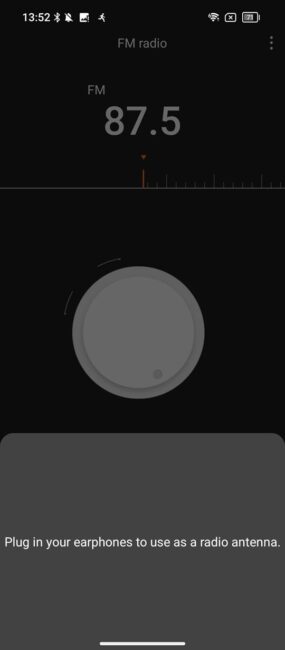
The firmware also includes a built-in fitness tracking app, a weather app, and a simple notes application. Additionally, there is an FM radio, which requires wired headphones to act as an antenna. Since the phone lacks a dedicated audio jack, USB-C wired headphones are necessary. I tested it using a USB-C to 3.5mm DAC adapter, and it worked as expected.
Read also: Samsung Galaxy Fold7 Review: Slim and Lightweight Foldable Smartphone
Additional and Outdoor Features of Blackview XPLORE 1
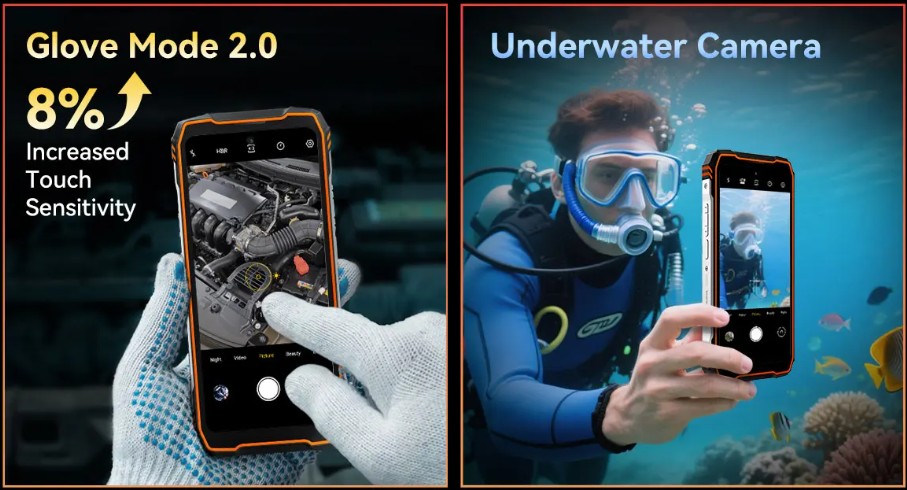
First, it’s worth highlighting the glove mode and the ability to shoot underwater. The device also includes a dedicated high-powered flashlight, which produces a bright, focused beam of light.
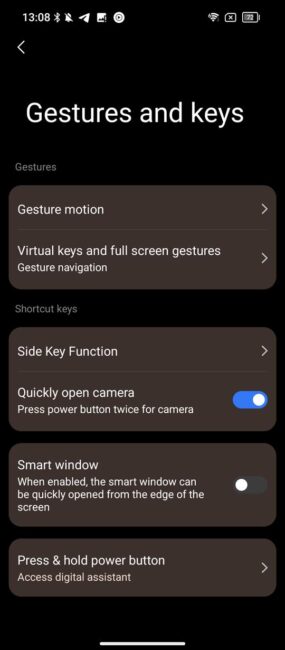
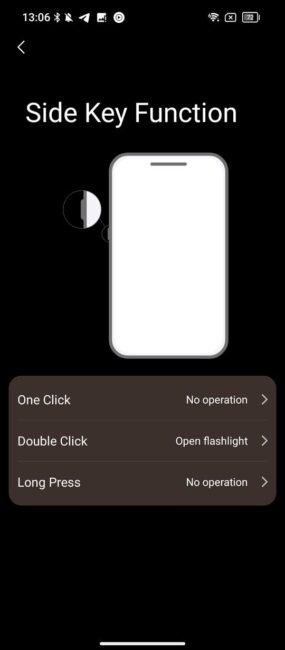
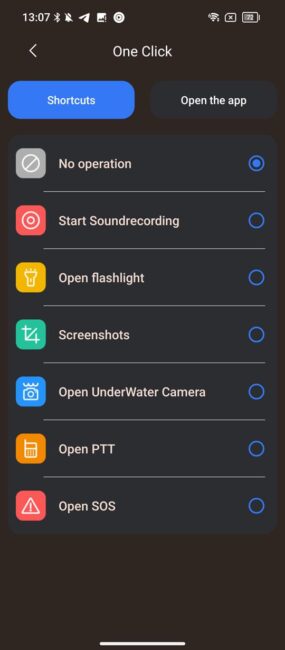
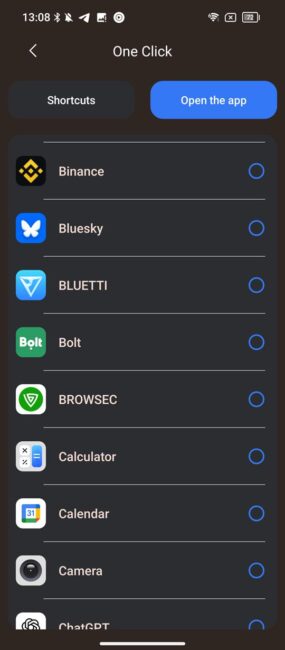
Another feature to note is the additional button on the left side of the smartphone. It is multifunctional and can be customized for quick actions or to launch a specific app.
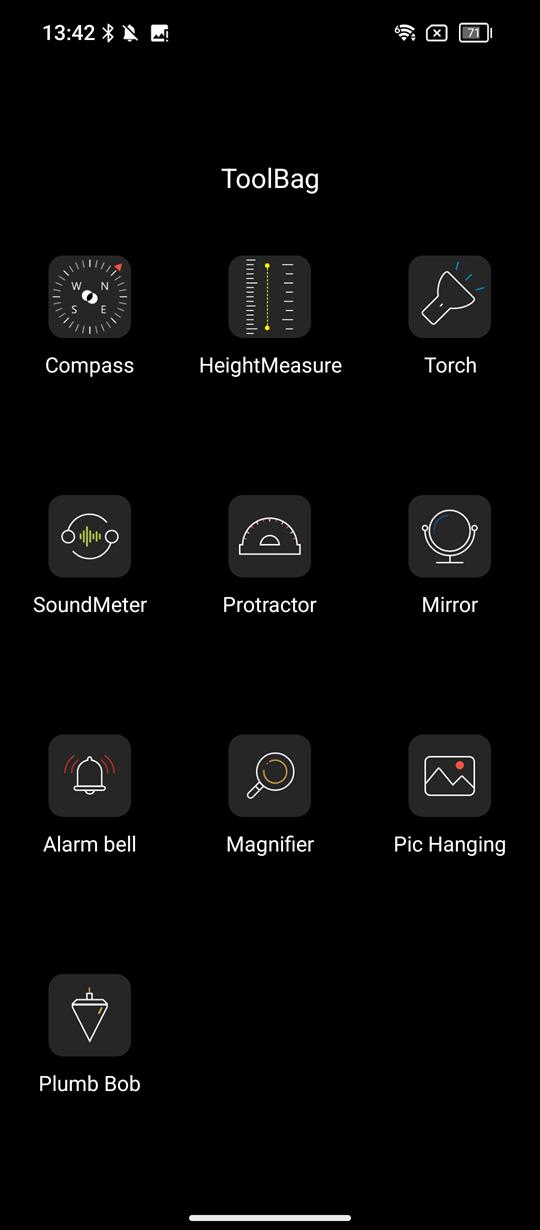
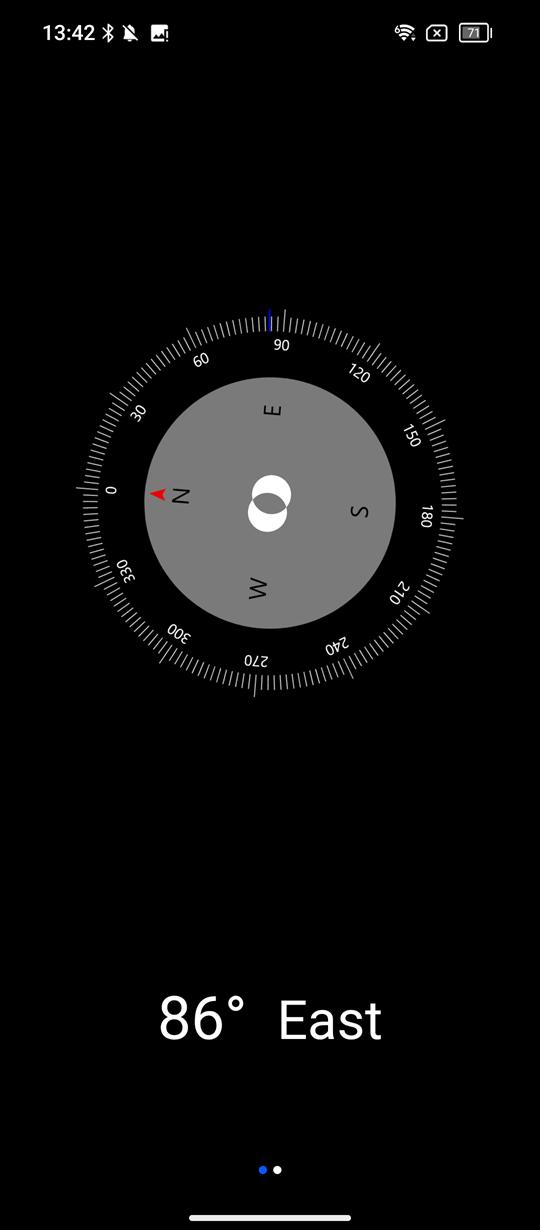
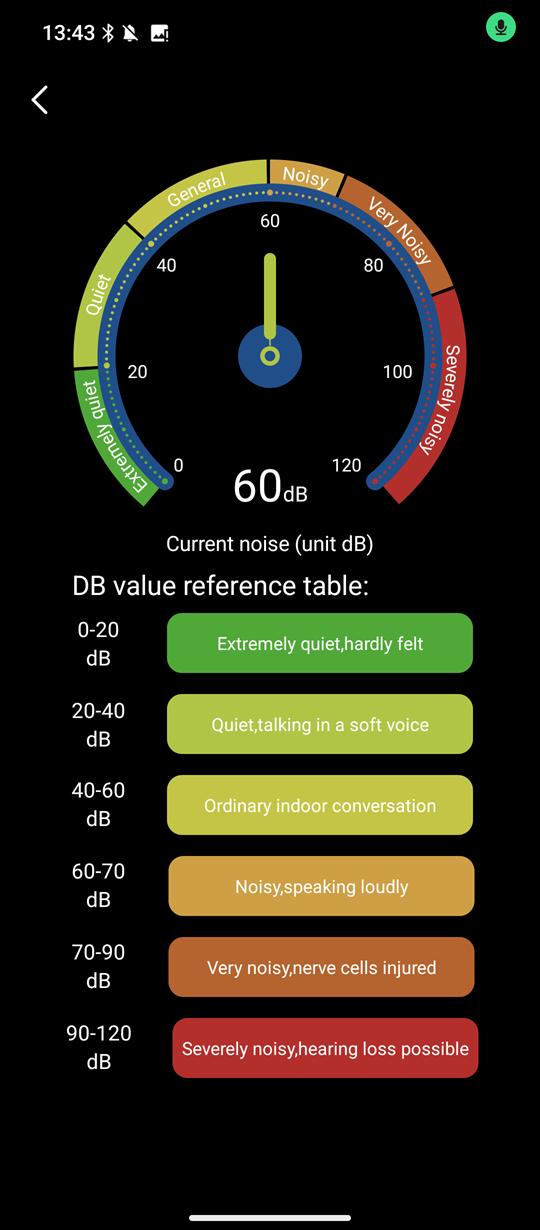
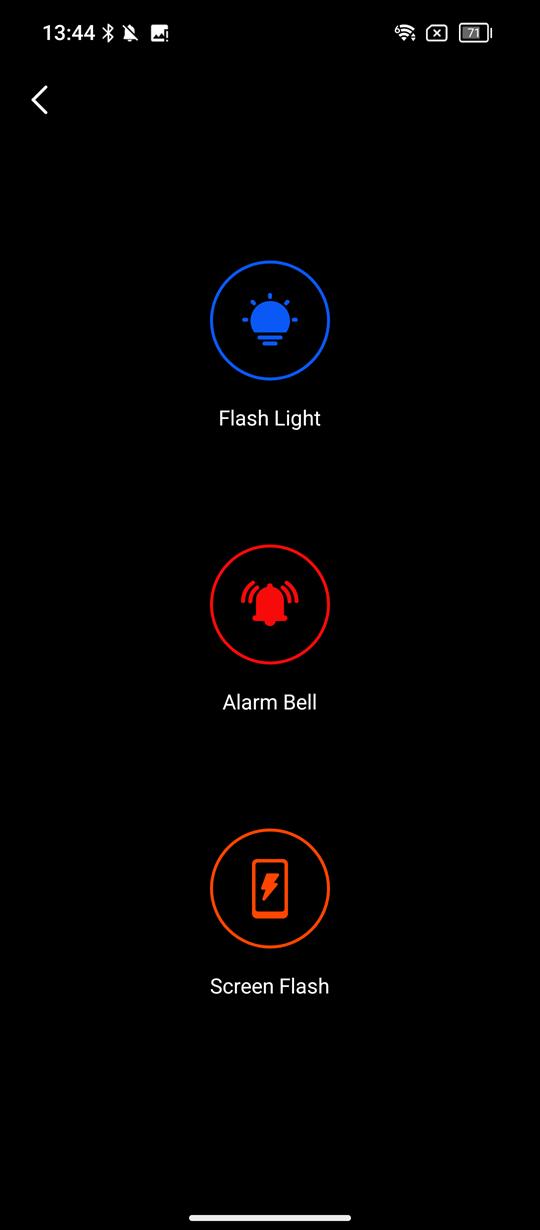
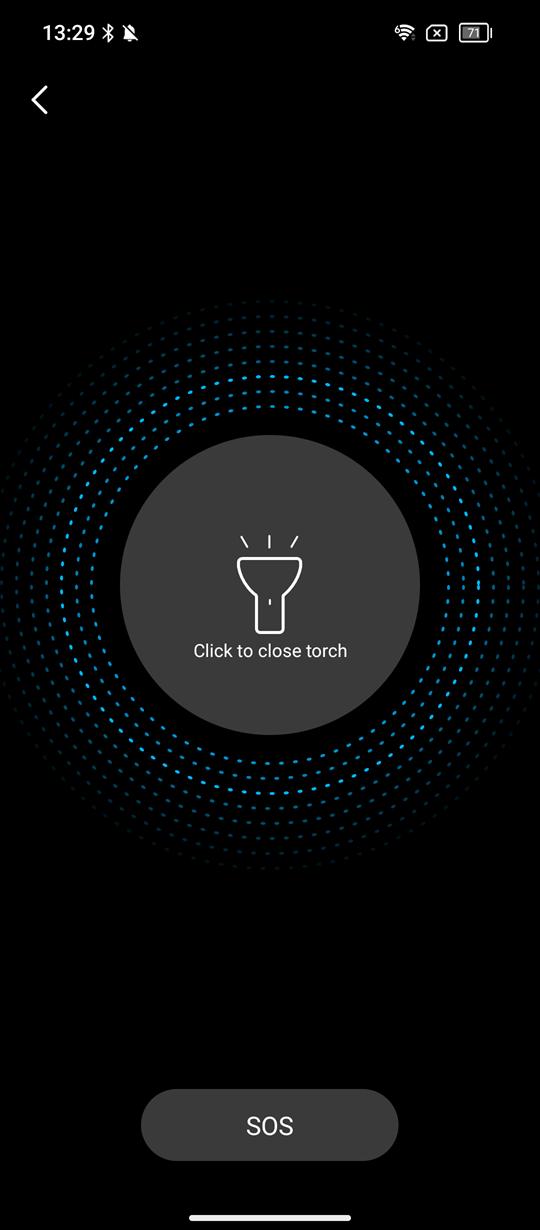
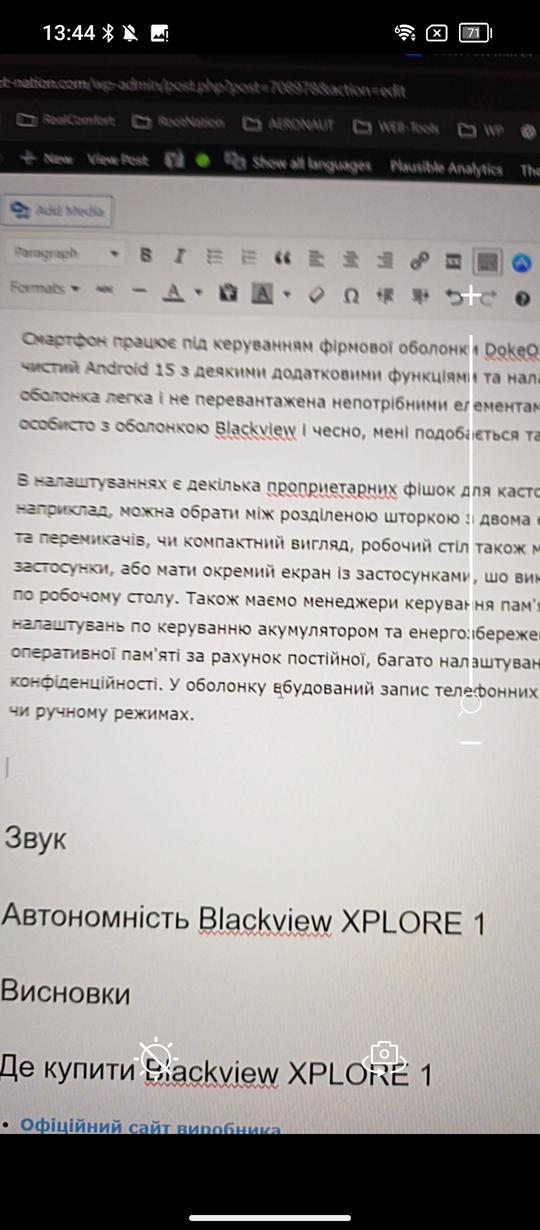
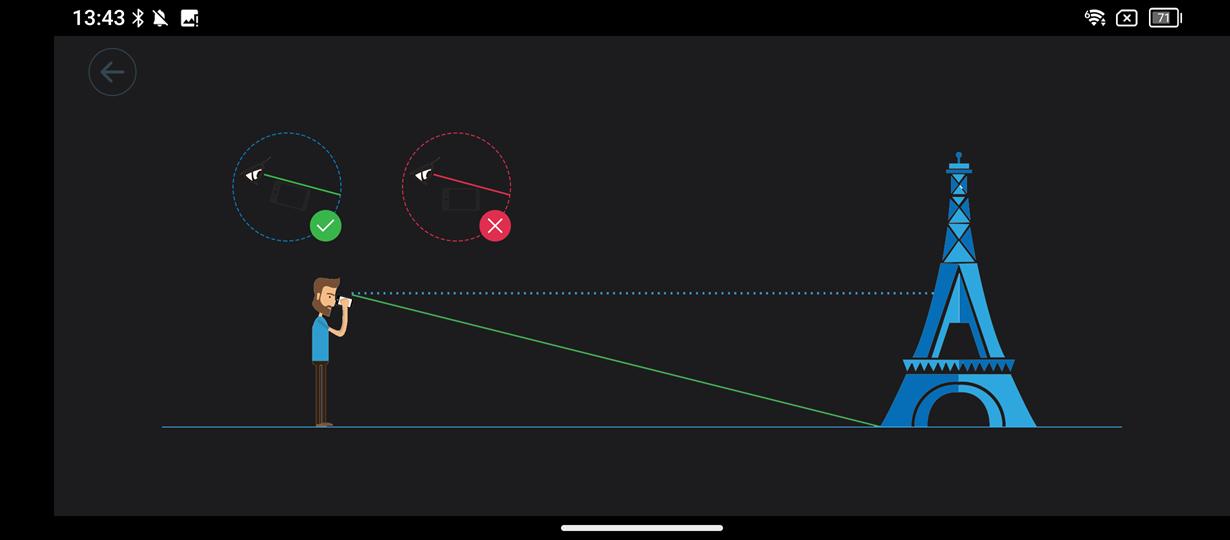
Another practical feature is the built-in ToolBag app, a collection of tools for outdoor and household use. It includes a compass, flashlight with SOS mode, emergency alert app, protractor, altimeter and leveling tool, height measurement tool, picture alignment tool, acoustic meter, mirror, and digital magnifier.
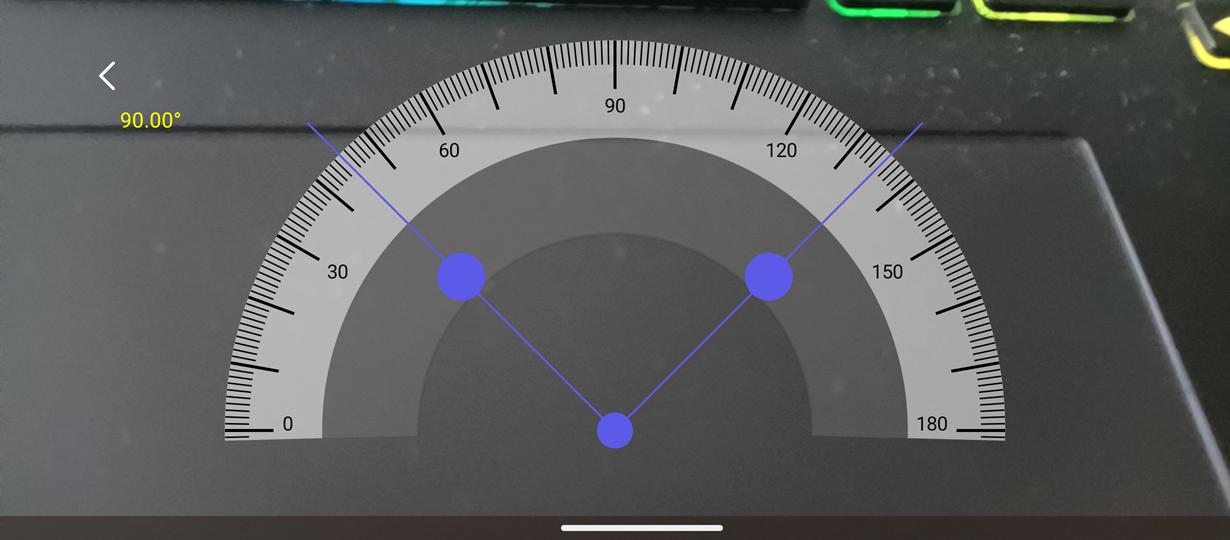
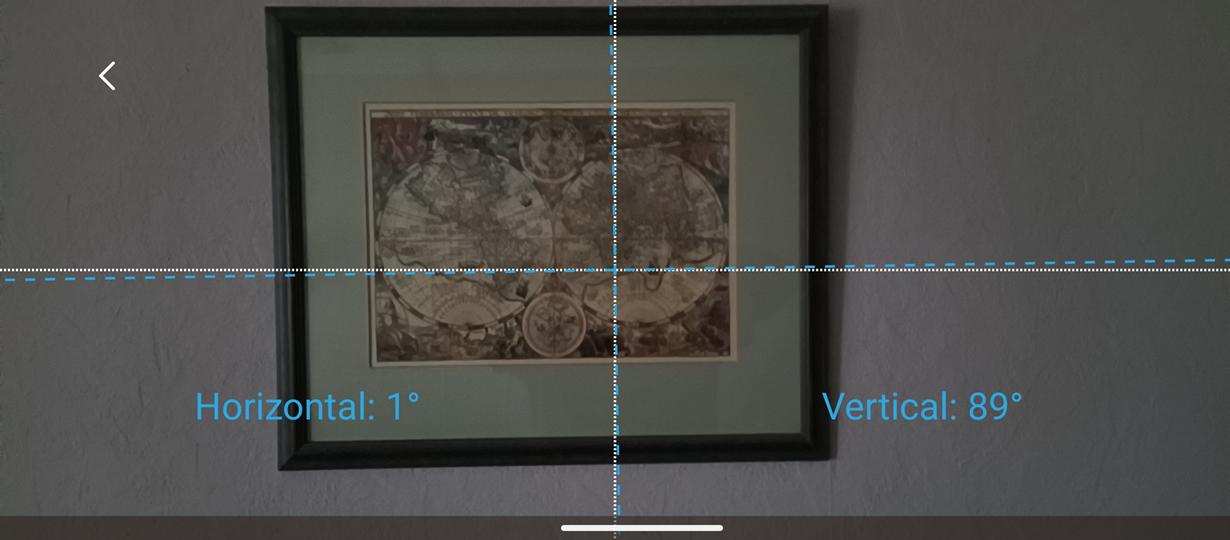
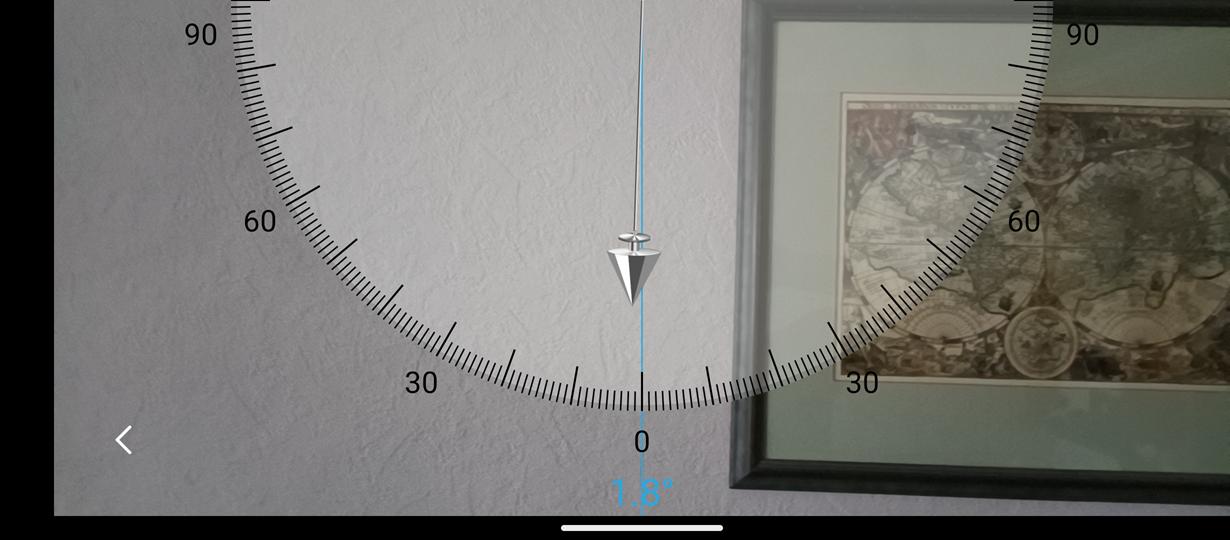
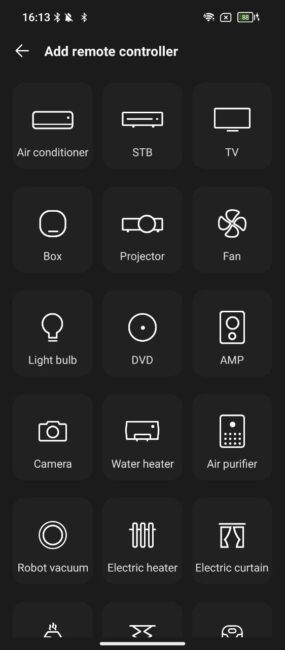
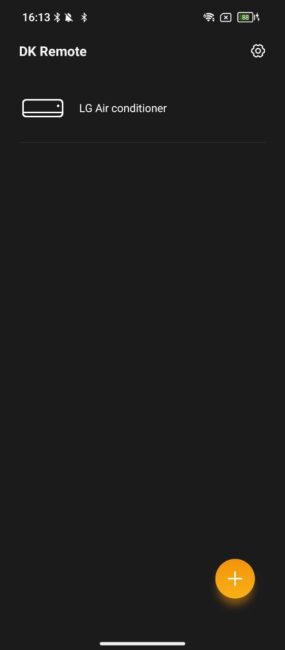
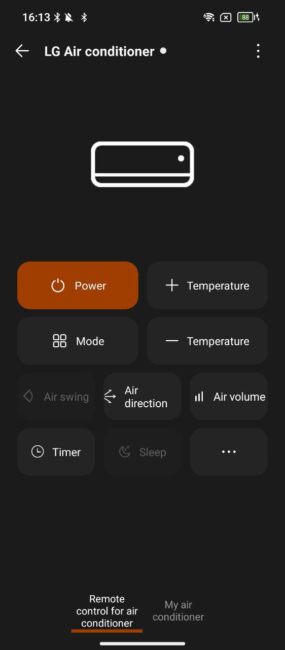
Additionally, there is a dedicated app for the IR port called DK Remote, which allows the smartphone to function as a remote control for household appliances and electronics. I tested it with an air conditioner, and it worked as expected.
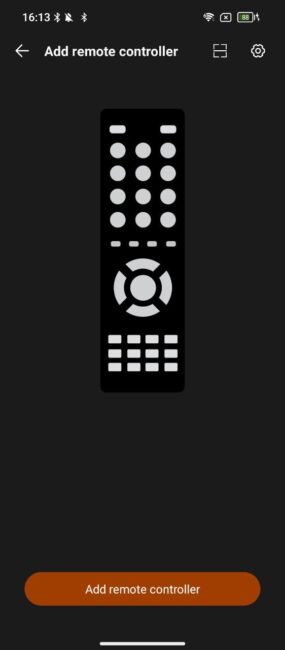
Sound
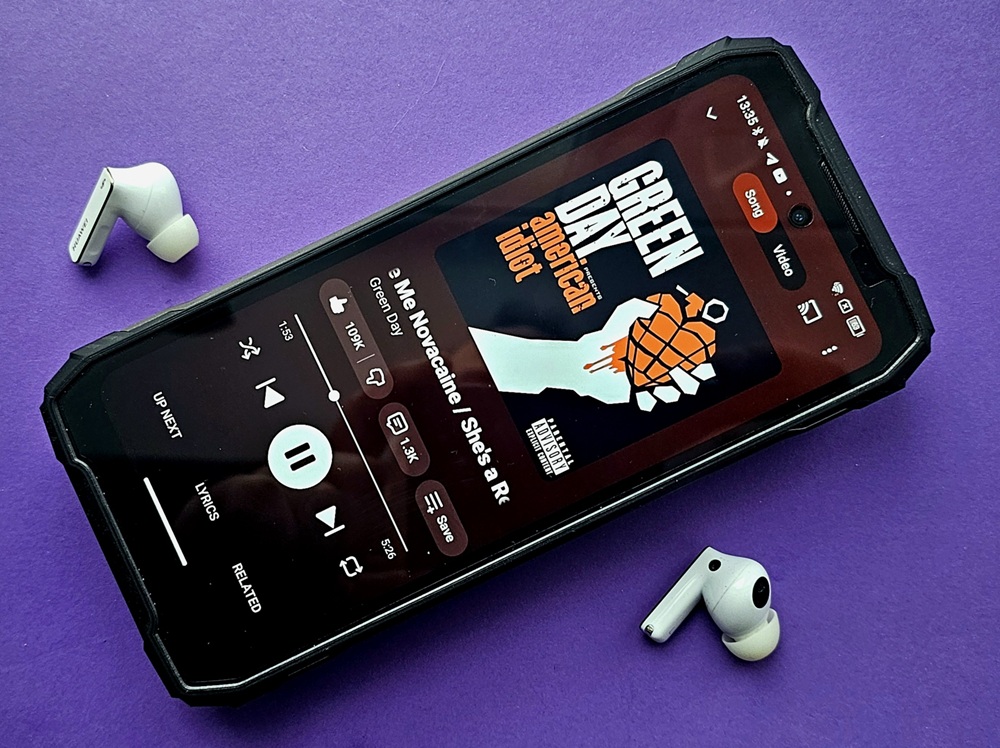
In terms of audio, the smartphone doesn’t deliver outstanding performance, but there’s nothing particularly bad either. The Blackview XPLORE 1 has a single external speaker located on the bottom edge, so sound is output in mono. The speaker is notably loud, which is its main advantage. The frequency range is mostly mid and lower-highs, with very little bass. At maximum volume, some distortion occurs, though it’s not excessive. Overall, this is typical for a rugged device.
The earpiece speaker is quite good. It’s reasonably loud, sufficient to hear the other party clearly, and even a bit more – voice timbre sounds natural and pleasant. The microphone also captures your voice clearly, so there are no issues with call quality.
Blackview XPLORE 1 Battery Life
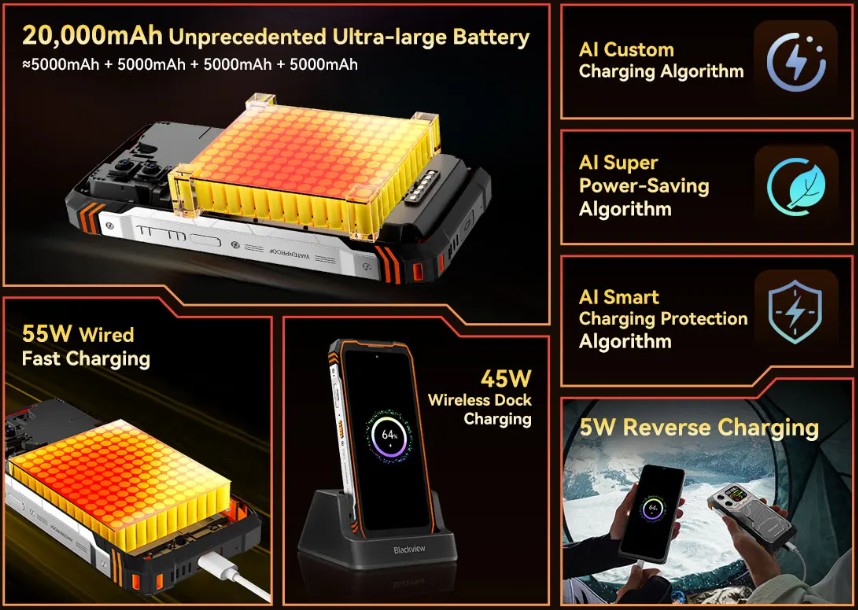
In terms of battery life, there are no surprises – 20000 mAh is substantial. On a full charge, the smartphone can last roughly a week under moderate usage, or even up to two weeks with careful power management. Exact endurance will vary depending on individual usage patterns.
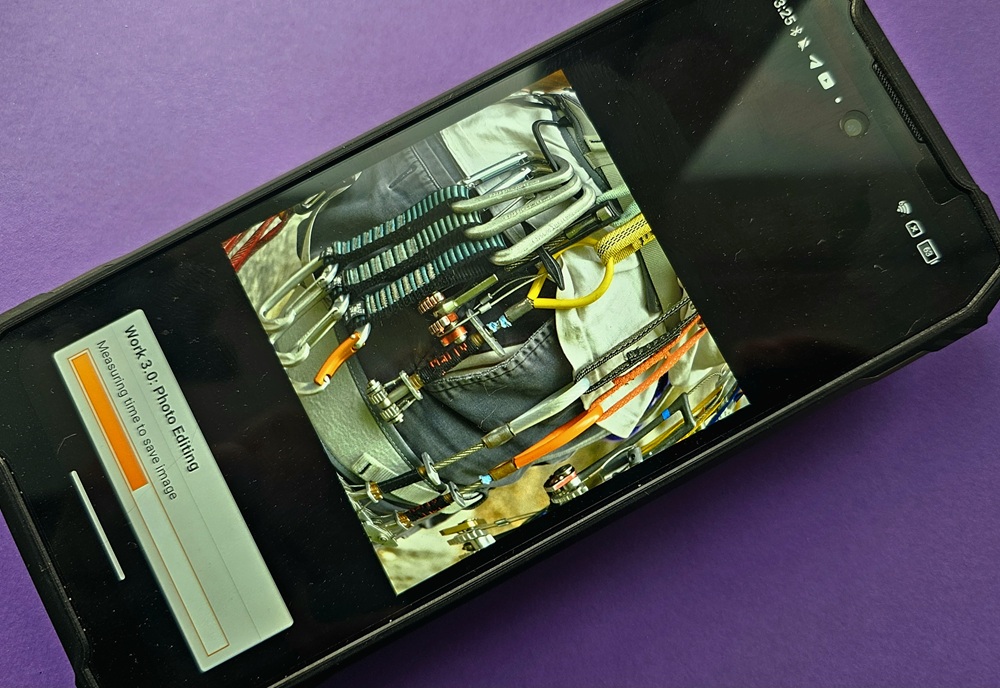
I attempted a synthetic battery test using the PC Mark benchmark, which simulates office tasks like document editing, browsing, and photo editing. The test ran for several days (about 30 hours) and the phone’s charge dropped to 40% before the program froze, so I didn’t get a final result. Even so, the observed performance is impressive. In active use with the screen brightness at 50% and Wi-Fi enabled, the battery drains roughly 2% per hour. Using mobile data instead of Wi-Fi would likely increase power consumption.
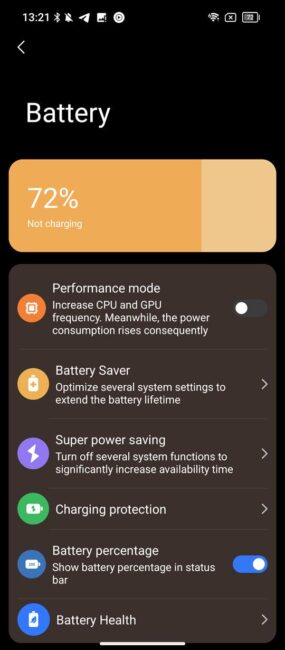
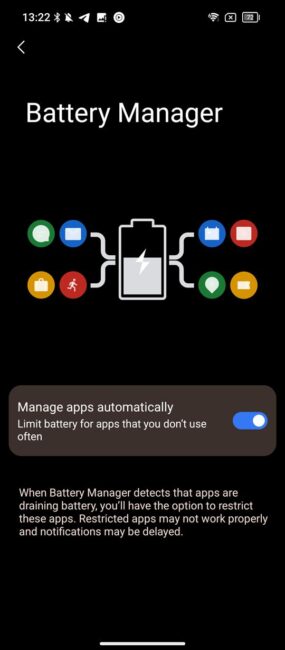
The firmware of the Blackview XPLORE 1 also includes extensive power management options, such as performance and energy-saving profiles, as well as battery protection during charging to help extend its lifespan.
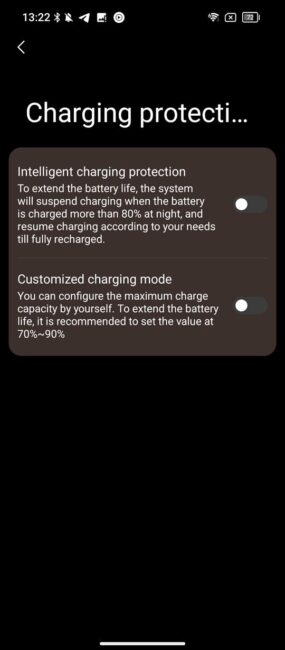

Regarding charging speed with the included adapter, the battery gains roughly 5% every 10 minutes, which is quite good considering its massive capacity. Toward the end of the cycle, charging slows down noticeably. Given the size of the battery, it may not be necessary to charge it fully to 100% every time to avoid potential stress on the cells.
Here is the charging log:
- Start of charging – 15%
- 30 minutes – 35%
- 60 minutes – 53%
- 90 minutes – 69%
- 120 minutes – 86%
- 170 minutes – 98%
It’s worth noting that the Blackview XPLORE 1 can function as a power bank for other devices, providing reverse charging at a power output of 5 W.
Conclusions
The Blackview XPLORE 1 is a typical example of a modern rugged smartphone with fairly well-rounded features. In terms of performance, display, cameras, and overall responsiveness, it aligns with mid-range smartphones, offering a generally comfortable user experience – provided the device’s large size and weight are not an issue. Its primary focus, however, is on extreme conditions and outdoor use. From this perspective, the XPLORE 1 performs convincingly: it offers long battery life and robust protection against dust, moisture, and drops in rough environments.
Overall, the Blackview XPLORE 1 is a solid rugged smartphone for those who prioritize reliability and durability – or for users with large hands who prefer not to charge their devices frequently or simply cannot do so. While it doesn’t wow with standout features, it is very well-balanced in terms of specifications and functionality. I can recommend it as a purchase option. There are no obvious issues or shortcomings with this device.
Advantages of Blackview XPLORE 1
- High-quality materials and assembly
- Comfortable 700-nit screen, additional rear screen
- Good performance for everyday use
- Decent camera with night vision mode
- Powerful flashlight and IR port for controlling electronics
- Very high battery life, fast charging, reverse charging
- Additional button with customizable actions when pressed
- Solid firmware with unique features, call recording
Disadvantages of Blackview XPLORE 1
- The screen brightness could be a little higher
- No wide-angle camera module
- No camera stabilization in photo mode, slow focus
- Large size and weight.

