





© ROOT-NATION.com - Use of content is permitted with a backlink.
This article examines the budget smartphone Motorola Moto G57 Power, with a focus on battery life and everyday reliability.
Motorola remains a consistent smartphone manufacturer, offering a broad range of models across different price segments and usage scenarios. This approach is particularly evident in the mid- and entry-level categories, where the company aims to address common day-to-day requirements without prioritizing individual features at the expense of overall balance.
The Moto G lineup illustrates this strategy. Within this series, Motorola combines mid-range hardware, functional camera systems, and high-capacity batteries to produce devices positioned as affordable options with a practical feature set and competitive specifications for their segment.
Read also: All reviews of Motorola smartphones

The Motorola Moto G57 Power, recently introduced to the global market, is one such device. When the Ukrainian office of Motorola offered me the opportunity to test this model, I accepted, primarily due to interest in its 7000 mAh silicon-carbon battery. Battery life is increasingly becoming a key consideration in the budget segment, making it important to evaluate how the manufacturer’s claims hold up in practical use. The following provides a detailed overview of the device’s features, capabilities, and real-world performance.
TABLE OF CONTENTS:
Positioning and Price
The Motorola Moto G57 Power is primarily aimed at users for whom battery life is a critical factor. Its 7000 mAh battery allows the device to operate significantly longer than most competitors in the same price segment, making it a practical choice for active, everyday use.

At the same time, the Moto G57 Power is a balanced device that does not carry the premium cost of flagship features. Powered by the Snapdragon 6s Gen 4 processor, the smartphone handles everyday tasks reliably, including messaging, video playback, navigation, social media, and mid-range gaming.
The device is well-suited for students, travelers, drivers, and anyone frequently on the go who requires stable performance throughout the day without frequent recharging. Its large battery, smooth 120 Hz display, and consistent daily performance combine to provide a practical and coherent user experience.

At the same time, the Moto G57 Power is not positioned as a device for demanding mobile photography. Its strengths lie in practicality, endurance, and battery life, making it a logical choice for everyday use.
The Motorola Moto G57 Power, in its 8/256 GB configuration, is priced from approximately $215 / €183. Considering its specifications and focus on battery life, it represents a competitive option within its segment and generally delivers value in line with its cost.
Motorola Moto G57 Power 5G Specifications
- Display: 6.72-inch IPS, resolution: 2400×1080 pixels, 391 ppi; refresh rate: 120 Hz; maximum brightness: up to 1,050 cd/m², Gorilla Glass v7i
- Processor: Qualcomm SM6435-AA Snapdragon 6s Gen 4, 8 cores (4×2.4 GHz Cortex-A78 and 4×1.8 GHz Cortex-A55), 4 nm
- Graphics processor: Adreno 710
- RAM: 8 GB (expandable up to 24 GB)
- Storage: 256 GB UFS 2.0
- Memory card support: no
- Main camera:
- wide-angle module 50 Mg, f/1.8, 1/1.95″, 0.8 μm, PDAF
- ultra-wide angle 8 MP, f/2.2, 120˚, 1/4.0″, 1.12 µm
- video: 1440p@30 fps, 1080p@30 fps
- Front camera: 8 MP, f/2.2, (wide angle), 1/4.0″, 1.12 µm, HDR, video: 1440p@30 fps, 1080p@30 fps
- OS and shell: Android 16 + Hello UI
- Wireless technologies: dual-band Wi-Fi 802.11 a/b/g/n/ac, Bluetooth v 5.1, NFC, GPS, GLONASS, GALILEO, BDS, QZSS
- Body protection: MIL-STD 810H + IP64
- Battery capacity: 7000 mAh
- Charging speed: 30 W
- Dimensions: 166.2 × 76.5 × 8.6 mm
- Weight: 210 g
We have here a very interesting mid-range smartphone that seems to have something to surprise us with.
Read also: Motorola Edge 70 Review: A Blend of Elegance, Performance, and Endurance
Package Contents
The Motorola Moto G57 Power comes in a compact white cardboard box with a minimalistic design. The packaging includes only the model name and basic technical information, without additional decorative elements.


This minimalist approach has become standard for mid-range smartphones and clearly indicates that the focus is on the device itself rather than the packaging.
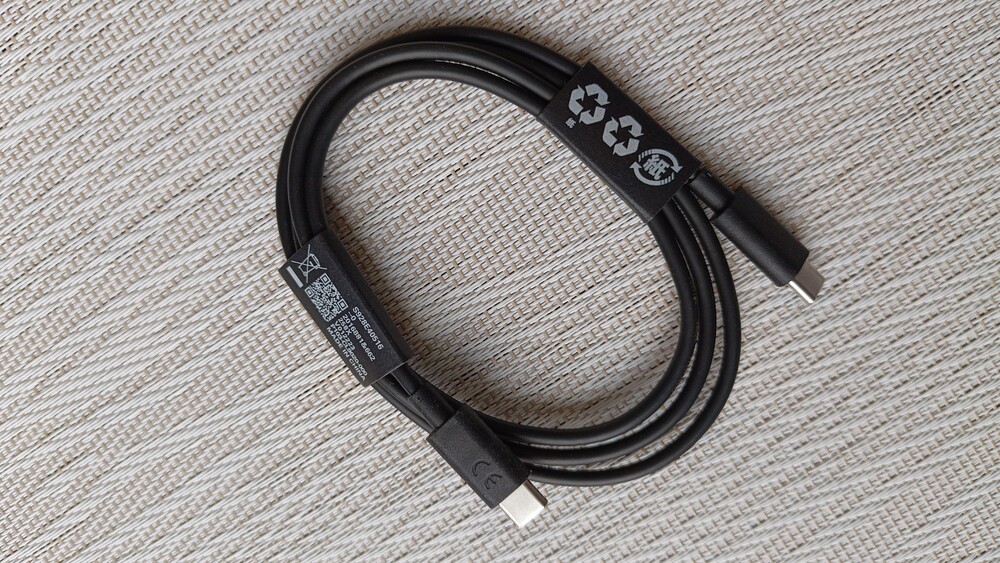
Inside the box, users will find the smartphone, a USB Type-C to Type-C cable, a SIM eject tool, and a welcome addition – a protective case.
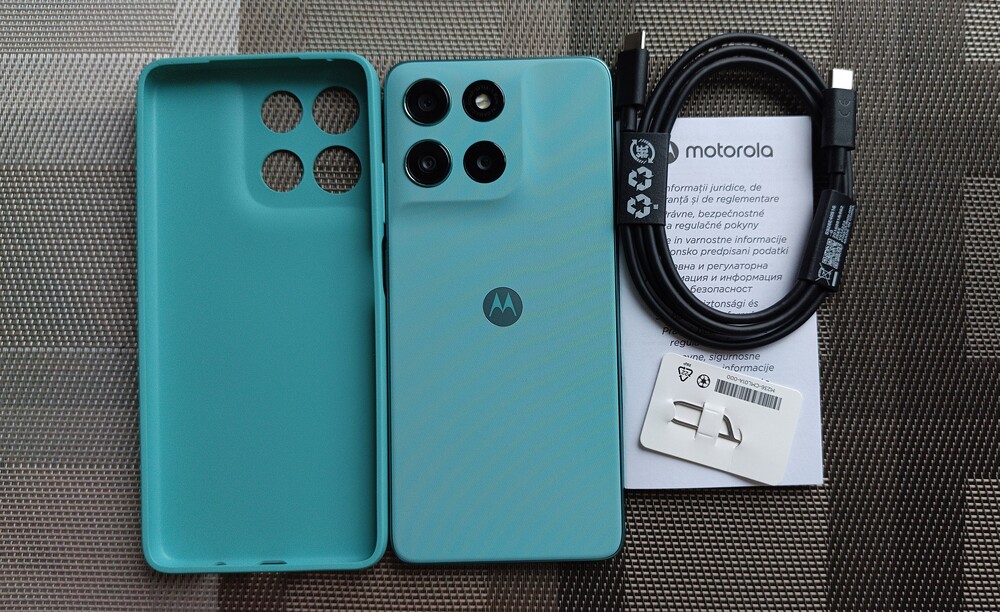
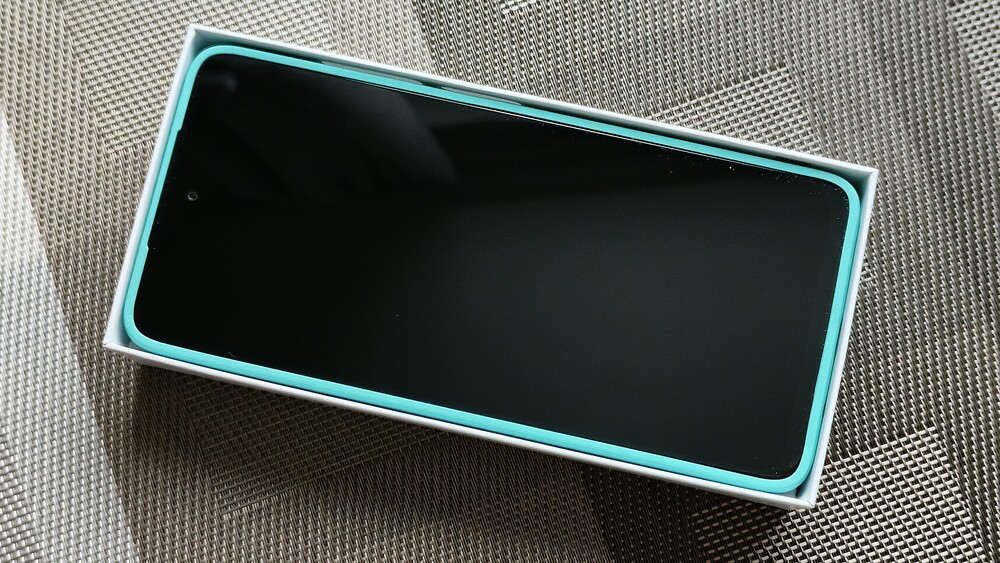
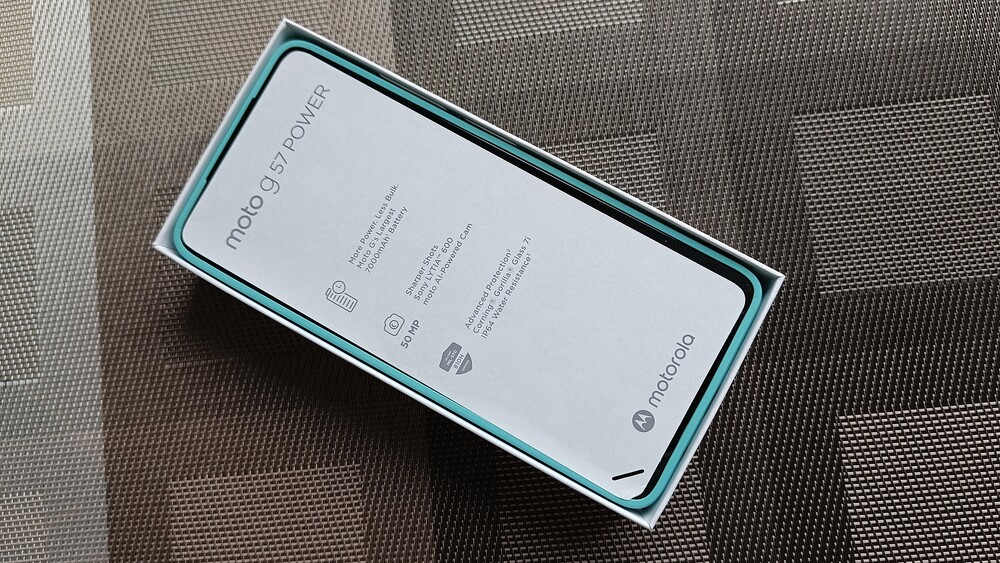
At the same time, the trend of omitting included charging adapters has extended beyond flagship devices to mid-range models. As a result, a power adapter must be purchased separately or an existing one from a previous device can be used.
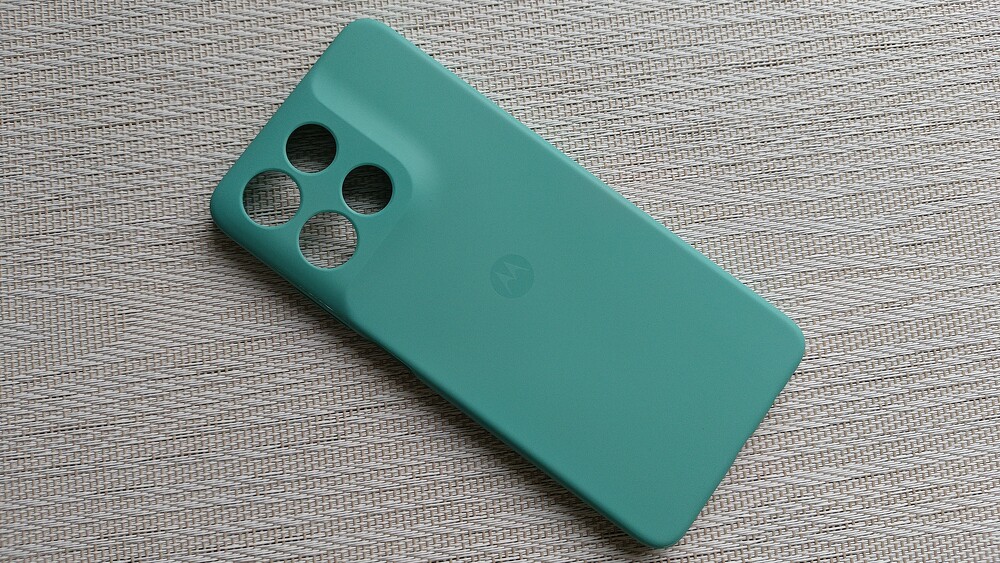
The included case deserves a separate mention. Made of matte, opaque silicone, it is color-matched to the smartphone. The accessory fits comfortably in the hand, resists fingerprints, and allows the device to be used immediately after unboxing without concerns about protecting the body.
Read also: Motorola Edge 60 Pro Review: Two Steps Forward, One Step Back
Design and Ergonomics
From the front, the Motorola Moto G57 Power presents a conventional appearance typical for its segment, without any notable design surprises. The device features a large flat IPS display protected by Corning Gorilla Glass 7i.

The bezels are noticeable, with the bottom “chin” being significantly thicker than the others. This is a common characteristic of budget devices, so it does not come as a surprise.

The front camera is housed in a neat circular cutout at the center, while the earpiece is conventionally positioned in a slit above the display. These design choices are familiar but functional.

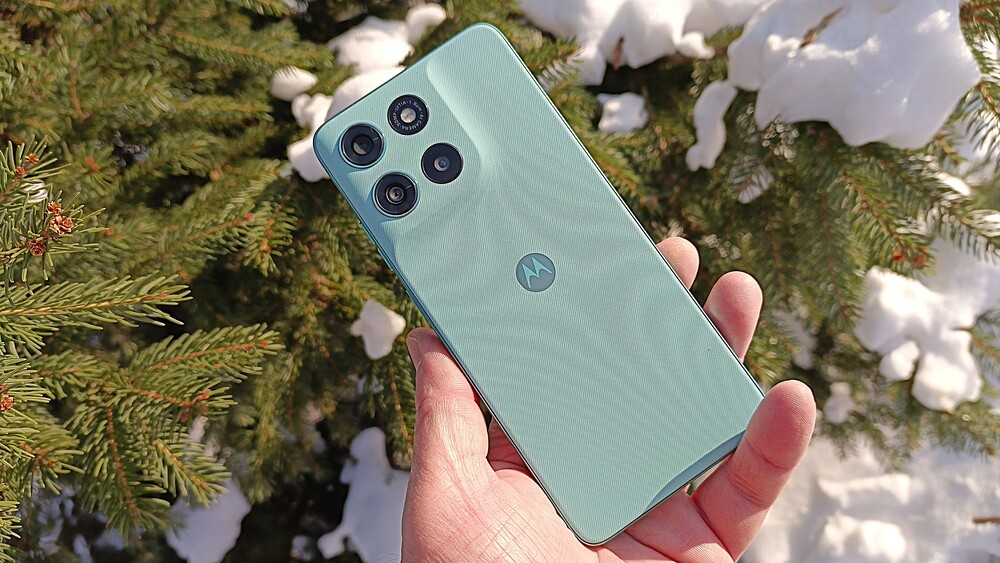
In contrast, the rear panel is a pleasant surprise. It is made of eco-leather, similar to higher-end Moto models, giving the device a more premium feel.

The surface is non-slip, resists fingerprints, and performs well in daily use. The collaboration with Pantone is also evident in the device’s color finish.
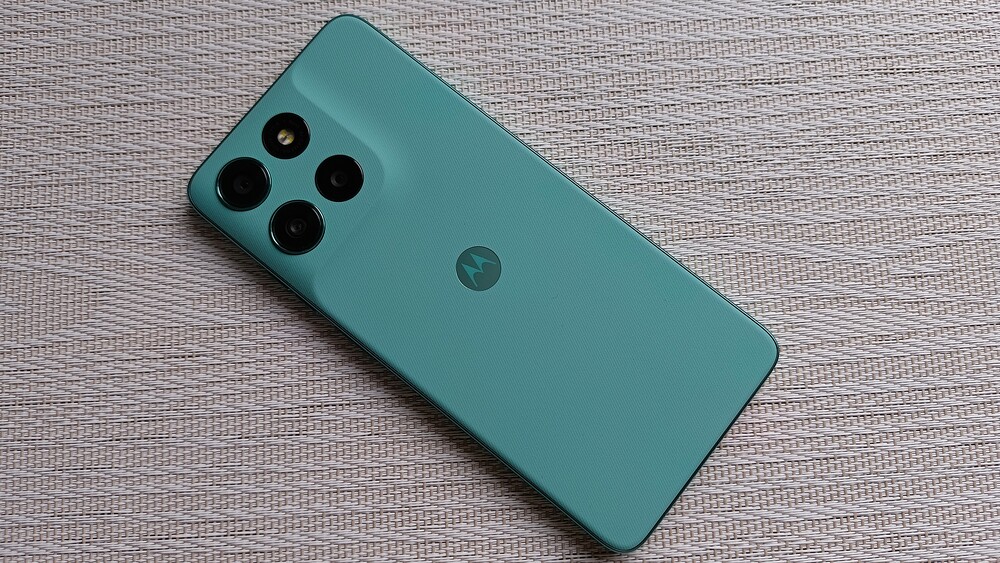
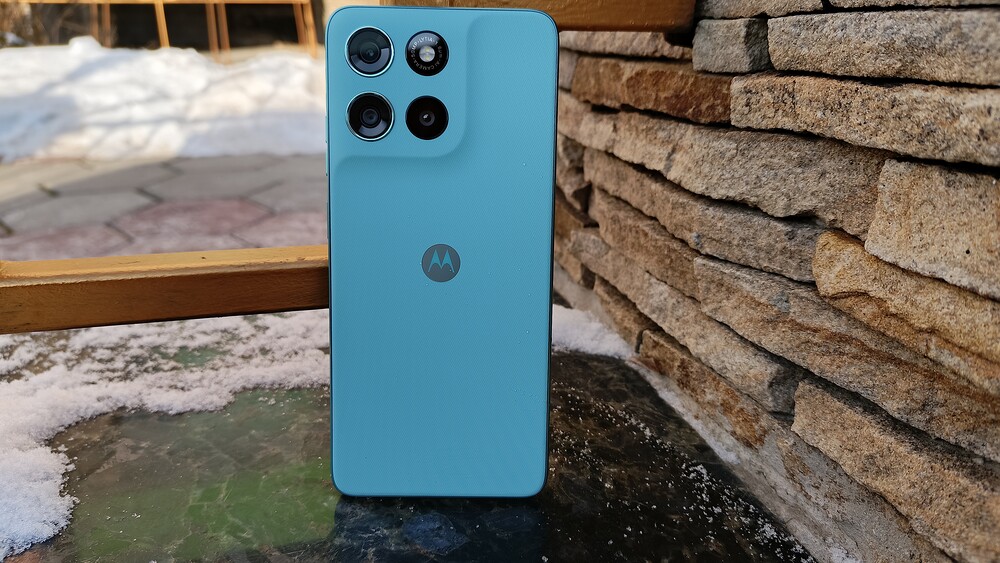
My PANTONE Fluidity version, featuring a turquoise hue and a herringbone texture, appears understated while adding a distinctive character to the smartphone.

The main camera module follows Motorola’s signature design: a square with rounded corners, smoothly integrated into the device’s body.

Visually, the module appears to have three lenses, but in reality only two are functional; the third element is purely decorative, included for symmetry and to complete the design.

The plastic frame is color-matched to the rear panel and features slight rounding, contributing to a comfortable grip in the hand.

On the right side, there are volume buttons and a power button with an integrated fingerprint scanner. The power button is slightly enlarged, making it easy to locate by touch.

On the left side, there is a SIM tray that does not support microSD or a second physical SIM, but it does support eSIM functionality.

On the top edge, there is an additional microphone and a Dolby Atmos logo.

At the bottom, there is the main speaker, a USB Type-C 2.0 port, a secondary microphone, and a 3.5 mm audio jack – a feature increasingly rare in modern smartphones.

It is worth noting that the Moto G57 Power is not a compact device: measuring 166.2 × 76.5 × 8.6 mm, it weighs 210 g.

One-handed use can be challenging, but this is an expected trade-off for the large display and 7000 mAh battery.

The smartphone offers dust and splash protection with an IP64 rating and meets MIL-STD-810H standards, emphasizing its focus on durability and practicality.
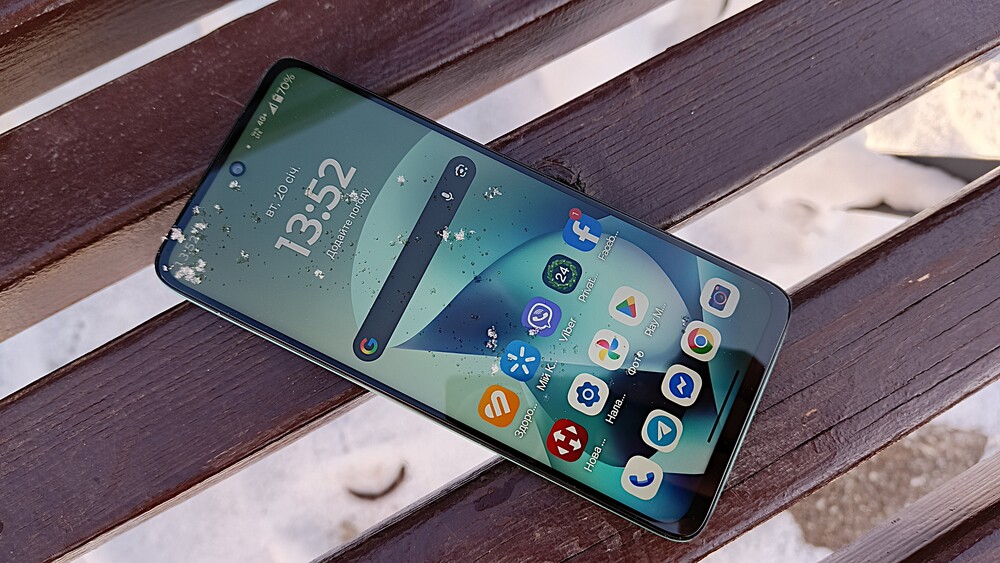
The Motorola Moto G57 Power presents itself as a balanced and reliable smartphone. While the front design offers no surprises, the device features quality materials, a recognizable style, and a focus on durability – qualities often sought after in the mid-range segment.

Read also: Motorola Moto G86 Review: Smartphone That Outclasses the Competition
Security
As mentioned earlier, the Motorola Moto G57 Power integrates the fingerprint scanner into the power button, a familiar and convenient solution for smartphones in this class. Despite the sensor’s compact size, it delivers fast and consistent performance. During testing, the device responded instantly to touch, with no false readings or delays observed. Even slightly wet or dirty fingers did not significantly affect successful unlocking.

Additionally, the smartphone supports facial recognition using the front camera. Under adequate lighting, this feature operates quickly and with minimal delay, allowing the device to be unlocked almost instantly. However, due to the lack of infrared or other specialized sensors, the security level of this method is lower compared to the fingerprint scanner. This limitation is particularly noticeable in low-light conditions or challenging lighting, where the system may be less reliable or require multiple attempts.
Read also: Moto Watch Fit Review: A Practical Companion for an Active Lifestyle
Moto G57 Power Display
The Motorola Moto G57 Power features a 6.72-inch IPS display – a somewhat uncommon choice in the mid-range segment, where OLED panels have become increasingly dominant. The screen offers a Full HD+ resolution of 2400 × 1080 pixels, a pixel density of 391 ppi, and an elongated 20:9 aspect ratio. The panel supports a maximum refresh rate of 120 Hz, which enhances the smoothness of animations, scrolling, and overall interface responsiveness.
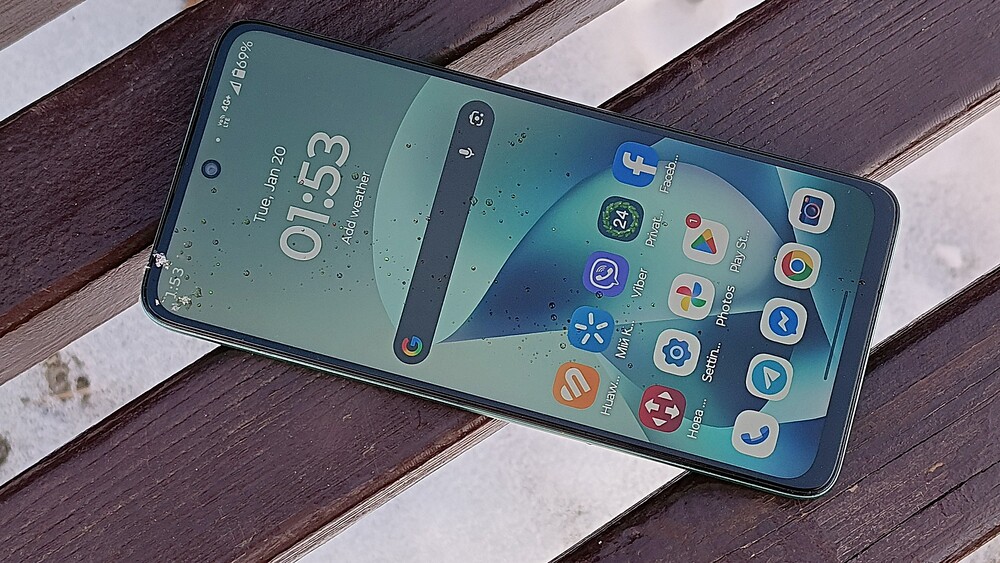
The claimed peak brightness of up to 1050 nits ensures good readability even under direct sunlight. As a result, on-screen content remains clear without the need to constantly seek shade.

Additionally, the display supports Water Touch technology, allowing reliable interaction even with wet fingers, which can be useful in rain or during active outdoor use.
The display settings are not overly extensive, but all essential options are available.
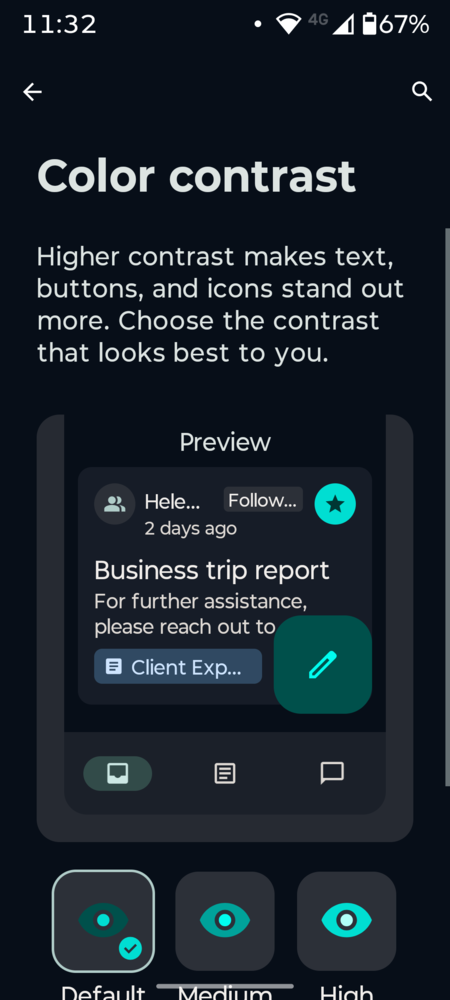
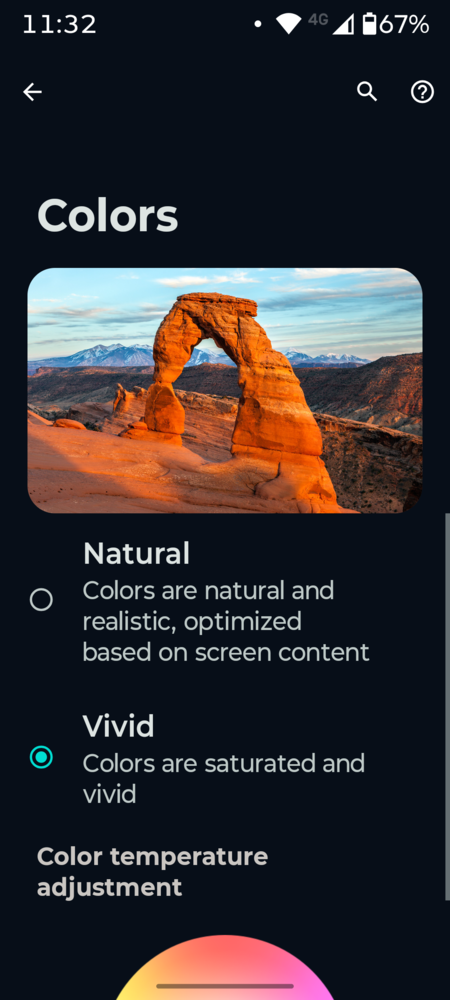
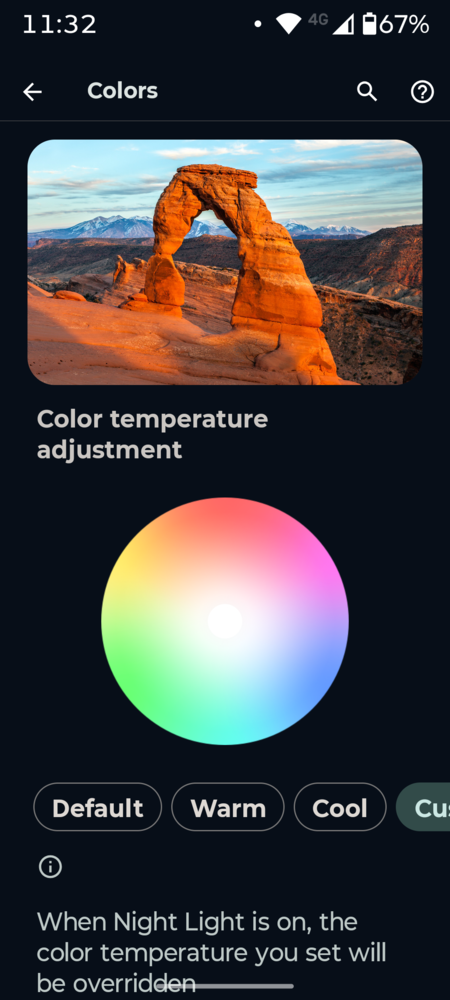
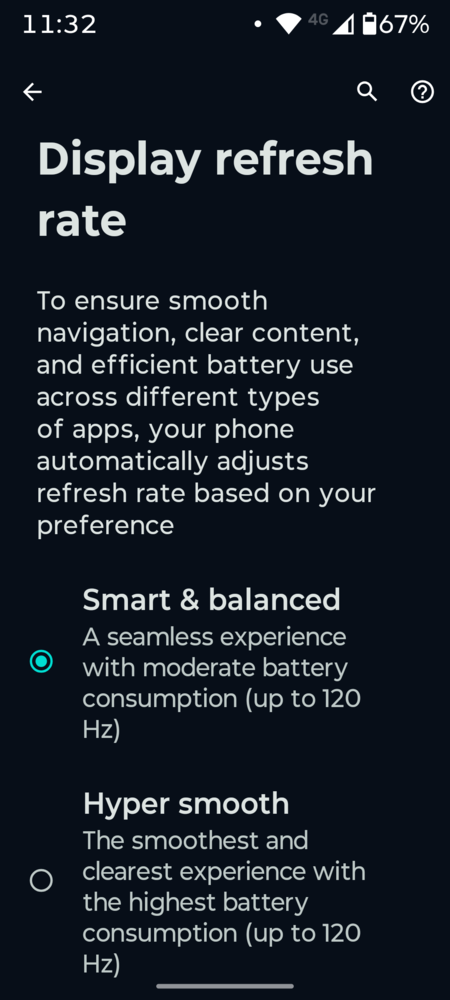
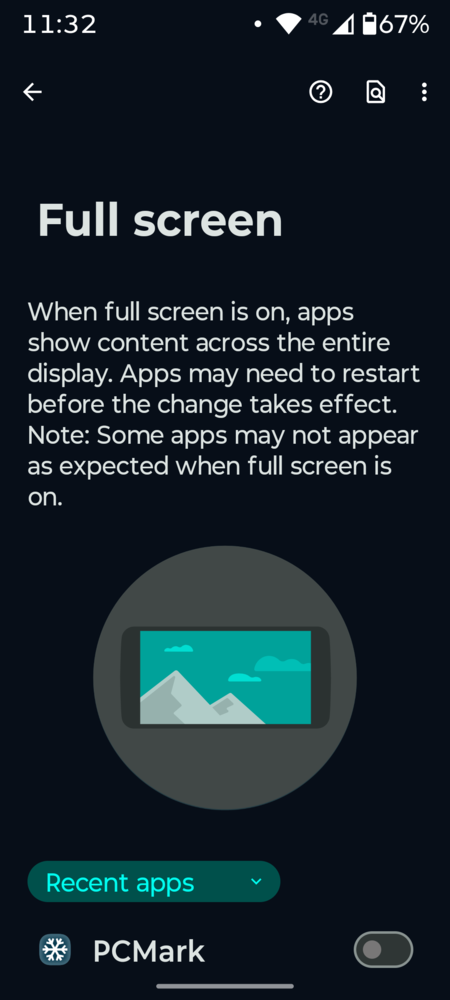
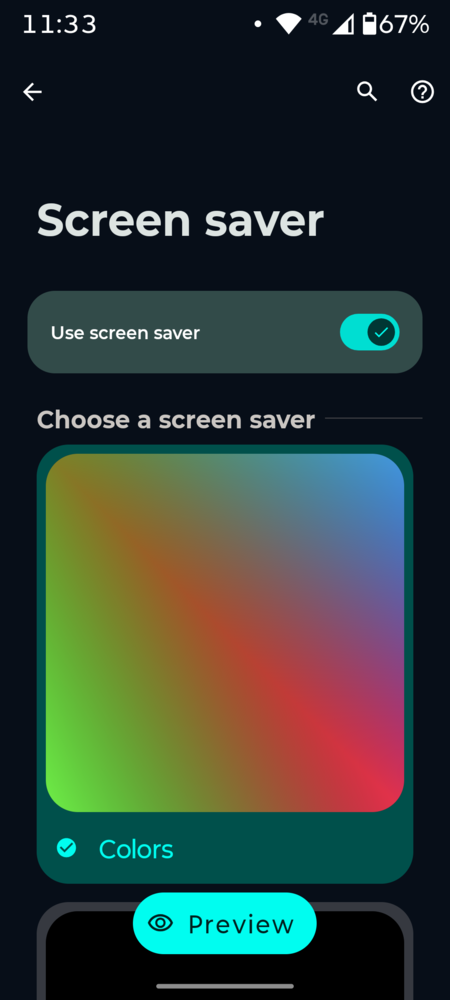
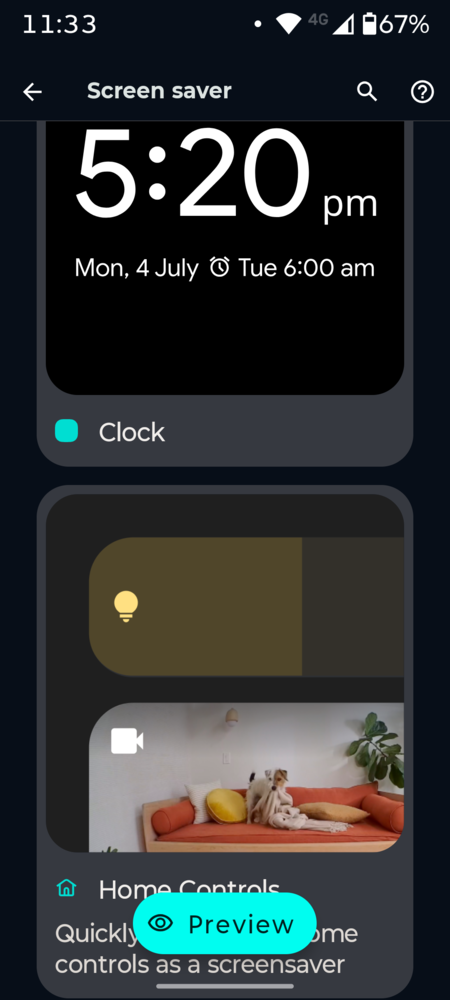
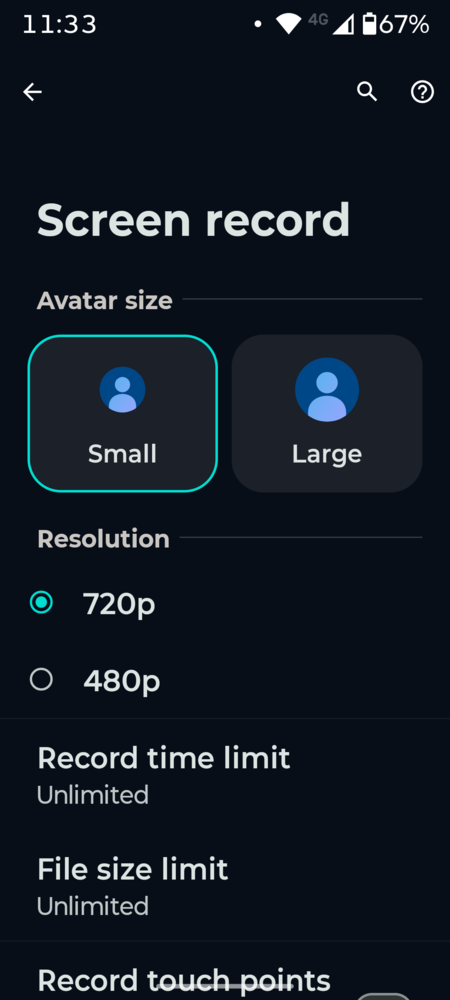
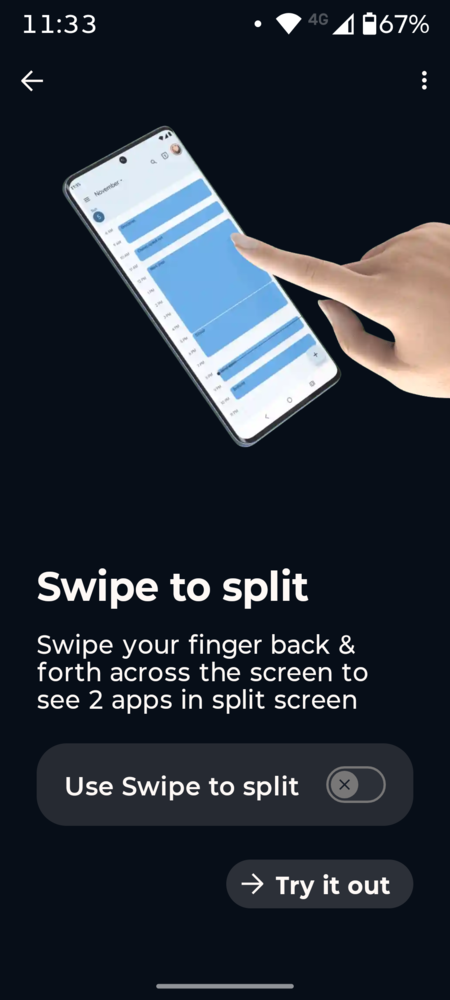
Users have access to a light or dark theme, a fixed or adaptive refresh rate (60 or 120 Hz), color display modes with the option to manually adjust color temperature, interface and font scaling, a night mode to reduce eye strain, and basic contrast settings.
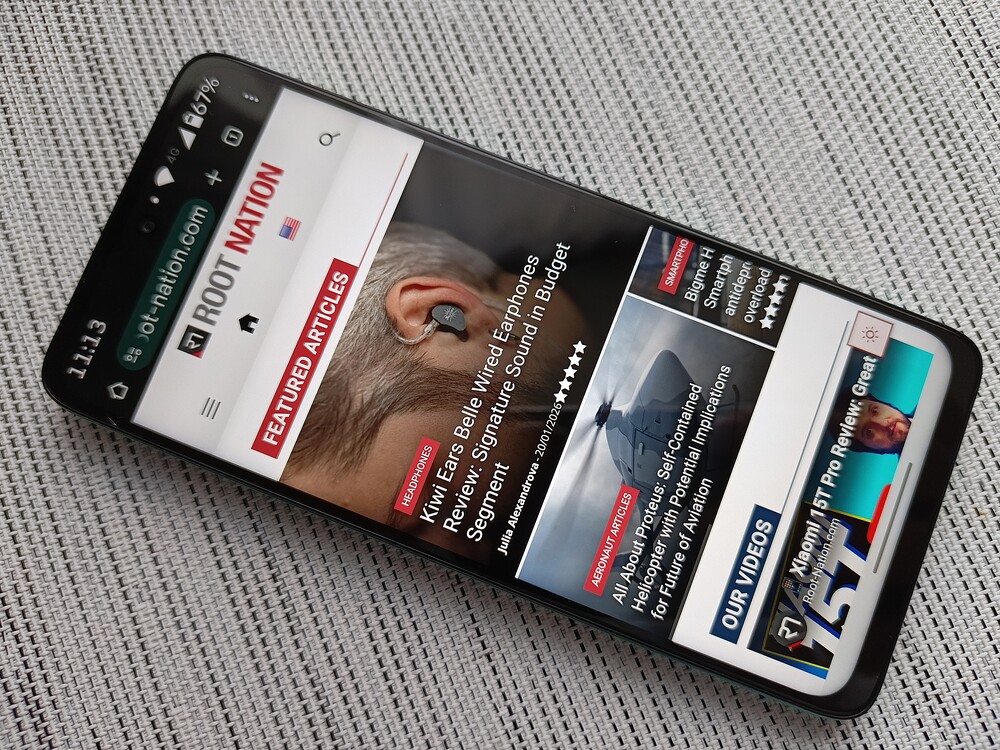
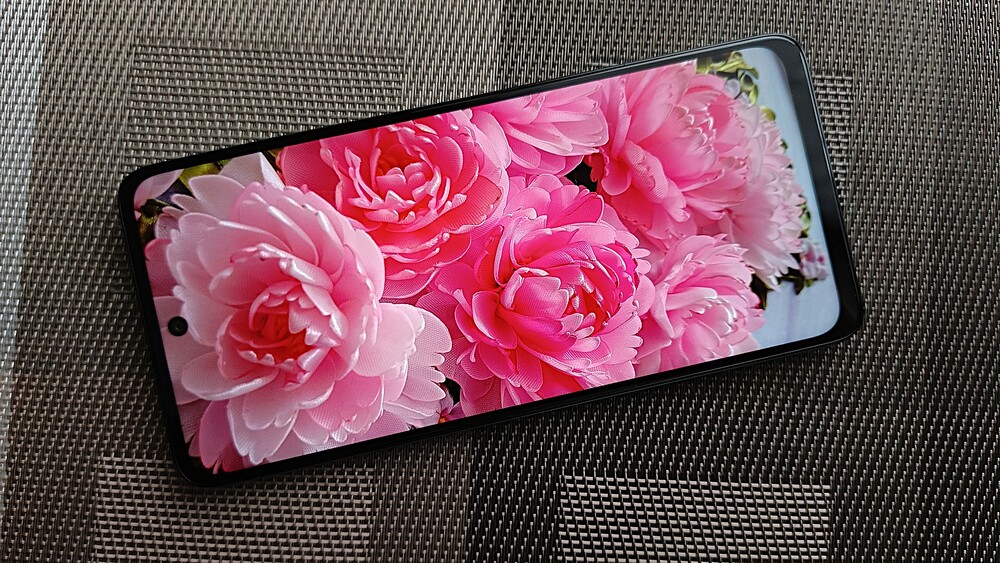

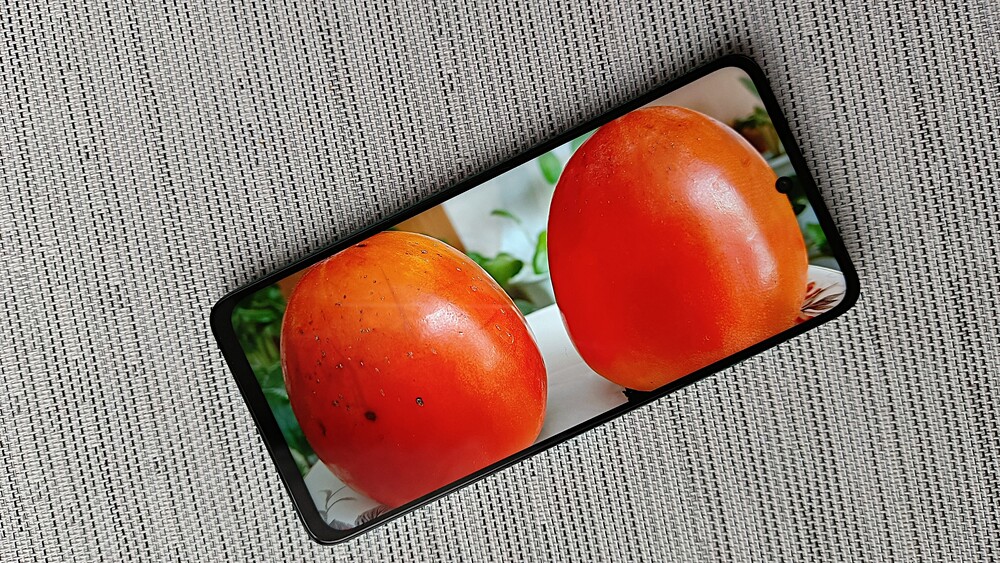


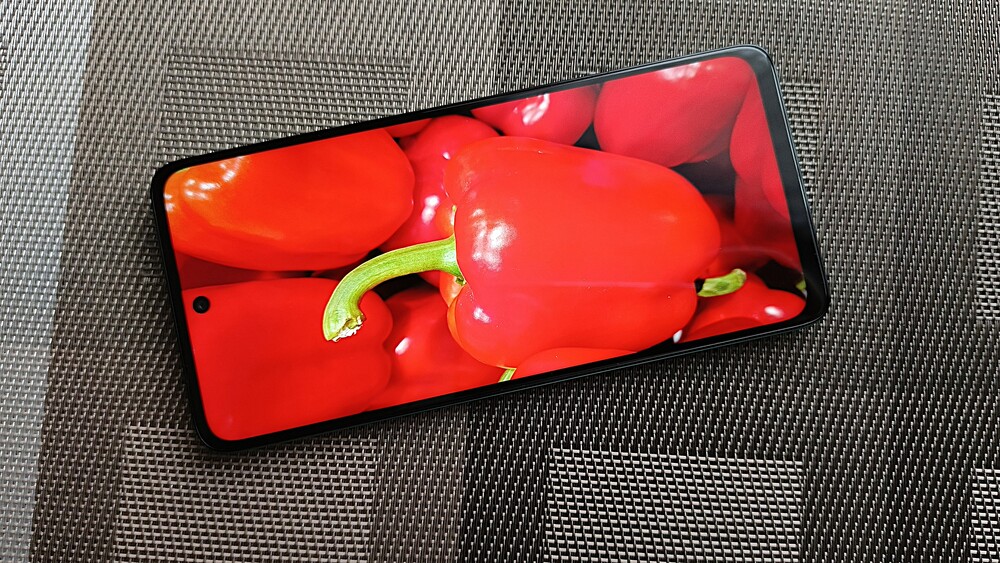

Overall, the display makes a positive impression and is appropriate for its price segment. Colors are somewhat more subdued and less saturated than on OLED panels, but they appear natural and free from overly aggressive oversaturation. Brightness is sufficient for most usage scenarios, while contrast – which is typical for an IPS panel – falls short compared to OLED displays, particularly when viewing content with dark scenes.
Read also: Motorola Edge 50 Ultra: What the Qualcomm Snapdragon 8s Gen 3 Is Really Capable Of
Audio Performance
Audio performance is largely typical for a mid-range smartphone. The Motorola Moto G57 Power supports stereo sound using the main and earpiece speakers. Volume levels are high, though bass response is limited. The device includes Dolby Atmos support, offering multiple sound profiles and an equalizer for basic audio customization.

While the Moto G57 Power lacks strong bass, this is not a major issue, as the overall speaker quality remains solid. Additionally, the inclusion of a 3.5 mm audio jack will be appreciated by users who prefer wired headphones.
Read also: Inside Motorola Solutions: How Trust and Security Are Built
Performance and Software
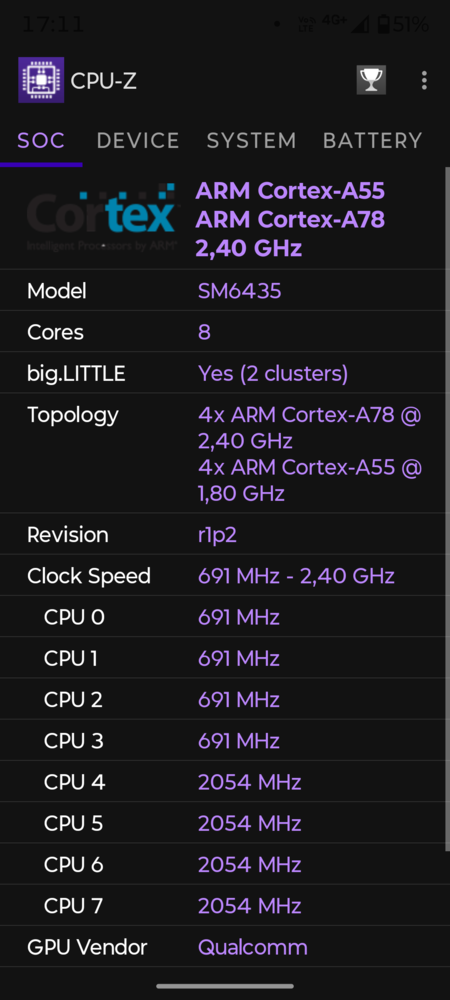
The new Motorola device stands out for its choice of hardware platform. Rather than the typical MediaTek solutions often seen in this segment, the manufacturer opted for the Qualcomm Snapdragon 6s Gen 4 chip, introduced in the fall of last year.

The processor is built using a modern 4nm process and combines four high-performance Cortex-A78 cores running up to 2.4 GHz with four energy-efficient Cortex-A55 cores up to 1.8 GHz, alongside an Adreno 710 GPU. This configuration appears well-balanced and is optimized for stable daily performance without excessive power consumption.

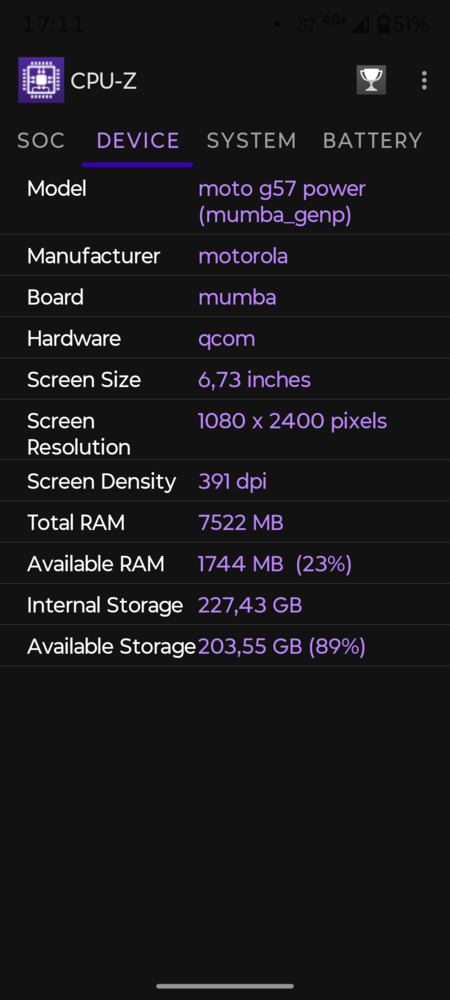
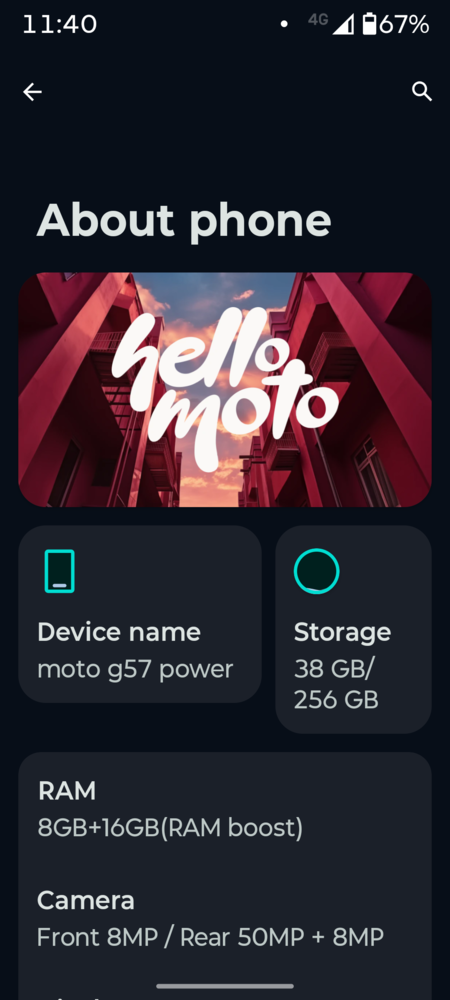
The smartphone is available with 8 GB of LPDDR4X RAM, which can be virtually expanded up to 24 GB, and 256 GB of internal storage. This memory configuration is more than sufficient for active use, with app switching occurring smoothly and without noticeable delays.
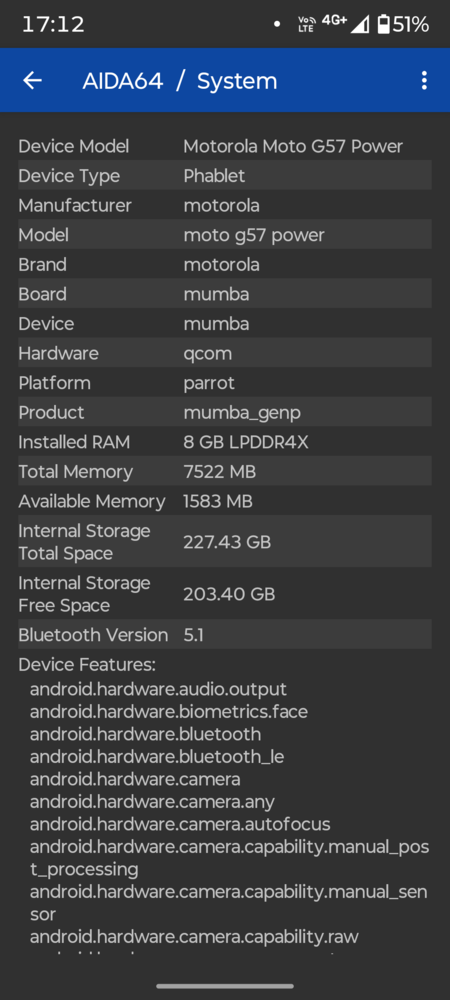
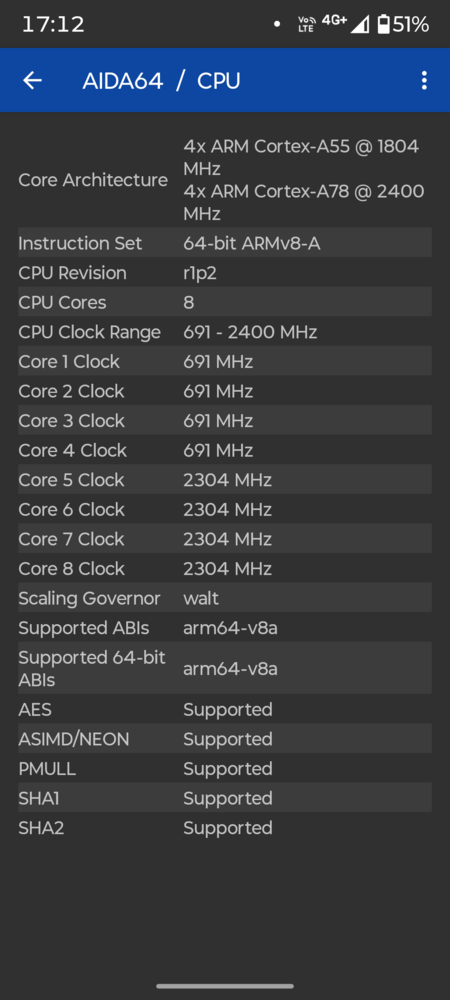
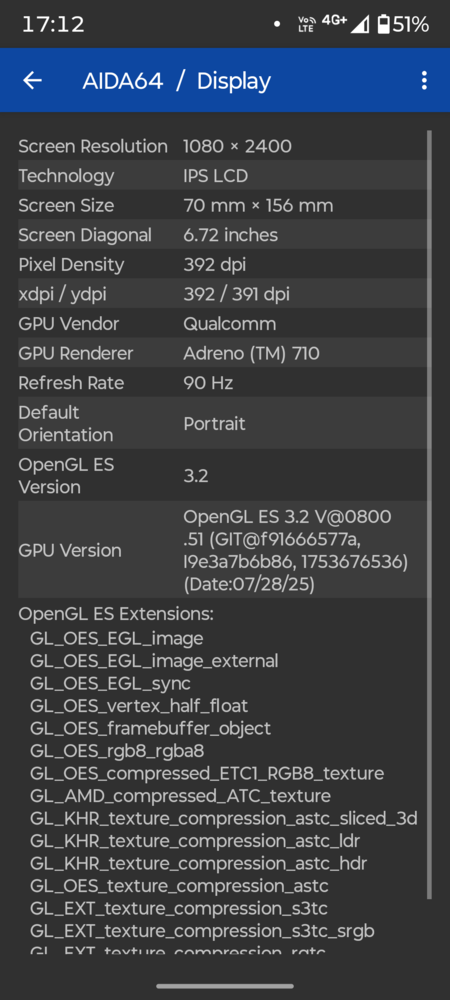
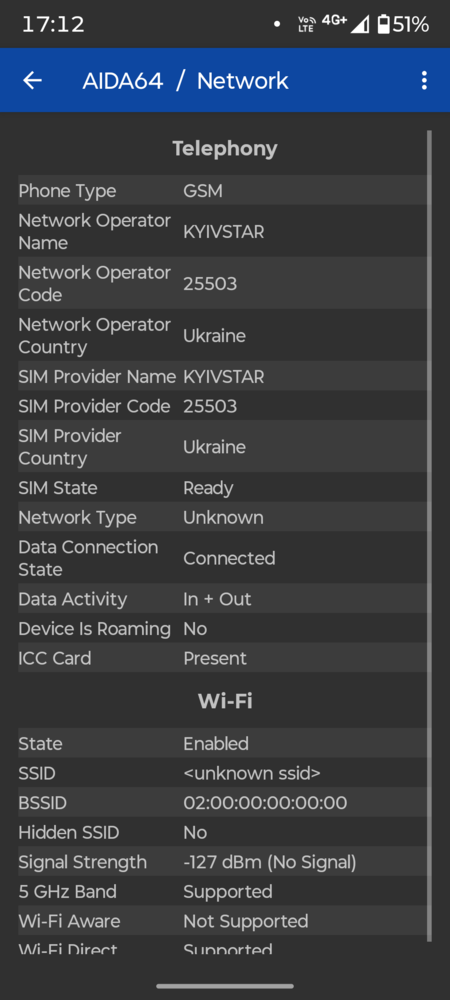
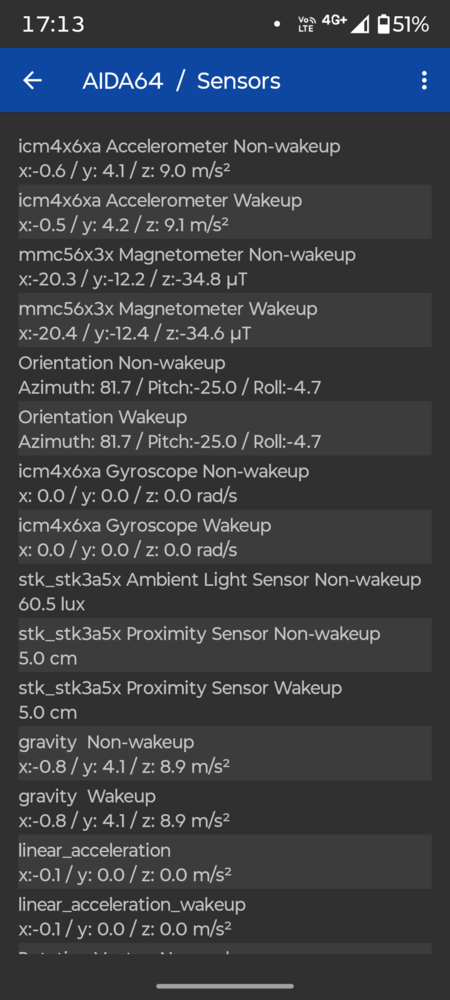
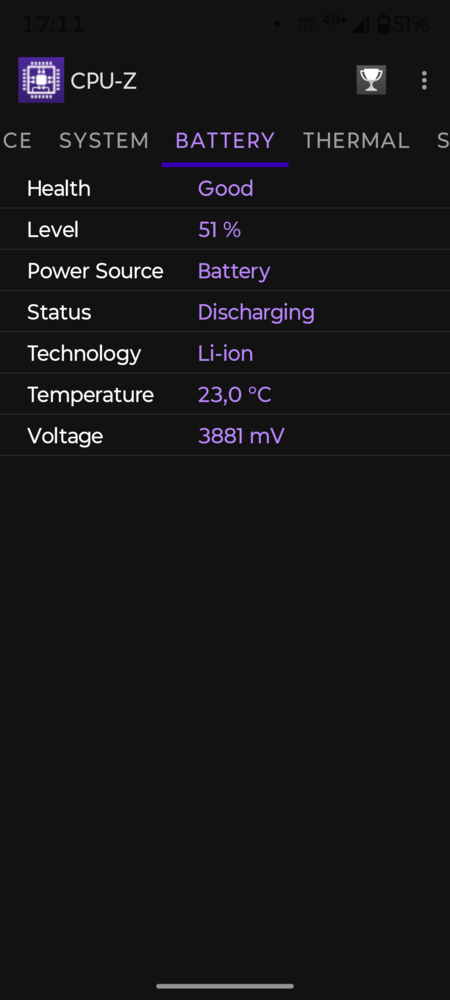
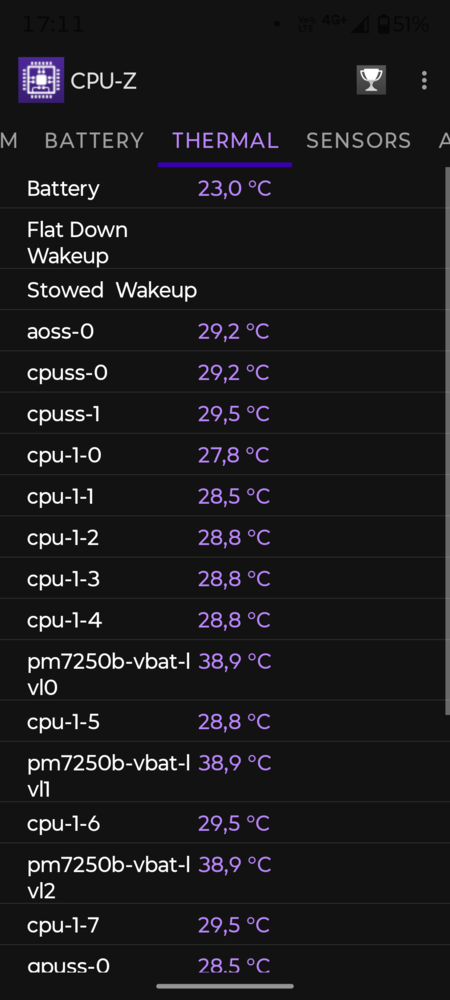
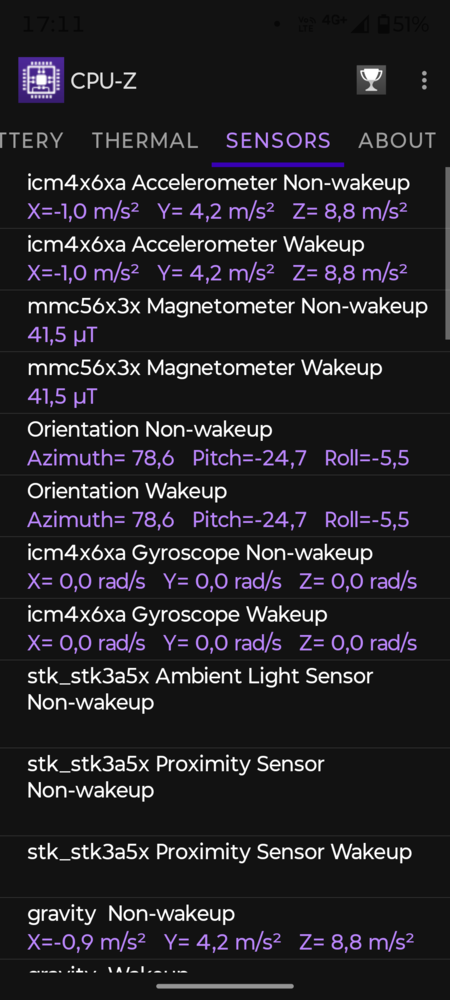
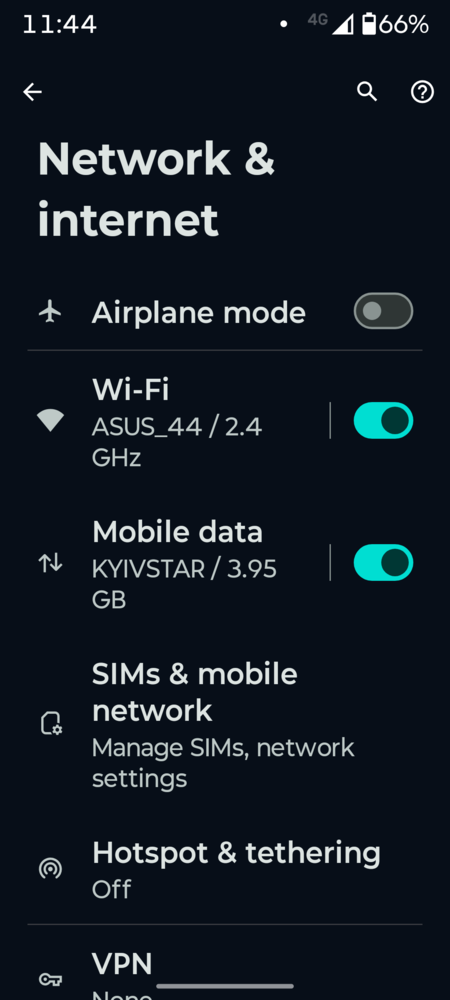
The device offers a standard but comprehensive set of wireless modules: Wi-Fi ac, Bluetooth 5.1, NFC, eSIM support, and compatibility with all major global navigation systems, including GPS, GLONASS, Galileo, and BeiDou.
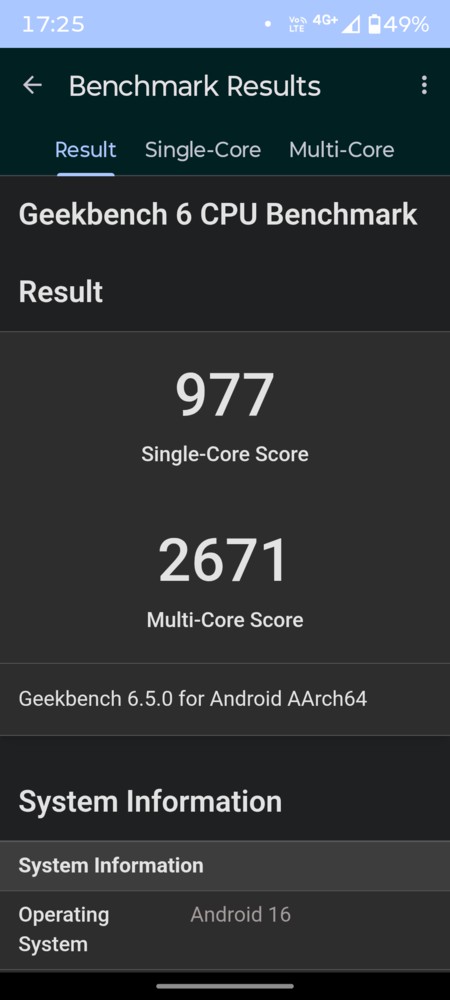
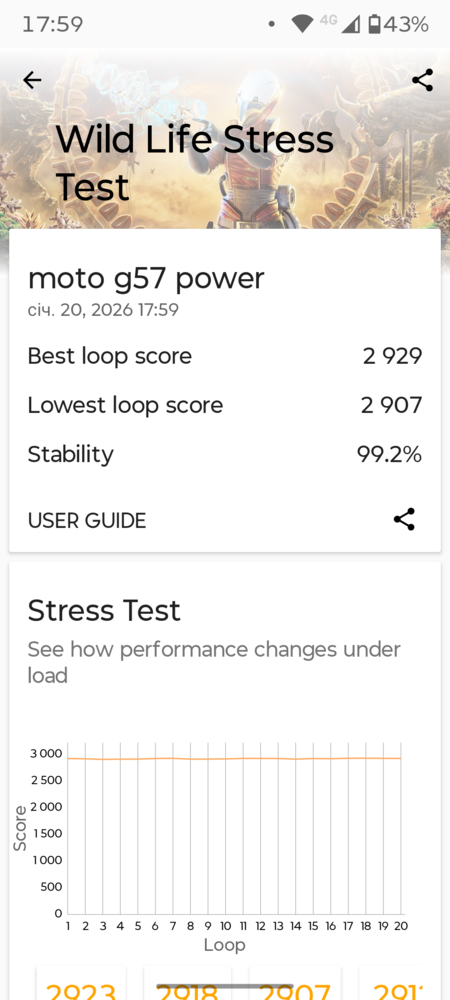
In synthetic benchmarks, the Snapdragon 6s Gen 4 does not achieve flagship-level scores, as it belongs to a different segment. However, its performance is fully appropriate for this class of device. In daily use, the smartphone operates quickly and predictably. The interface is smooth, animations are fluid, apps launch without delay, and multitasking remains stable even under heavy load.
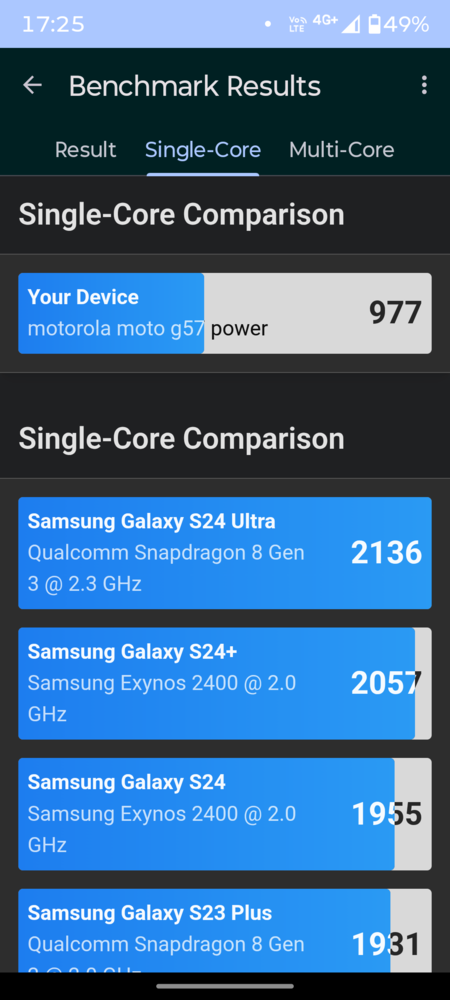
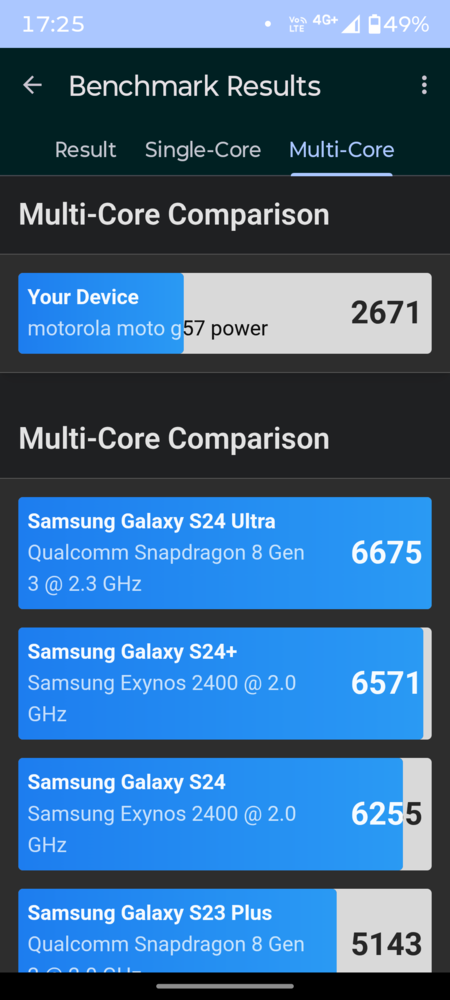
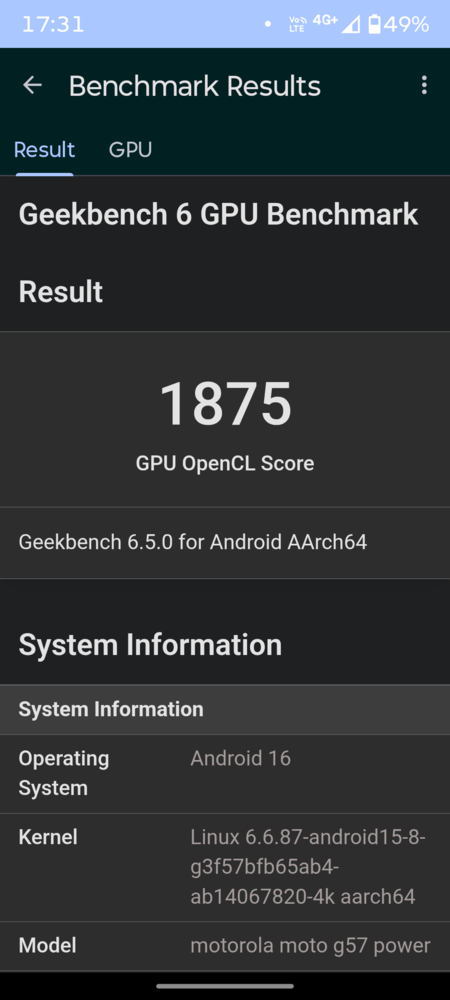
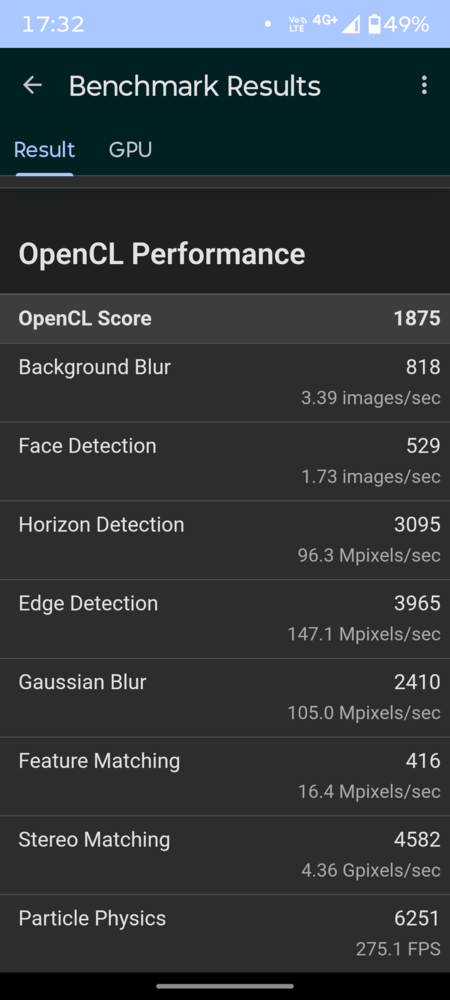
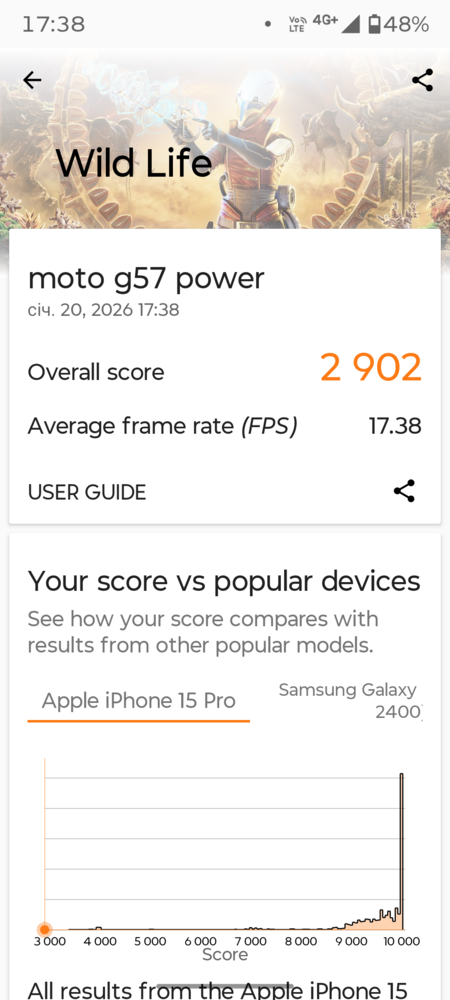
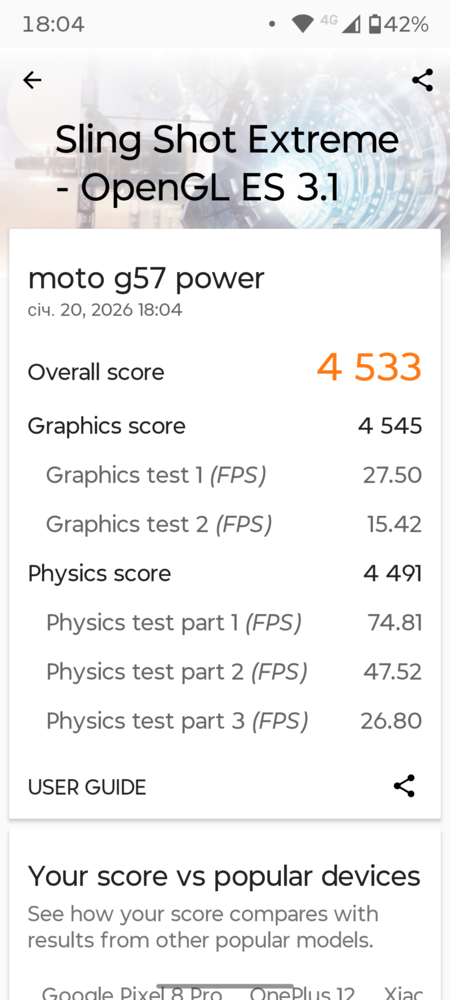
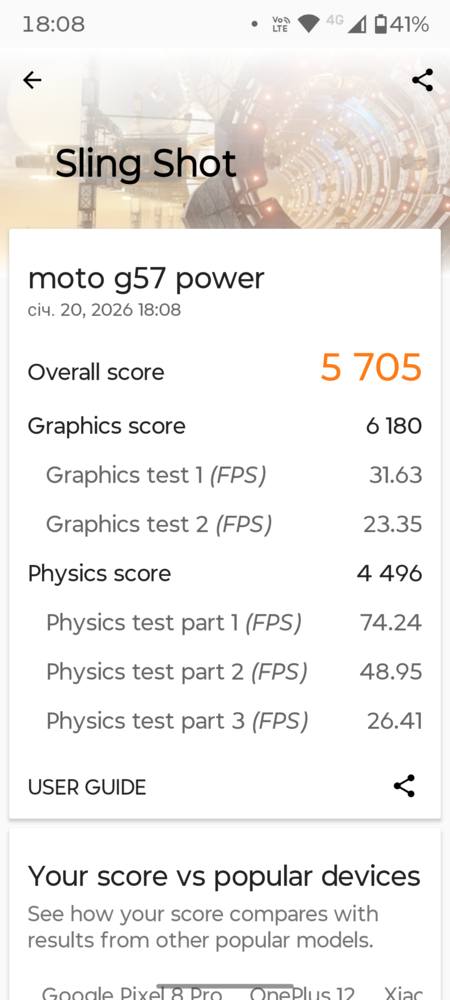
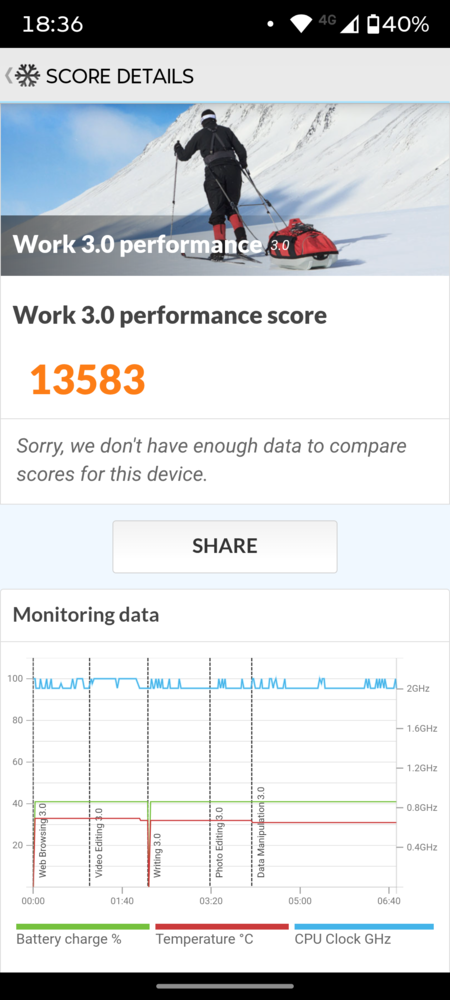
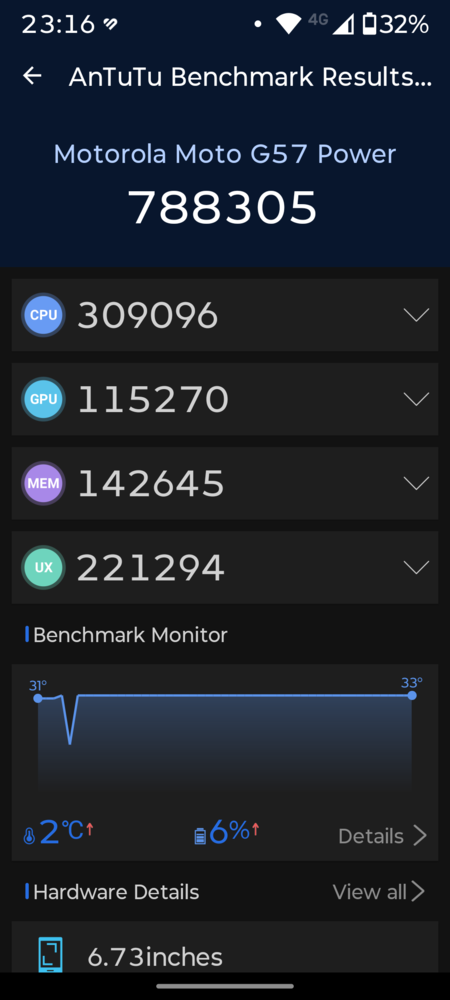
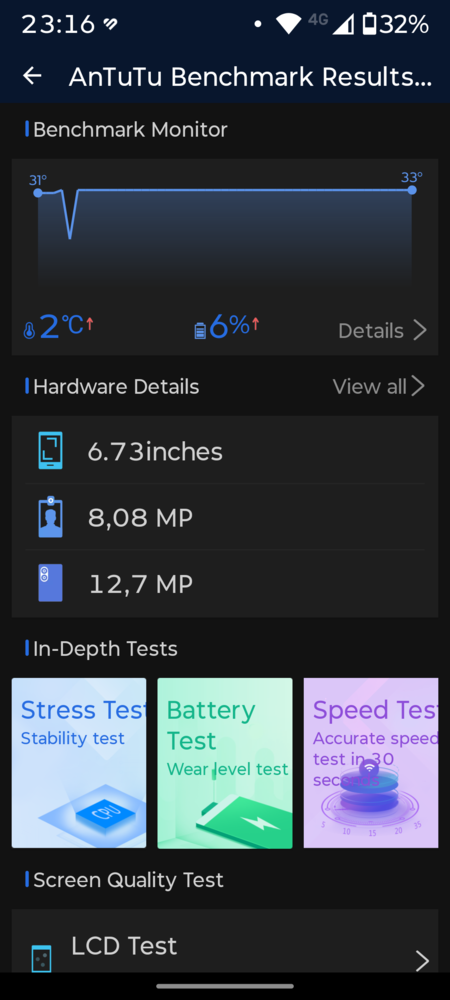
In gaming, the Motorola G57 Power also performs reliably. Call of Duty Mobile maintains around 60 FPS on high graphics settings. Diablo Immortal may experience minor drops to about 55 FPS in graphically intense scenes, while Destiny Rising is capped at 30 FPS due to the game’s internal limitations. For its segment, the device delivers a comfortable gaming experience without significant compromises.

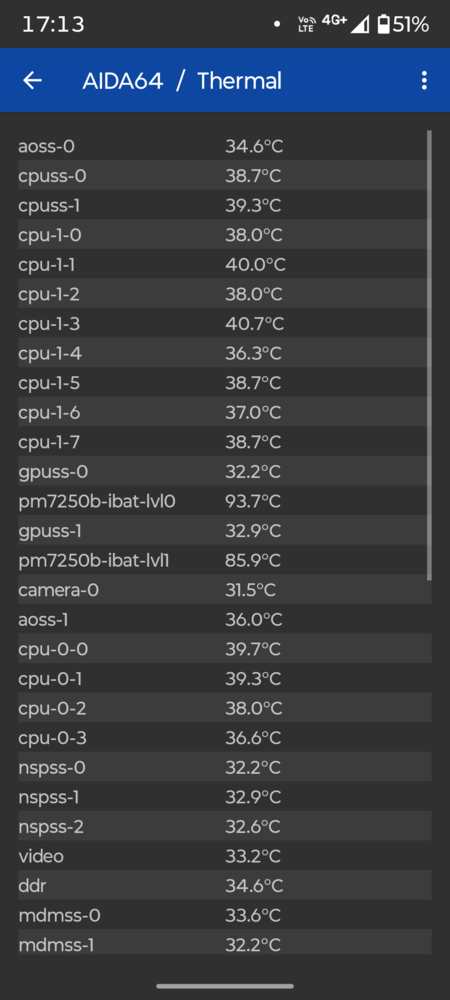
Even under prolonged load, the device remains stable. In the CPU Throttling Test, performance drops by a maximum of 10%, indicating an effectively configured cooling system. The chassis heats minimally, ensuring comfortable use during extended sessions.
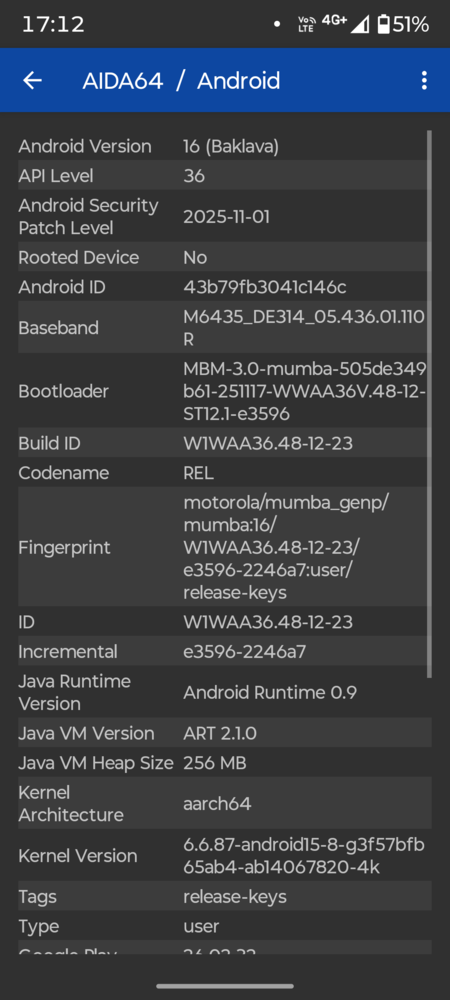
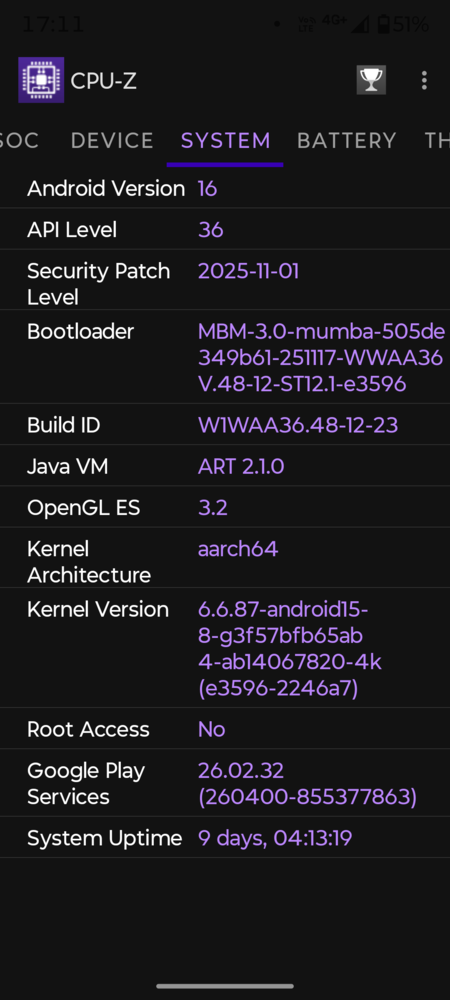
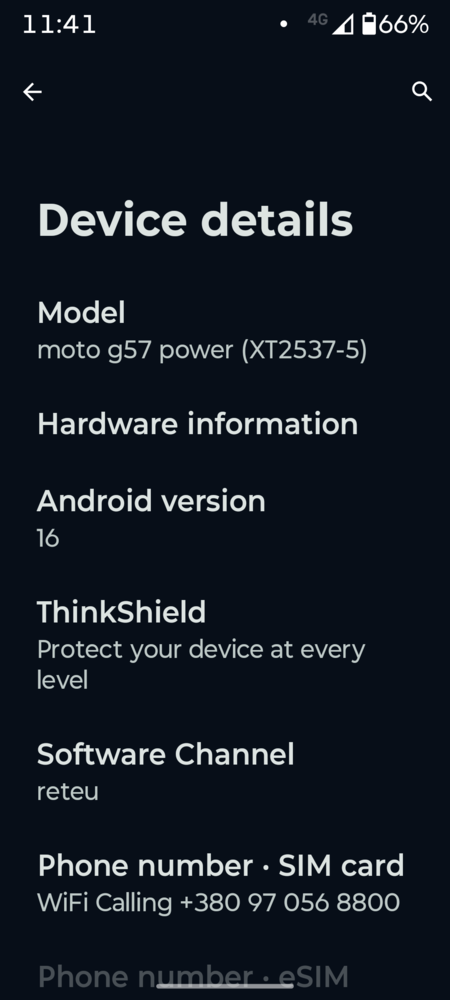
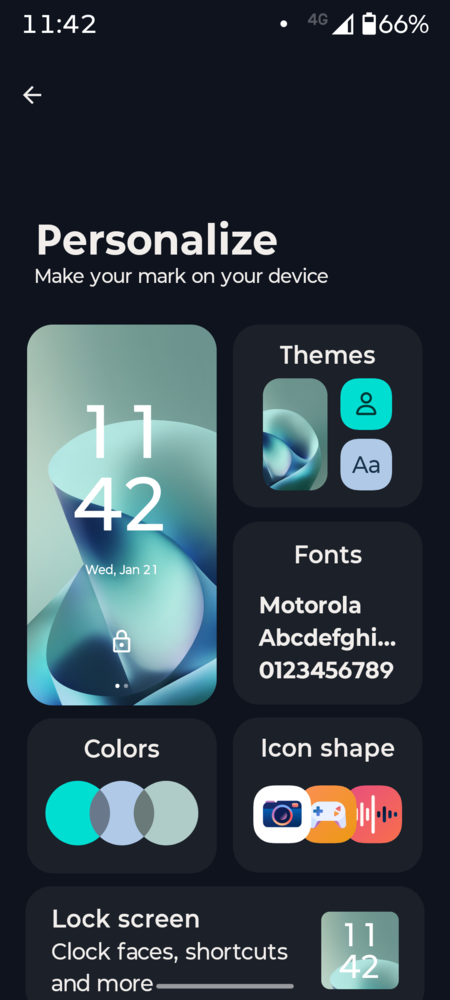
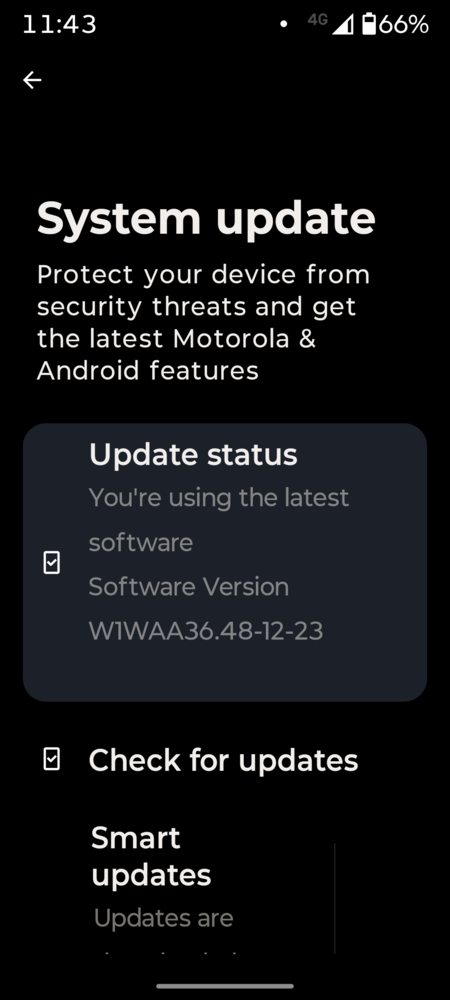
The Motorola G57 Power runs on Android 16 with Motorola’s Moto Hello UI. The interface closely resembles stock Android, avoiding unnecessary elements, intrusive ads, or redundant system functions. Update support is relatively modest: the manufacturer promises only one major operating system upgrade and three years of security patches.
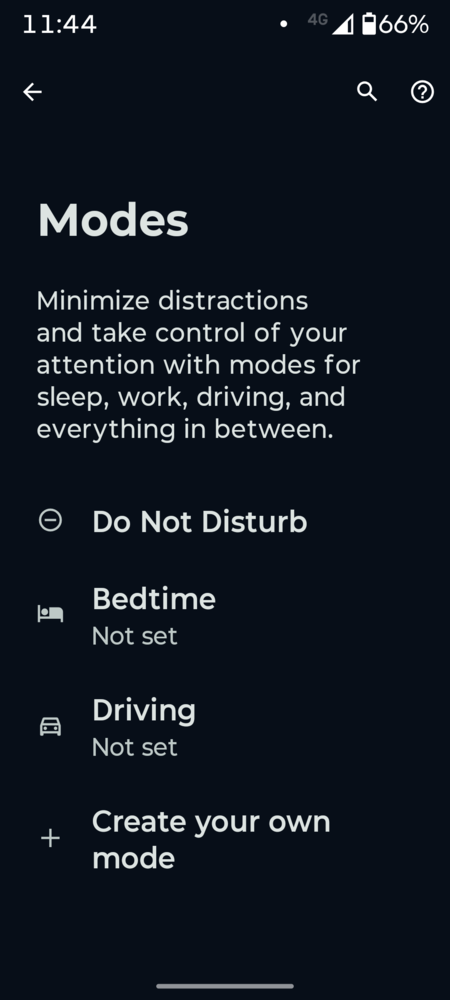
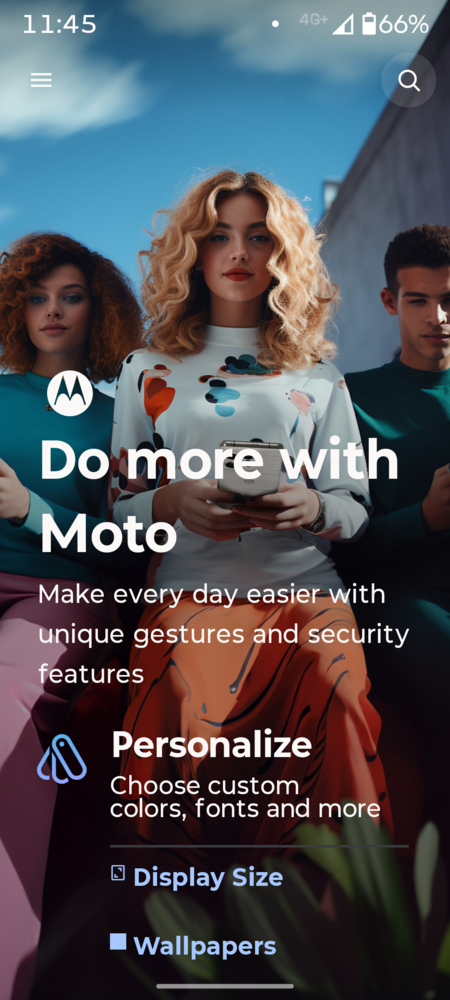
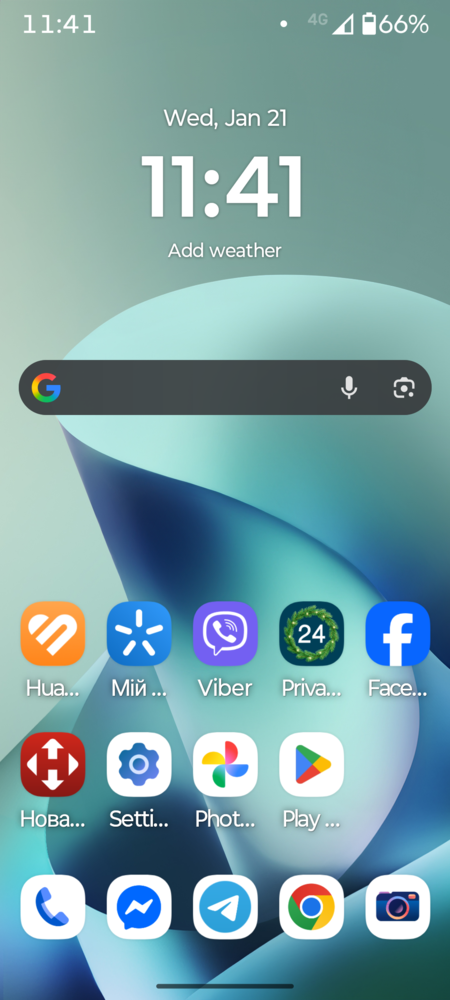
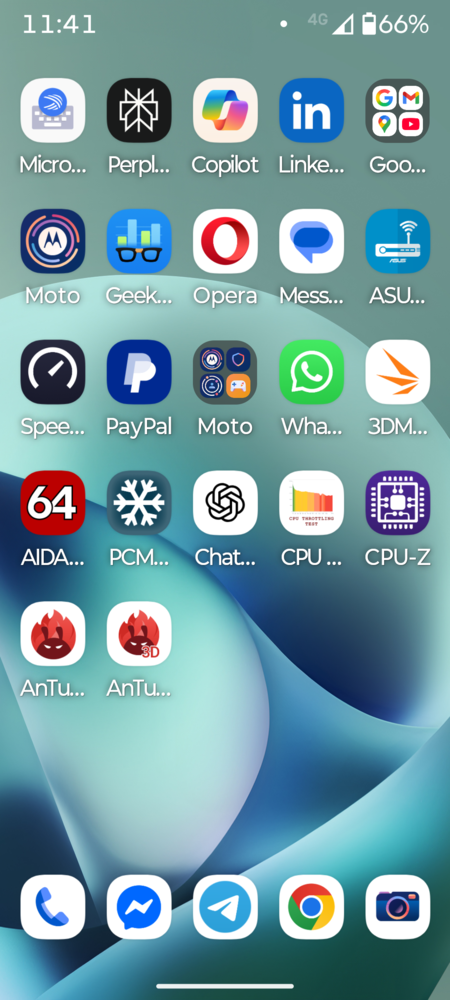
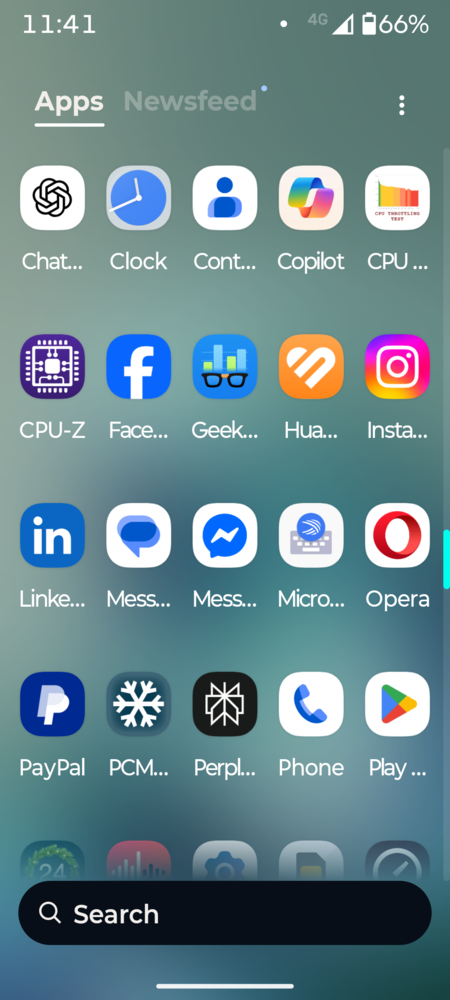
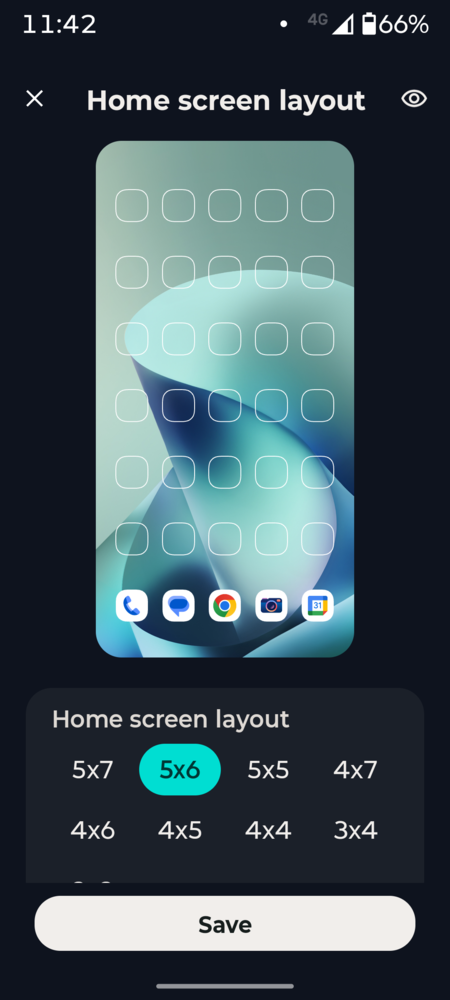
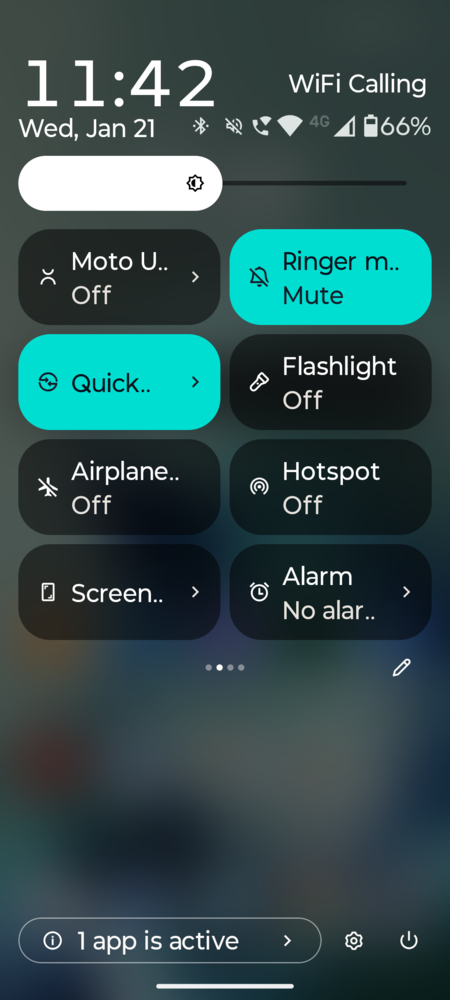
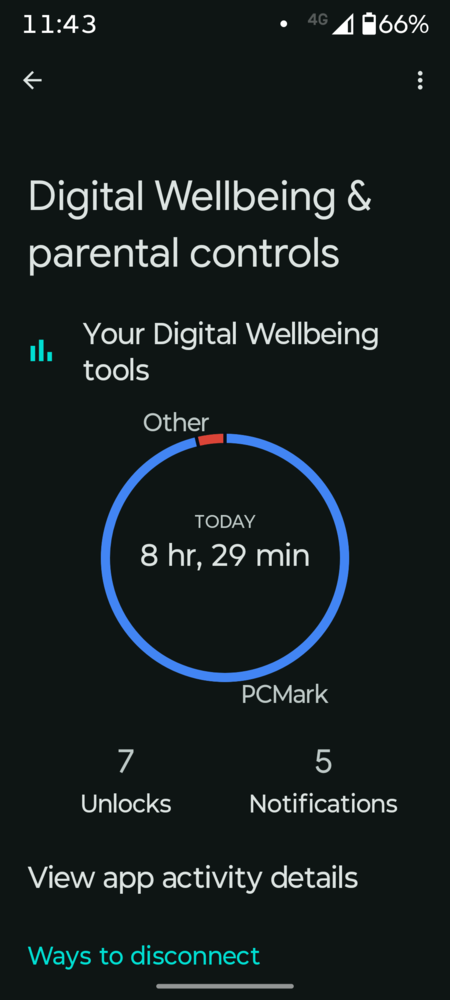
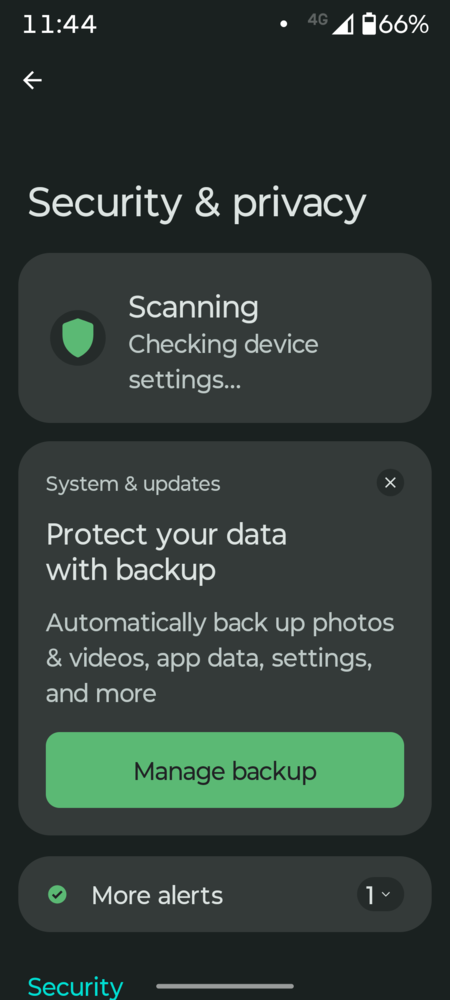
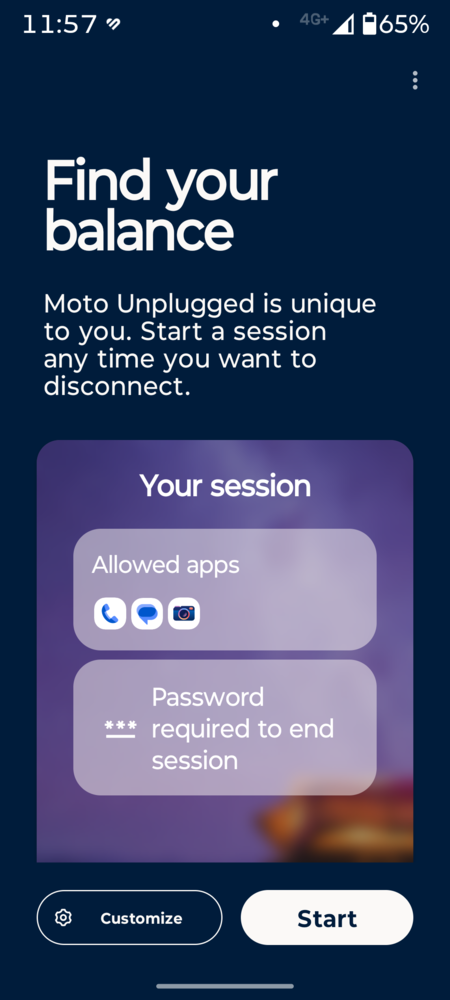
Pre-installed apps include Moto, Moto Secure, Game Time, Moto Unplugged, and Smart Connect. These applications enhance the smartphone’s functionality by adding useful features and usage scenarios without feeling intrusive or overloading the system.



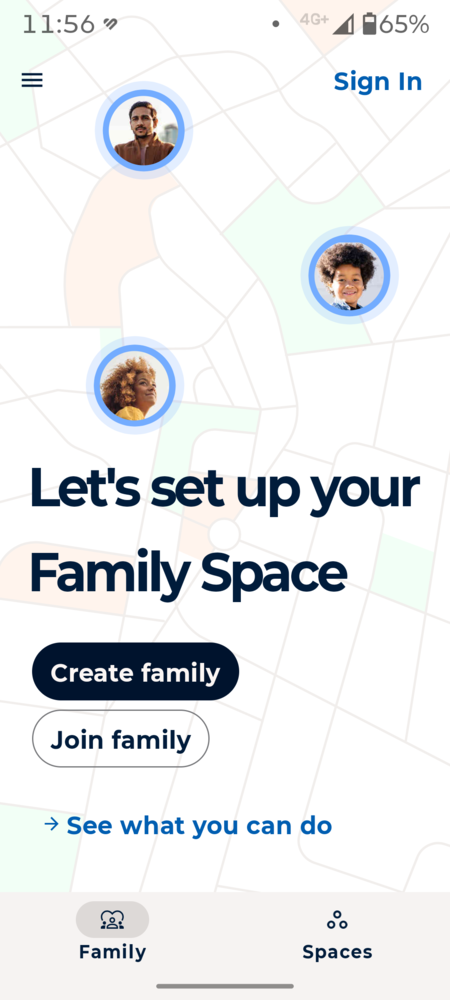
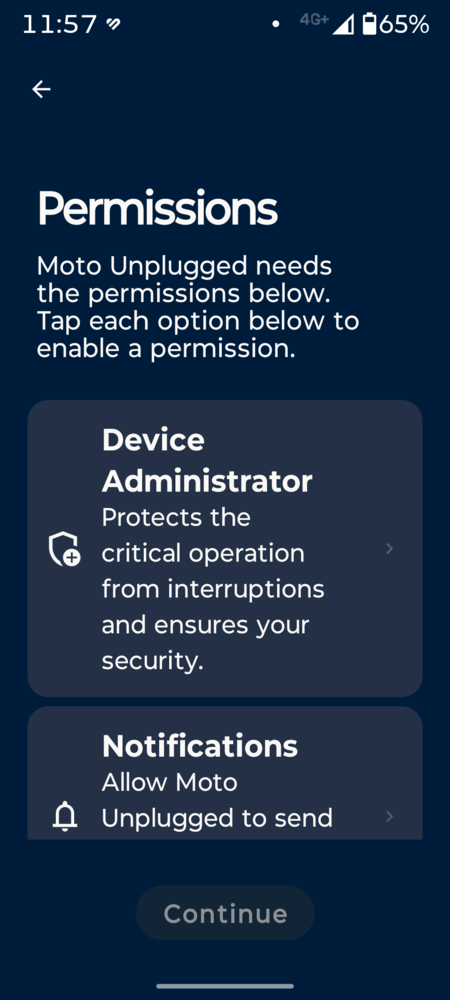
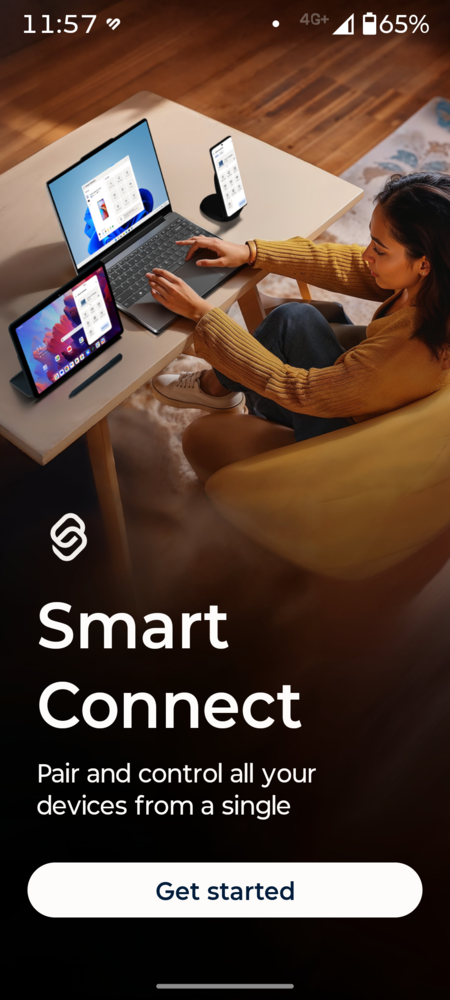

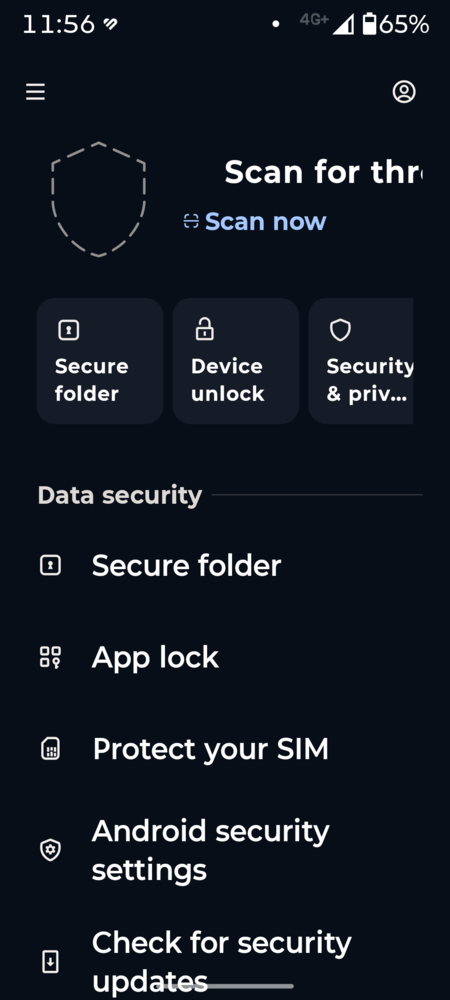
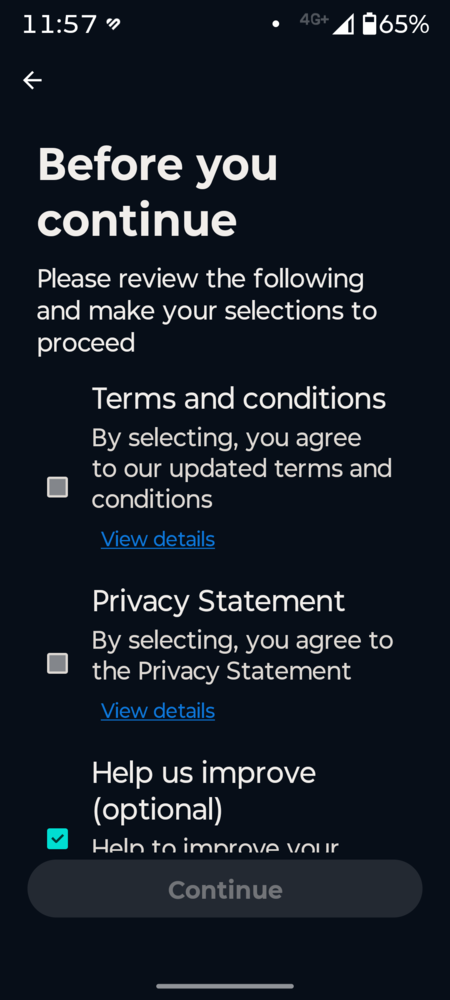
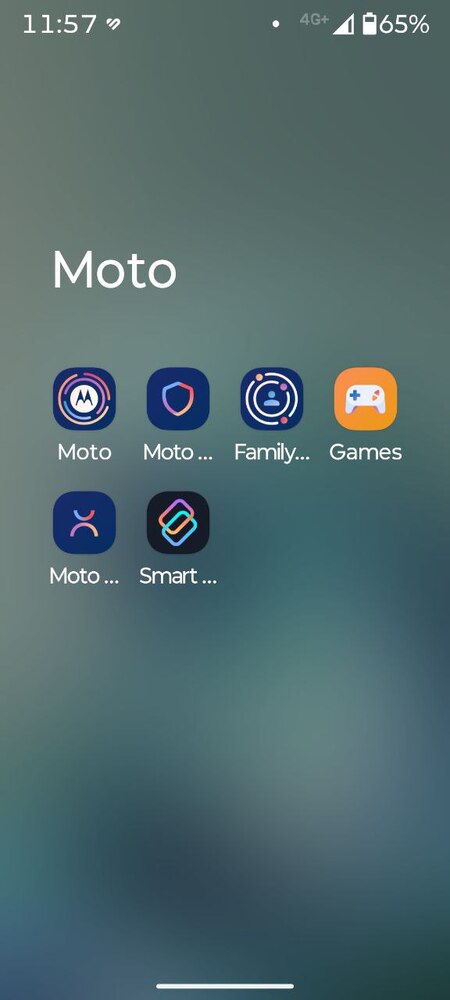
With Android 16, the Moto G57 Power’s user interface appears clean and generally smooth. Occasional minor delays or stutters may occur when opening or closing apps, or when scrolling through apps like Facebook and Instagram. These issues are not critical, but they are worth noting.
Read also: Motorola Edge 60 Fusion Review: Moto AI, MIL-STD 810H and Elegant Design
Moto G57 Power Cameras
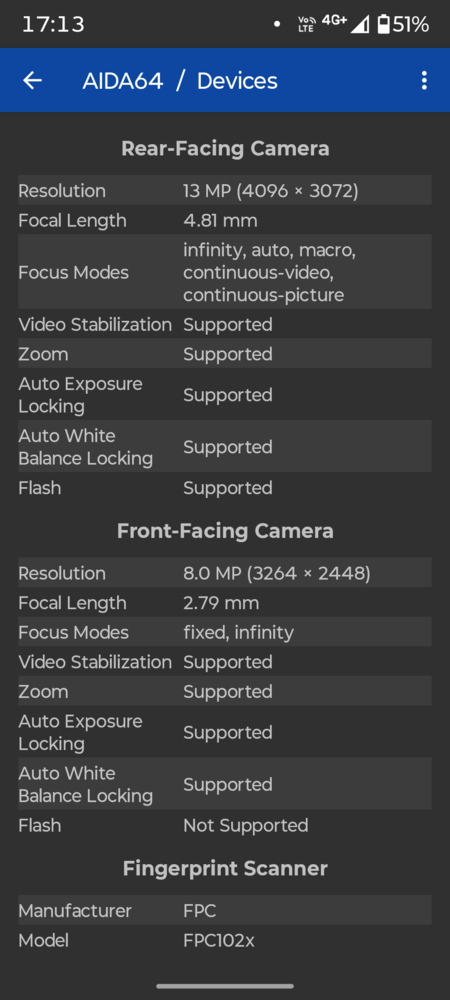
The smartphone features a primary camera system based on the Sony LYTIA 600 sensor. The main module has a 50 MP resolution and is complemented by an 8 MP ultra-wide camera with a 118° field of view.


The front camera features an 8 MP sensor, making it suitable for video calls, stories, and social media posts.
Both the main and front cameras can record video in 2K at 30 frames per second. Additionally, the primary module supports Full HD (1080p) recording at 60 fps, enabling smoother video for everyday use.












Under good lighting conditions, the 50 MP sensor delivers solid image quality. Colors appear natural without excessive saturation, and detail is particularly impressive in close-ups and landscape shots. The dynamic range is respectable for a mid-range device – the camera handles challenging scenes well, preserving details in both bright and shadowed areas.









In low-light conditions, image quality predictably decreases: details become softer, and sharpness is slightly reduced, particularly on the ultra-wide module. Nevertheless, results remain consistent and acceptable for this price segment, without any major shortcomings.


















The ultra-wide camera also delivers acceptable results under good lighting conditions, when the scene is evenly illuminated and does not require aggressive processing.








However, as lighting conditions worsen, performance noticeably declines. Detail drops sharply, softness and digital noise appear, and the image processing algorithms begin to aggressively smooth the image, sacrificing fine details.




The dynamic range also narrows, causing bright areas to lose texture and dark areas to fall into shadow.


The front-facing camera produces images that are generally ready for sharing without additional editing: skin tones are rendered accurately, and the dynamic range prevents overexposure even in backlit conditions. Its capabilities are more than sufficient for video calls and everyday content creation.

Overall, the Moto G57 Power’s camera is not positioned as a standout feature, but it delivers consistent and predictable performance. It serves as a reliable tool for everyday photography and standard video recording, fitting well within the overall concept of a balanced mid-range device.
PHOTOS AND VIDEOS IN FULL RESOLUTION
Read also: Report from the Motorola Future Express Presentation: Style, Technology, and the Spirit of Modernity
Impressive Battery Life
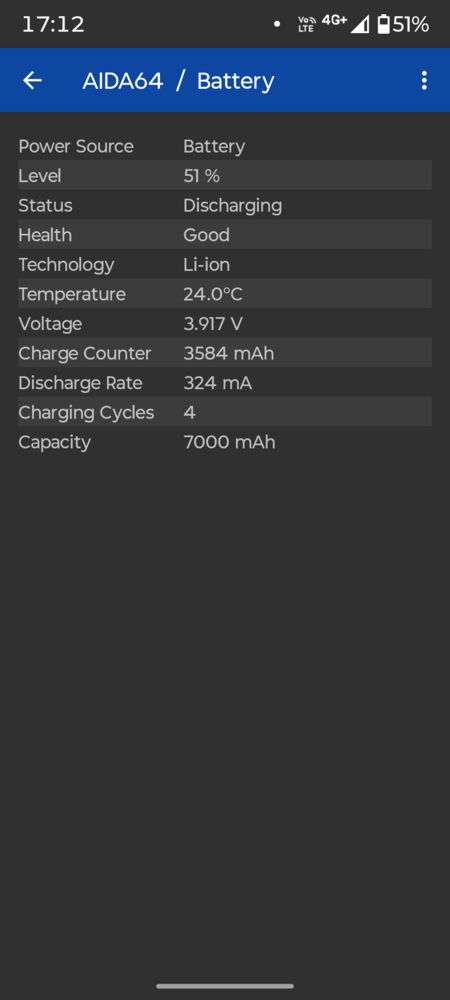
As the name suggests, the Moto G57 Power focuses primarily on battery endurance. The device is equipped with a 7000 mAh silicon-carbon battery, and in this case, the on-paper specifications fully match real-world usage. From the first days of testing, it becomes clear that the energy reserve is more than sufficient for virtually any usage scenario.
During testing, the smartphone consistently completed 24–25-hour usage cycles with over 40% battery remaining, which is impressive on its own. In one test cycle, the Moto G57 Power delivered around 9 hours of screen-on time in a single day, still leaving 43% of the battery in reserve. This clearly demonstrates that it is not just a “long-lasting” phone, but a device capable of easily lasting a day and a half – and under moderate use, up to two full days – without recharging.
Throughout testing, Wi-Fi, 4G mobile data, Bluetooth, and location services were all enabled, meaning the phone was used in a fully active, real-world scenario without any energy-saving compromises.
Despite its large battery capacity, the Moto G57 Power does not require long hours at the charger. In internal tests, the included 33 W adapter charged the battery from 20% to 100% in approximately 75 minutes. While not record-breaking, this balance between battery life, heat management, and long-term battery health is practical and well-considered for real-world use.
Combined with the energy-efficient Snapdragon 6s Gen 4 chip and the IPS display, the smartphone delivers impressive endurance. For users seeking a highly durable daily device, the Moto G57 Power 5G is a reliable choice.
Read also: Motorola Edge 50 Ultra Review: Again the Top? Yes, Again!
Should You Buy the Motorola Moto G57 Power 5G?
The Motorola Moto G57 Power 5G is a smartphone with a clearly defined design philosophy: it does not aim to be an all‑around flagship‑level device. Its goal is simpler and more straightforward – deliver extended battery life, stable performance, and reliable everyday operation.
In the context of affordable 5G smartphones, this approach is reasonable, particularly when compared with competitors that prioritize headline specs but may compromise on endurance. If your priorities align with extended battery life and predictable daily performance rather than top‑tier photography or peak benchmark scores, the Moto G57 Power 5G represents a practical option in its segment.

The main selling point of this model is its battery life. The 7000 mAh battery allows the smartphone to easily last two full days, even under active usage. This is not a marketing claim but a practical result that becomes apparent from the first days of use.
Another notable aspect is the design. The rear panel, made of vegan leather, sets the Moto G57 Power apart from many smartphones with standard polycarbonate bodies. The material not only gives the device a more premium appearance than its price suggests but is also practical, as it provides a non-slip grip and resists fingerprints.
In daily use, the smartphone behaves predictably and reliably. The Snapdragon 6s Gen 4 ensures a lag-free interface, smooth media consumption, and the ability to run most mobile games at low to medium graphics settings. This level of performance aligns with what one would expect from a well-balanced mid-range device.
The camera, while not aiming to be a standout feature, performs pleasantly with natural color reproduction and adequate detail. It is more than sufficient for everyday photography and social media use.

However, the Moto G57 Power 5G does have some clear compromises. The most notable is software support. The smartphone is limited to a single major Android update, which is modest compared to competitors that increasingly offer two or more OS upgrades.
The second consideration is size and weight. At 210 g, the device feels heavy and relatively bulky. This is an unavoidable trade-off for the large battery, but one-handed use may be less comfortable.
The front of the device also detracts slightly from its appeal. The thick bezels around the display and the bulky bottom “chin” appear somewhat outdated compared to competing models.

The Motorola Moto G57 Power 5G is a smartphone for users who know exactly what they want. It is well-suited for those who prioritize battery life, reliability, and consistent daily performance without frequent dependence on a charger. For users who value longer software support, compact dimensions, or a cutting-edge design, alternative models may be more appropriate.
Within its segment, the Moto G57 Power 5G presents a straightforward and sensible option – without illusions, but with a convincing set of strengths.
Read also:
- Motorola Moto Buds Loop Review: More Than Just a Stylish Accessory
- Everything You Need to Know About MIL-STD-810H in Smartphones: A Look at the Motorola Edge 50 Neo
- Motorola Edge 50 Ultra: What the Qualcomm Snapdragon 8s Gen 3 Is Really Capable Of



Thank you very much for the test. 1 thing I miss are photos made in difficult conditions – towards light, although night photos are also difficult.
Looking at the blocks of flat it seems not many people have stayed in Kharkiv. Glory to Ukraine.
Glory to the heroes!
Thank you for your comment.
Many people have left, as Kharkiv is essentially a frontline city. But many still remain.